
Reviewed · SUNSET TOURS
1-Day Angor Wat Small Circuit Tour with Sunset
Angkor Wat is only the opening act here. Over 8 to 9 hours, you move from the grand temple to tree-covered Ta Prohm, quiet Ta Nei, the many-faced Bayon, and the terraces of Angkor Thom before finishing with sunset at Phnom Bakheng. I like the private format, which gives your group more control over photo stops and walking speed. I also like the cool water, wet towel, and air-conditioned vehicle, small comforts on a hot temple day.
The main caution is the pace. This is a full day with a lot of walking, and the climb at Phnom Bakheng can feel tiring at the end. The schedule also says pickup is at 8:00 a.m. while mentioning sunrise at Angkor Wat, so confirm the exact start time if sunrise is important to you. The temple pass and meals cost extra.
Key points at a glance
- Angkor Wat leads the day: You get about two and a half hours at Cambodia’s most famous temple.
- Ta Prohm brings the famous tree roots: The Tomb Raider temple offers some of the day’s strongest photo scenes.
- Ta Nei gives you a quieter stop: This small, unrestored temple is included as a break from the main crowds.
- Angkor Thom packs in several sights: Bayon, Baphuon, the Victory Gate, and the royal terraces follow one another.
- Phnom Bakheng ends the tour with a climb: Allow energy for the uphill walk and temple steps after a long day.
- The real cost is higher than $63: Add the $37 one-day temple pass per person, plus lunch and other meals.
A full day through Angkor’s small circuit
This tour is built for someone who wants to see the major Angkor highlights in one carefully packed day. You travel by air-conditioned vehicle with your own group, accompanied by a licensed English-speaking guide and driver.
The route covers the most recognizable temples around Siem Reap rather than trying to reach distant sites. That keeps the day focused, but it also means you should expect a steady rhythm of driving, walking, listening, climbing, and taking photos.
Hotel pickup and drop-off are included. Water and a cool wet towel are also provided, which matter more than they might sound when the heat builds between temple stops.
The experience is listed at $63, but the required one-day temple pass is not included and costs $37 per person. That brings the basic cost to $100 per person before meals. For a private tour covering so many major sites, that can be reasonable, especially if you value a guide and direct transport. If you are traveling alone, the added pass and private-tour cost will feel heavier.
More Sunset Tours in Siem Reap:
- Angkor Wat Sunrise or Sunset Tour with Guide from Siem Reap
★ 5.0 · 12,109 reviews - Siem Reap: Angkor Wat: Small-Group Sunrise or Sunset Tour
★ 5.0 · 9,444 reviews - Sunset tour of Kampong Phluk stilts home village on the Tonle Sap
★ 5.0 · 4,865 reviews
Angkor Wat: the grand opening
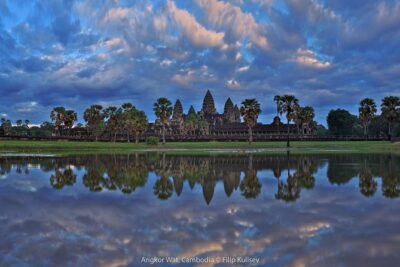
The day begins with Angkor Wat, where the planned visit lasts about two and a half hours. This is enough time to see the main exterior, walk through the temple grounds, and spend time inside the central structure rather than simply taking a quick photograph from the pond.
The schedule refers to sunrise, but the stated pickup time is 8:00 a.m. Those details do not fully match. Sunrise requires an earlier departure than 8:00 a.m., so ask the operator to confirm the actual pickup time before booking or shortly afterward.
Angkor Wat rewards patience. Its scale can be hard to grasp at first, and a guide helps connect the towers, galleries, reliefs, and religious purpose of the site. You can expect a mix of open walking areas and enclosed temple passages, with plenty of time spent on your feet.
The temple is also the place where a good guide can make the biggest difference. Guides Sok and Mr. Lucky are particularly praised for fluent English, clear explanations, friendly conversation, and help with photographs. Guide assignments may vary, so treat those names as useful points of reference rather than a guarantee.
Ta Prohm and the power of the trees
After Angkor Wat, the tour continues to Ta Prohm for about an hour and a half. This is the temple most associated with the Tomb Raider film, but the movie connection is only part of its appeal.
Ta Prohm feels more enclosed and theatrical than Angkor Wat. Large tree roots spread over walls and doorways, showing how the forest has taken hold of the old stonework. The contrast between carved blocks and thick roots gives you some of the best photography of the day.
You should expect this stop to be popular. The tour description specifically points to photography, and the famous root-covered sections draw attention. A private guide can help you spend your time sensibly, but the site itself will not feel secluded.
Wear shoes with a firm sole. Even without a demanding hike, temple floors can be uneven, and you will be walking for much of the visit. This is also a good point to use the supplied water and towel before continuing.
Ta Nei: a quieter half hour
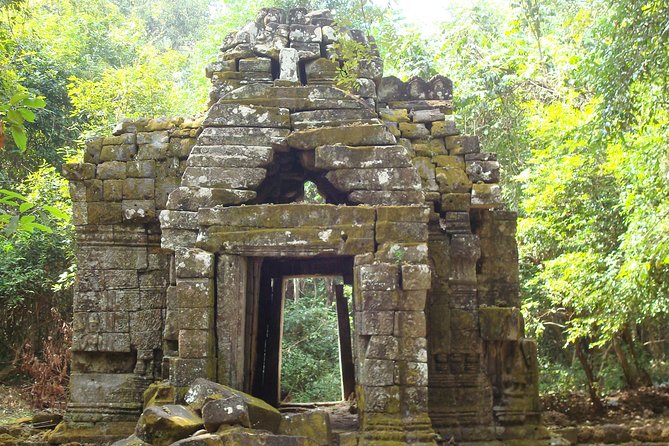
Ta Nei is a small, unrestored temple in the forest, visited for about 30 minutes in the afternoon. It is one of the most useful choices in this itinerary because it changes the mood after the better-known temples.
You come here for quiet stonework and a less polished setting, not for the scale of Angkor Wat or the dramatic tree roots of Ta Prohm. The lack of restoration is part of the appeal. You might notice a stronger sense of age and fewer obvious visitor facilities.
The stop is brief, so do not expect a long guided walk. Instead, use it as a pause to look closely at the structure and regain energy before Angkor Thom. This is also the tour’s best answer for anyone who wants at least one calmer temple among the major highlights.
A few more Siem Reap half-days worth weighing up
- 1-Day Amazing Angkor Wat Tour with Sunset & All Interesting Major Temples
★ 5.0 · 308 reviews - Angkor Wat one Day Private Tour for All Highlight Angkor Temples
★ 5.0 · 199 reviews - 1-Day private Angkor Temple Tour from Siem Reap
★ 4.9 · 178 reviews - 1-Day Angkor Wat Sunrise & All Interesting Temples Private Tour
★ 5.0 · 174 reviews
Angkor Thom and the Victory Gate
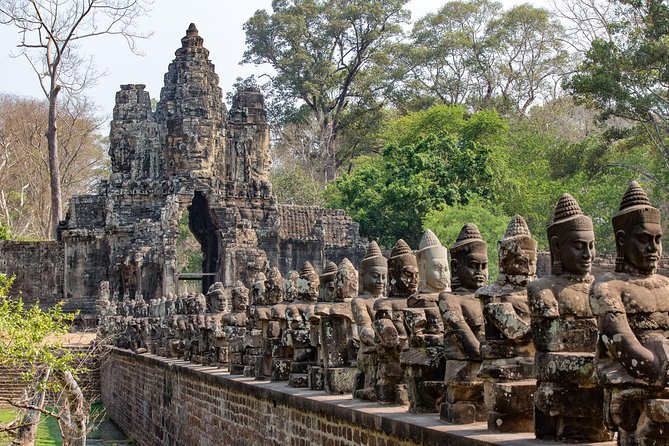
The route then reaches Angkor Thom, the great walled city at the center of the afternoon program. The stop at the Victory Gate lasts about 15 minutes and is aimed mainly at photography.
A short stop can work well here because the gate is more of a visual landmark than a site requiring a long exploration. You will have time to take pictures and get a sense of the monumental entrance before moving on to Bayon.
The description uses the name Victory Gate, while the wider Angkor Thom visit also includes other major structures. Confirm the exact gate used on the day if you care about seeing a particular entrance. Either way, this portion helps you understand that Angkor was not just a collection of separate temples. It was a planned royal city with ceremonial routes and imposing gateways.
Bayon and its 216 stone faces
Bayon receives about an hour, and it is one of the strongest stops on the route. The temple sits at the center of Angkor Thom and is famous for its towers carved with enormous faces looking out in different directions.
The faces create a very different mood from Angkor Wat. Instead of one clear grand composition, Bayon unfolds as a maze of towers, galleries, narrow passages, and changing views. You will want time to look up, turn around, and notice how the expressions appear from different angles.
An hour gives you a useful introduction, though it may feel short if you want to study every relief. Your guide can help you focus on the key features rather than losing time among the corridors. Guides described as fluent and comfortable with Cambodian history are especially helpful here, since Bayon can otherwise seem confusing at first.
Mr. Lucky is praised for answering questions, sharing information about Cambodia’s important events, and offering practical suggestions. That sort of conversation is valuable at Bayon, where the stone faces are memorable but the wider meaning takes explanation.
Baphuon and the royal center
Baphuon follows Bayon, with about an hour set aside. This pyramid-shaped Hindu temple predates Angkor Wat and has been restored for visitors.
The structure gives you a chance to see a different form of Khmer temple design. Its upward shape creates a more pronounced sense of ascent than some of the flatter gallery areas at Angkor Wat. The restoration also makes it easier to appreciate the scale of the building.
Baphuon is close to the former royal palace and the terraces, so the itinerary moves efficiently through this part of Angkor Thom. You are not spending long stretches in the vehicle between each sight. The tradeoff is that the afternoon can begin to feel like a lot of stone, stairs, and information in succession.
Take the hour at a comfortable pace. You do not need to rush every platform. If your legs are tiring, tell your guide. The tour is private, so your group should have more room to adjust than it would on a large coach excursion.
The Elephant and Leper King terraces
The Terrace of the Elephants and Terrace of the Leper King receive about 30 minutes. These platforms formed part of the royal palace area and were associated with King Jayavarman VII and the ceremonial center of Angkor Thom.
The Elephant Terrace is known for its carved elephant imagery and long viewing platform. It is less about entering a temple and more about reading the remains of royal public space. The Terrace of the Leper King adds carved figures and enclosed sections that reward a closer look.
Half an hour is enough for a focused visit, especially when paired with a guide who can explain what you are seeing. Without context, the terraces can look like long walls and scattered carvings. With context, they help fill in the picture of court life, military display, and royal ceremony.
This is a good place to keep the camera ready, but do not let photography replace the details in the carvings. The terraces are among the quieter parts of the Angkor Thom sequence, and a short stop can still feel worthwhile.
Phnom Bakheng: sunset after a long day
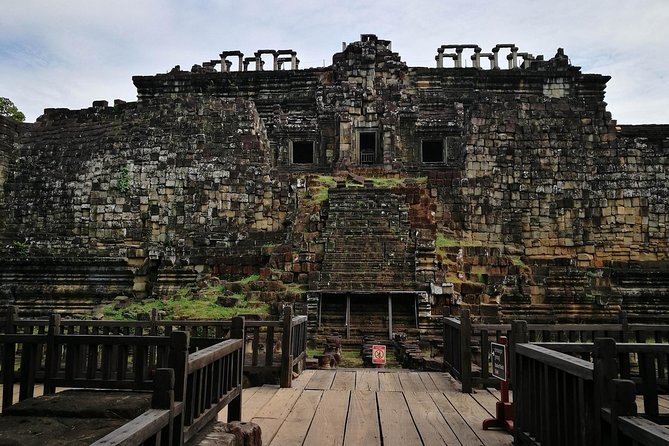
The final stop is Phnom Bakheng, with about two hours allocated for the mountain and sunset. You hike up to the temple for a high view over the surrounding area.
This ending is visually appealing, but it is also the day’s main physical challenge. By this point, you may already have spent hours walking through temples. The uphill route and temple ascent can make the final stop tiring, so save some energy rather than treating the entire day as a race.
The extra time allows for the walk, the visit to the temple, and sunset viewing. Still, sunset conditions are never guaranteed, and the experience depends on the weather and how busy the site is that day. The useful point is that the tour does not simply drop you at a viewpoint and hurry away. It gives the final stop a substantial place in the schedule.
If the climb is a concern, ask about the exact walking conditions before you go. The supplied information describes a hike and ascent, so this is not the best choice for anyone seeking a completely low-effort temple day.
What the $63 price really covers
The $63 tour price includes the guide, driver, hotel pickup and drop-off, air-conditioned transport, cool water, and a wet towel. It does not include the one-day temple pass, which costs $37 per person. Meals are also separate.
That means you should budget at least $100 per person before food. The tour’s value comes from having transport and a private guide for a long route through the main Angkor sights. You are paying for structure and explanation, not just a ride to the temples.
The private setup is useful for couples, families, or small groups who want to move at their own pace. Group discounts are mentioned, although the activity itself is described as private, so ask how any discount applies to your party size.
The guide is central to the value. Clear English, historical explanation, photo help, and practical advice can turn a long day of ruins into a more understandable experience. Feedback about Sok and Mr. Lucky points to those strengths, including good timing, friendly conversation, and help finding strong photo positions.
Who should book this tour
I would choose this tour if you have only one full day for Angkor and want the major names covered in a single route. It suits first-time visitors who want Angkor Wat, Ta Prohm, Bayon, Baphuon, the royal terraces, and a sunset viewpoint without arranging separate transport.
It is also a good fit if you want a guide who can explain Cambodian history rather than simply drive you between gates. The private format gives you a better chance to ask questions and request a little more time at a favorite site.
I would think twice if you dislike long days, stairs, heat, or a firm sightseeing schedule. The final climb at Phnom Bakheng comes after many hours outside, and the full temple pass is an added cost. If sunrise is essential, confirm the pickup time because the stated 8:00 a.m. start does not clearly support an early sunrise visit.
Should you book it?
Book this tour if your priority is maximum Angkor coverage in one day, with private transport and an English-speaking guide. Its best features are the wide range of temples, the quiet Ta Nei stop, the strong photography opportunities, and the chance to finish with Phnom Bakheng sunset.
Skip it if you want a slow, temple-by-temple day or if a steep final walk sounds unpleasant. Before paying, confirm the sunrise departure, check the total cost with the $37 pass and meals, and ask whether you can request Sok or Mr. Lucky as your guide.
FAQ
What is included in the tour price?
The tour includes a licensed English-speaking guide, hotel pickup and drop-off, an air-conditioned vehicle with driver, cool water, and a cool wet towel.
Does the tour include the Angkor temple pass?
No. The one-day temple pass costs $37 per person and must be paid separately.
Are meals included?
No. Breakfast, lunch, and dinner are not included in the tour price.
How long does the tour last?
The experience lasts approximately 8 to 9 hours, depending on the day’s timing and stops.
What time does pickup begin?
The stated start time is 8:00 a.m., with pickup from your hotel or guest house. The schedule also mentions sunrise at Angkor Wat, so confirm the exact pickup time if you want to see sunrise.
Is this a private tour?
Yes. Only your group participates in the activity.
Which temples and sites are visited?
The route includes Angkor Wat, Ta Prohm, Ta Nei, the Victory Gate area of Angkor Thom, Bayon, Baphuon, the Terrace of the Elephants, the Terrace of the Leper King, and Phnom Bakheng.
Is there a hike during the tour?
Yes. The Phnom Bakheng visit includes a hike up the mountain and an ascent to the temple for sunset views.
Can I cancel for a full refund?
Yes. You can cancel at least 24 hours before the experience start time for a full refund. Cancellations or changes made less than 24 hours before the start time are not accepted for a refund.
Just added around Siem Reap
- Twilight Tastes of Siem Reap Include Dinner★ 5.0 · 13 reviews
- Ultimate Sunrise to Angkor Wat, Angkor Thom and Bayon Temple★ 5.0 · 3 reviews
- Trekking Tour at Phnom Kulen National Park from Siem Reap★ 5.0 · 3 reviews
- Professional Photo Shoot in Angkor Archaeological Park, Siem Reap★ 5.0 · 42 reviews
- Full-Day Private Tour of Angkor Wat with Pick Up★ 5.0 · 12 reviews
- Unveiling 2 Days Private Angkor Wat/Beyond In Sunrise/Sunset Tour★ 5.0 · 48 reviews
- Siem Reap City Tour with War Museum and Killing Field★ 5.0 · 27 reviews
- Private Day Trip to Angkor Temples with Expert Guide★ 5.0 · 4 reviews
Sunset Tours, compared.
Angkor Wat Sunrise or Sunset Tour with Guide from Siem Reap
Read our review →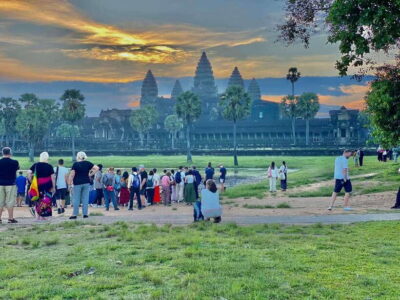
Angkor Wat: Small-Group Sunrise or Sunset Tour
Read our review →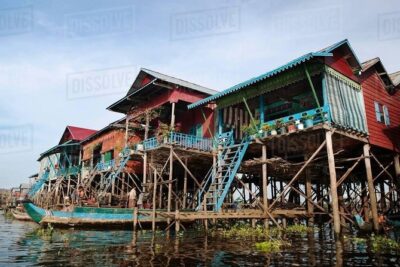
Sunset tour of Kampong Phluk stilts home village on the Tonle Sap
Read our review →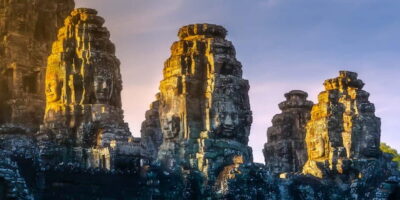
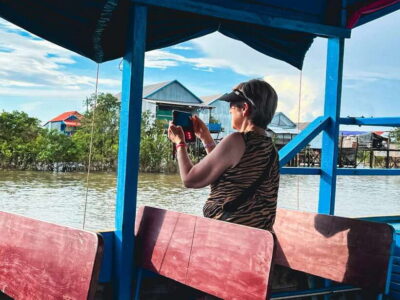
Siem Reap Floating Village Kampong Phluk Sunset with Boat
Read our review →
Kompong Phluk Floating Village Half-Day Tour ( Morning / Sunset )
Read our review →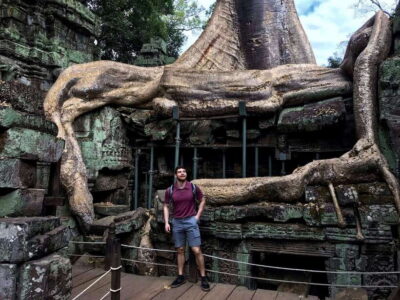
Full Day Angkor Wat Temple Experience with Sunset
Read our review →
Tuk-Tuk, Bamboo Train, Killing/Bat Caves, Sunset
Read our review →Browse the lists this tour appears in