
Reviewed · NATIONAL PARKS
Phnom Penh & Kirirom National Park Birds Tour
The best part of this two-day trip is the change of scenery. You leave Phnom Penh before sunrise, cross the Mekong by ferry, and trade city streets for lotus fields, rice paddies, woodland, and Kirirom’s tropical forest. The bird list is broad, from Cambodian Tailorbird and Oriental Pratincole to White-rumped Shama and Greater Racket-tailed Drongo.
I like the small group limit of eight, which gives you a better chance to hear calls and follow a guide’s pointing hand without a crowd. I also like the range of habitats, plus the chance to work with Thong, a bird guide who speaks good English and can locate birds by their calls.
The main drawback is the early start and long birding days, each about nine hours. Conditions can be humid, rain showers are possible, and some species are tricky to find, so this is a focused nature trip rather than a relaxed countryside outing.
Key points before you book
- A 5:30 a.m. departure: You need to be ready early for the best morning bird activity.
- Two very different settings: Day one covers wetlands, lotus fields, cultivation, and rice country. Day two moves into Kirirom’s forest.
- Up to 50 to 80 species: The possible list includes Cambodian Tailorbird, Blue-bearded Bee-eater, Chinese Francolin, Forest Wagtail, and Mountain Imperial-pigeon.
- A practical overnight stop: One night at Chambok Community Based Ecotourism is included, along with two breakfasts and two lunches.
- Good for serious beginners: Birding is rated moderate, with some difficult species, but Thong can identify birds by sound and explain what you are seeing.
- The cost covers the basics: The $350 price includes the guide, local guide, vehicle, meals listed, and homestay, but not the Chambok fee, dinner, tips, insurance, or personal costs.
Leaving Phnom Penh before sunrise
The day begins at 5:30 a.m., when the city is still quiet and the heat has not built up. That early hour is not just a scheduling detail. Birds are usually easier to find and hear in the morning, and the cooler air makes the first part of the day more comfortable.
You travel in an air-conditioned vehicle, with pickup offered, and make a ferry crossing over the Mekong on the way to the first birding area. The crossing gives the trip a distinctly Cambodian start. You are not simply being driven to a reserve on a sealed road. The route connects city life with working countryside.
The group can reach a maximum of eight people. That is a useful limit for birding, where a large group can scatter birds before everyone has seen them. A smaller party also makes it easier to ask questions, compare sightings, and move at the guide’s pace.
You should still prepare for a full day. Day one lasts about nine hours, and this is not a quick stop with a short walk and a few tame birds. Bring water, sun protection, comfortable walking shoes, and a camera or binoculars if you have them. The supplied information does not specify equipment rental, so do not count on binoculars or a camera being provided.
More national park days near Phnom Penh:
- Kirirom National Park Private Day Tour from Phnom Penh
★ 5.0 · 4 reviews - Kampot Day Tour “Bokor National Park”
★ 5.0 · 82 reviews - Phnom Kulen Waterfall National Park from Siem Reap
★ 4.5 · 79 reviews
Lotus fields, paddies, and open-country birds
The first main setting is a natural lake where local farmers grow lotus, rice, and other vegetables. This is one of the most appealing parts of the trip because the birds are found among working farms rather than in a tightly managed attraction.
The habitat changes as you move through lotus fields, rice fields, cultivation, and woodland. That variety matters. Open wet areas can produce different birds from shaded trees, and farmland edges often add species that you would not see in lowland forest.
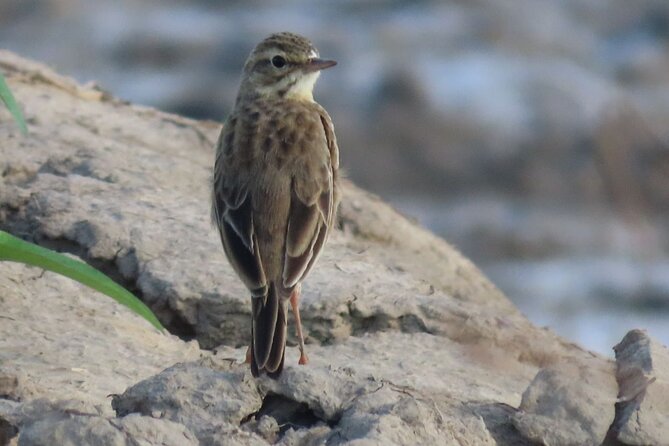
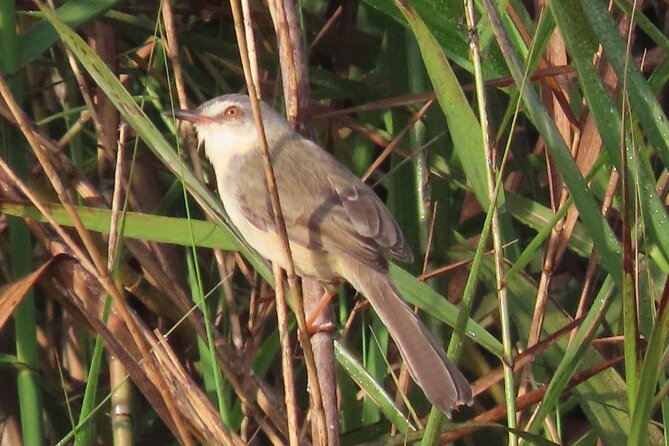
The possible sightings here include the Cambodian Tailorbird, Oriental Pratincole, Brown Shrike, Collared Kingfisher, Asian Brown Flycatcher, Green Bee-eater, Grey-headed Canary-flycatcher, and Blue-eared Barbet. The list also includes Black-naped Oriole, Ashy Drongo, and Dark-necked Tailorbird.
Some names may be familiar to experienced birders, while others will be new to anyone starting out. The Cambodian Tailorbird is a particularly appealing target for a Cambodia-focused trip, since it gives the day a clear local character rather than making this a generic Southeast Asian bird list.
The open habitats can also be better for photography than dense forest. Birds may be easier to spot against the sky, in reeds, around lotus plants, or along field edges. Still, good photo chances do not mean guaranteed close views. Some species stay low or move quickly, and the tour notes warn that several birds can be difficult to find.
Breakfast is included, and an early meal is welcome after the morning start. Two breakfasts and two lunches are part of the package, but dinner is not included. Check the exact plan for the evening meal before departure, especially since the overnight stop is in a community ecotourism setting rather than a city hotel.
Staying overnight at Chambok Community Based Ecotourism
The overnight stop is at a homestay in Chambok Community Based Ecotourism. This makes the trip feel more connected to rural Cambodia than a two-day tour that returns to Phnom Penh after every outing.
You should think of the homestay as a practical base, not a luxury hotel. The important value is location and local contact. You sleep near the next day’s route, avoid another late transfer back to the city, and support a community-based tourism operation.
A $7 fee for Chambok Ecotourism Community is not included. Dinner is also listed among the exclusions, while breakfast and lunch are included. Personal expenses, tips, and travel insurance are separate as well. These costs are modest compared with the total price, but you should carry enough cash and clarify the dinner arrangements before setting out.
The homestay also breaks up the long travel day. After nine hours of birding and transport, you may be ready for a simple evening rather than more sightseeing. The experience is best for people who value rural access and early starts more than polished accommodation.
Sunrise in Kirirom National Park
Day two begins with sunrise birdwatching in Kirirom National Park. The pace is described as easy, but the overall activity level is moderate, so you should be comfortable walking for a good part of the morning and spending extended periods outdoors.
Kirirom brings a different set of conditions from the lake and farmland. Here the focus is lowland broad-leaved and tropical moist forest. The trees, shade, and thicker cover can produce rewarding sightings, but they can also make birds harder to photograph and identify.
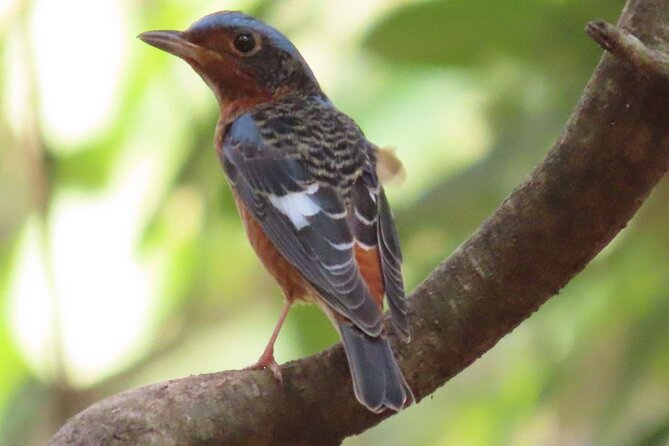
The target list includes Greater Racket-tailed Drongo, Forest Wagtail, White-rumped Shama, Red-whiskered Bulbul, Puff-throated Babbler, White-crested Laughingthrush, White-throated Rock Thrush, and Common Flameback. Mountain Imperial-pigeon is another notable possibility.
This is where a good guide matters. Thong has been described as locating many birds by following their calls, a skill that can make a large difference in forest birding. You may hear a bird before you see it, and the guide’s ability to narrow down the source can turn a vague sound into a useful sighting.
Kirirom is also the part of the tour most likely to test your patience. Forest species can remain hidden, appear briefly, or call from several directions. You may leave with a strong list of sounds and partial views rather than a perfect photograph of every bird. That is normal for this type of outing, and the tour is more rewarding if you enjoy the search itself.
A few more Phnom Penh half-days worth weighing up
- The Killing Field and Toul Sleng Genocide Museum (S21) Tour
★ 5.0 · 1,977 reviews - Phnom Penh: Sunset Cruise with Unlimited Beers & BBQ Buffet
★ 4.5 · 727 reviews - Aroma Therapy Massage, Relaxation therapeutic aromatherapy oil massages.
★ 5.0 · 645 reviews - Killing field and Toul Sleng genocide museum Tour
★ 5.0 · 610 reviews
What you might see across the two days
The expected total is about 50 to 80 species, depending on weather, season, habitat, and luck. That range is wide enough to keep the outing interesting without promising a fixed score.
The bird list includes:
- Cambodian Tailorbird
- Oriental Pratincole
- Brown Shrike
- Collared Kingfisher
- Asian Brown Flycatcher
- Green Bee-eater
- Grey-headed Canary-flycatcher
- Blue-bearded Bee-eater
- White-throated Rock Thrush
- Ashy Drongo
- Chinese Francolin
- Common Flameback
- Black-naped Oriole
- Greater Racket-tailed Drongo
- Forest Wagtail
- White-rumped Shama
- Red-whiskered Bulbul
- Puff-throated Babbler
- White-crested Laughingthrush
- Dark-necked Tailorbird
- Blue-eared Barbet
- Black-naped Monarch
- Mountain Imperial-pigeon
This is a useful mix of open-country, wetland, woodland, and forest birds. It also includes several birds that are visually striking, such as bee-eaters and kingfishers, along with species that reward careful listening, including babblers, tailorbirds, and drongos.
If you are a beginner, do not worry about memorizing the whole list before you arrive. The practical advantage of a local bird guide is that you can concentrate on finding birds in real time, then note names and features as you go.
Guide support and the pace of birding
Thong is the key guide named for this experience. He speaks good English, has a strong interest in birds, and can use calls to help locate species. A local guide also adds useful context to the farmland and community areas, where the surroundings are part of the experience rather than simple scenery between birding stops.
The pace is described as easy at Kirirom, but the full outing is still moderate. You may spend time standing quietly, walking along uneven paths, and waiting for a bird to appear. That is manageable for most people with moderate fitness, but it is not ideal if you need frequent breaks or prefer a short, highly structured sightseeing program.
Photography is rated good. Open fields and lotus areas may offer the clearest opportunities, while forest birds can be harder to frame. A long lens, spare batteries, and protection from occasional rain would be sensible, though equipment is not included in the tour details.
The climate is humid in the lowlands, with occasional rain showers. Wear light clothing that dries quickly, but bring a rain layer. Early mornings may feel more comfortable than the afternoon, yet the heat and humidity can catch you later in the day.
Is $350 a fair price?
The price is $350 per person for about two days. That is not a budget sightseeing excursion, but the comparison should include what is covered.
You receive an English-speaking bird guide and local guide, an air-conditioned vehicle, one night at the Chambok homestay, two lunches, and two breakfasts. Pickup is offered, and group discounts may be available. The group cap of eight also gives the price more value than a large coach outing would provide.
The fee does not cover the Chambok entrance charge listed at $7, dinner, tips, personal expenses, or travel insurance. Those additions do not change the overall character of the deal, but they should be part of your calculation.
I see the strongest value in the access and guiding. You are paying for two contrasting birding areas, a cross-Mekong route, a community homestay, transport, and a specialist guide who can work from bird calls. If your goal is only to see a few common birds near Phnom Penh, the price may feel high. If you want a focused introduction to Cambodia’s birds with time in both wetland and forest habitats, it is easier to justify.
Who should book this trip?
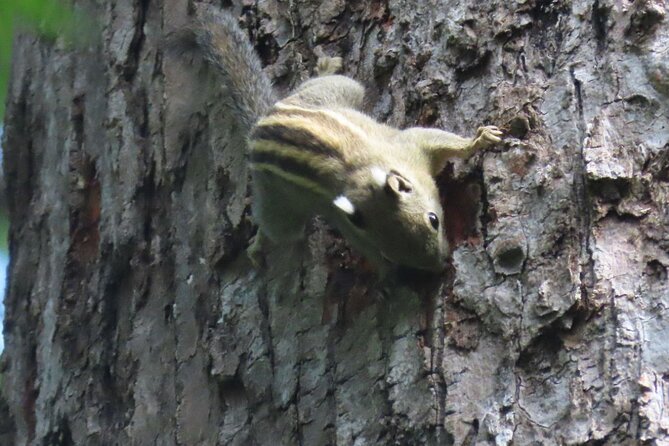
I would recommend it to birders who want a compact introduction to Cambodian habitats without arranging transport, accommodation, and guides separately. It also suits beginners who want help identifying birds and learning how calls lead you to hidden species.
The tour is a good match for photographers who accept that some pictures will be quick or distant. Open-country birds may cooperate better than forest species, and the overall value comes from variety rather than guaranteed close-ups.
You should think twice if you dislike early mornings, humid weather, long outdoor days, or simple rural lodging. The experience also requires patience. Some difficult species may be heard but not clearly seen, and no birding guide can control weather or wildlife behavior.
Free cancellation is available up to 24 hours before the start time. If poor weather causes cancellation, you can receive a different date or a full refund. The same applies if the minimum number of participants is not reached. Changes or cancellations within 24 hours are not refundable.
Should you book the Phnom Penh and Kirirom bird tour?
Book it if you want more than a city break and are willing to trade comfort for access to real countryside. The ferry crossing, lotus lake, rice fields, Chambok homestay, and Kirirom forest give you a useful slice of Cambodia in only two days.
The strongest reason to choose this trip is Thong’s call-based bird finding, backed by a small group and a varied route. The strongest reason to skip it is the demanding schedule. For a keen beginner or an experienced birder with limited time, I think the balance is good. For a casual visitor looking for a slow, easy excursion, a shorter outing may suit you better.
FAQ
What time does the tour start?
The tour starts at 5:30 a.m.
How long does the tour last?
The tour lasts about two days. Each listed day includes about nine hours of activity.
Where does the tour take place?
It begins from Phnom Penh and includes a Mekong River ferry crossing, Chambok Community Based Ecotourism, and Kirirom National Park.
How many people can join the tour?
The maximum group size is eight people.
What birds might I see?
Possible species include Cambodian Tailorbird, Oriental Pratincole, Collared Kingfisher, Green Bee-eater, Blue-bearded Bee-eater, White-rumped Shama, Red-whiskered Bulbul, Common Flameback, Greater Racket-tailed Drongo, and Mountain Imperial-pigeon.
How many bird species might be seen?
The expected range is about 50 to 80 species.
What habitats are included?
The tour covers lotus fields, woodland, cultivation, rice fields, lowland broad-leaved forest, and tropical moist forest.
What meals are included?
Two lunches and two breakfasts are included. Dinner is not included.
Is the Chambok entrance fee included?
No. The listed Chambok Ecotourism Community fee is $7 and is not included.
Is the tour suitable for all fitness levels?
The tour requires a moderate level of physical fitness. The birding pace at Kirirom is described as easy, but the days are long and include outdoor walking.
What happens if bad weather cancels the tour?
If poor weather causes cancellation, you will be offered another date or a full refund.
Just added around Phnom Penh
- Exploring the Best of Phnom Penh: A Full Day Tour★ 4.5 · 9 reviews
- Private Transfer : Phnom Penh ↔ Sihanouk Ville★ 5.0 · 15 reviews
- War Museum, Killing Field, and APOPO Hero RATs Tour★ 5.0 · 7 reviews
- Phnom Penh Intercity★ 4.5 · 11 reviews
- Phnom Penh Nightlife Street Food Tours★ 4.5 · 14 reviews
- War Museum, Killing Field and Floating Village ( Kampong Phluk)★ 4.5 · 6 reviews
- War Museum, Killing Field and Floating village ( Chong Kneas) Tour★ 5.0 · 14 reviews
- The killing field and Toul Sleng Genocide museum (S21) Tour★ 4.5 · 19 reviews
National Parks, compared.
Phnom Kulen Waterfall National Park from Siem Reap
Read our review →

Jungle Trekking Tour at Phnom Kulen National Park from Siem Reap
Read our review →
Angkor Wat Private 2 day tour including National Park Phnom Kulen
Read our review →
Exploring Bokor National Park Full-Day Tour from Sihanoukville
Read our review →
Unveiling the Mystical Beauty of Phnom Kulen National Park
Read our review →Browse the lists this tour appears in