
Reviewed · KILLING FIELDS TOURS
The Killing Field and Toul Sleng Genocide Museum (S21) Tour
Phnom Penh’s Killing Fields and S21 tour puts Cambodia’s darkest modern chapter into two difficult but necessary visits: Choeung Ek, where victims were killed, and Tuol Sleng, the former prison known as S21. I like the clear two-site sequence and the fact that an English-speaking guide provides context before you enter each place. I also like the hotel pickup and air-conditioned transport, a real help in Phnom Penh’s heat.
The subject is painful, and the quality of the day depends heavily on your guide. Most guides, including Visal, Sum Cheath, Cheath, and Moon, are described as warm, clear, and respectful, but a few visitors found the presentation rushed, too graphic, or too forceful. Go ready for an emotional morning or afternoon, not a light sightseeing outing.
Key points to know before booking
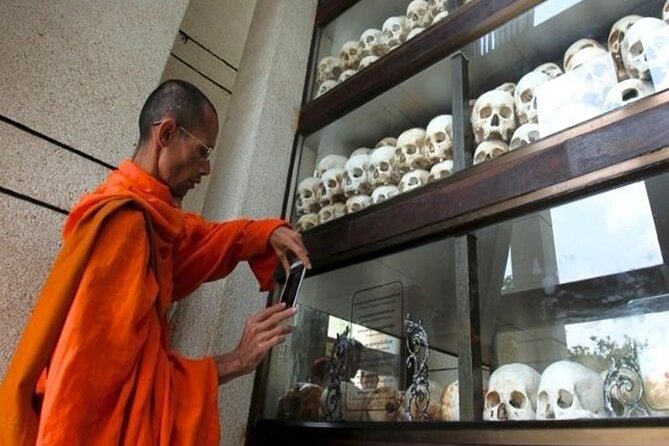
- Two sites explain different parts of the same tragedy: Choeung Ek is the killing site, while Tuol Sleng shows the prison system that fed it.
- Entry fees cost an extra $8: Choeung Ek is $3 and Tuol Sleng is $5, payable separately from the tour price.
- The guide shapes the experience: Visal, Sum Cheath, Cheath, Moon, and Mr Baboon receive especially warm praise for clarity and compassion.
- You get about four hours door to door: The plan allows roughly two hours at each stop, plus transfers.
- Hotel pickup and return transport are included: You ride in an air-conditioned vehicle and receive cold water.
- Bring emotional as well as practical preparation: Some explanations can be graphic, and one stop may feel rushed if you want to read every display.
Why these two sites belong together
A visit to only one of these places gives you an incomplete picture. Choeung Ek shows the final stage of the Khmer Rouge killing system. Tuol Sleng shows how people were imprisoned, questioned, tortured, and recorded before many were taken away.
The tour covers Cambodia from 1975 to 1979, the period of Pol Pot and the Khmer Rouge. Your guide explains the political setting, the loss of life, and the effect these years still have on Cambodian families and society. That background matters because the sites themselves can be hard to interpret without help.
I like the order of the visit. Starting at Choeung Ek gives you a quiet setting in which to absorb the scale of what happened. Tuol Sleng then gives the story a more personal and institutional face through the former prison buildings and their displays.
This is not a tour built around spectacle. It asks you to listen, observe, and allow time for silence. Some guides share family experiences, which can make the subject feel less like a textbook chapter and more like a living memory. Moon, for example, has been praised for explaining her family’s experience and Cambodia’s desire for peace.
More Museums in Phnom Penh
- Killing field and Toul Sleng genocide museum Tour
★ 5.0 · 610 reviews - Private Half Day To Killing Field & S21 Genocidal Museum in Phnom Penh
★ 5.0 · 137 reviews - Tuol Sleng Genocide Museum (S-21) and Choeung Ek Killing Fields Tour
★ 5.0 · 123 reviews
Choeung Ek: a quiet place with a heavy story
The first stop usually receives about two hours. Choeung Ek is outside the central sightseeing area, so the included vehicle saves you the work of arranging transport and negotiating a return journey.
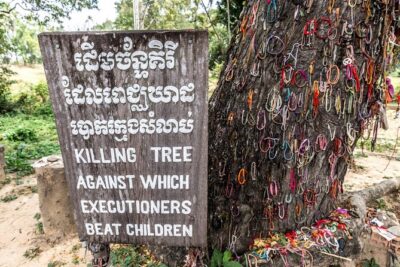
The site is known as the Killing Fields because people were brought here and murdered during the Khmer Rouge period. Your guide explains what happened between 1975 and 1979 and helps you understand the relationship between Choeung Ek and S21.
The setting may feel surprisingly calm. That contrast is part of what makes the visit so difficult. You are not entering a conventional museum filled with objects and labels. You are walking through a place connected directly to mass death, with the guide’s explanation providing much of the structure.
Allow yourself time to pause. You do not need to fill every moment with questions or photographs. The strongest part of this stop may be the chance to listen, look around, and think about the human cost behind the historical dates.
Cold water is provided during the transport, which is a small but useful touch in Phnom Penh’s heat. Wear comfortable shoes and bring sun protection, though the supplied information does not promise shade or a particular dress code. You should also carry cash for the $3 admission fee.
Some guides explain the methods of killing in considerable detail. One person found the account too graphic, while another felt the guide was too pushy about following the group. If you know that detailed descriptions will be especially upsetting, tell your guide early and step back when needed.
Tuol Sleng S21: the prison behind the names
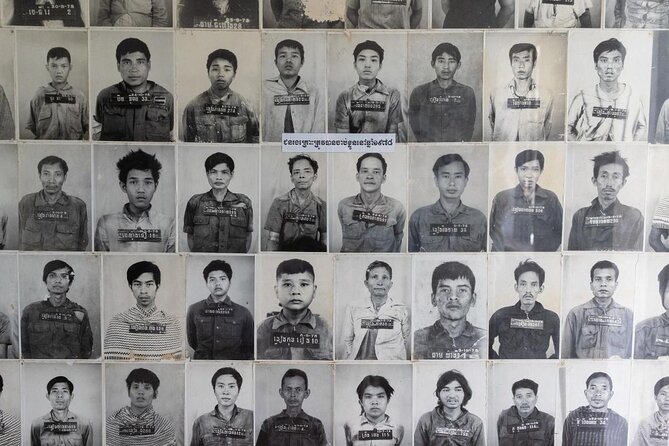
The second stop is Tuol Sleng Genocide Museum, also called S21. You receive about two hours here, again with a guide. This former school was used as a prison under the Khmer Rouge, and the site gives you a more direct sense of how the regime documented and controlled its victims.
The museum can require more reading than the schedule allows. One practical drawback is that you may feel rushed if you want to study every panel or display. Your guide’s spoken explanation helps you cover the main story, but you may not have enough time to read everything at your own pace.
This is where a good guide makes a major difference. Sum Cheath has been praised for giving useful background on the way to both locations while leaving room for reflection. Visal is also frequently singled out for strong English, careful organization, and a heartfelt presentation. Cheath is described as explaining the subject without making it feel unnecessarily heavy.
The best guides do not simply recite dates. They explain how S21 fits into the wider system and answer questions in plain language. The weaker approach, noted in some experiences, is to talk too little, use a phone during questions, or lecture without allowing enough space for independent viewing.
You will not use the site’s audio guide as part of this organized visit. Instead, your guide accompanies the group. That is useful if you want to ask questions, though it means you have less control over the pace than you would with an independent audio visit.
Four hours, with pickup and return included
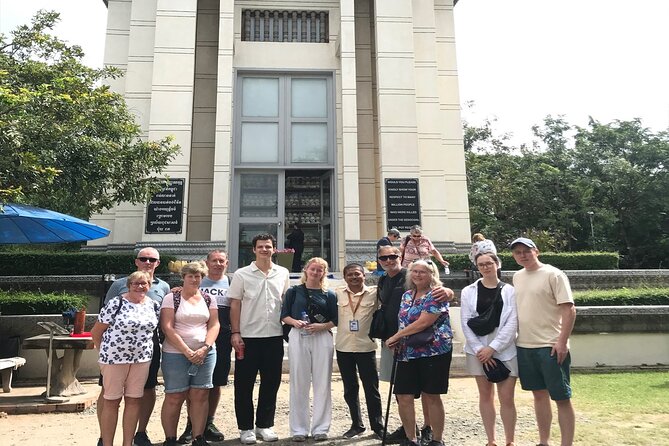
The advertised duration is about four hours, with a morning or afternoon departure. Hotel pickup and return transport are included, along with an English-speaking guide, driver, air conditioning, and cool water.
The meeting information also gives Grand River Sports Bar at 178 Corner Sisovat Quay, Riverside Path, Phnom Penh, as the start point, with the activity ending back at the meeting point. Since the tour also says hotel pickup is offered, confirm your precise pickup arrangement after booking. That small check can prevent confusion on the day.
Pickup can involve collecting several people, so the first part of the journey may be quiet or focused on logistics. One account found that the guides did not explain the plan until the final pickup had been completed. Once everyone was aboard, the guide gave a clearer introduction.
The maximum group size is listed as 50, though one group was reported at about 15 people. Your actual number may vary. A smaller group makes questions and pacing easier, while a full vehicle can make the experience feel more like a scheduled group outing.
The air-conditioned vehicle is valuable here. Phnom Penh can be hot, and the two sites require concentration rather than the distraction of worrying about transport. Infant seats are available, and the museums are described as accessible to wheelchairs and strollers. Most people can participate, and service animals are allowed.
More ways to understand the Khmer Rouge years:
- Visit 11 Places in One Day including S21 & Killing Field
★ 5.0 · 361 reviews - Killing Fields and Prison S21 Bus Tour
★ 4.0 · 206 reviews - Phnom Penh City Tour, Silver Pagoda, Genocide Museum, Killing Fields
★ 5.0 · 123 reviews - A Full Day Tour for Royal Palace, S21, Killing Fields & More
★ 5.0 · 115 reviews
What the $19.20 price really covers
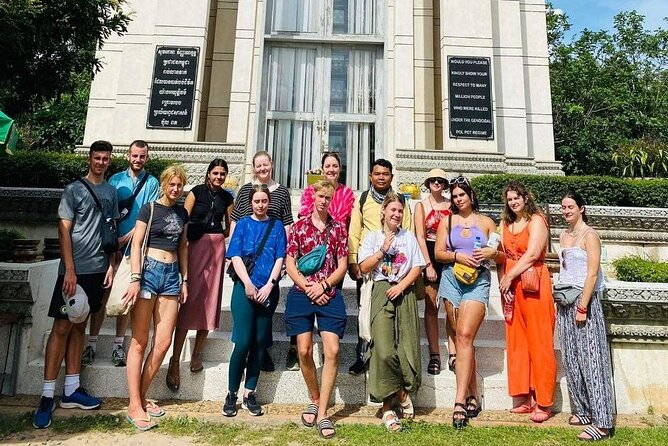
At $19.20 per person, this is a low-cost way to combine both major genocide sites with transport and a guide. The advertised price does not include admission, so add $3 for Choeung Ek and $5 for Tuol Sleng. That brings the basic cost to $27.20 per person before tips or personal spending.
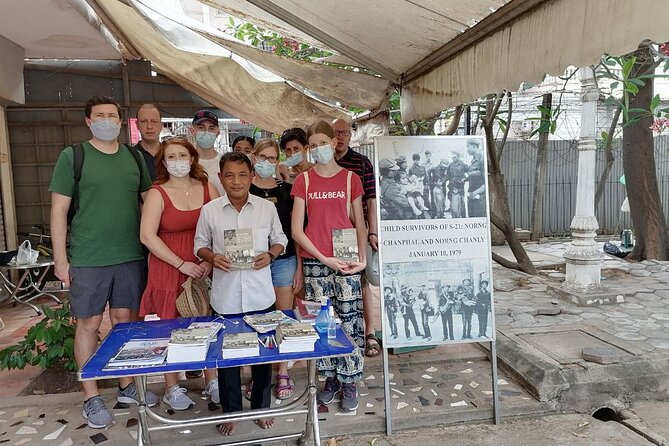
Carry cash. The entry charges are separate, and you may also want money for books written by survivors. These have been available for about $10 each. The information provided does not specify a payment method for the entrance fees, so cash is the sensible choice.
You should also budget for a tip if your guide has done a good job. Tipping is not included. Personal expenses are extra as well.
The value is strongest if you want a simple half-day plan. You avoid arranging two rides, finding the sites yourself, and trying to connect the historical details. A self-guided visit may give you more time at each museum, but this tour gives you a driver, air conditioning, and a person who can explain the connection between the locations.
The guides make or break the day
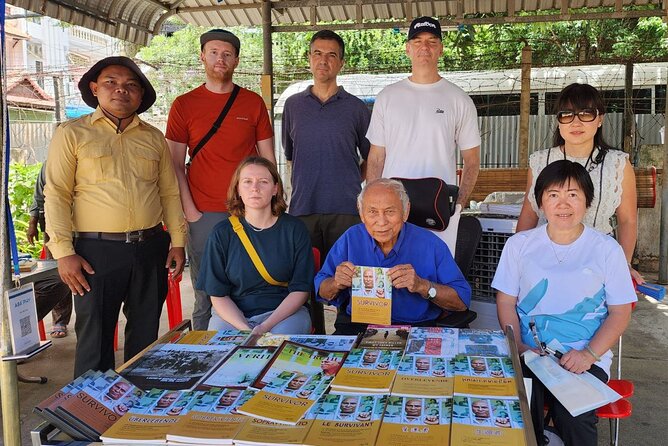
This tour has received very high marks overall, but the spread of comments shows why you should keep expectations realistic. Guides are not interchangeable.
Visal is praised for clear English, organization, and a thoughtful approach to a difficult subject. Sum Cheath receives repeated approval for his historical explanations, warmth, and ability to balance information with time alone. Cheath is described as friendly, engaging, and skilled at making the period understandable without becoming theatrical.
Moon brings personal family experience into her explanation, which can provide a powerful sense of how the genocide affected Cambodian society. Mr Baboon is also praised for giving historical context and sharing a personal connection to the war and its aftermath.
There are less positive possibilities. One guide reportedly used offensive language in front of teenagers and criticized clothing. Another was seen as too pushy and unwilling to let the group explore independently. A separate account found the presentation too detailed in describing torture and killing.
That range does not make the tour a poor choice, but it does matter. If you need a gentle presentation, say so. If you want time to read independently, ask where you can separate briefly from the group. A respectful guide should be able to adjust the level of detail and give you room to process.
Preparing for a difficult afternoon or morning
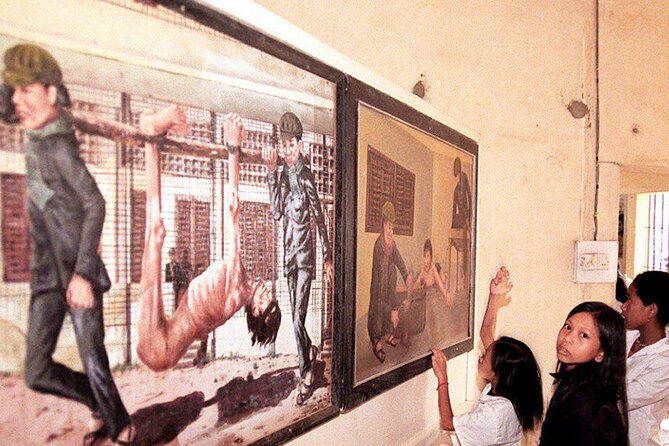
This is an important visit, but it is not an easy one. You may hear about torture, imprisonment, executions, and the loss of entire families. You may also encounter survivor books or personal accounts that add another emotional layer.
Do not schedule a demanding activity immediately afterward if you think you will need quiet time. The tour returns you to your hotel or meeting point, but it does not include a formal debrief or rest period.
Wear practical clothing and comfortable shoes. The supplied information does not list a strict dress rule, though one guide reportedly raised the issue of attire. To avoid an awkward conversation, choose respectful clothing that covers shoulders and knees.
Bring water, though the operator provides cool water, and carry cash for admission and possible books. A mobile ticket is provided, and confirmation is received at booking.
The tour requires good weather. If poor weather causes cancellation, you are offered another date or a full refund. For a full refund after changing your plans, cancel at least 24 hours before the start time. Changes or cancellations inside that period are not accepted.
Who will get the most from this tour
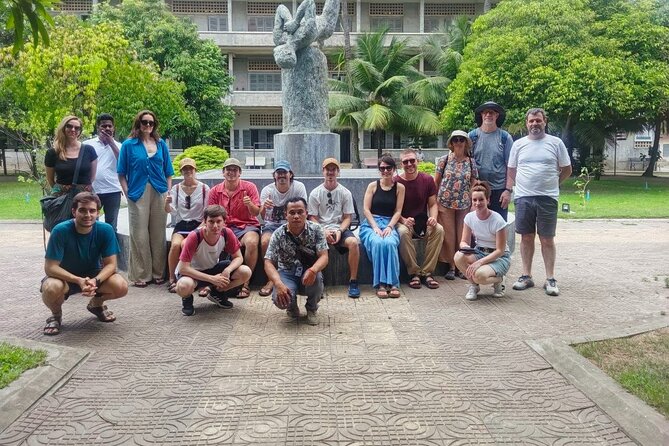
I would choose this tour if you want the two sites explained together and prefer not to arrange Phnom Penh transport yourself. It suits first-time visitors, history-minded people, and anyone who wants a guided introduction before exploring more of Cambodia.
It is also a practical choice if you have only half a day. The morning or afternoon option lets you fit the visits around other plans, though the emotional weight may affect what you feel like doing next.
You may prefer an independent visit if you want complete control over timing, need long periods to read, or dislike group movement. The museum visit can feel hurried for careful readers, and a full group may limit spontaneous questions.
Families can participate, but consider the age and sensitivity of younger children. The subject is severe, and some guides use graphic language. Infant seats are available, and strollers are supported at the museums, but physical accessibility does not make the content child-friendly by itself.
Should you book the Killing Fields and S21 tour?
Book it if you want context, transport, and both sites in one organized half-day. The price is fair even after adding the $8 entrance cost, especially when you include the vehicle, driver, guide, hotel pickup, return transport, and cold water.
Go with the right mindset. This is not a pleasant outing, and the best version depends on a respectful guide who knows when to explain and when to leave you quiet. Confirm your pickup point, bring cash, and tell the guide if you want less graphic detail or more independent viewing time.
For most people visiting Phnom Penh, I think the tour is worthwhile. It gives you a direct, sobering look at Cambodia’s recent past and helps you pay attention to the people behind the statistics.
FAQ
How long does the tour last?
The tour lasts approximately four hours, with about two hours planned at Choeung Ek and two hours at Tuol Sleng Genocide Museum.
Is hotel pickup included?
Yes. Hotel pickup and return transport are included, though the meeting information also lists Grand River Sports Bar at 178 Corner Sisovat Quay as a start and end point. Confirm the exact pickup arrangement after booking.
Are the entrance fees included in the price?
No. Choeung Ek costs $3 per person and Tuol Sleng Genocide Museum costs $5 per person.
How much are the total basic costs?
The tour price is $19.20 per person. Adding the two entrance fees brings the basic total to $27.20 per person, before tips and personal expenses.
Can I choose a morning or afternoon departure?
Yes. You can choose a morning or afternoon tour.
Is transportation air-conditioned?
Yes. The tour includes clean, air-conditioned transportation, a driver, and cool water.
Is the tour conducted in English?
Yes. A professional English-speaking guide is included.
Is the tour suitable for wheelchair and stroller users?
The museums are described as accessible to multiple wheelchair and stroller users. Infant seats are available, and most people can participate.
What is the cancellation policy?
You can cancel at least 24 hours before the start time for a full refund. Cancellations or changes made less than 24 hours before the start are not accepted. If poor weather causes cancellation, you are offered another date or a full refund.
Just added around Phnom Penh
- Exploring the Best of Phnom Penh: A Full Day Tour★ 4.5 · 9 reviews
- Private Transfer : Phnom Penh ↔ Sihanouk Ville★ 5.0 · 15 reviews
- War Museum, Killing Field, and APOPO Hero RATs Tour★ 5.0 · 7 reviews
- Phnom Penh Intercity★ 4.5 · 11 reviews
- Phnom Penh Nightlife Street Food Tours★ 4.5 · 14 reviews
- War Museum, Killing Field and Floating Village ( Kampong Phluk)★ 4.5 · 6 reviews
- War Museum, Killing Field and Floating village ( Chong Kneas) Tour★ 5.0 · 14 reviews
- Warm Stone Massage★ 5.0 · 23 reviews
Killing Fields Tours, compared.
Killing field and Toul Sleng genocide museum Tour
Read our review →
Visit 11 Places in One Day including S21 & Killing Field
Read our review →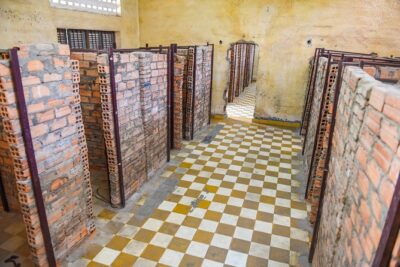
Private Half Day To Killing Field & S21 Genocidal Museum in Phnom Penh
Read our review →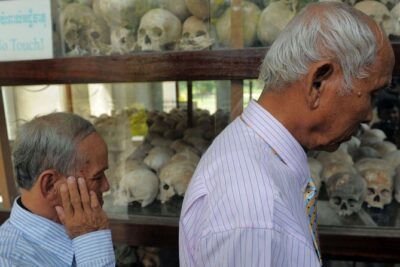
Tuol Sleng Genocide Museum (S-21) and Choeung Ek Killing Fields Tour
Read our review →
Phnom Penh City Tour, Silver Pagoda, Genocide Museum, Killing Fields
Read our review →City Highlights and the Killing Fields Day Tour
Read our review →
Full-Day Phnom Penh Sightseeing Tour & Killing Field
Read our review →Browse the lists this tour appears in