
Reviewed · SILK ISLAND TOURS
Silk Island & countryside of Phnom Penh by Tuk Tuk
The best part of this half-day trip is the simple crossing from Phnom Penh into a quieter world. You ride local ferries across the Mekong and nearby waterways, then bump along farm roads past bananas, mangoes, ginger, corn, rice, and lemongrass. The city fades quickly.
I like the family-run silk workshop, where you can see silk being spun and woven without a hard sales pitch. I also like the relaxed meal by the river, often with a hammock nearby and sunset light on the water. The main drawback is that this is real rural travel, not a polished attraction. Ferry rides, village stops, and the restaurant can feel basic, hot, dusty, or untidy.
Silk Island and Phnom Penh countryside: key points
- Local ferries carry you beyond the city: The crossing at the meeting point of the Mekong, Tonle Sap, and Bassac rivers is part of the experience, not just transport.
- Family workshops replace staged attractions: You visit small silk and bean-curd businesses where people work on a modest scale.
- The tuk-tuk is your countryside vehicle: Expect open-air views, warm air, farm roads, and occasional bumpy stretches.
- Food is part of the visit: Tropical fruit and a Khmer lunch or dinner are included, with vegetarian food available if requested.
- Guides shape the day: Guides named in guest accounts include Thong Chea, Sok Mon, Tida, Narith, Pi, and Thom.
- The trip suits curious, flexible people: You get close to daily life, but comfort and polish are not the main goals.
Leaving Phnom Penh by tuk-tuk and ferry
Phnom Penh can feel intense after a few days of traffic, horns, heat, and city streets. This outing gives you a quick change of pace without requiring a full day away. Pickup and drop-off at your hotel are included, using a tuk-tuk or minivan depending on group size.
The tuk-tuk ride is part of the appeal. You are not sealed behind glass, so you feel the air and see the city thin out as you approach the river. The vehicle is open to the surroundings, which makes the ride fun and scenic, though you should expect sun, road dust, and noise.
The first ferry crossing takes you over the Mekong near the confluence of the Mekong, Tonle Sap, and Bassac rivers. This is a working ferry service used by local people, not a sightseeing cruise. You may see tuk-tuks and other vehicles boarding, and the crossing gives you a fine first look at the broad river and the edges of Phnom Penh.
The ferry fee is included, along with a contribution to the villager. That small detail matters. You are using local transport and supporting the people who help keep the crossing running, rather than being moved from one tourist stop to another by private vehicle alone.
More Tuk-Tuk Tours in Phnom Penh
- Phnom Penh Silk Island Bike Tour/ E-Bike or Tuk Tuk
★ 5.0 · 495 reviews - Ultimate Phnom Penh Food Tour by Tuk Tuk: 20 Tastings and Drinks
★ 5.0 · 409 reviews - Phnom Penh’s Culinary Underground: Local Food Tour by Tuk-tuk
★ 5.0 · 234 reviews
Phsar Areyksat market and village streets
After the ferry, the route moves through local villages and includes a visit to a wet market. This is one of the better parts of the trip if you want to see how food enters daily Cambodian life. Expect ordinary market activity rather than a display arranged for visitors.
Your guide can explain what you are seeing, including food, farming, and village routines. The strongest guide experiences appear to come from people who treat the day as a conversation about Cambodia, not simply a series of stops. Guides such as Thong Chea and Sok Mon are named in guest accounts, while other departures have been led by Tida, Narith, Pi, or Thom.
The market and village walk also help you adjust to the slower rhythm of the islands. Roads may be narrow and surfaces uneven. The description calls this a walking tour, but the day also includes plenty of tuk-tuk travel, so it is not a long countryside hike.
Farms growing ginger, fruit, corn, and rice
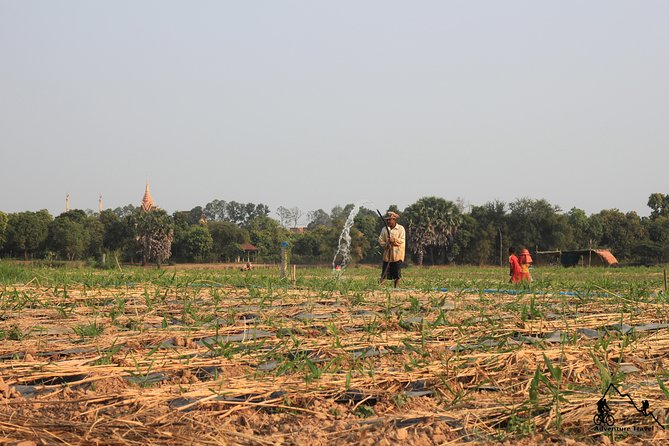
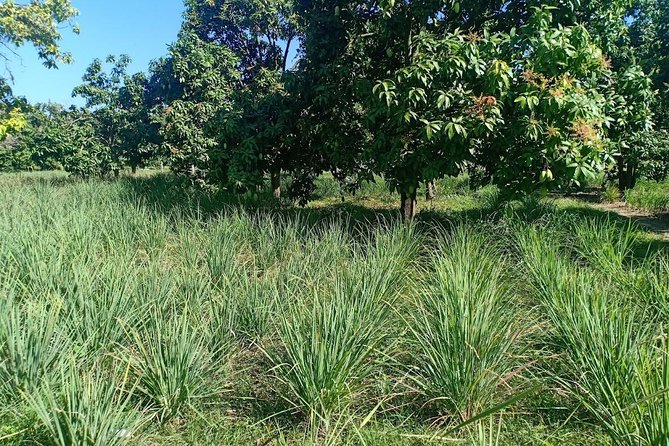
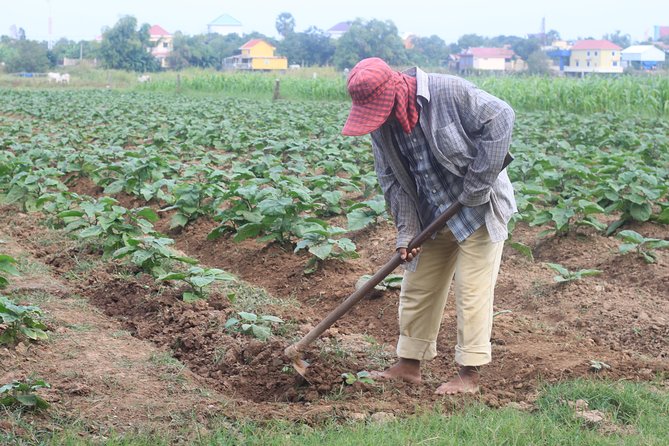
The ride through Silk Island and the nearby islands is more interesting when you pay attention to the crops. The route passes mango, banana, corn, lemongrass, ginger, taro, rice, and water-lily fields. These are not model farms built for inspection. They are working plots connected to family businesses and seasonal planting.
Your guide explains how families own and rotate fields and how crops change through the year. One especially nice detail is the chance to smell fresh ginger leaves. It is a small moment, but it turns a passing field into something you can understand through your senses.
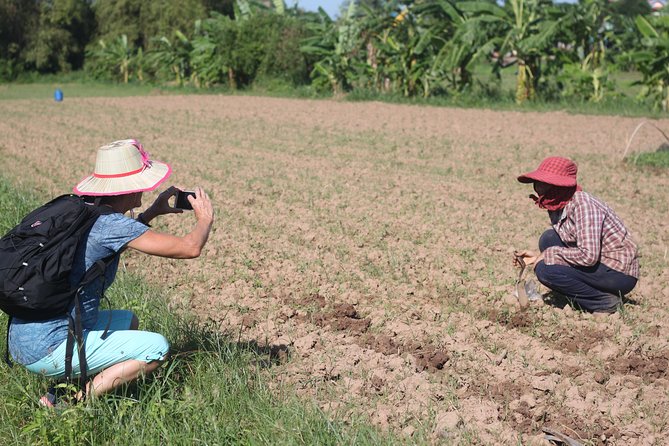
Be clear about what you are booking. The tour passes many farms, but you may not stop at every one or take part in farm work. The description says you can try your hand at farming at a local farm, while some accounts describe mainly riding past fields. If hands-on farm activity is important to you, ask the operator what is planned for your departure.
You also stop for tropical fruit. Depending on the day, this may include fruit offered by a local family. Some visitors received mangoes as a gift, which captures the informal nature of the outing. It feels more like being welcomed into a rural area than visiting a formal agricultural exhibit.
Sedge mats and the work behind Cambodian silk
One stop introduces sedge mat weaving, a traditional craft practiced by villagers along the Mekong. This adds useful contrast to the silk visit. Sedge mats are practical household items, and the work shows how local materials become goods through patient hand labor.
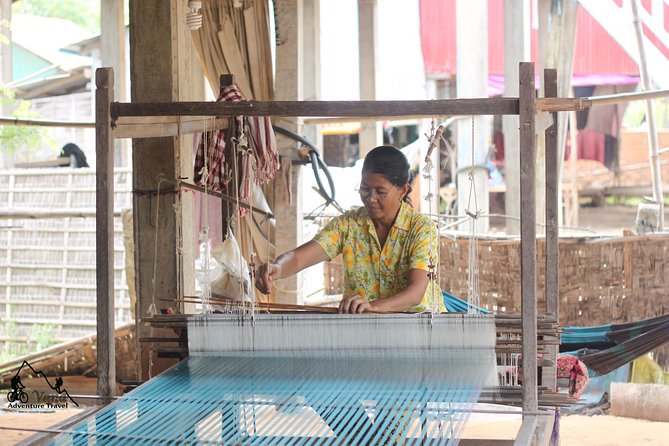
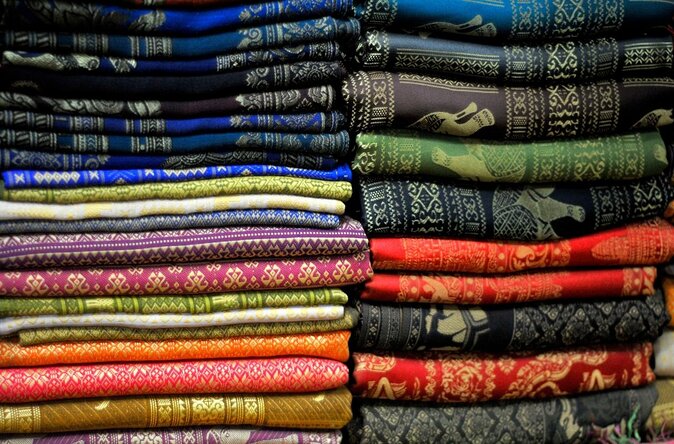
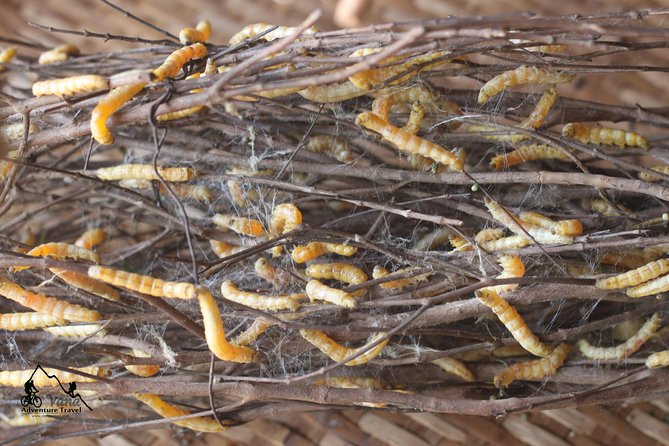
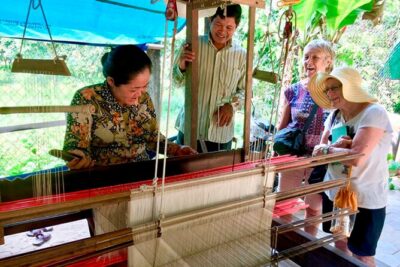
The silk workshop is the main cultural stop. It is a small, family-run operation, not a large commercial silk farm. You can see parts of the process from silkworm production and silk spinning to weaving scarves or sarongs. At some workshops, you may be able to try weaving yourself.
I like this stop because it gives you a better sense of the time and skill behind a finished silk product. The work is slow and precise, and a scarf that looks simple in a shop can represent many stages of labor.
Keep your expectations realistic. Some visitors felt the workshop was too modest or questioned how much production took place on site. Others found it low-key and educational, with no pressure to buy. The operator says the purpose is to observe local silk weaving, not to push shopping. You can purchase items if you want, but you should not feel required to do so.
More Silk Island and Mekong island trips:
- Silk Island Cycling Adventure & lunch with locals
★ 5.0 · 246 reviews - Phnom Penh Silk Island Vespa Tour / Tuk Tuk Available
★ 5.0 · 102 reviews - Mekong Silk Island Cruise – Unlimited Beer, Soft Drinks & Fresh Fruit Platter
★ 4.5 · 95 reviews - Phnom Penh: Silk Island Sunset Tour by Tuk Tuk
★ 5.0 · 21 reviews
Bean curd, local enterprise, and everyday food
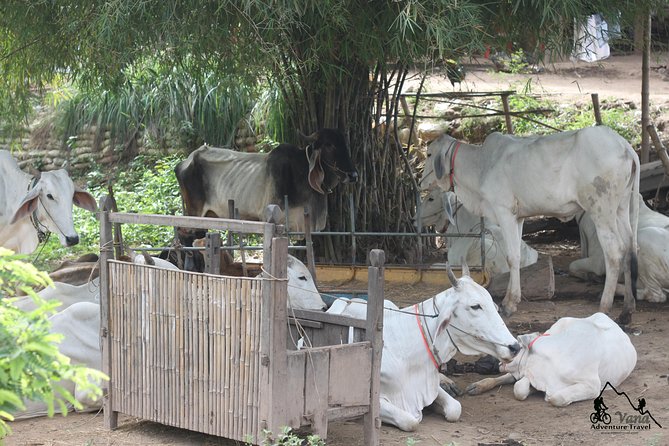
Another unusual stop is a small business making bean curd, a common ingredient in Cambodian soups and stir-fried noodles. The visit shows a different side of rural enterprise: not a craft made for display, but a food product prepared for local use.
You may see how the curd is made and taste some of it. This stop works well because it connects directly with the meal later in the day. Cambodian food is easier to understand when you have seen the ingredients and the work behind them.
The inclusion of small producers is one of the tour’s best ideas. You are not only looking at scenery. You are seeing how families earn money, process food, grow crops, and keep older crafts in use.
A quiet Buddhist monastery on the island
The route includes a Buddhist monastery or pagoda, sometimes described as a nun temple. The buildings may be brightly painted, and the stop gives you time to look at Cambodian religious art and learn about Buddhist practice.
This is not presented as a major temple complex with a long formal tour. It is a peaceful village stop. Your guide explains religion and local customs, and you should dress and behave respectfully.
The supplied information lists a formal dress code. At minimum, choose clothing that covers your shoulders and knees, especially for the monastery. Comfortable shoes are useful for village paths and temple grounds, but the tour does not require serious hiking.
Khmer food beside the Mekong
The included meal is either lunch or dinner, depending on the departure time. Morning tours may finish with lunch, while an early-evening outing can end with dinner and sunset beside the river.
The restaurant is a simple local place, and some meals take place on a floating dining area. That setting can be wonderfully calm, with river views and, according to one account, time to rest in a hammock after eating. The food is Khmer, and vegetarian options are available if you request them at booking.
This is also the part of the tour that needs the clearest warning. The restaurant is not polished. One serious complaint described dirty crockery, insects, and an unpleasant meal, while the operator acknowledged that ants and other insects can appear near the river and farmland, especially in the evening.
I would not book this outing expecting air-conditioning, spotless table service, or a carefully designed menu. I would book it if you are comfortable with a simple local meal in an open setting. Food quality can vary, and the operator includes drinks and food ordered as part of the tour, while alcoholic drinks are extra.
The guide and tuk-tuk driver may eat with you. That can feel friendly and natural, and it lets you ask questions about local food and life. If you prefer a private meal or a more formal restaurant, this arrangement may not suit you.
How the 3 to 5 hours are spent
The listed duration is about three to five hours, with the route divided into roughly three hours around Phsar Areyksat and two hours around Silk Island. Actual timing can depend on traffic, ferry crossings, the pace of your group, and how long you spend at each stop.
The morning departure is a good choice if you want cooler conditions and more daylight for farms and markets. The early-evening option gives you a slower finish and the chance of sunset by the river. The tour is capped at 12 people, though hotel transport may change depending on group size.
You should plan for a flexible schedule. Ferry boarding and village visits do not have the same fixed rhythm as a museum timetable. That flexibility is part of the charm, but it also means the tour may not feel tightly choreographed.
What the $45 price covers
At $45 per person, the price includes hotel pickup and drop-off, an English-speaking guide, tuk-tuk transport with an experienced driver, ferry fees, a contribution to the villager, tropical fruit, and a Khmer lunch or dinner.
That is a solid bundle for a private or small-group countryside outing. Hiring a tuk-tuk independently would not give you the same context at the market, farms, silk workshop, bean-curd business, and monastery. The guide is the part that creates most of the value.
The price also covers the awkward parts of rural travel. You are not paying only for a scenic ride. You are helping connect small businesses and village transport with visitors, while the guide handles the route and explanations.
The value is lower if you want luxury, a major silk museum, a long farm activity, or a refined restaurant. It is better if your priority is seeing how people live and work close to Phnom Penh.
Who should book this Silk Island trip
I would recommend it to you if you want:
- A short break from central Phnom Penh
- Open-air travel by tuk-tuk and ferry
- Small family workshops rather than large attractions
- Local farming, food production, and village life
- A guide who can explain Cambodian customs and daily routines
- A relaxed meal by the Mekong
- A flexible outing that works in the morning or early evening
I would think twice if you need smooth roads, cool transport, spotless dining, or a tightly timed itinerary. The trip is also less suitable if you want a major archaeological site or a full silk-production farm with extensive facilities.
The free cancellation policy allows a full refund when you cancel at least 24 hours before the start time. Changes or cancellations inside 24 hours are not refundable, so check your plans before the cutoff.
Should you book it?
Book this tour if you want to see the Cambodian countryside without giving up your Phnom Penh hotel. The ferry rides, open tuk-tuk, working farms, silk weaving, bean curd, monastery, and river meal create a varied half-day with plenty of local contact.
Go in with the right expectations. This is a simple rural experience, not a polished day attraction. If you can accept heat, dust, basic facilities, and the occasional insect at dinner, the trip offers a useful look at Cambodian life beyond the city. I would choose the early-evening departure for the river meal and softer light, or the morning option if you prefer cooler conditions and brighter views of the market and fields.
FAQ
How long does the Silk Island tour last?
The experience lasts approximately three to five hours. The timing can vary based on the route, ferry crossings, and how long you spend at the different stops.
What is included in the $45 price?
The price includes hotel pickup and drop-off, an English-speaking guide, tuk-tuk transport, ferry crossing fees, a contribution to the villager, tropical fruits, and a Khmer lunch or dinner.
Is hotel pickup available?
Yes. Hotel pickup and drop-off are included. Transport is by tuk-tuk or minivan, depending on group size.
Can I choose a morning or evening departure?
Yes. The experience is offered in the morning or early evening.
Is vegetarian food available?
Yes. A vegetarian option is available, but you should advise the operator when booking.
Does the tour include ferry rides?
Yes. Ferry crossings are included. The route crosses the Mekong and travels between the islands by local ferry.
What places do I visit?
The route includes Phsar Areyksat, local villages, a wet market, farms, a sedge mat weaving stop, a family silk workshop, a bean-curd producer, a Buddhist monastery, and a local restaurant beside the river.
How many people can join the tour?
The maximum group size is 12 people.
Can I cancel for a full refund?
Yes, if you cancel at least 24 hours before the experience begins. Cancellations or changes made less than 24 hours before the start time are not refunded.
More Countryside Tours in Phnom Penh
- Phnom Penh’s Hands-On Khmer Cooking Class in the Countryside
★ 5.0 · 54 reviews - Cambodia Wildlife Sanctuary and Countryside Tour
★ 5.0 · 11 reviews - Phnom Penh Countryside Cycle Tour
★ 5.0 · 9 reviews - Siem Reap Countryside Bike Tour / E-Bike or Tuk Tuk
★ 5.0 · 935 reviews
Just added around Phnom Penh
- Exploring the Best of Phnom Penh: A Full Day Tour★ 4.5 · 9 reviews
- Private Transfer : Phnom Penh ↔ Sihanouk Ville★ 5.0 · 15 reviews
- War Museum, Killing Field, and APOPO Hero RATs Tour★ 5.0 · 7 reviews
- Phnom Penh Intercity★ 4.5 · 11 reviews
- Phnom Penh Nightlife Street Food Tours★ 4.5 · 14 reviews
- War Museum, Killing Field and Floating Village ( Kampong Phluk)★ 4.5 · 6 reviews
- War Museum, Killing Field and Floating village ( Chong Kneas) Tour★ 5.0 · 14 reviews
- Warm Stone Massage★ 5.0 · 23 reviews
Silk Island Tours, compared.
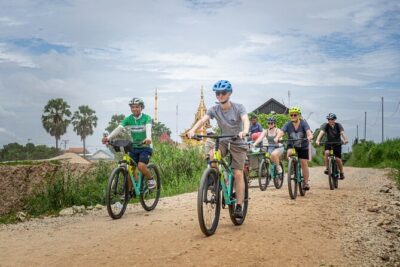
Phnom Penh Silk Island Bike Tour/ E-Bike or Tuk Tuk
Read our review →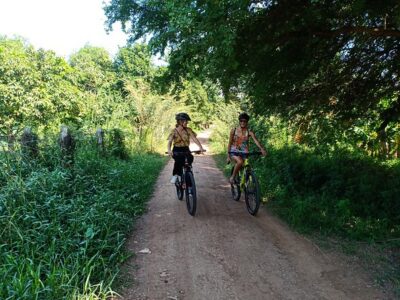
Silk Island Cycling Adventure & lunch with locals
Read our review →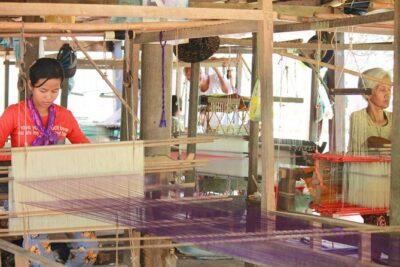
Mekong Silk Island Cruise – Unlimited Beer, Soft Drinks & Fresh Fruit Platter
Read our review →
Half Day Silk Island Cruise and Tours with English speaking guide
Read our review →
Phnom Penh City and Silk Island Tour No Genocide Sites
Read our review →
Private Half-Day Silk Island Trip from Phnom Penh
Read our review →
Koh Dach Silk Island and Phnom Penh Full Day Private Tour
Read our review →Browse the lists this tour appears in