
Reviewed · TEMPLE TOURS
Private Tour: (Avoid Crowds & Heat) 2-Day Angkor Temples
Angkor is far more than Angkor Wat, and this private two-day route gives you the full sweep: delicate Banteay Srei, vast Angkor Thom, jungle-wrapped Ta Prohm, and the quiet ruins of Ta Nei. The clever part is saving the best-known temples for day two, after you have had time to get your bearings.
I like the private format, which lets your guide adjust the pace and route for your group. I also like the practical touches: an air-conditioned car, cold drinks, snacks, and hotel pickup in Siem Reap. Guides named Tay, Sopheara, Viet, Kim, and Tai have been singled out for clear explanations and good crowd timing.
The main catch is cost: the advertised $62 tour price does not include the Angkor Archaeological Park pass, listed separately at $62 per person for two or three days. You should also be ready for stairs, uneven ground, heat, and two full sightseeing days.
Key points to know before you book
- Banteay Srei comes first: See some of Angkor’s finest pink sandstone carving before tackling the major monuments.
- Day two covers the icons: Angkor Wat, Angkor Thom, Bayon, Baphuon, and Ta Prohm receive the main attention.
- Ta Nei offers a quieter finish: This small Buddhist temple is used to escape the heavier crowds.
- Your guide matters: Tay, Sopheara, Viet, Kim, and Tai are praised for strong English, temple knowledge, and flexible routing.
- The ticket is extra: Budget another $62 per person for the two or three-day Angkor pass.
- Sunrise or sunset can be added: Tell your guide on day one if you want one on the following day. It is offered at no extra charge.
Why this two-day route works
A one-day Angkor visit can feel like a race between famous names. This plan spreads the monuments over two days and gives you a better sense of how the Khmer capital worked, how temple styles changed, and how the jungle has taken parts of the complex back.
Day one is the quieter and more varied day. You visit Banteay Srei, Banteay Samre, Pre Rup, Preah Khan, and Neak Pean. These sites are not all alike. One is known for tiny carvings, another for a peaceful setting, another for brick and laterite, and another for a Buddhist healing design surrounded by water.
Day two brings the major names: Angkor Wat, Angkor Thom, Bayon, Ta Prohm, and Ta Nei. That order makes sense. You get the smaller, less familiar ruins first, then spend the second day with the monuments most people have come to Cambodia to see.
Because this is a private tour, you are not locked into a large group schedule. Your guide can spend more time on a carving that interests you, shorten a stop when the heat catches up, or adjust the route to reduce time among the largest crowds. That flexibility is one of the strongest reasons to choose this experience.
More Private Tours in Siem Reap
- Full-Day Angkor Wat Sunrise Private Tour with Guide from Siem Reap
★ 5.0 · 2,920 reviews - Siem Reap: Angkor Wat Private Tuk-Tuk Tour
★ 4.9 · 2,222 reviews - Angkor Wat Private Day Tour from Siem Reap
★ 5.0 · 834 reviews
Day one: fine carving at Banteay Srei
The first stop, Banteay Srei, sits a little more than 20 kilometers north of Angkor. It was built in the second half of the 10th century and is often called the Citadel of Beauty.
The temple is smaller than Angkor Wat, but its decoration is unusually detailed. Pink sandstone gives the walls and carvings a warm color, and the compact scale makes it easier to study individual scenes. You have about an hour here, which is enough for a focused visit without turning the first morning into a marathon.
Banteay Srei is one of the places where a good guide earns the fee. The carvings can look like a wall of patterns if you walk through too quickly. With explanation, you can pay attention to the stories, figures, and careful workmanship rather than simply taking photographs.
The drawback is the extra distance from the central Angkor monuments. That drive takes time, but Banteay Srei is a worthwhile trade for anyone who wants more than the standard Angkor Wat circuit.
Banteay Samre and the appeal of a quiet temple
Banteay Samre follows, with about 45 minutes to explore. This isolated temple was built in the first half of the 12th century, and its tower style may remind you of Angkor Wat.
The setting is part of the appeal. After the attention-grabbing detail of Banteay Srei, Banteay Samre gives you a calmer stop where the temple form is easier to appreciate. The layout, towers, galleries, and stonework show how Khmer builders developed a recognizable religious design across different sites.
This is also a good point in the day to notice the value of private transport. You can return to an air-conditioned vehicle between stops instead of waiting for a larger group. Snacks and refreshments are included, which matters more than it may sound once the sun is high.
Pre Rup: brick, laterite, and a climb
Pre Rup takes about 30 minutes. Built in the middle of the 10th century, it combines laterite, brick, and sandstone in a way that gives the temple a different color and texture from the finer carvings at Banteay Srei.
The name is linked to the idea of turning the body. The upper levels also make this a more physically demanding stop. The stairs can be steep, and the stone surfaces are uneven. One of the clearest practical warnings from the experience is that there are many stairs and plenty of climbing, so bring shoes with a firm grip and do not treat the day as a casual stroll.
Thirty minutes is a sensible amount of time here. You can study the structure, climb where permitted, and take in the view without using too much energy before the longer afternoon stops.
More Temple Tours in Siem Reap:
- Angkor Wat Sunrise & 3 Main Temples with Breakfast – Small Group
★ 5.0 · 2,857 reviews - Siem Reap: Full Day Angkor Wat Temple Experience with Sunset
★ 4.9 · 1,490 reviews - 2 Days Exclusive Temple Highlights with Sunset and Sunrise Tour
★ 5.0 · 1,157 reviews - Full-Day Banteay Srei & 4 Temples – Grand Tours Join-in Tour
★ 5.0 · 1,155 reviews
Preah Khan, a city as well as a temple
Preah Khan receives about an hour, and it deserves that time. Jayavarman VII built it in the late 12th century as a Buddhist university and city.
The site has the atmospheric quality people often seek at Ta Prohm, but Preah Khan has its own character. Look for its unusual round-columned, two-story building, as well as long corridors and layers of stonework that show how much activity once filled this place.
This is a stop where your guide can turn scattered walls into a readable plan. Without context, it can be hard to understand where the religious spaces ended and the wider city functions began. A strong guide such as Tay, Viet, or Sopheara can explain the purpose of the buildings and the changes brought by different rulers and religious traditions.
Preah Khan may be one of the most rewarding stops for anyone who prefers atmosphere and scale over a single famous view. It is also one of the longer walking sections, so save some energy.
Neak Pean and a temple surrounded by water
Neak Pean takes roughly 30 minutes. Built in the late 12th century by Jayavarman VII, it was associated with miraculous healing.
The temple is unusual because a small monument appears at the center of a pond, creating a strong sense of symbolism. The water and central structure give the site a different mood from the enclosed galleries of Preah Khan or the high terraces of Pre Rup.
You should not expect a large temple complex here. Neak Pean is compact, and the point is its design and meaning rather than an extended climb through ruins. It works well as the final stop of day one, when a shorter, calmer visit is welcome.
At the end of the day, tell your guide if you want to arrange sunrise or sunset for the following day. This is included at no extra charge, but you need to raise the request on day one.
Day two: Angkor Wat gets the time it deserves
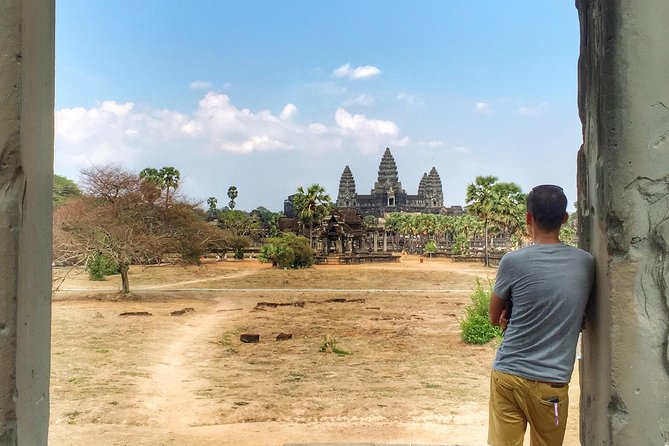
Angkor Wat receives about two hours, and that is a reasonable minimum. It is the world’s largest religious monument, with broad galleries, towers, courtyards, and layers of carved stone that reward a slow pace.
Your first impression will likely be the scale. The temple is not just a single tower or facade. It is a large religious complex designed around movement toward the central sanctuary. Give yourself time to look outward as well as upward. The bas-reliefs, corridors, and repeated architectural details are easier to appreciate when you are not trying to keep up with a large group.
Two hours still will not cover every corner. That is why the guide’s route matters. A guide who understands the site can focus your attention on the most important sections and avoid wasting your limited time on aimless wandering.
This is also the point where heat and crowds can shape the experience. The tour title promises an effort to avoid both, but no route can remove them entirely from Angkor’s most famous temple. Starting at 7:30 a.m. and using a private vehicle gives the group useful flexibility, but you should still carry water, cover your shoulders and knees as required, and expect a lot of walking.
Angkor Thom and the face towers of Bayon
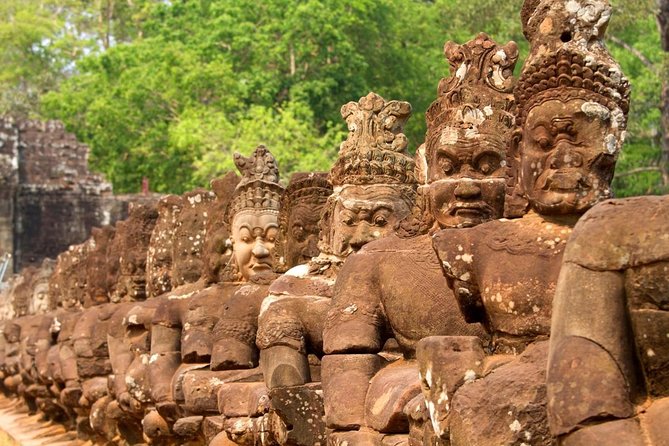
Angkor Thom is not just one temple. It was a major Khmer capital enclosed by walls, and its area includes Bayon, Phimeanakas, Baphuon, the Terrace of the Elephants, the Terrace of the Leper King, Prah Palilay, and other remains.
You have about two hours here. That time can pass quickly because the city contains several distinct stops, each with its own feel and purpose.
Bayon is the main draw for many people. Its towers carry the famous carved faces, and the close corridors create a more intimate experience than the broad open spaces of Angkor Wat. The temple can feel confusing at first, with galleries crossing one another and faces appearing from different angles. This is exactly where a guide’s explanation helps.
Baphuon offers a different experience, with a strong vertical design and stairs that require care. The terraces and gates around Angkor Thom help you understand the capital as a planned city rather than a collection of isolated monuments.
The amount of walking here can be significant. If you want every major feature explained, two hours may feel short. Still, the private format lets you decide where to linger instead of following a fixed group line.
Ta Prohm and the trees among the ruins
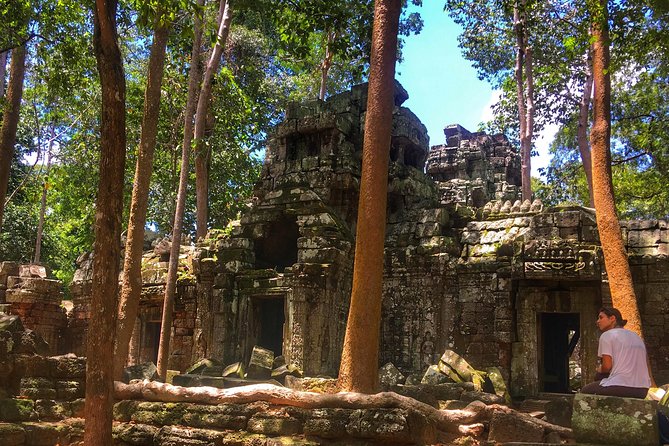
Ta Prohm gets about an hour. It is famous for the strangler figs and silk-cotton trees that grow through and around the stonework, creating the romantic jungle setting that has made this temple so recognizable.
The trees are not simply decoration. They are part of the site’s current character and also a reminder that the ruins are not frozen in a perfect architectural state. Roots press into walls, branches spread over galleries, and nature changes the way you read the temple.
Ta Prohm was also used as a film location, which has added to its fame. That popularity brings a practical issue: it can be one of the busiest stops on the route. Your guide can try to time the visit and choose a better path, but you should not expect complete solitude.
An hour is enough to see the most memorable sections, though the uneven surfaces and crowded passages can make the visit tiring. This is a good reason to keep the pace measured rather than trying to cover every corridor.
Ta Nei, the quiet final temple
Ta Nei is a small Buddhist temple built during the reign of Jayavarman VII in the late 12th century. You spend about 30 minutes here.
Its main value is the contrast with Ta Prohm. Instead of another major site surrounded by people, Ta Nei offers a quieter place to look closely at the stonework and enjoy the jungle setting. It is a smart inclusion for anyone who wants a break from the best-known monuments.
Do not arrive expecting another Angkor Wat. Ta Nei is smaller and less restored, and that is precisely why it works. The rougher condition gives you a clearer sense of an archaeological site away from the polished route.
This stop also reflects the tour’s stated goal of avoiding crowds and heat. It cannot guarantee empty paths or cool weather, but adding a lesser-known temple gives the day a more balanced rhythm.
Guides, vehicles, and the value of a private group
The guide is the key part of this experience. Names connected with the tour include Tay, Sopheara, Viet, Kim, and Tai. The strongest qualities to look for are clear English, solid temple knowledge, patience with questions, and the ability to change the order of stops when conditions call for it.
The private setup means only your group participates. That is useful for families, couples, and friends who do not want to match the pace of strangers. It is also valuable for anyone who wants to pause for photographs, ask about Khmer architecture, or spend longer at a favorite temple.
Transport is by private air-conditioned vehicle, with hotel pickup and drop-off in Siem Reap. Snacks, refreshments, and cool towels are included according to the tour details. Those small comforts have real value during two days of walking in Cambodian heat.
The start time is 7:30 a.m. from Siem Reap. The advertised duration is approximately two days, but the sightseeing schedule covers a lot of ground. Plan for early starts, long periods on your feet, stairs, and uneven stone.
Is $62 good value?
The tour price is $62, but the Angkor entrance pass is not included. The pass is listed at $62 per person for a two or three-day visit, so your actual temple cost is considerably higher than the headline tour price.
Even so, the value can be good if you want a private guide and transport. You are paying for two days of planning, hotel transfers, an air-conditioned vehicle, refreshments, and a route that includes both famous and quieter temples. Hiring separate transport and arranging a guide could also add up, though the exact comparison depends on your group size.
Group discounts are available, which may improve the value for families or larger private parties. The price is harder to justify if you only want Angkor Wat and a quick look at one or two nearby temples. In that case, a shorter tour may suit you better.
Who should book this tour?
I would choose this for a first visit to Cambodia, especially if you want the major Angkor sites explained rather than simply photographed. It also suits history fans who want Preah Khan, Neak Pean, Banteay Srei, and the less crowded Ta Nei added to the famous circuit.
You should be comfortable walking for long periods. Stairs and climbing are part of the experience, and the heat can make a full day feel longer than the schedule suggests.
This is less suitable if you want a slow holiday with late mornings, minimal walking, or only one headline monument. The two-day plan is thorough by design.
Final verdict: a strong first Angkor tour with one important extra cost
Book this tour if you want a well-rounded introduction to Angkor, prefer a private group, and value a guide who can explain architecture, religion, and Khmer royal history as you go. The route wisely mixes spectacular monuments with quieter places, and the free sunrise or sunset option adds useful flexibility.
Before booking, make room in your budget for the $62 park pass and prepare for stairs, heat, and long walks. If those conditions suit you, the combination of Banteay Srei, Angkor Wat, Angkor Thom, Ta Prohm, Preah Khan, and Ta Nei gives you much more than a standard Angkor Wat outing.
FAQ
Is the Angkor entrance ticket included?
No. The Angkor Archaeological Park pass costs $62 per person for a two or three-day visit and must be paid separately.
What time does the tour start?
The stated start time is 7:30 a.m. from Siem Reap.
Is hotel pickup included?
Yes. Hotel pickup and drop-off in Siem Reap are included.
Is this a private tour?
Yes. Only your group participates in the activity.
Can I add sunrise or sunset?
Yes. Tell your guide on day one if you would like sunrise or sunset on the following day. This option is complimentary.
Are snacks and drinks provided?
Yes. Snacks and refreshments are included, along with transport in an air-conditioned private vehicle.
Just added around Siem Reap
- Twilight Tastes of Siem Reap Include Dinner★ 5.0 · 13 reviews
- Ultimate Sunrise to Angkor Wat, Angkor Thom and Bayon Temple★ 5.0 · 3 reviews
- Trekking Tour at Phnom Kulen National Park from Siem Reap★ 5.0 · 3 reviews
- Professional Photo Shoot in Angkor Archaeological Park, Siem Reap★ 5.0 · 42 reviews
- Full-Day Private Tour of Angkor Wat with Pick Up★ 5.0 · 12 reviews
- Unveiling 2 Days Private Angkor Wat/Beyond In Sunrise/Sunset Tour★ 5.0 · 48 reviews
- Siem Reap City Tour with War Museum and Killing Field★ 5.0 · 27 reviews
- Private Day Trip to Angkor Temples with Expert Guide★ 5.0 · 4 reviews
Temple Tours, compared.
Angkor Wat Sunrise & 3 Main Temples with Breakfast – Small Group
Read our review →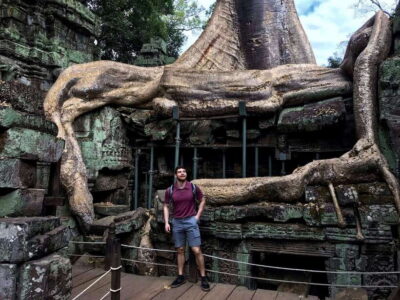
Full Day Angkor Wat Temple Experience with Sunset
Read our review →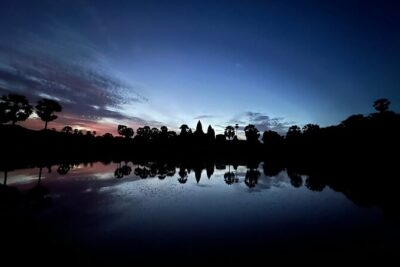
2 Days Exclusive Temple Highlights with Sunset and Sunrise Tour
Read our review →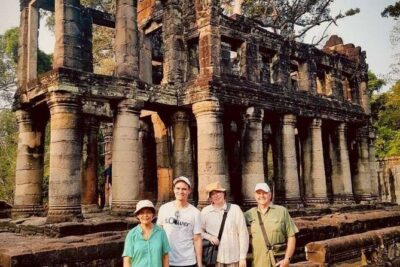
Full-Day Banteay Srei & 4 Temples – Grand Tours Join-in Tour
Read our review →
Angkor Sunrise 1- or 2-Day Guided Temples Tour
Read our review →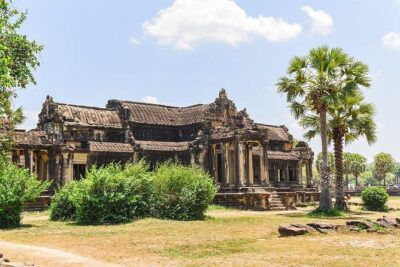
Angkor Wat Sunrise Explore The Most Iconic Temples
Read our review →
Koh Ker Temple Group & Beng Mealea Full-Day Join-in Tour
Read our review →Browse the lists this tour appears in