
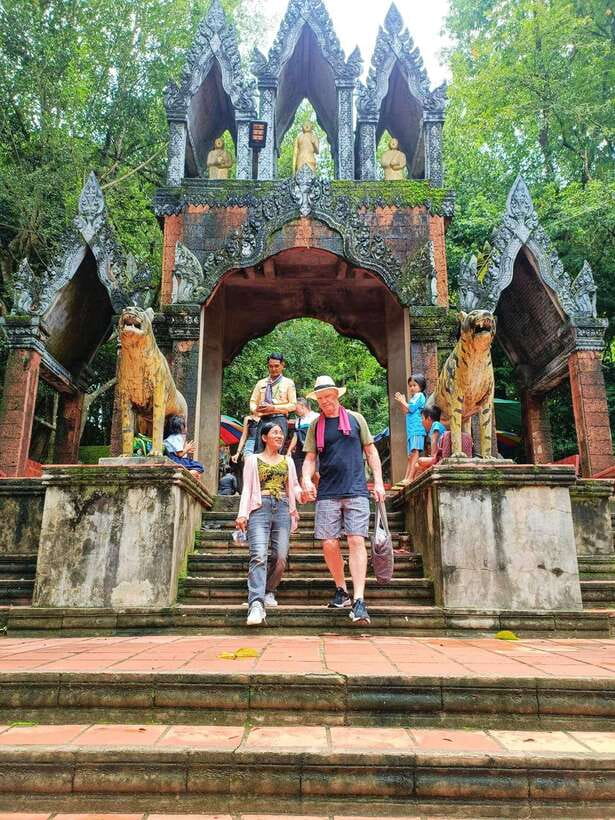
Reviewed · KULEN MOUNTAIN TOURS
From Siem Reap: Guided Kulen Waterfall Tour
Kulen Waterfall is the star of this day, but the 1000 Lingas and hilltop reclining Buddha give the outing more weight than a simple swimming trip. You also see temple stones at their quarry, ruined shrines, countryside life, and palm sugar making.
I like the mix of nature and Khmer culture, and I like that the guides, including Chout, Makara, Vone, Sayon, and Narith, tend to explain the sites while keeping the day friendly and relaxed. The main drawback is time: waterfall swimming usually lasts about 30 to 40 minutes, and lunch is extra, with some groups finding the restaurant stop too touristy or pricey.
Key points to know before booking
- Kulen Waterfall is the main reward: Bring swimwear, a towel or change of clothes, and shoes suitable for uneven paths.
- The 1000 Lingas adds real historical interest: You see carved symbols in and beside the river rather than only hearing about them.
- The tour covers a lot in 10 hours: Quarry, archaeological sites, hilltop temples, Buddha, waterfall, palm sugar village, and possibly the Landmine Museum.
- Guides make a major difference: Chout and Makara are often singled out for humor, care, history, and help with photos.
- Lunch is not included: You pay for food and drinks, and the chosen restaurant may not suit every budget.
- This is not a self-guided outing: The area has not been fully de-mined, so visiting with a guide is strongly advised.
Why Kulen Mountain is worth a full day from Siem Reap
Phnom Kulen, or Mountain of the Lychee, is about more than a waterfall. It is tied to the beginnings of the Khmer Empire and remains important to both Hindu and Buddhist traditions. That gives the day a useful balance: you get forest, water, archaeology, religion, and glimpses of present-day Cambodian life.
I like this trip for people who have already seen Angkor Wat and want a different side of the Siem Reap area. The temples here are not presented as a polished grand circuit. You move through a mountain setting, visit sacred places, and see how natural sites and religious beliefs overlap.
The $45 price includes hotel pickup and drop-off, transport, an English-speaking guide, park entry, and water. For a 10-hour outing, that is strong value, especially if you prefer having the route, driving, and site explanations handled for you. The price looks less attractive only if your main goal is to spend several hours at the waterfall, since the swimming portion is fairly short.
More Kulen Mountain and waterfall days:
- Kulen Waterfall Join-in Tour (local Picnic lunch)
★ 5.0 · 2,434 reviews - Kulen Mountain: Small-Group Tour and Picnic lunch
★ 4.9 · 1,802 reviews - Siem Reap: Kulen Mountain, Beng Mealea and Tonle Sap Tour
★ 5.0 · 1,483 reviews
Hotel pickup and the climb into the mountain
Your driver collects you from your hotel lobby, and you should be ready 30 minutes before the scheduled departure. The day then leaves Siem Reap for the countryside and the road toward Kulen Mountain.
Transport has been a real strength of this experience. Depending on the group, you may ride in an air-conditioned minibus or a 4WD vehicle suited to the park roads. That matters in Cambodia’s heat. The drive is not simply dead time, either. Several guides, including Sayon, Sary, and Vone, have been praised for explaining Cambodian history and local life along the way.
The 10-hour length sounds demanding, but much of the route is by vehicle. You walk at the archaeological sites, around the hilltop area, and toward the waterfall, yet this is not a day of nonstop hiking. Still, the combination of heat, steps, uneven ground, and wet surfaces means you should bring proper sports shoes rather than sandals meant only for the pool.
The stone quarry and the story behind the temples
The first stop is a quarry where stone was cut for temple construction in the surrounding area. It is a brief but useful introduction to the practical side of Khmer architecture.
I like this stop because it connects the grand ruins you see later with the hard work required to build them. Instead of treating ancient temples as isolated monuments, the guide can show you where some of the building material came from and help you think about how it was shaped and moved.
Do not expect a large museum or a long formal presentation here. The quarry works best as a quick orientation stop. Its value comes from the connection to the other sites, not from a large collection of objects.
Reading the river at the 1000 Lingas
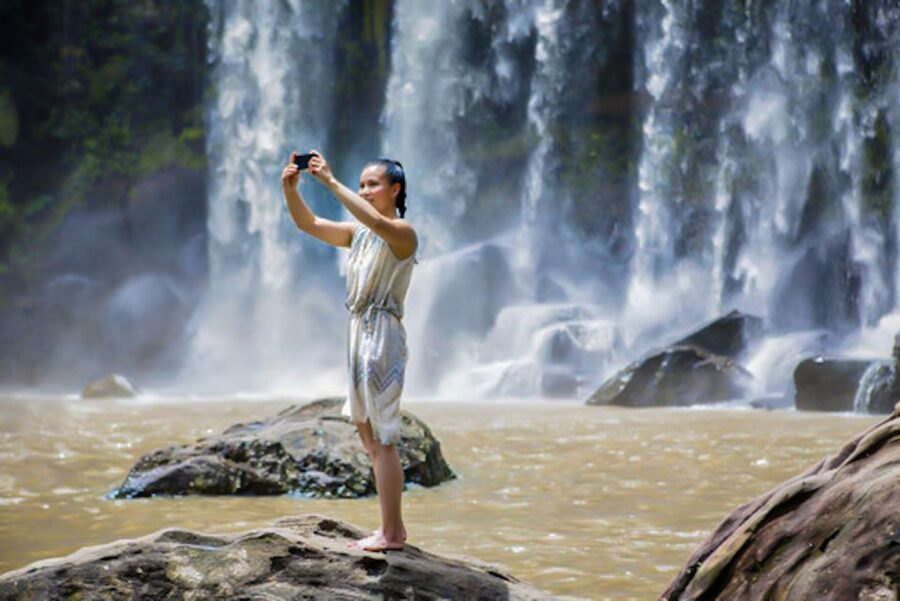
The 1000 Lingas is one of the most unusual stops on the route. Along the riverbed, carved symbols are associated with Shiva and Hindu worship. Water passing over or near these carvings gives the site a special connection between nature and religion.
This is where a guide adds real value. Without an explanation, you might see a shallow stream and a set of worn carvings. With context, you can understand why the river itself mattered and how the carvings fit into the religious world of the Khmer period.
Take your time here if the group schedule allows. The stonework can be subtle, and the best details are not always obvious at first glance. The setting is also less monumental than Angkor’s large temple courts, which makes a guide’s explanation more important.
A few more Siem Reap half-days worth weighing up
- Angkor Wat Sunrise or Sunset Tour with Guide from Siem Reap
★ 5.0 · 12,109 reviews - Siem Reap: Angkor Wat: Small-Group Sunrise or Sunset Tour
★ 5.0 · 9,444 reviews - From Siem Reap: Kampong Phluk Floating Village Tour by Boat
★ 4.9 · 6,979 reviews - Sunset tour of Kampong Phluk stilts home village on the Tonle Sap
★ 5.0 · 4,865 reviews
Hilltop ruins and the reclining Buddha
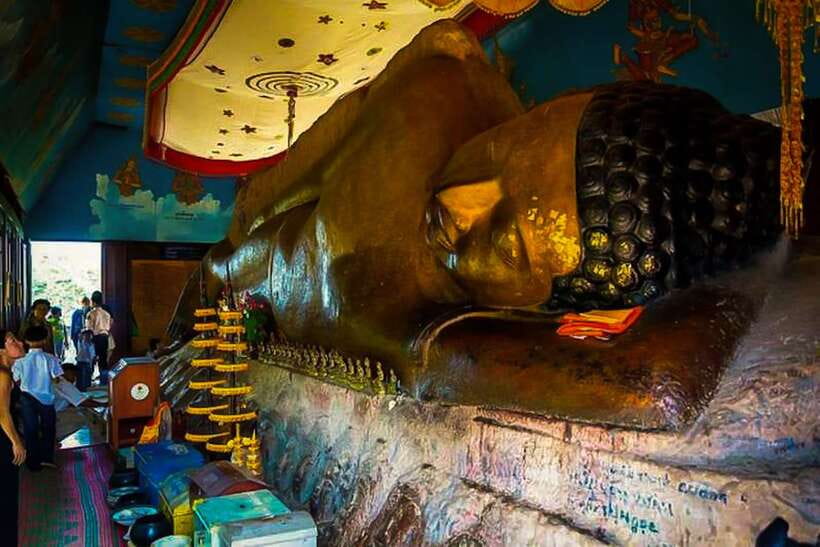
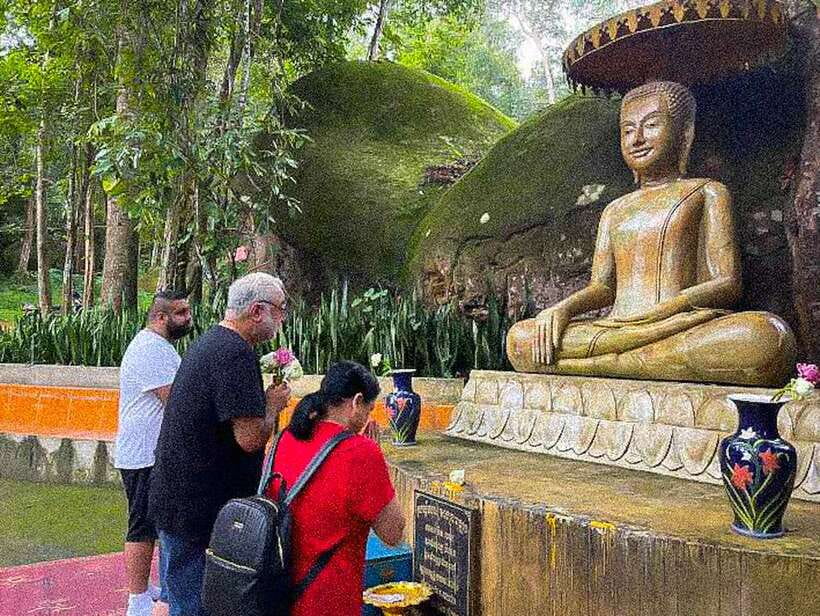
The route then climbs to the sacred hilltop area, where you see more than 30 temple ruins and a large reclining Buddha. This part of the visit brings together Hindu and Buddhist elements, reflecting the changing religious life of the mountain over time.
The reclining Buddha is housed at a sacred site reached by a climb. The experience is more devotional than museum-like, so dress respectfully and follow local guidance. The hilltop setting also gives you a sense of why this place has continued to matter to people long after the original temples fell into ruin.
Several guides have also included a viewpoint or cliff stop for photographs. The exact order can vary, but the views are a welcome change after the enclosed forest and temple spaces. Guides such as Makara and Chout are often praised for taking pictures, which is useful when you are traveling without someone else to stand behind the camera.
The hilltop section involves walking and some uneven surfaces. It is not suitable for wheelchair users, and the activity is not recommended for people over 70. That is not simply a formality: heat, slopes, and footing can make this a tiring part of the day.
The waterfall swim: refreshing, but not a full afternoon
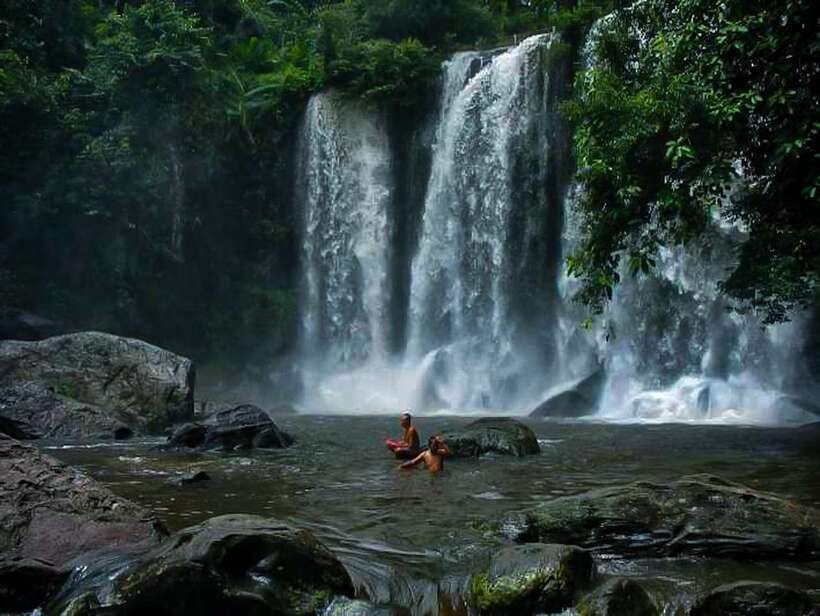
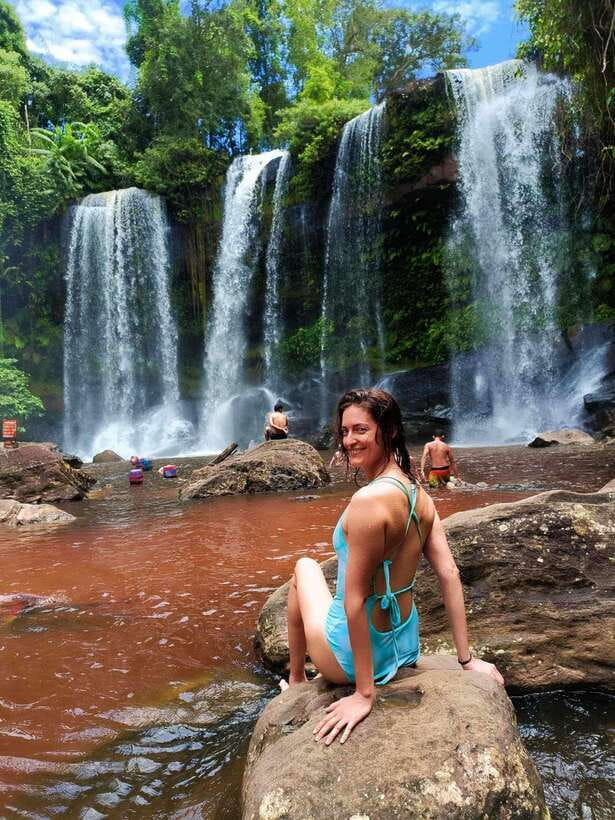
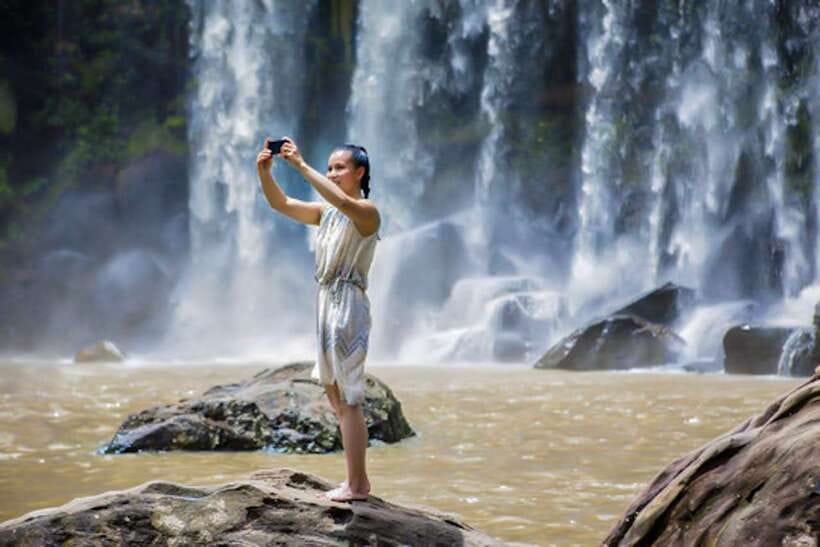
Kulen Waterfall is the payoff. After the archaeological stops, the chance to get into cool water feels well timed. Bring swimwear and a complete change of clothes. You will also want shoes that can handle the walk to the falls and wet ground around the water.
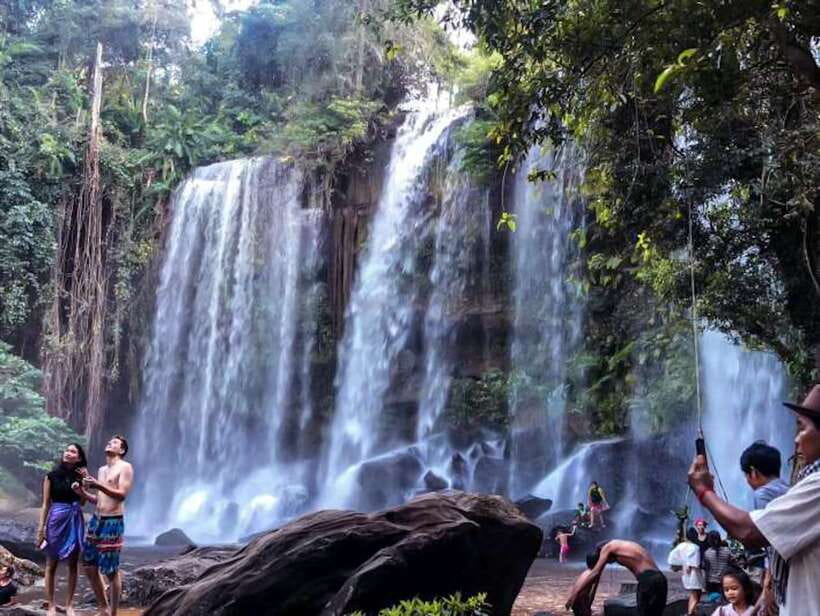
The waterfall is generally the most memorable part of the outing. You can swim, take photographs, and cool down before continuing. Families have enjoyed this stop, and children from about seven to thirteen have been able to take part in the wider day, according to one family’s experience.
Set your expectations correctly. The swimming time may be only 30 to 40 minutes. That is enough for a refreshing dip and a little play, but not enough if you want to lounge beside the water for half a day. If swimming is your only priority, a private driver with a more flexible schedule may suit you better.
The waterfall can also be busy around public holidays. Your guide may adjust the timing or keep the visit moving, but you should not expect complete solitude. The benefit of the organized tour is that you see the waterfall as one part of a much broader day.
Lunch: convenient, but budget with care
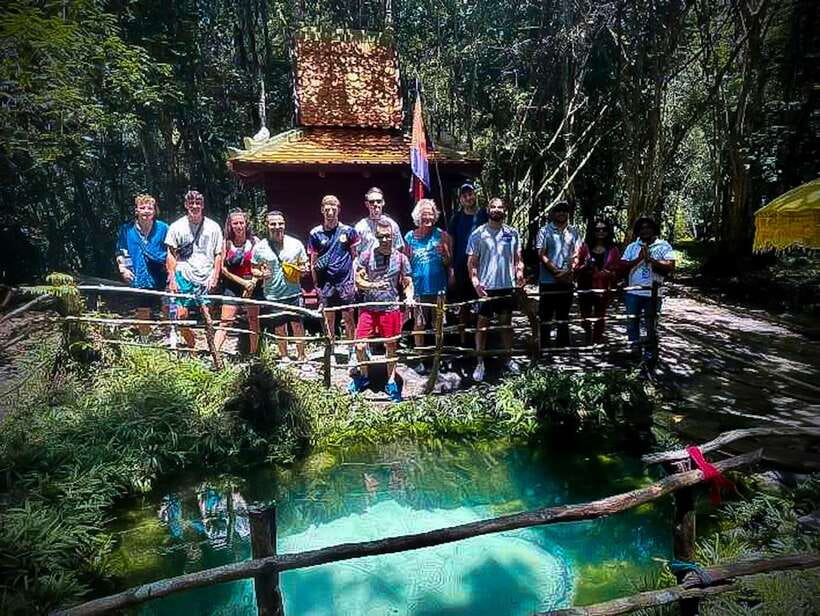
Food is not included in the $45 price. The group is taken to a restaurant for lunch, and the menu can include Khmer dishes and vegetarian or vegan choices. Amok has been a popular recommendation, and sweet and sour chicken has also received a personal thumbs-up.
The lunch stop is practical rather than a major feature of the tour. You get a chance to sit down, eat, and recover from the morning. But you do not usually choose from a wide range of restaurants, and some people have found the stop touristy or more expensive than expected.
I would ask your guide about the menu and prices before ordering. If you have special dietary needs, say so early. The food choices have worked well for vegetarians and vegans, but the tour information does not state that meals are included, so keep cash or another payment method ready for lunch and drinks.
Palm sugar and a closer look at local work
On the return journey, the tour makes a short stop in a village connected with palm sugar production and local handicrafts. This is a modest stop, often around 10 minutes, but it adds something that a temple-only itinerary cannot.
You see a traditional product being made and have a chance to buy or taste palm sugar items. The stop is not a full workshop or long village visit, so think of it as a quick window into local work rather than an extended cultural program.
I like the contrast. Earlier, you are looking at ancient stone and religious carvings. Here, you see a living practice tied to families and the countryside. It helps keep the day from feeling like a string of ruins and photo stops.
The optional Landmine Museum
The Landmine Museum is an optional final stop, and entry is not included. One price mentioned for admission is $6. You can choose to skip it, but I think it deserves serious consideration.
The museum deals with Cambodia’s recent conflict and the continuing effects of landmines. It is a sobering subject, but it provides important context for understanding the country beyond its temples. Some people have described the visit as one of the most meaningful parts of the day, especially when the museum’s founder gives the tour.
The stop is not for everyone after a long day in the sun, and you should know that it shifts the mood from scenic and spiritual to difficult and reflective. If your group is tired or prefers to return directly to Siem Reap, you can leave it out. If you want a fuller picture of Cambodia’s recent past, pay the extra entry fee and go.
Guides, vehicles, and the small touches that matter
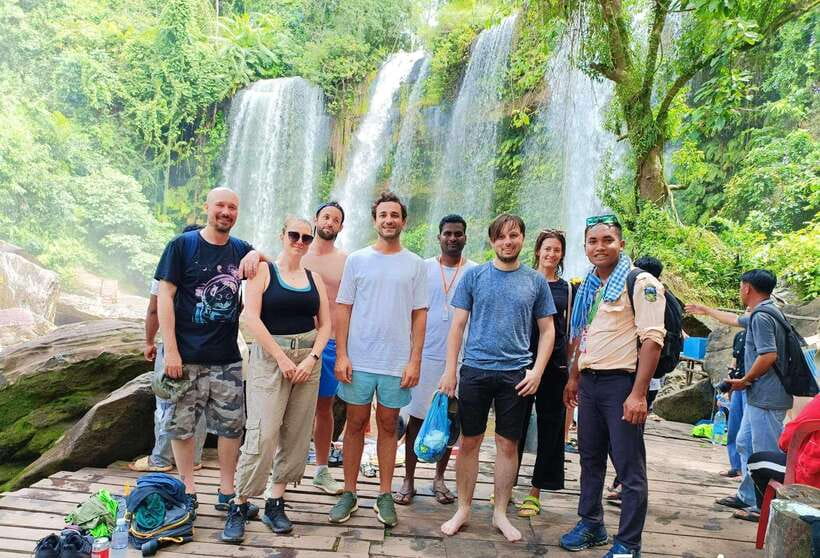
The guide can shape this experience more than any single stop. Chout has been praised for being friendly, flexible, careful, and strong on Cambodian history. Makara is often described as enthusiastic, funny, and helpful with photographs. Other guides named in feedback include Vone, Sayon, Sary, Narith, Kosal, Dara, Sovann, and Sam Vone.
That list matters because the exact guide is not guaranteed. What you can reasonably expect is an English-speaking guide who explains the sites and manages the day. Some guides have allowed a relaxed pace, while one person felt the schedule moved too quickly at certain stops. If you want extra time for photographs or swimming, ask early rather than waiting until the group is ready to leave.
Cold water is provided throughout the day, which is a small but important benefit in the heat. Air conditioning in the vehicle is another. One group also had an item left in the car returned to the hotel, suggesting that the local operator can respond well when something goes wrong, though you should still check your seat before leaving.
The tour has a strong overall rating of 4.8 from 132 reviews, with 94 percent of ratings giving the transport a perfect score. I would read those figures as a sign of reliable organization and warm guiding, not as a promise that every lunch choice or timing detail will suit you.
Who should book this Kulen Mountain tour?
I would choose this trip if you want to combine nature, archaeology, religious sites, and local culture in one day. It works particularly well for first-time visitors to Siem Reap who want to see more than the main Angkor temples without arranging several separate excursions.
Families can enjoy the waterfall and the variety of stops, although young children still need supervision on uneven paths and around water. The tour also suits solo visitors and couples who want an organized day with hotel pickup and a guide to handle the route.
You should think twice if you need step-free access, dislike long days, or are over 70. It is also a poor match if you want a quiet, extended waterfall visit or complete control over lunch and timing. In that case, a private driver and a custom plan may be a better fit.
At $45, the package offers a lot: park entry, transport, guide, hotel service, water, and a full day of varied sights. Add money for lunch, drinks, and the $6 Landmine Museum entry if you choose it. Bring swimwear, dry clothes, sports shoes, sun protection, and patience for a schedule that covers many places.
Should you book it?
Book this tour if you want the best all-round introduction to Phnom Kulen rather than a simple waterfall outing. The 1000 Lingas, reclining Buddha, ruined temples, quarry, palm sugar stop, and optional Landmine Museum give the day real range.
I would book it with two expectations: the waterfall swim is brief, and lunch is a practical group stop rather than a carefully chosen culinary experience. If those limits work for you, the combination of caring guides, comfortable transport, and a $45 price makes this one of the better-value day trips from Siem Reap.
FAQ
How long is the Kulen Mountain tour?
The tour lasts 10 hours, including hotel pickup and drop-off from Siem Reap.
What is included in the $45 price?
The price includes a guided Phnom Kulen National Park visit, park entry fees, hotel pickup and drop-off, transport, an English-speaking guide, and water.
Is lunch included?
No. Food and drinks other than the provided water are not included. You stop at a restaurant where you can buy lunch, and vegetarian and vegan choices may be available.
Can I swim at Kulen Waterfall?
Yes. Swimming at the waterfall is part of the experience. Bring swimwear and a change of clothes. The swimming time is usually around 30 to 40 minutes.
Should I bring special footwear?
Yes. Sports shoes are recommended because parts of the route include uneven ground and walking near the waterfall. Swimwear and a change of clothes are also listed as essential items.
Is the Landmine Museum included?
No. The museum is an optional stop, and entry costs extra. One stated admission price is $6.
Is this tour suitable for wheelchair users or people over 70?
No. The activity is listed as unsuitable for wheelchair users and people over 70. The route includes walking, uneven surfaces, and a hilltop area.
Just added around Siem Reap
- Twilight Tastes of Siem Reap Include Dinner★ 5.0 · 13 reviews
- Ultimate Sunrise to Angkor Wat, Angkor Thom and Bayon Temple★ 5.0 · 3 reviews
- Trekking Tour at Phnom Kulen National Park from Siem Reap★ 5.0 · 3 reviews
- Professional Photo Shoot in Angkor Archaeological Park, Siem Reap★ 5.0 · 42 reviews
- Full-Day Private Tour of Angkor Wat with Pick Up★ 5.0 · 12 reviews
- Unveiling 2 Days Private Angkor Wat/Beyond In Sunrise/Sunset Tour★ 5.0 · 48 reviews
- Siem Reap City Tour with War Museum and Killing Field★ 5.0 · 27 reviews
- Private Day Trip to Angkor Temples with Expert Guide★ 5.0 · 4 reviews
Kulen Mountain Tours, compared.
Kulen Waterfall Join-in Tour (local Picnic lunch)
Read our review →
Kulen Mountain: Small-Group Tour and Picnic lunch
Read our review →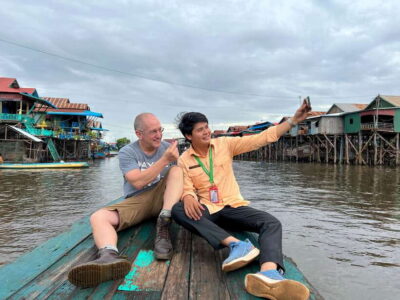
Kulen Mountain, Beng Mealea and Tonle Sap Tour
Read our review →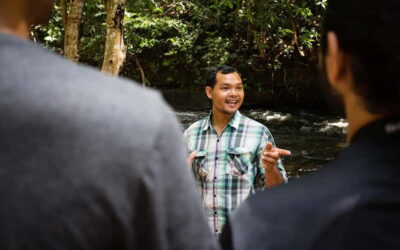
Phnom Kulen Waterfall & the Sacred 1000 Lingas (with Lunch)
Read our review →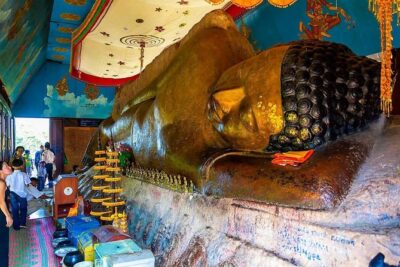
Guided Small-Group Tour in Kulen Mountain Park Waterfall
Read our review →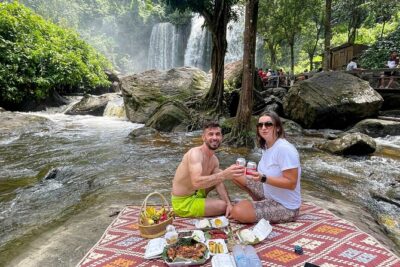
Kulen Mountain Waterfall Tour with Picnic Lunch from Siem Reap
Read our review →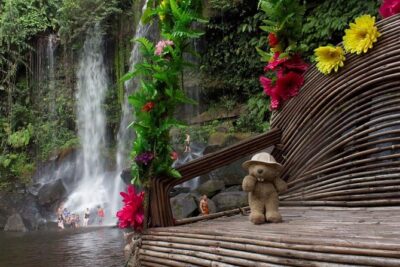
Kulen Waterfall & 1000 Linga River Small-Group Tours
Read our review →
Banteay Srei, Kulen Waterfall & Beng Mealea Exploration
Read our review →Browse the lists this tour appears in