
Reviewed · SILK FARM TOURS
Half-Day: Silk Farm, Senteur Angkor, and Satcha Workshop
Silkworms, bamboo, fragrant spices, carved wood, and polished silver all fit into this compact tour from Siem Reap. The best part is seeing how Cambodian crafts move from raw material to finished product, rather than simply finding them on a market shelf.
I like the clear local focus, especially the silk farm and Satcha’s six workshops. I also like the easy private transport, which saves you from arranging several short rides outside town. The main consideration is pace: four stops in four hours means each visit lasts about 50 minutes, and the shopping element may not suit you if you prefer a tour with no retail stops.
Key points to know before booking
- Silk from mulberry tree to loom: Follow the full process, including silkworms, silk preparation, and weaving.
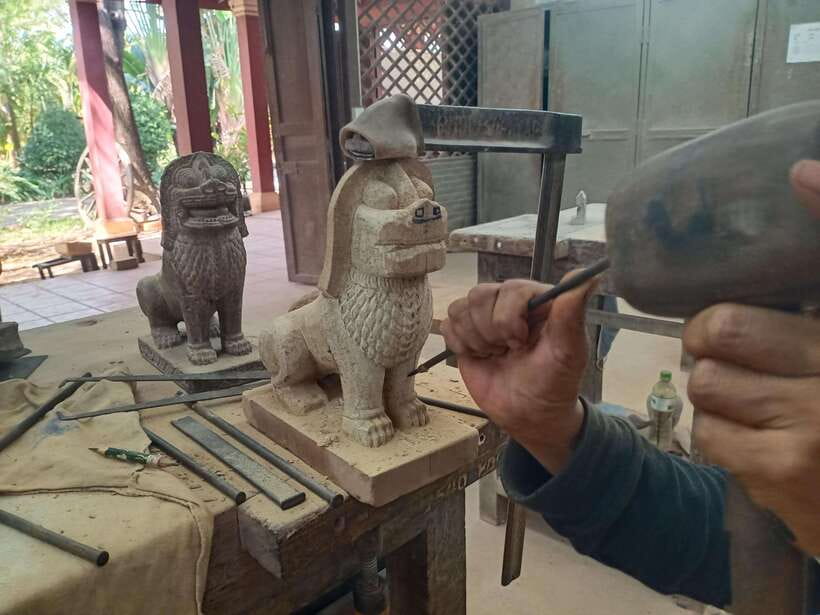
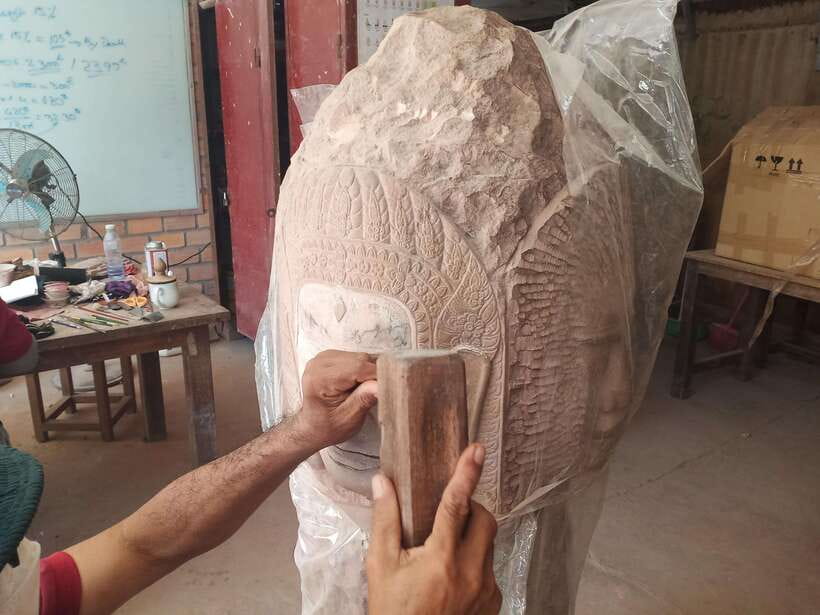
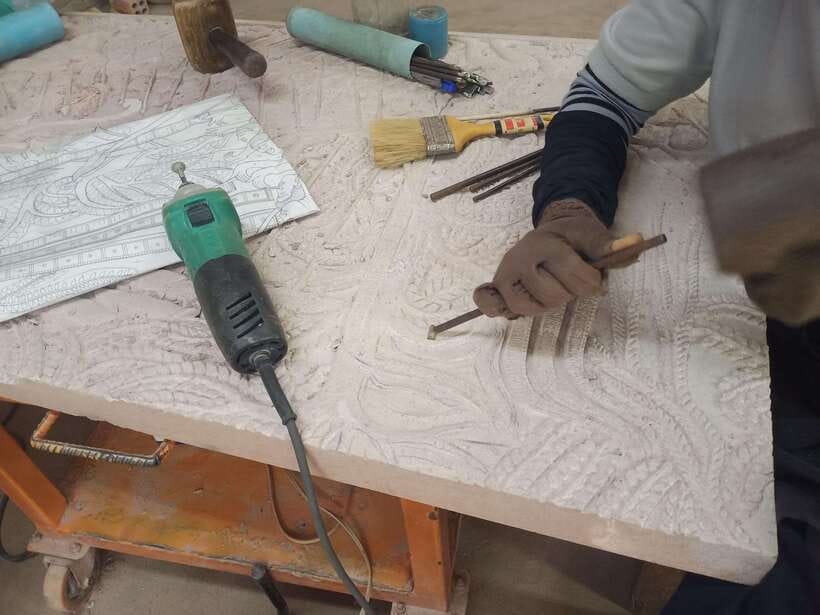
- Six Satcha workshops: See Cambodian bamboo buildings and work in carving, wood, stone, leather, weaving, rattan, and other crafts.
- Four-hour private outing: Pickup and drop-off in Siem Reap are included, with short transfers between stops.
- Sustainable local products: Senteurs d’Angkor presents Cambodian ingredients and handmade goods with an emphasis on local production.
- Several chances to shop: The silk farm, Satcha, Senteurs d’Angkor, and Artisan d’Angkor all include time for browsing or buying.
- Best for craft-minded visitors: This suits you if you want a cultural half-day that is easy to fit around temple visits.
Why this craft tour works as a Siem Reap half-day
Angkor Wat usually gets all the attention in Siem Reap, but Cambodia’s living craft traditions tell another important part of the story. This outing gives you a look at work done by hand, from cultivating mulberry trees to weaving silk and shaping bamboo into useful or decorative objects.
The tour is private for your group, up to two people at the listed price of $25. That makes the cost especially attractive for a couple or two friends traveling together. The price covers hotel pickup, transport, and visits to all four locations, though meals and personal purchases are not included.
You should think of this as a guided introduction, not a long workshop where you make a full object yourself. Each stop is allowed about 50 minutes, with transfers of roughly five to 15 minutes. That keeps the morning or afternoon moving, but it also means you will need to listen closely and choose what interests you most.
The English-speaking driver handles the transport, and the experience is arranged as a private group. One booking also noted that explanations in French were available at the sites for people who did not speak English. That option may depend on the staff present, so English is the language clearly listed for the activity.
More silk-weaving visits near Siem Reap:
- Siem Reap Lotus Silk Farm Discovery tour & Lake experience
★ 4.7 · 291 reviews - Siem Reap: Lotus Silk Farm- Tour, Lake & Masterclass
★ 4.9 · 77 reviews - Angkor Silk Farm & Lotus Silk Farm: Siem Reap Discovery Tour
★ 4.8 · 68 reviews
Angkor Silk Farm: watching silk take shape
The silk farm is the strongest stop for understanding a complete production chain. You begin with mulberry trees, which provide food for the silkworms. From there, the visit follows the silkworm life cycle and the steps that lead to traditional silk fabric.
This is more useful than simply hearing that Cambodian silk is handmade. You can connect the finished scarf or garment to the small agricultural and workshop tasks that made it possible. The process includes the care of the worms, preparation of the silk, and weaving.
Plan on walking between parts of the farm and workshop area, so comfortable shoes matter. Outdoor sections also make a hat and sunscreen sensible. The supplied timing allows about 50 minutes here, enough for a clear overview and some photographs without turning the stop into a full technical course.
The silk farm also includes shopping. You might find scarves, fabrics, or other silk goods, making this a practical place to buy a souvenir with a clear connection to what you have just seen. Prices and product details are not specified, so check carefully before buying and compare the finish, material, and size.
I would give this stop your full attention even if you are not planning to shop. It explains the most complete sequence on the tour, from mulberry cultivation to woven cloth, and gives context to silk products found elsewhere in Cambodia.
Satcha Handicraft Center: six workshops under Cambodian bamboo
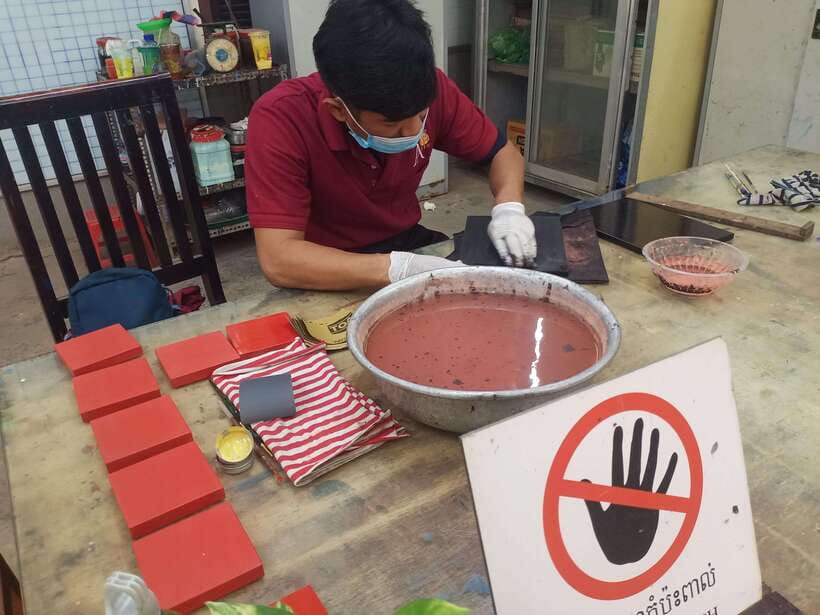
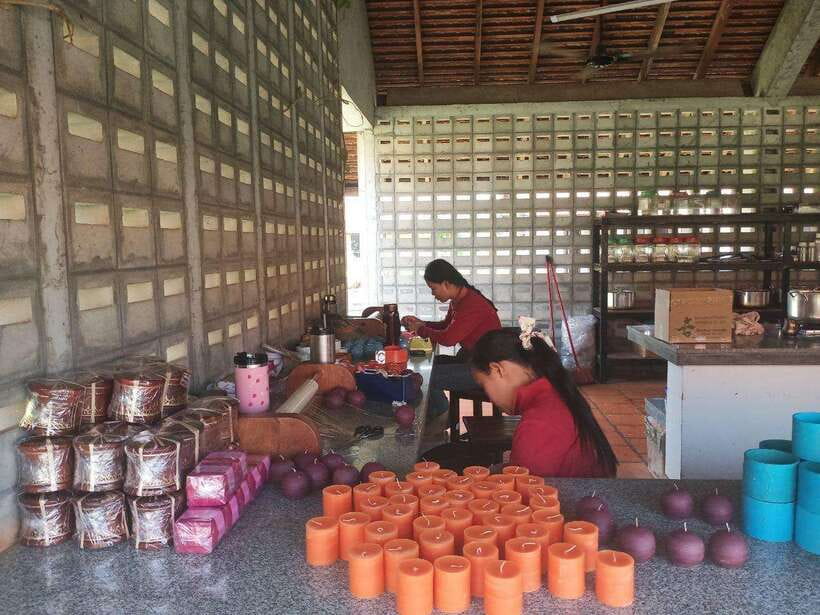
Satcha is the most ambitious stop on the route. The center has six workshops built with Cambodian bamboo from Kampong Cham, and it brings together more than 50 artisans working across 15 types of craft.
The range is wide. You may see carving, stonework, woodwork, bamboo, leather, weaving, rattan, seagrass, water hyacinth, silk, cotton, painting, lacquer, jewelry, and silver plating. This variety makes Satcha different from the silk farm, where the focus is much narrower.
The center also links traditional Khmer ornaments with contemporary design. That matters if you want to see how craft traditions are being used for present-day objects, rather than kept only as museum pieces. The bamboo buildings themselves are part of the visit, giving the place a strong sense of material and design.
With about 50 minutes available, you will not study every craft in detail. Instead, expect a quick tour through several working areas, with time to look at displays, watch demonstrations, and browse products. If one workshop catches your eye, ask the driver or staff how much time remains before moving on.
This is also the stop where shopping may feel most tempting. A verified booking described the first workshop as having many products at good prices, with attractive souvenirs and gifts available. Another stop was considered interesting but more expensive. That is a useful warning: the tour includes shopping opportunities, but not every item will suit a modest souvenir budget.
Satcha works best if you enjoy design and want more than a single product category. It may feel rushed if you want long conversations with artisans or a hands-on lesson in each technique.
Senteurs d’Angkor: Cambodian products with a local focus
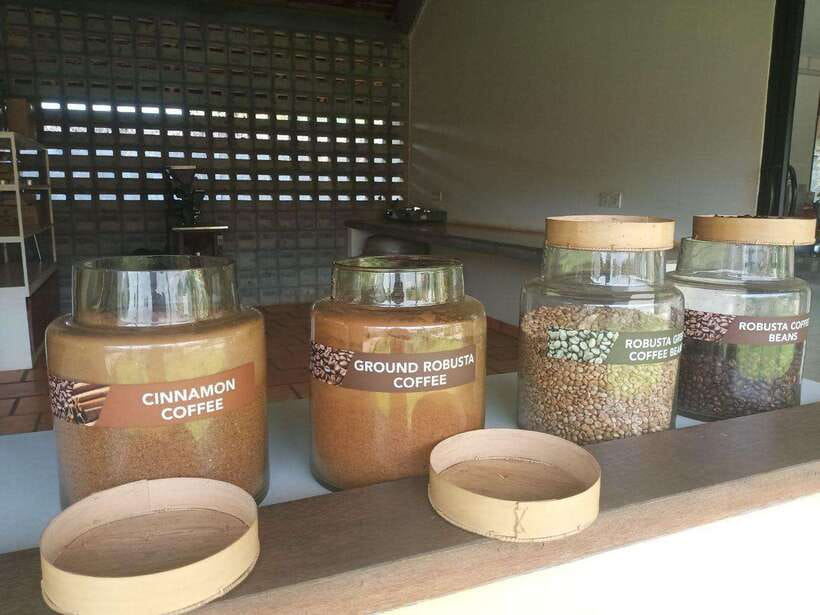
Senteurs d’Angkor is presented as a place for sustainable Cambodian treasures and artisanal products. It adds a different note to the tour by focusing on products associated with Cambodian ingredients, scents, and local production.
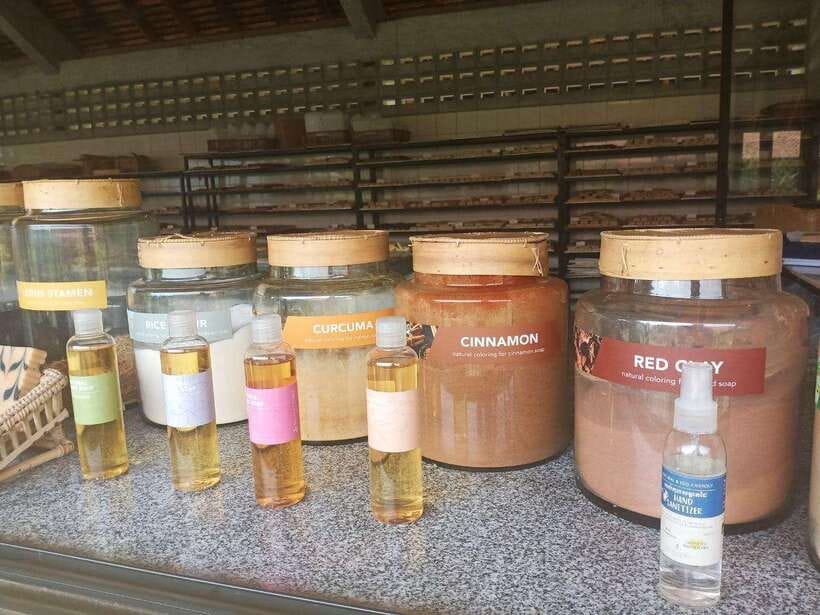
The visit gives you time to see how traditional materials can become packaged goods and gifts. This is a good place to ask questions about what is made locally, how products are prepared, and what makes one item different from another. The activity description specifically frames Senteurs d’Angkor around sustainable Cambodian treasures, so the emphasis is on local products rather than ordinary imported souvenirs.
The stop lasts about 50 minutes and includes a guided visit, browsing, and shopping. Food and drinks are not allowed during the tour, so do not expect a tasting session unless the staff specifically provides one as part of the visit. No meal is included.
For many people, this will be an easy place to find small gifts. Still, keep your spending in mind. The tour price does not include personal expenses, and four shopping stops can add up quickly if you buy at each one.
I like the contrast here. At the silk farm and Satcha, you watch physical craft processes. At Senteurs d’Angkor, you see how Cambodian materials and local ideas are turned into finished products ready to take home.
More pottery and craft workshops in Siem Reap:
- Siem Reap: Cambodian Pottery Class
★ 4.9 · 339 reviews - Cambodian Pottery Class in Siem Reap
★ 4.5 · 157 reviews - Workshop Visit and Sombai Liqueur Tasting
★ 5.0 · 90 reviews - Sombai Siem Reap Workshop Cocktail Class
★ 5.0 · 23 reviews
Artisan d’Angkor: a final look at Cambodian handicrafts
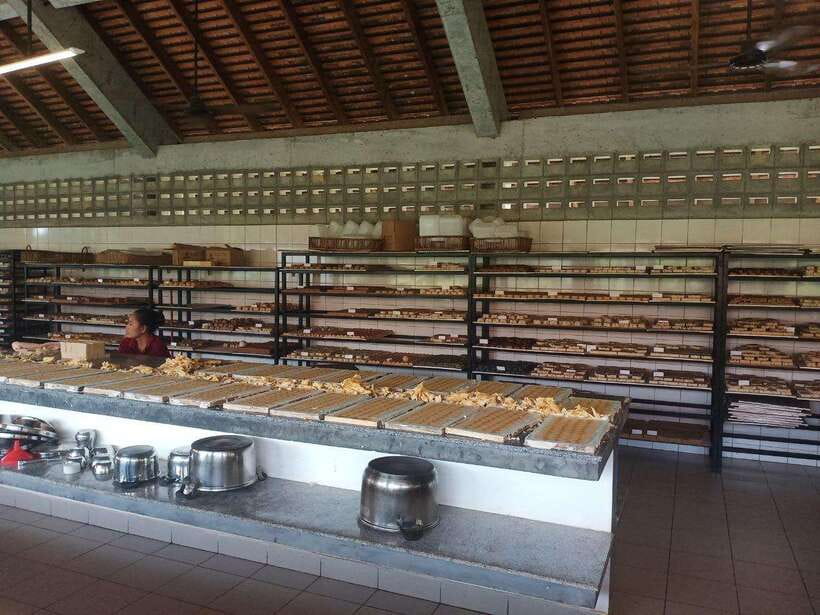
The last stop is Artisan d’Angkor, where you can see local handicrafts being made and browse the finished work. It rounds out the tour by returning to the relationship between skilled makers and the objects sold to visitors.
The visit includes a guided tour, sightseeing, walking, a workshop element, and shopping, with about 50 minutes allocated. The exact craft demonstration can vary, so it is best to treat this as a broad introduction rather than expecting one named technique.
This stop is useful after Satcha because you can compare different approaches to Cambodian craft production. Satcha places strong emphasis on multiple workshops and contemporary design. Artisan d’Angkor gives you another setting in which to see local handicrafts produced and presented for sale.
If you have already bought silk, bamboo, or scented products, wait before making a final purchase here. You may see more than one item that fills the same souvenir role. Take a moment to compare quality and price instead of shopping on autopilot.
The tour then returns you to your hotel in Siem Reap. Because the final transfer is listed at about five minutes, the route is designed to keep the afternoon or morning compact.
Transport, timing, and the pace of the route
Pickup begins in Krong Siem Reap, followed by a van transfer of about 15 minutes to the silk farm. The next transfer is around 15 minutes, then the remaining drives are listed at roughly five minutes each.
The four main visits are each planned for about 50 minutes. Add the transfers, pickup, drop-off, and ordinary loading time, and the advertised four-hour duration makes sense. The schedule is efficient, but it leaves little room for a long unscheduled stop.
That pace is a benefit if you have only half a day free. You can fit the tour around temple visits, an afternoon rest, or an evening meal. It is also helpful for people who do not want to spend a full day moving between craft sites.
On the other hand, you should not book this expecting a slow village visit or an extended class. The itinerary includes workshops and classes in the broad sense of watching craft work and learning about it, but the supplied information does not promise that you will make a silk item, carve bamboo, or produce a finished object yourself.
The group format is private, which gives you more control than a large shared bus. You can ask questions and spend more attention on the workshops that interest you. The listed price is $25 per group of up to two people, so confirm the price for a larger group before booking.
What the $25 price really offers
At $25 per group of up to two, this is strong value if you use the transport and visit all four sites. You are paying for a private outing with hotel pickup and drop-off, rather than four separate entrance visits and self-arranged rides.
The value is less about admission tickets and more about convenience and access. The stops are described as included, and one booking recorded no entrance charges. You also avoid losing time arranging tuk-tuks or negotiating several short trips outside central Siem Reap.
The tradeoff is that shopping is part of the route. That is not automatically a problem, especially if you need gifts, but you should understand the structure before booking. The tour takes you to places where Cambodian products are displayed for sale, and personal purchases are extra.
For one person, the group price may feel less attractive than it does for two. For two people, however, $12.50 each is a modest cost for four hours of transport and organized visits. It is particularly practical on a day when you want something cultural but do not want another temple circuit.
Who should book this experience
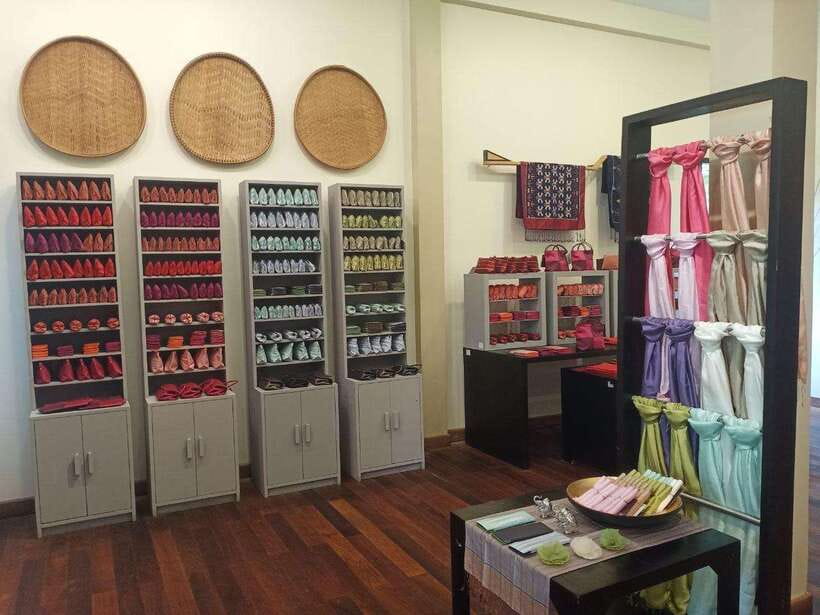
I would recommend this tour to you if you enjoy handmade goods, photography, design, or learning how everyday materials become finished products. Families with older children may also find the silkworm and weaving stages easier to follow than a long historical lecture, though the activity is not listed as suitable for wheelchair users.
It suits first-time visitors who want a gentle introduction to Cambodian crafts. It also works well for repeat visitors who have already seen the main temples and want a different side of Siem Reap Province.
You should bring comfortable walking shoes, a hat, sunscreen, and a camera. Smoking is not allowed, and food and drinks cannot be consumed during the tour. The sites include outdoor walking, so light clothing and sun protection are practical choices.
This may not be the right pick if you dislike shopping stops, need step-free access, or want a single long hands-on class. It is also not a meal outing, and no food is included.
The activity has an overall rating of 4.6 from seven reviews, with especially strong praise for the silk farm, attractive gardens and well-kept sites, friendly staff, and the chance to buy locally made gifts. One French-speaking visitor found the explanations helpful, while an English-language booking described the silk farm as very informative and the first workshop as particularly good value.
Should you book the silk farm and craft tour?
Book it if you want an affordable, private half-day built around Cambodian making traditions. The silk farm gives you the clearest story, Satcha offers the broadest range of craft skills, and Senteurs d’Angkor and Artisan d’Angkor add useful shopping and production stops.
Skip it if you want a quiet rural outing, extensive time with one artisan, or no retail element. For everyone else, this is a practical way to see much more than finished souvenirs. You leave with a better sense of the work behind Cambodian silk, bamboo, scents, wood, lacquer, jewelry, and other handmade goods.
FAQ
How long does the tour last?
The tour lasts four hours, including hotel pickup, visits to four craft locations, short van transfers, and return to your hotel in Siem Reap.
What locations are included?
The tour includes Angkor Silk Farm, Satcha Handicraft Center, Senteurs d’Angkor, and Artisan d’Angkor.
Is hotel pickup and drop-off included?
Yes. Pickup and drop-off in Krong Siem Reap are included.
Is the tour private?
Yes. It is arranged as a private group activity, with the listed price covering a group of up to two people.
What language is used?
The listed language is English, and the driver is described as English-speaking. A booking also recorded French explanations at the sites, but English is the confirmed activity language.
What should I bring?
Bring comfortable walking shoes, a hat, sunscreen, and a camera. Smoking and consuming food or drinks are not allowed during the tour.
Just added around Siem Reap
- Twilight Tastes of Siem Reap Include Dinner★ 5.0 · 13 reviews
- Ultimate Sunrise to Angkor Wat, Angkor Thom and Bayon Temple★ 5.0 · 3 reviews
- Trekking Tour at Phnom Kulen National Park from Siem Reap★ 5.0 · 3 reviews
- Professional Photo Shoot in Angkor Archaeological Park, Siem Reap★ 5.0 · 42 reviews
- Full-Day Private Tour of Angkor Wat with Pick Up★ 5.0 · 12 reviews
- Unveiling 2 Days Private Angkor Wat/Beyond In Sunrise/Sunset Tour★ 5.0 · 48 reviews
- Siem Reap City Tour with War Museum and Killing Field★ 5.0 · 27 reviews
- Private Day Trip to Angkor Temples with Expert Guide★ 5.0 · 4 reviews
Silk Farm Tours, compared.
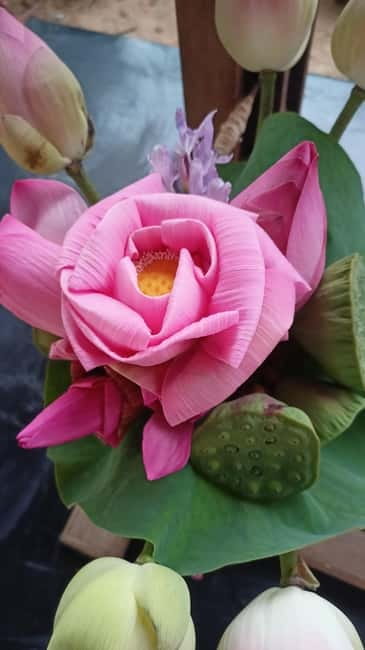
Angkor Silk Farm & Lotus Silk Farm: Siem Reap Discovery Tour
Read our review →
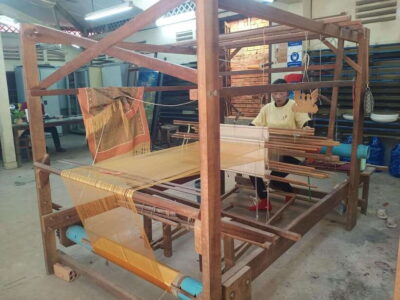
Half Day Trip: Silk Farm, Satcha, and Senteur d’Angkor Tour
Read our review →
Banteay Chhmar Temple & Silk Farm Private Day Trip from Siem Reap
Read our review →
Tuk Tuk Journey: Exploring Rural Life and Silk Farm Craftsmanship
Read our review →Browse the lists this tour appears in