
Reviewed · BATTAMBANG TOURS
Handicraft tour/rice paper,/rice wine/bat cave Sun Set
Battambang’s best tour is not a single grand monument. It is the moving picture between stops: rice fields, village lanes, craft workshops, roadside snacks, old temples, painful Khmer Rouge sites, and millions of bats streaming into the evening sky. This is a full day in a tuk tuk, with the countryside doing much of the talking.
I like the hands-on local stops, especially the rice-paper workshop and rice-wine tasting. I also like the way the tour connects everyday rural work with Cambodia’s difficult past at Wat Samrong Khong and Phnom Sampov. Guides such as Sam, Vannak, Bao, and Sambath Liv have been praised for patience, flexibility, and strong English.
The main catch is cost clarity. The advertised price is only $8 per person, but many worthwhile stops charge separately, including the Bamboo Train, cave area, tastings, and donations. Add those fees before booking, and expect a long, busy day rather than a gentle half-day outing.
Quick reasons to choose this Battambang tour
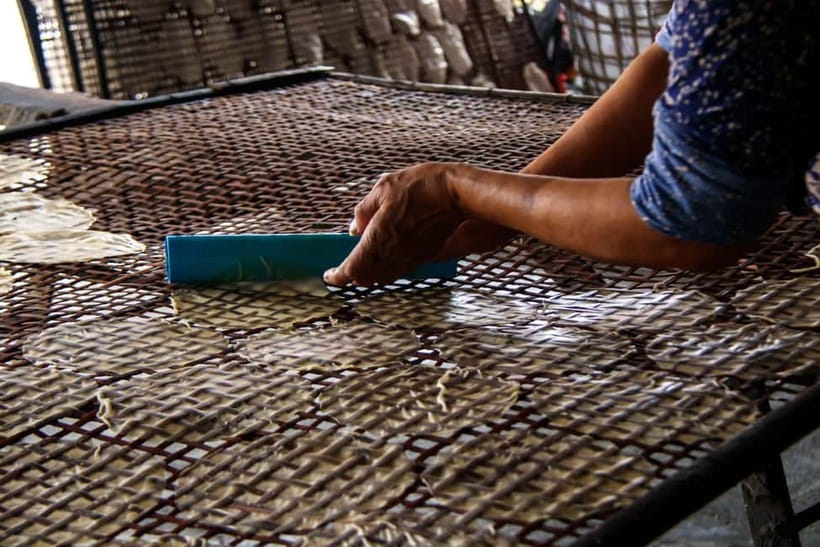
- Watch rice paper become spring-roll wrappers, then sample it for an extra $1 per person.
- Taste local rice wine and fruit while seeing how small family businesses make everyday food and drink.
- Ride or watch the Bamboo Train through countryside and village areas, with a listed $5 ticket.
- Learn about Khmer Rouge history at Wat Samrong Khong and Phnom Sampov’s killing cave.
- Climb Phnom Sampov for wide views, monkeys, stupas, a monastery, and an old cannon.
- See the sunset bat flight, when millions of bats leave the cave in a steady evening stream.
A full day that shows Battambang beyond the center
This experience works best as a long day, usually beginning around 9:00 AM and returning near 7:00 PM after sunset at the bat cave. The exact length can range from four to ten hours, depending on which option you choose and how long you spend at each stop.
You are picked up at your hotel in the Battambang area by tuk tuk. Bring cash, water-resistant protection for the ride if needed, a camera, and shoes suitable for climbing. Bottled water and local fruit are included, and lunch is not.
The guide normally begins with a short briefing before heading beyond the city. You will pass rice paddies, small villages, and farm areas. This opening section matters because it gives context for everything that follows. Rice paper, sticky rice, dried bananas, fish products, and rice wine are not staged museum displays here. They are part of the work and food economy of rural Cambodia.
Guides have different personalities and teaching styles. Sam was praised for excellent English and for answering questions clearly. Vannak was noted for adding fruit stops and explaining agriculture. Bao and Sambath Liv were praised for patient explanations and a flexible pace. The experience can therefore feel different depending on who leads it, but the common strength is direct contact with local work.
A few more Battambang half-days worth weighing up
- Battambang: Tuk-Tuk, Bamboo Train, Killing/Bat Caves, Sunset
★ 4.9 · 1,436 reviews - Battambang Tuk Tuk tour: Bambootrain, Killing & Bat Caves,Sunset
★ 5.0 · 799 reviews - Afternoon tour by tuk tuk to bamboo train,bat cave,killing cave,countryside.
★ 5.0 · 344 reviews
Markets, village food, and the work behind Cambodian snacks
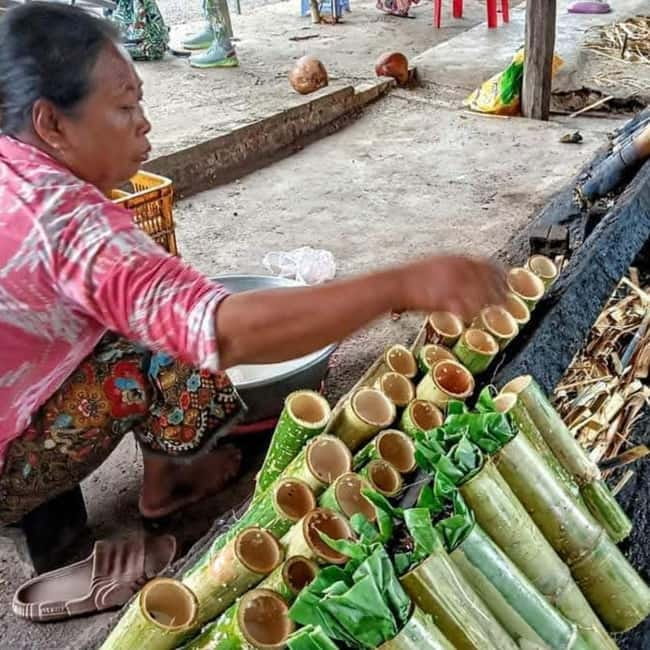
The route includes a stop at a fresh market, followed by visits connected with traditional food production. You may see people preparing bamboo sticky rice, a portable snack cooked inside bamboo. A small tasting costs $1 all together.
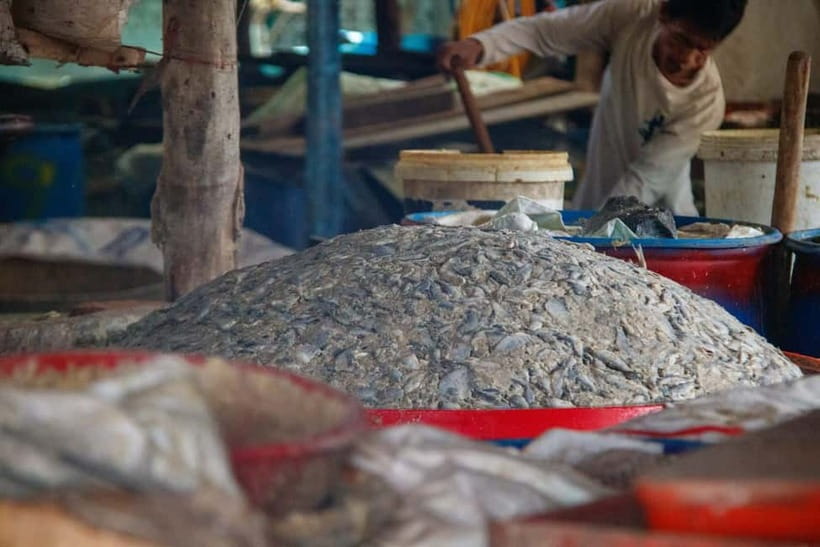
Other demonstrations can include Cambodian cheese, dried fish, and smoked fish. The wording of the tour description is broad, so the precise order may change. That flexibility can help if you have a child, need extra time, or want to spend longer at a particular workshop. One family appreciated having the route adjusted around a young child.
A particularly memorable part of the road experience is the food being sold in public. Depending on the stop, you might see insects, snakes, grasshoppers, crickets, barbecued mice, and bats. You do not have to eat anything, and the tour is not built around forcing unusual tastings. The point is to see what is openly sold and how local food habits differ from those at home.
The guide may also stop to explain rice seeds and how rice is grown. This is a small detail, but it turns a passing field into something understandable. You see the crop, then hear about the seed and work behind it. That connection is more useful than simply photographing a green field from the tuk tuk.
Rice paper, dried bananas, and a working countryside
The rice-paper factory is one of the strongest stops for anyone interested in ordinary Cambodian life. You can see how thin sheets used for spring rolls are made, then pay $1 per person to taste a spring roll. The process is practical and repetitive, which is exactly why it is worth seeing. There is no polished theme-park version of rural production here.
The same section of the route may include dried bananas and inexpensive fresh bananas. A dried-banana tasting costs $1 all together. These stops are short, but they show how families turn basic crops into goods that can be sold, stored, and carried.
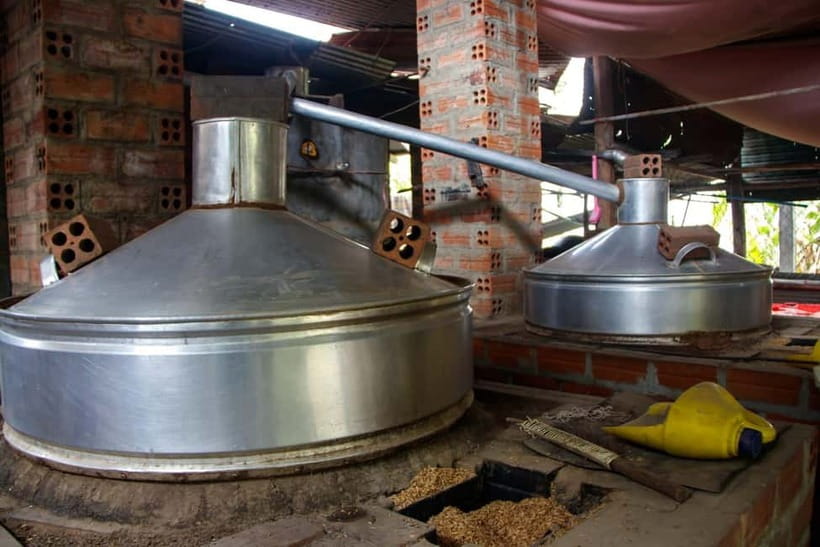
The rice-wine factory adds another layer. You can see how Cambodian rice wine is made and taste it for a $1 entrance fee per person. If you do not drink alcohol, ask your guide how much of the stop is demonstration rather than tasting. The tour is still worthwhile for the production process itself.
I would budget for these small payments rather than treating them as surprises. Each fee is modest, but several together change the final price. The tour’s low headline cost is attractive, yet the real value depends on how many optional activities you choose.
Wat Samrong Khong and the difficult history of the Khmer Rouge
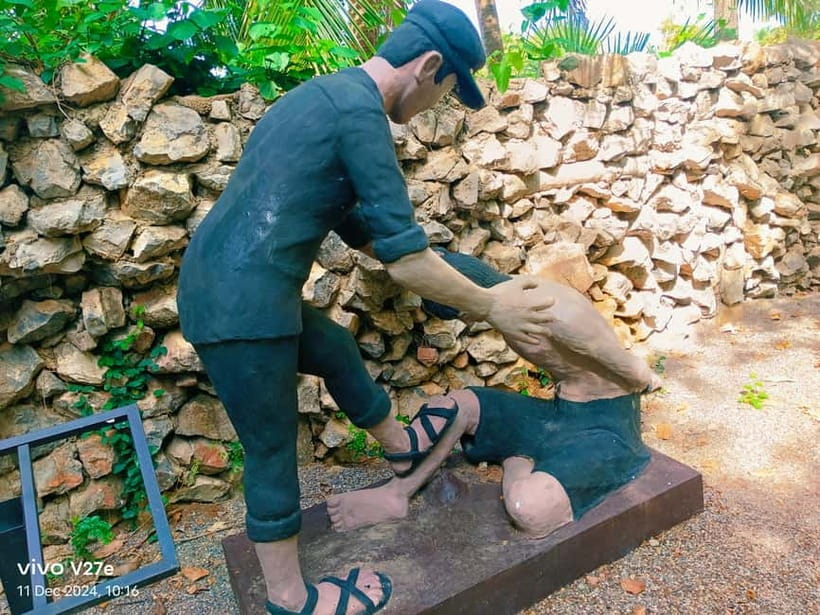
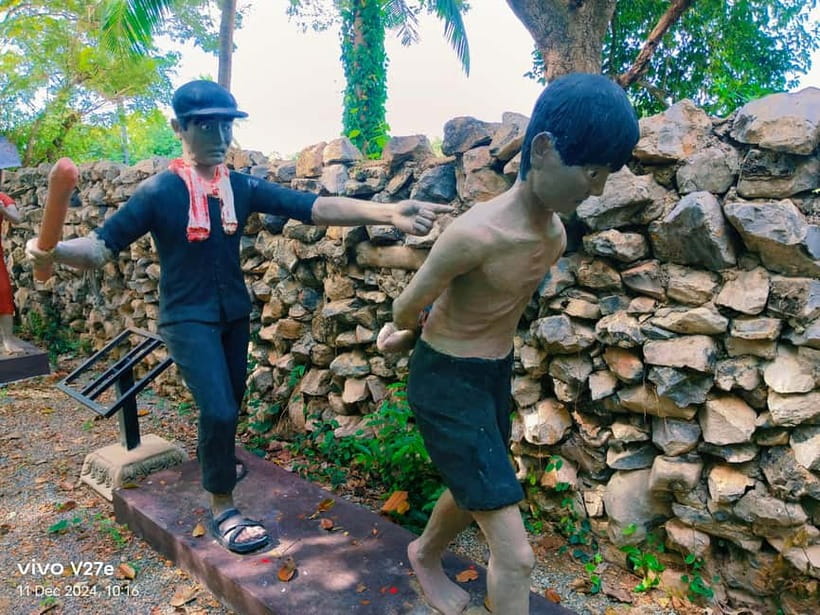
Wat Samrong Khong, also written as Wat Somrong in the tour description, is presented as a killing field connected with the Khmer Rouge period under Pol Pot. Your guide explains the site and the wider history of the period. A donation is requested, though no fixed amount is provided.
This is not a light sightseeing stop. The subject needs time and respect, and the quality of the visit depends heavily on how your guide explains it. One guide received criticism for giving too much information at once and drifting into unrelated conflicts. That is useful advice: if the explanation becomes hard to follow, ask your guide to focus on the site, local history, and the people affected in Battambang.
The tour also includes Phnom Sampov’s killing cave later in the day. Seeing both locations can make the history feel heavy, but it also gives the day a serious purpose. You are not simply racing from one photo stop to another. You are learning how recent history shaped families, villages, and Cambodia’s present.
Same base, a completely different kind of day:
- Local Livelihood Half Day Bike Tour in Battambang
★ 5.0 · 287 reviews - Explore Battambang full day tour by Tuk Tuk (start from 9am-6:30pm)
★ 5.0 · 240 reviews - Battambang: Bamboo Train, Bat Cave, Killing Cave by Tuk Tuk
★ 5.0 · 182 reviews - Full Day tour .City tour.Countryside.Bamboo Train.Secret Bat Cave
★ 5.0 · 178 reviews
Ek Phnom, crocodiles, and the old road through the villages

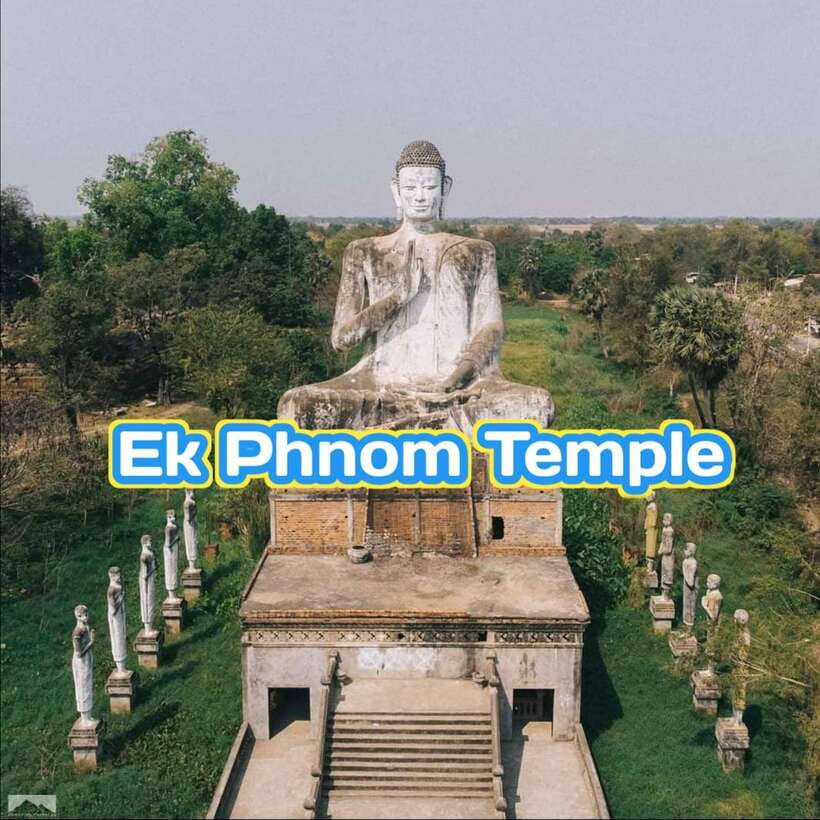
The route can continue to Ek Phnom temple, reached by roads through the countryside. The information provided does not specify how long you stay there, so consider it a shorter temple stop rather than the main focus of the day.
Another stop involves a crocodile area with about 800 crocodiles and time for photographs. Again, the visit appears to be brief. It may appeal to you if you enjoy unusual local attractions, but it is not the reason to book this tour. The stronger parts are the village production stops, history, Bamboo Train, and bat flight.
The tuk tuk is important here. It keeps you close to the road, fields, and passing villages, unlike an enclosed vehicle. You will also feel the heat, dust, traffic, and bumps more directly. That is part of the rural experience, but anyone wanting air conditioning and a quiet ride should choose a different format.
Lunch and the Bamboo Train
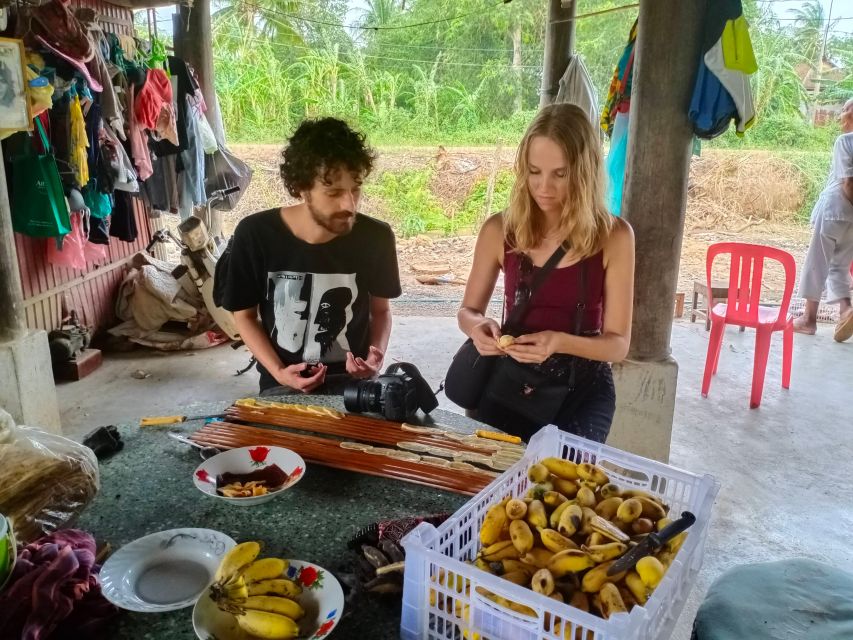
Around noon, you can choose lunch in the city or countryside. Lunch is not included, and the exact restaurant or meal is not specified. Ask your guide early where you will stop and what payment method is accepted.
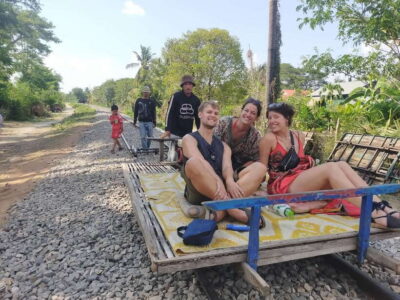
The Bamboo Train is one of Battambang’s best-known activities. The tour lets you add it for a listed $5 ticket. The description connects the ride with nature, countryside, villages, and rural scenery. It is a simple rail experience rather than a polished attraction, and that simplicity is the appeal.
You should not assume the Bamboo Train is guaranteed if you are short on time or if the route changes. One person who could not take the train was given a nature-focused alternative instead. That suggests the guide may be able to adjust the day, but you should confirm your priority at the start.
The train stop also affects the pace. After a morning of markets and workshops, it offers a change from watching other people work. You sit, move through the countryside, and let the day slow down before the climb at Phnom Sampov.
Phnom Sampov: caves, monkeys, and a wide view
The final major section takes you to Phnom Sampov. You can hike up or pay for a motorbike ride to the upper area. The tour mentions the killing cave, a large cannon, a gun, a monastery, stupas, and monkeys.
The climb is a real consideration. The experience is not suitable for wheelchair users or people with mobility impairments, and it is also not recommended for people with heart problems. The supplied guidance excludes people over 70 and over 95, which is unusually specific, so older visitors should discuss the physical demands before booking.
At the top, the view across the Battambang area is one of the day’s rewards. You can look over fields and villages after spending hours moving through them at ground level. Bring a camera, but do not let photographs replace the historical stop below.
At the killing cave, listen closely and give yourself time. The site combines natural rock, a religious setting, and the memory of people killed during the Khmer Rouge era. Guides vary in how closely they accompany visitors. One person found it hard to hear because the guide stayed below, so make sure you are near your guide when the explanation begins.
The bat cave at sunset
The day finishes with one of Battambang’s most striking natural events. After waiting roughly five to ten minutes, you may see millions of bats emerge from the cave around sunset. The flight continues as the sun drops, with the tour aiming to finish near 6:30 PM and return you to your hotel around 7:00 PM.
The timing is the key. This is not a stop you can casually fit into any part of the afternoon. A delayed lunch, a long history discussion, or extra time at a workshop can affect the evening schedule, so tell your guide that the bat flight is a priority.
One guide has been praised for taking visitors to a less crowded viewing place. That kind of local judgment can make a real difference, though you should not assume every guide will use the same location. Ask where you will stand and whether the guide will stay with you during the explanation.
The bat flight is a strong finish because it is simple and free of ceremony. You wait beside the cave, the sky changes, and then the stream begins. After a day of human work and difficult history, this is a quiet natural moment.
What the $8 price really gets you
The advertised price is $8 per person. For that, the package includes a tuk tuk, driver and English-speaking live guide, hotel pickup and drop-off in the Battambang area, cold bottled water, and local fruit.
The additional charges matter:
- Bamboo Train ticket: $5 each
- Wat Samrong Khong: donation
- Bamboo sticky rice tasting: $1 all together
- Rice-paper spring-roll tasting: $1 per person
- Dried banana tasting: $1 all together
- Rice-wine entrance: $1 per person
- Killing cave and bat cave ticket: $1 per person
- Lunch: not included
The wording for the Bamboo Train price says $5 for each, so confirm whether that means each person before you ride. Carry small cash for the workshops, donations, food, and entrance fees.
At $8, the basic transport and guiding package is inexpensive. Once you add the train, tastings, entrance fees, and lunch, the total rises sharply. That does not make the tour poor value, but it means you should compare the final cost with other full-day options, not just the advertised starting price.
Who should book this day
I would choose this tour if you want a broad introduction to Battambang and prefer local production, village roads, and history over a neat sequence of major monuments. It suits curious first-time visitors, photographers, families who need some flexibility, and anyone keen to see the countryside by tuk tuk.
It also suits you if you want one day that covers many different subjects: food, farming, craft, religion, recent history, animals, transport, and nature. The route is full, and the guides often adjust it when timing or family needs require a change.
I would hesitate if you dislike long tuk tuk rides, heat, dust, climbing, or extra payments at several stops. I would also avoid it if you need a carefully paced historical tour with short, tightly structured explanations. The day can feel rushed or overloaded, especially if your guide gives long talks without checking that you are following.
Book with the bat flight and Bamboo Train clearly marked as priorities. Also ask which guide is assigned, how the extra fees will be handled, and whether your preferred stops fit the day’s timing.
FAQ
How much does the tour cost?
The advertised price is $8 per person. Several activities and tastings cost extra, and lunch is not included.
How long does the tour take?
The activity is listed as lasting four to ten hours. The full-day schedule begins around 9:00 AM and may return you to your hotel around 7:00 PM.
Is hotel pickup included?
Yes. Pickup and drop-off are included for hotels in the Battambang area. You should be ready at least 15 minutes before the start time.
What transport is used?
The tour uses a tuk tuk with a driver and English-speaking live guide.
Is lunch included?
No. You can choose to eat in the countryside or in the city around midday, but you pay for lunch yourself.
What does the rice-paper stop include?
You can see how rice paper for spring rolls is made. A spring-roll tasting costs $1 per person.
How much is the Bamboo Train?
The listed Bamboo Train ticket is $5 for each person, but confirm the exact charge when booking.
Is the bat cave entrance included?
No. The listed ticket for the killing cave and bat cave is $1 per person.
Can I hike up Phnom Sampov?
Yes. You can either hike or take a motorbike up the mountain. The tour is not suitable for wheelchair users or people with mobility impairments.
What languages are available?
The tour is conducted in English, with an English-speaking live guide. An English audio guide is also listed as optional.
Just added around Battambang
- Bamboo Train, Banann Temple, Fruit Bat, Bat Cave, Sunset★ 4.2 · 3 reviews
- Private Battambang Full-Day Guided Tour★ 4.5 · 3 reviews
- Battambang Private Day Tour★ 5.0 · 5 reviews
- Private Taxi Transfer From Battambang – Siem Reap City★ 5.0 · 4 reviews
- Afternoon tour to Original Bamboo train. Bat cave. Killing cave★ 5.0 · 25 reviews
- Private Boat from Battambang to Siem Reap via Tonle Sap Lake★ 4.5 · 3 reviews
- Tuk Tuk Tour (Full-Day)★ 5.0 · 7 reviews
- Private Taxi Transfer Battambang from/to Phnom Penh★ 5.0 · 7 reviews
Battambang Tours, compared.
Tuk-Tuk, Bamboo Train, Killing/Bat Caves, Sunset
Read our review →
Afternoon tour by tuk tuk to bamboo train,bat cave,killing cave,countryside.
Read our review →
Local Livelihood Half Day Bike Tour in Battambang
Read our review →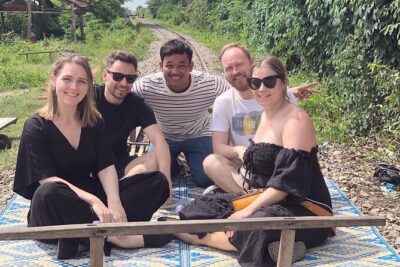
Explore Battambang full day tour by Tuk Tuk (start from 9am-6:30pm)
Read our review →
Full Day tour .City tour.Countryside.Bamboo Train.Secret Bat Cave
Read our review →
A Day TukTuk Handicrafts Bambootrain Killing&BatCaves,Sunset
Read our review →
Browse the lists this tour appears in