
Reviewed · KILLING FIELDS TOURS
Morning Tuk tuk: City, Handicrafts, Killing field, Temples
Battambang’s best stories often come from small family workshops, not grand monuments. This early tuk-tuk trip takes you from the city’s old buildings and market to homes and village businesses making noodles, rice paper, bamboo sticky rice, and rice wine. You also visit Wat Samrong Knong, a beautiful and painful historic site, then finish at Ek Phnom with its 25-meter Buddha and ancient temple ruins.
I like the way the tour connects everyday food with Cambodian culture. You do not just look at a packet of rice noodles or a spring roll. You see the work behind it, taste fresh products, and meet people who still make them by hand. I also like the guides’ personal approach. Samol is praised for clear English, humor, history, and great photos, while David brings a local view of daily life.
The main drawback is the pace. Five hours covers a lot, and some stops are short visits rather than long, quiet explorations. The tuk-tuk is practical for village roads, but anyone sensitive to heat, dust, or road movement should think carefully before booking.
Key points to know before you book
- Four hands-on food stops: See Khmer rice noodles, bamboo sticky rice, rice paper, and rice wine being made, with tastings included.
- A serious historical visit: Wat Samrong Knong includes a Buddhist temple, a Khmer Rouge detention site, a torture house, and a killing field.
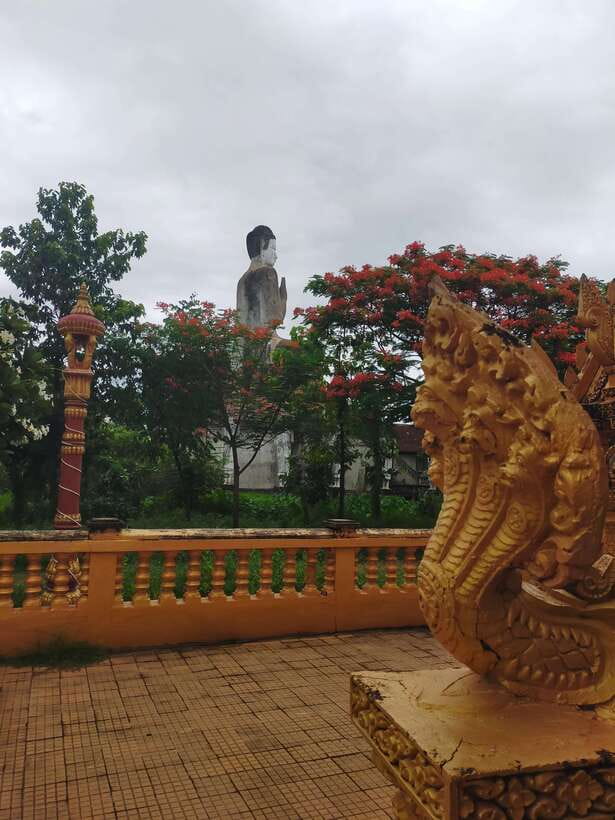
- Two very different temple experiences: Ek Phnom combines a huge modern Buddha with the remains of an 11th-century Hindu temple.
- A guide-led city introduction: Learn about Battambang’s buildings, agriculture, religion, folk tales, and the Ta Dambong Kranhoung statue.
- A useful early start: Pickup is around 7:20 AM, helping you get through the rural stops before the day becomes too hot.
- Good value at $20 per person: Transport, guide, water, snacks, admissions, donations, and hotel pickup and drop-off are included.
Why this five-hour tuk-tuk tour works
I see this as a food, culture, and history tour rather than a simple temple ride. The temples matter, but the strongest part is the link between Cambodian agriculture and daily meals. Rice appears again and again, in noodles, paper wrappers, desserts, wine, and the fields outside town.
You start around 7:20 AM with pickup from your hotel or a restaurant. The exact pickup area matters: the service covers locations up to 5 kilometers from Battambang town. If you are staying farther out, confirm the meeting point before you reserve.
The tour runs for about five hours and returns you to Battambang for lunch or your hotel. That makes it easy to fit into a short stay. You get a substantial morning out without giving up the entire day.
More Temple Tours in Phnom Penh
- Phnom Penh City Tour, Silver Pagoda, Genocide Museum, Killing Fields
★ 5.0 · 123 reviews - Oudong Mountain History and Pagoda Tour
★ 5.0 · 39 reviews - 2-Day Phnom Penh to Siem Reap and Angkor Wat Temples
★ 5.0 · 22 reviews
Battambang’s city center and Ta Dambong Kranhoung
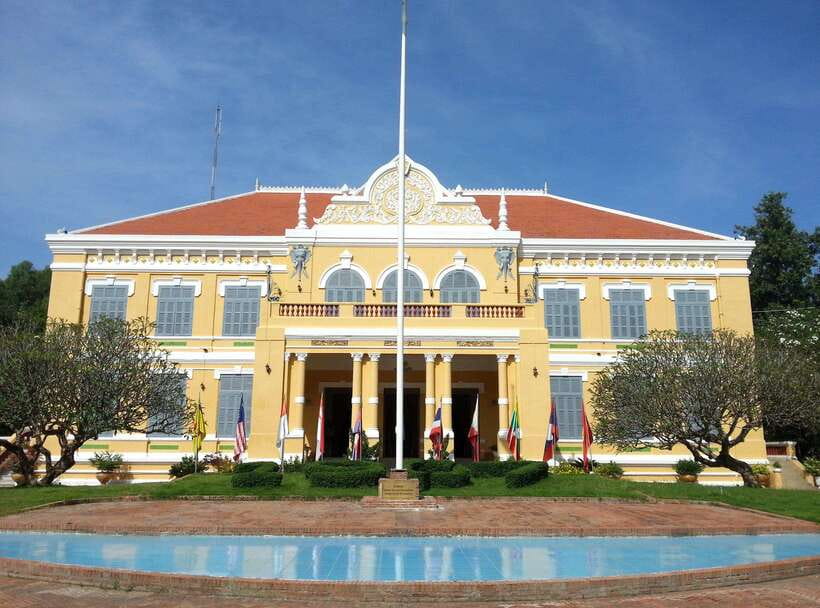
The first section gives you a quick introduction to Battambang. From the back of a tuk-tuk, you see historical buildings, the central market, the provincial hall, and Ta Dambong Kranhoung, the city’s symbolic statue.
This is not designed as a long architectural walk. Instead, your guide gives you the setting you need for the countryside stops that follow. You hear stories about Cambodia’s history, religion, agriculture, culture, and folk tales. That explanation helps you understand why rice production is so central to life around Battambang.
I like this opening because it gives the tour a sense of place before the workshop visits begin. You are not simply being driven from one attraction to another. You get a short look at how the city connects to the farming communities beyond it.
Guides such as Samol have been praised for explaining Cambodian history and Buddhism in a lively way, with enough humor to keep the early start from feeling too formal. David has also been noted for presenting local food and daily life from a Cambodian point of view. Guide availability can vary, but English-language guiding is included.
Khmer rice noodles, made the local way
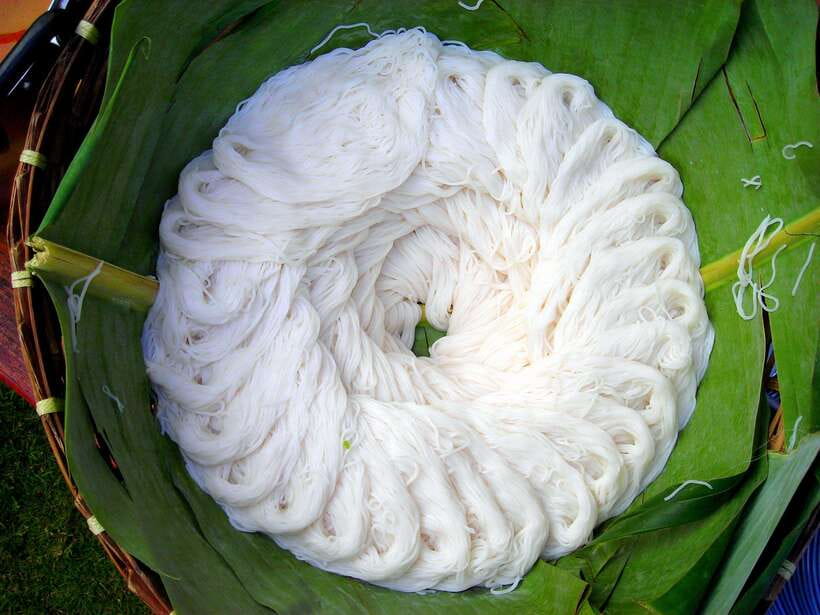
The first food stop shows how Khmer rice noodles are produced by local makers. Your guide explains that these noodles are eaten for breakfast, lunch, and dinner, often in place of other Khmer dishes. You also get to try some.
This is a useful stop because it turns a familiar food into a process you can see. Rice is soaked, worked, and transformed into noodles through traditional production. The tour information does not specify every piece of equipment or each production step, so you should expect a practical introduction rather than a technical factory lesson.
The tasting is part of the appeal. You are not just watching someone work. You can connect the finished product with the labor and skill involved in making it. If you enjoy food tours that focus on ordinary meals rather than restaurant menus, this stop should be one of the highlights.
Bamboo sticky rice and a sweet village snack
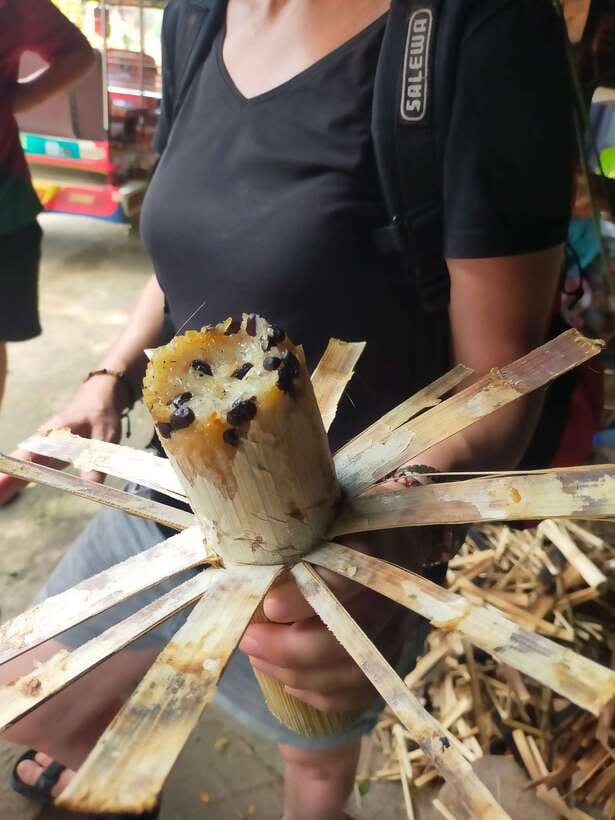
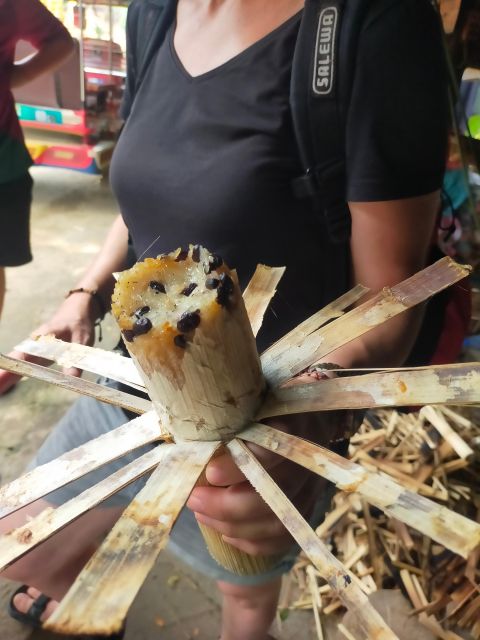
Next comes bamboo sticky rice, a Cambodian dessert or sweet snack. You watch local makers cook the rice inside bamboo and learn why the treat is popular with both residents and visitors.
The appeal here is visual as well as edible. Bamboo is not merely a building material or a background feature in the countryside. It becomes part of the cooking method and gives the snack its distinctive identity.
You should expect a small tasting rather than a full meal. Bottled water, wet wipes, and snack tastings are included, but personal spending is not. Bring some cash if you want to buy extra food or products, though the tour details do not promise that every stop has items for sale.
This is one of the places where the tour feels most connected to ordinary household skills. You see a local product made close to its source, and you have the chance to try it while it is fresh.
More Tuk-Tuk Tours in Phnom Penh
- Phnom Penh Silk Island Bike Tour/ E-Bike or Tuk Tuk
★ 5.0 · 495 reviews - Ultimate Phnom Penh Food Tour by Tuk Tuk: 20 Tastings and Drinks
★ 5.0 · 409 reviews - Phnom Penh’s Culinary Underground: Local Food Tour by Tuk-tuk
★ 5.0 · 234 reviews - Phnom Penh’s Morning Market and Street Art Tour by Tuk tuk
★ 5.0 · 128 reviews
Wat Samrong Knong, beauty beside a painful past
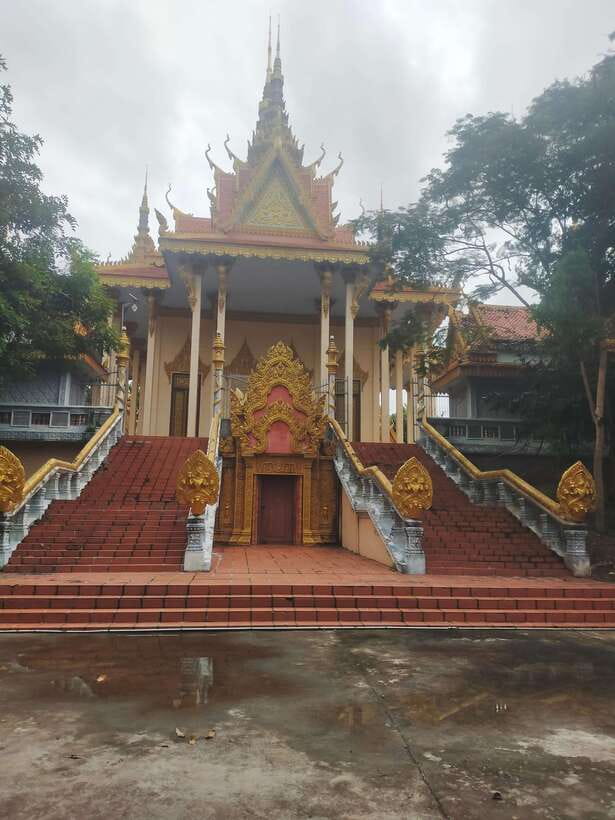
Wat Samrong Knong is the most emotionally serious stop. The Buddhist temple dates to 1707, and the site includes a brick stupa built in 1887. It is also tied to the Khmer Rouge period.
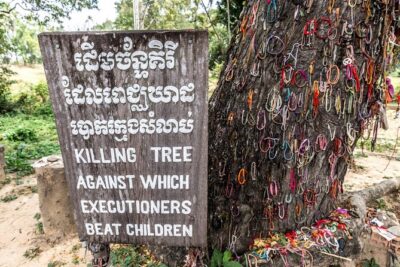
The pagoda was used to house Khmer Rouge soldiers and as a detention area for victims. You see a torture house and a killing field where approximately 10,008 people were killed. This is not a light sightseeing stop, and you should allow yourself time to take in the information respectfully.
The contrast is difficult but important. The temple’s age and religious purpose sit beside evidence of Cambodia’s recent violence. A good guide can help you understand both without reducing the place to a quick photo stop. The tour description says your guide will explain the site, so listen closely and ask questions if you need context.
You may want modest clothing here and at the other temples. Sleeveless shirts are not allowed, so wear a top that covers your shoulders. The tour is not suitable for people over 70 or people with high blood pressure, according to the activity information. Those limits may relate to the heat, transport, walking, or the demanding nature of the day, so consider your own comfort honestly.
Rice paper and the work behind spring rolls
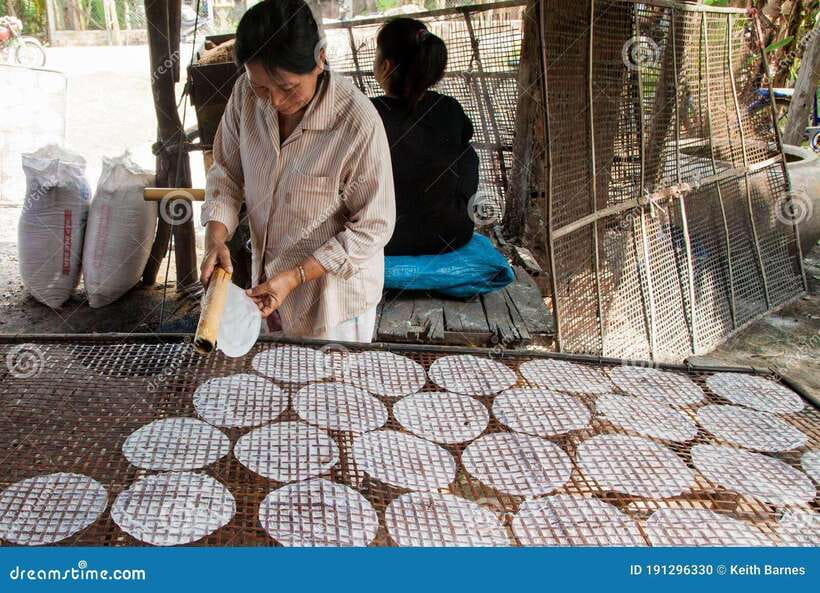
The next village stop focuses on rice-paper production. You see how sheets are made and learn how they are used for spring rolls. The local makers can produce at least 1,500 sheets a day, which gives you a clear idea of the repetition and stamina required.
This is one of the most useful visits for understanding small-scale rural work. A rice-paper wrapper looks simple when it arrives on your plate. Seeing the production process shows that it is the result of steady handwork and careful timing.
The tasting makes the stop even better. One guide, Samol, has been praised for sharing fresh spring rolls and taking photos during the day, later sending the images through WhatsApp. Photos are a thoughtful extra, but do not treat them as a guaranteed service with every guide. The included photo opportunities are confirmed, while the method of sharing may differ.
If you love Cambodian food, pay attention here. This is the point where the tour’s food story becomes especially clear: rice moves from field to workshop, then into the dishes you eat.
Rice wine, medicine, and unusual infusions
The rice-wine stop takes you to a production plant that has been in use since the 1980s. You learn how rice wine is made and sample it.
The guide also explains traditional uses for the drink. It has been used as medicine and to soak plants, fruits, and poisonous animals such as cobras and tarantulas. That last detail makes this stop more unusual than a standard tasting visit, though you should listen carefully to the explanation rather than assume every product is intended for casual drinking.
Alcohol sampling may not suit everyone. The tour does not list a nonalcoholic alternative, so tell your guide if you do not want to taste it. Personal expenses are not included, and the experience only promises sampling, not purchases.
I like this stop because it shows how one crop can have many roles. Rice is food, a wrapper, a dessert ingredient, and the base for a local drink. It also gives you a glimpse of practical traditions that are less polished than a commercial tasting room.
Ek Phnom’s giant Buddha and old temple ruins
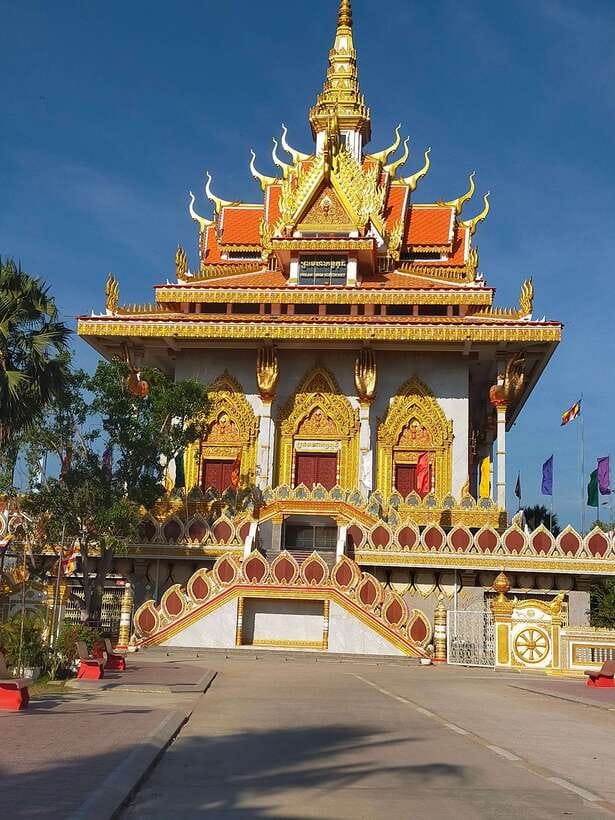
The final major stop is Ek Phnom. First, you see a 25-meter-high Buddha surrounded by standing Buddha statues. The scale is striking, and the open setting gives you a chance to step back and take in the full group of figures.
You then visit a Buddhist temple built in 1991. Inside, paintings on the walls show Buddha’s story. This newer religious site is still active in its own way as a place of Buddhist imagery and worship, and it gives you a different experience from the older ruins nearby.
The most historic feature is the remains of an Angkorian Hindu temple built in the 11th century during the rule of King Suryavarman I. The ruins connect Battambang to the wider Khmer world and to the temple-building tradition associated with Angkor.
Ek Phnom works well as the last stop because it brings together several periods of Cambodian history: an ancient Hindu temple, a modern Buddhist temple, and a giant contemporary Buddha. Do not expect a site on the scale of Angkor Wat. The attraction is the contrast and the setting, not a huge complex of intact monuments.
What the $20 price really includes
At $20 per person, this is strong value if you want several experiences in one morning. The fee includes hotel pickup and drop-off, a live English-speaking guide, cold bottled water, wet wipes, admissions, donations, photo opportunities, and snack tastings.
The value comes from the number of separate stops. You receive transport into the countryside, local explanations, temple access, food samples, and historical interpretation without having to arrange each piece yourself. A private tuk-tuk ride could also feel worthwhile for solo visitors, since one confirmed solo booking was able to continue as planned.
The price does not include personal expenses. That means extra food, drinks, souvenirs, or purchases at the production stops are your responsibility. The activity details do not state the group size, so do not book expecting a guaranteed private tour unless the provider confirms it.
The early departure also has practical value. By returning around midday, you can have lunch in Battambang or continue with another plan. The tradeoff is that you need to be ready early and accept a fairly full morning.
Comfort, clothing, and practical limits
A tuk-tuk is a good fit for the roads between town and the villages, but it offers less protection than a car. You may encounter heat, dust, wind, and road movement. Bring a hat and wear comfortable clothing, while remembering that sleeveless shirts are not allowed.
The tour includes bottled water and wet wipes, which are useful after food-production visits and time on the road. The pickup and drop-off zone extends 5 kilometers from Battambang town. Check this point before booking if your accommodation is outside the central area.
The activity is not suitable for people with high blood pressure or people over 70. It is also not designed for baby strollers. These limits are important because the morning combines road transport, outdoor stops, temple visits, and a serious memorial site.
Free cancellation is available up to 24 hours before departure for a full refund. You can also reserve now and pay later, which helps if your Cambodia plans are still changing.
Who should book this Battambang morning tour?
I would choose this trip if you want to see how local food is made and you prefer small working communities to a schedule filled only with monuments. It is particularly good for first-time visitors to Battambang because the guide supplies the background, transport, and local access in one package.
It also suits solo visitors. The live guide can make the morning feel social, and the experience does not depend on having a large group. Samol’s humor, clear English, history lessons, and willingness to take photos have made him a particularly strong guide when available.
I would be more cautious if you dislike alcohol tastings, have difficulty with tuk-tuk travel, or want a slow temple-focused day. The tour moves from city sights to four production stops, a memorial site, and Ek Phnom in five hours. That variety is its strength, but it also means you will not spend a long time at any single attraction.
Should you book it?
Book this tuk-tuk tour if you want Battambang’s food traditions, rural life, and history in one morning. The rice-noodle, bamboo-sticky-rice, rice-paper, and rice-wine stops are the real reason to go, while Wat Samrong Knong and Ek Phnom add depth and variety.
Skip it if you want a quiet, unhurried temple visit or need a fully sheltered vehicle. For most visitors who can manage an early start and a busy five-hour route, $20 is a fair price for the transport, guide, tastings, admissions, and access to local production sites.
FAQ
What is the price of the Battambang tuk-tuk tour?
The tour costs $20 per person.
How long does the tour last?
The activity lasts five hours and returns to Battambang for lunch or hotel drop-off.
What time does pickup begin?
Pickup begins at about 7:20 AM from your accommodation or a restaurant.
Where does pickup and drop-off take place?
Pickup and drop-off are available within 5 kilometers of Battambang town.
What language does the guide speak?
The live guide speaks English.
What food and drink will I taste?
You can taste Khmer rice noodles, bamboo sticky rice, rice-paper products including spring rolls, and rice wine.
Are entrance fees and donations included?
Yes. Admissions and donations are included, along with bottled water, wet wipes, snack tastings, and photo opportunities.
Can I cancel the booking?
Yes. You can cancel up to 24 hours in advance for a full refund.
Is the tour suitable for everyone?
No. It is not suitable for people with high blood pressure, people over 70, or anyone bringing a baby stroller. Sleeveless shirts are also not allowed.
More Khmer Rouge History Tours
- The Killing Field and Toul Sleng Genocide Museum (S21) Tour
★ 5.0 · 1,977 reviews - Killing field and Toul Sleng genocide museum Tour
★ 5.0 · 610 reviews - Visit 11 Places in One Day including S21 & Killing Field
★ 5.0 · 361 reviews - Killing Fields and Prison S21 Bus Tour
★ 4.0 · 206 reviews
Just added around Phnom Penh
- Exploring the Best of Phnom Penh: A Full Day Tour★ 4.5 · 9 reviews
- Private Transfer : Phnom Penh ↔ Sihanouk Ville★ 5.0 · 15 reviews
- War Museum, Killing Field, and APOPO Hero RATs Tour★ 5.0 · 7 reviews
- Phnom Penh Intercity★ 4.5 · 11 reviews
- Phnom Penh Nightlife Street Food Tours★ 4.5 · 14 reviews
- War Museum, Killing Field and Floating Village ( Kampong Phluk)★ 4.5 · 6 reviews
- War Museum, Killing Field and Floating village ( Chong Kneas) Tour★ 5.0 · 14 reviews
- The killing field and Toul Sleng Genocide museum (S21) Tour★ 4.5 · 19 reviews
Killing Fields Tours, compared.
The Killing Field and Toul Sleng Genocide Museum (S21) Tour
Read our review →
Visit 11 Places in One Day including S21 & Killing Field
Read our review →
Private Half Day To Killing Field & S21 Genocidal Museum in Phnom Penh
Read our review →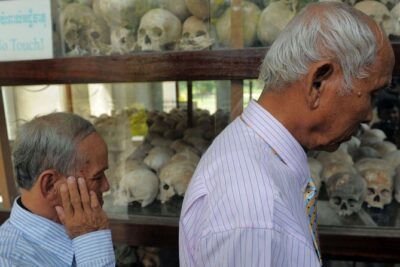
Tuol Sleng Genocide Museum (S-21) and Choeung Ek Killing Fields Tour
Read our review →
Phnom Penh City Tour, Silver Pagoda, Genocide Museum, Killing Fields
Read our review →City Highlights and the Killing Fields Day Tour
Read our review →
Full-Day Phnom Penh Sightseeing Tour & Killing Field
Read our review →Browse the lists this tour appears in