
Reviewed · BAMBOO TRAIN TOURS
Bamboo train. Phnom Sampove cave. Bat cave and Banan Temple
The best part of this day is the way it links Battambang’s countryside and caves into one long, easygoing outing. You ride the bamboo train, pass vegetable and fruit farms, cross a suspension bridge, climb around Phnom Sampov, and finish by watching thousands of bats pour from the cave at sunset.
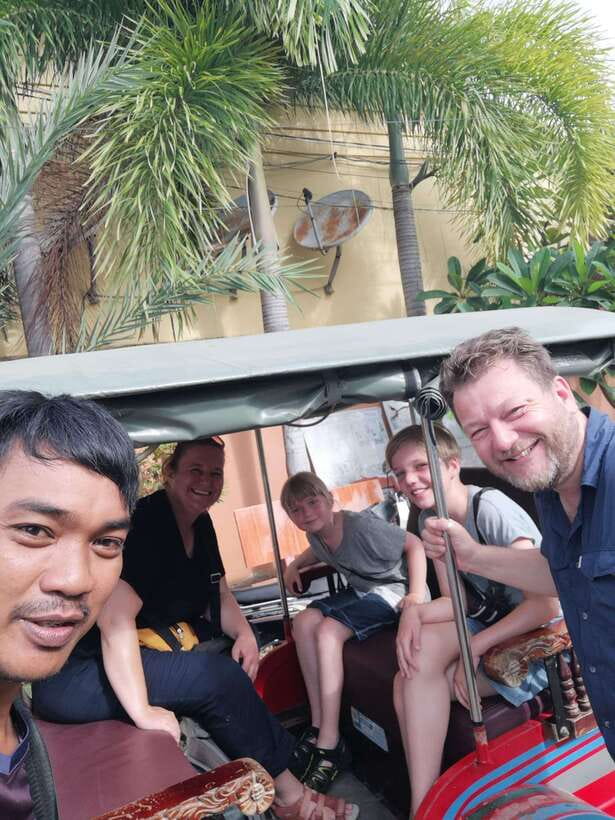
I like the personal touch from Rich, who has guided around Battambang for more than 10 years. I also like the small-group size, limited to five people, since it leaves room to ask about local food, farming, and Cambodian history. The main drawback is the length: nine hours in a tuk-tuk, with steps and uneven ground at the temples and caves, can feel tiring.
Key points
- Bamboo train ride: The famous improvised railway experience costs an extra $5 per person.
- A full countryside circuit: Farms, fishing villages, rice fields, an old house, and a suspension bridge fill out the day.
- Phnom Sampov at sunset: Expect caves, monkeys, large guns, high views, and the bat cave.
- Small group touring: The group is limited to five participants, with hotel pickup and drop-off.
- Local food and plant knowledge: Rich can explain fruit, farming, and daily life along the route.
- Good booking flexibility: You can cancel up to 24 hours ahead and reserve without paying immediately.
Why this Battambang day feels different
Battambang is Cambodia’s second-largest city, yet its pace feels notably calm. The city is a useful base for seeing rural Cambodia without the heavy traffic and crowded sightseeing pattern found in some larger destinations.
This tour heads southwest from town and spends much of the day outside the urban center. You see farms, village roads, rice fields, and fishing areas rather than moving from one polished attraction to another. That matters if you want a closer look at ordinary life around Battambang.
Rich is the named guide for the experience and has worked in the area for more than a decade. That local experience is useful here because the day includes many different stops. A guide who knows the roads can adjust the order and pace to suit your schedule, while also giving context to places that could otherwise feel like a quick photo stop.
The tour runs from about 9:30 in the morning until 6:30 in the evening. It is a long day, but the timing is carefully shaped around the bat flight at Phnom Sampov. You are not simply visiting the cave in the middle of the afternoon and leaving before the most memorable event.
More Bamboo Train Tours in Battambang
- Battambang: Tuk-Tuk, Bamboo Train, Killing/Bat Caves, Sunset
★ 4.9 · 1,436 reviews - Battambang Tuk Tuk tour: Bambootrain, Killing & Bat Caves,Sunset
★ 5.0 · 799 reviews - Afternoon tour by tuk tuk to bamboo train,bat cave,killing cave,countryside.
★ 5.0 · 344 reviews
The bamboo train starts the day with a jolt
The bamboo train is the tour’s most famous stop and the part most people already know from pictures. The basic idea is simple: a light bamboo platform runs along the railway line, powered by a small engine. It is a short, open-air ride with a distinctly local feel.
The ride is not included in the $24 tour price. You should budget an additional $5 per person for the bamboo train. Bring cash, since cash is also listed as one of the things to carry for the day.
I like that the train is only one part of the outing rather than the entire focus. On its own, the bamboo train can be a brief novelty. Here, it leads into a much broader day of villages, temples, caves, and countryside.
The open carriage offers little protection from the sun, so bring a camera and dress for a warm day. The provided water and cold towel are small but useful comforts, especially after the train and later walks.
Village roads show the quieter side of Battambang
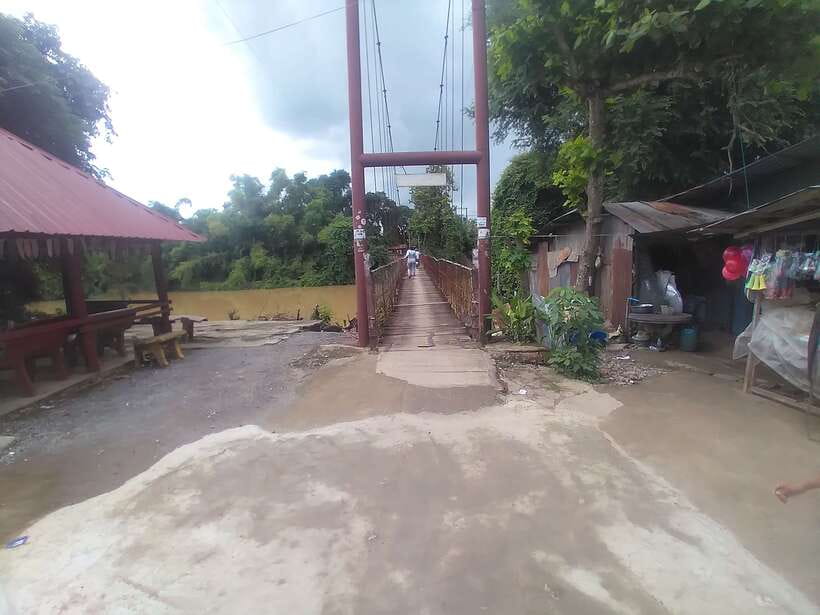
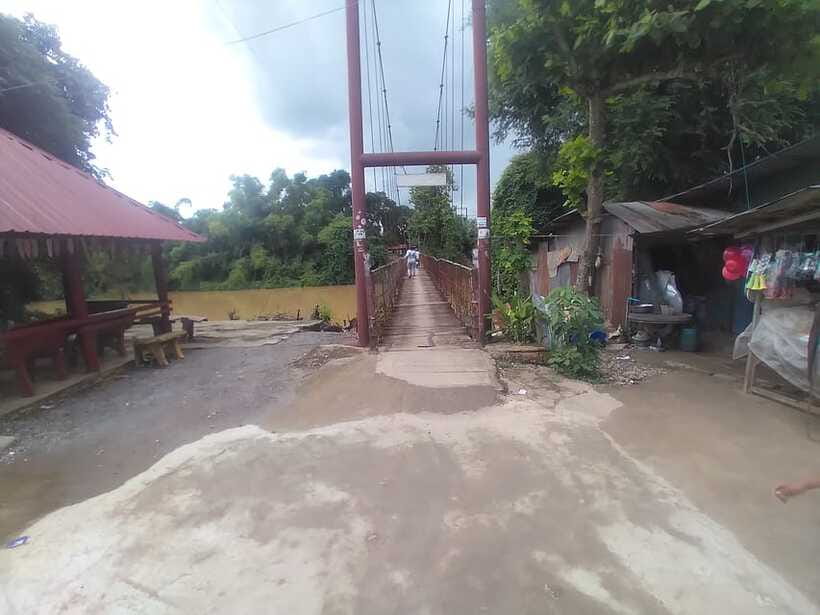
After the bamboo train, the route continues through the rural area southwest of Battambang. The stops include an ancient house in Watko Village, a suspension bridge at Kampongpil, vegetable and fruit farms, a fishing village, rice fields, and areas where fruit bats can be seen.
This is where the tour gains much of its value. You are not only ticking off major sights. You are being shown how the countryside works, from agriculture to fishing and fruit growing. Rich can explain local produce and the way people use the land, which gives more meaning to the scenery passing by.
The old house in Watko Village adds a cultural note to the morning. It gives you a chance to see a traditional building rather than only temples and caves. The information supplied does not specify the house’s exact age or architectural details, so you should treat it as a short cultural stop rather than expect a full museum visit.
The Kampongpil suspension bridge offers another change of pace. It is part of the route through the villages, not a large engineered attraction. That is exactly the point. You get a view of movement between rural communities and a closer look at the small-scale infrastructure used in daily life.
The route includes farms and a fishing village, but it does not promise a hands-on farming or fishing session. You should expect to see and hear about these activities, not take part in them. If you enjoy learning how local food is grown and caught, this portion may be more interesting than another temple stop.
Banan Temple adds history and a physical challenge
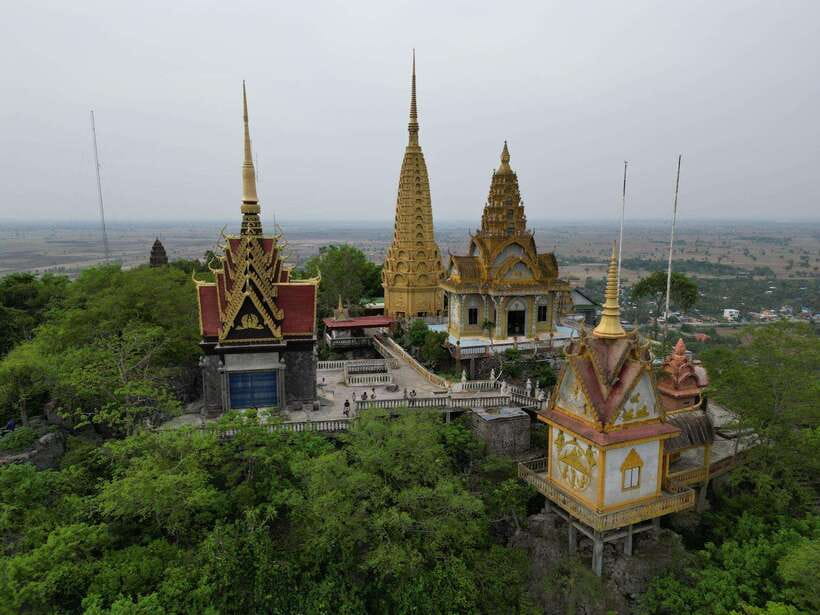
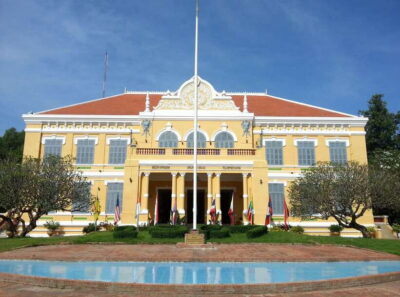
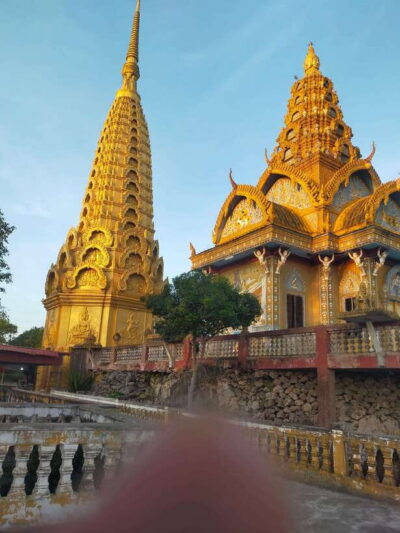
Banan Temple is one of the day’s major historic sites. It sits among the countryside and gives the itinerary a strong change from flat farm roads and village scenery.
The stop is best suited to people who are comfortable with walking and steps. The full information does not give a precise step count or climb duration, so you should be ready for an uneven visit rather than expecting a fully level path.
The temple is valuable because it places Cambodia’s past in a rural setting. You are seeing an old religious site while surrounded by the countryside that still shapes life in this part of the province. The approach and views are part of the experience, not just the structure at the top.
The day includes several locations where you will walk over uneven ground, including the temple and the caves. Good shoes will make the outing easier. The tour is not described as suitable for people with high blood pressure, so take that warning seriously, especially because the day includes heat, steps, and a long schedule.
Same base, a completely different kind of day:
- Local Livelihood Half Day Bike Tour in Battambang
★ 5.0 · 287 reviews - Explore Battambang full day tour by Tuk Tuk (start from 9am-6:30pm)
★ 5.0 · 240 reviews - Battambang: Bamboo Train, Bat Cave, Killing Cave by Tuk Tuk
★ 5.0 · 182 reviews - Full Day tour .City tour.Countryside.Bamboo Train.Secret Bat Cave
★ 5.0 · 178 reviews
Phnom Sampov brings together caves, monkeys, and war history
Phnom Sampov is the most varied stop on the route. The mountain area includes a killing cave, natural caves, a monkey forest, large cannon guns, high views, and the bat cave. The exact order of these sights can change, but the afternoon is arranged so you reach the bat cave in time for the evening flight.
The killing cave is a sobering place connected to Cambodia’s violent past. It is not a light sightseeing stop, and you should allow yourself a quiet moment here. A good guide can help place the site in its historical setting without turning the visit into a rushed photo opportunity.
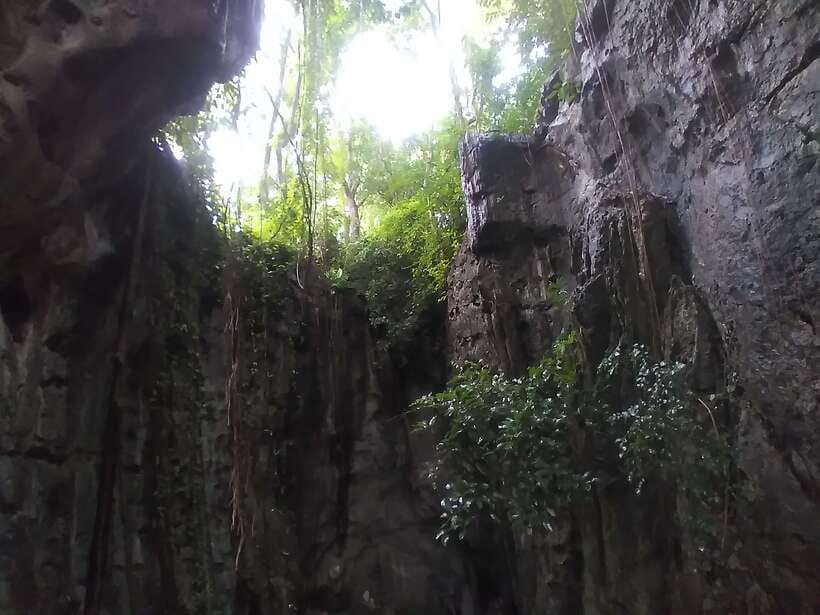
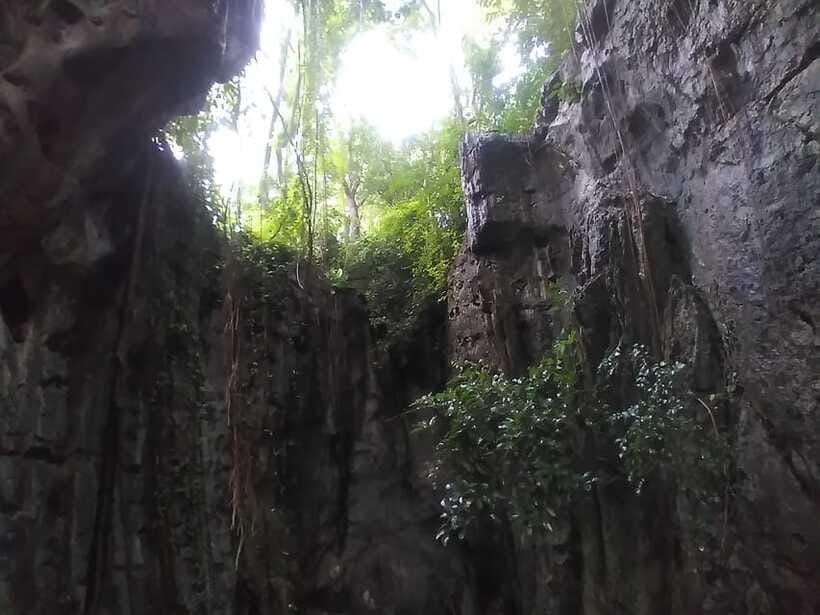
The natural cave areas provide a different experience. Instead of a formal building or monument, you are moving through a mountain setting shaped by rock and darkness. Conditions may feel rougher here, so watch your footing and keep your camera secure.
The monkey forest adds a livelier element, though you should still treat the animals with care. The supplied details do not promise an animal-feeding activity, so do not arrive expecting one. The monkeys are part of the setting, not the main reason for the visit.
The large cannon guns are a reminder of the area’s more recent military past. They also help explain why Phnom Sampov is more than a scenic hill. Its caves and height have made it important for different reasons across different periods.
The view from the mountain is one of the day’s visual rewards. You can look across the countryside and rice fields from above, a useful contrast after spending the morning at ground level. The word landscape applies literally here: the broad view is part of what makes the climb worthwhile.
The bat cave is timed for the day’s finale
The bat cave is the closing attraction and the reason the return journey is scheduled for around sunset. As evening arrives, bats stream out of the cave in a long moving column. It is one of those natural events that works best when you simply wait and watch.
Rich’s timing is important. The group is planned to arrive with enough time to see the bats emerge, rather than treating the cave as a quick stop between other sites. The day’s nine-hour length makes more sense once you understand that the finale depends on the time of day.
You should bring your camera, but do not spend the entire event looking at the screen. The bats are fast, and the scale of the flight is easier to appreciate with your eyes than through a small phone display.
The bat cave also gives the tour a clear ending. After temples, farms, caves, and village roads, you finish with a natural spectacle before returning to Krong Battambang. The exact duration of the bat flight and your viewing position are not specified, so keep expectations flexible.
What $24 covers, and what it does not
At $24 per person, this is a strong-value day if you want several Battambang sights without arranging separate transport. The price includes hotel pickup and drop-off, an English-speaking tuk-tuk driver, site entrance fees, water, and a cold towel.
The group is limited to five participants. That is a useful middle ground: you get the cost advantage of a shared tour without the scale of a large coach group. It also makes it easier to ask Rich questions or request more explanation at a particular stop.
The bamboo train costs an extra $5 per person. Food and drinks are also not included, so bring cash for the day. The information does not specify a meal stop or a fixed lunch arrangement, which means you should not assume lunch is part of the price.
There is also an optional ride up to the killing caves that is not included. Walking is free. If you choose to walk, expect that the mountain visit will require more energy; if you pay for the ride, confirm the cost locally before setting off, since no price is supplied here.
The overall value comes from the range of places covered. A private tuk-tuk and guide for nine hours would usually give more control, but this small-group format keeps the cost down while still offering local explanation and hotel transport.
The pace, comfort, and practical details
Pickup is from your hotel in Krong Battambang, with the driver meeting you in the hotel lobby. You return to the same city after the day’s route. That removes the need to find transport to rural sites on your own.
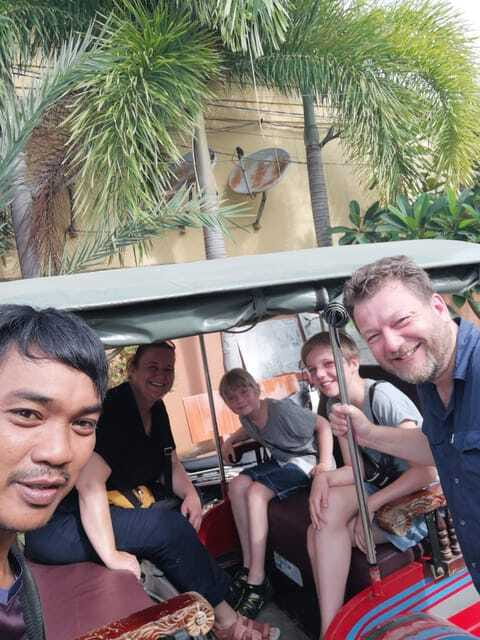
A tuk-tuk is well suited to the countryside, since it keeps you open to the air and gives you a better view than a closed vehicle. The tradeoff is exposure to heat, dust, and road bumps. Water and a cold towel help, but you should still plan for a warm day.
The itinerary includes walking at temples and caves, along with a full day on the road. Wear comfortable shoes and bring a camera and cash. The supplied information does not list a dress code, but modest clothing is a sensible choice for temple visits.
The tour is not suitable for people with high blood pressure. It may also be a poor fit if you dislike long days, uneven ground, or outdoor heat. Families and active older visitors should consider their comfort with the climb and cave visits before booking.
The flexible booking terms are useful if your schedule is uncertain. You can cancel up to 24 hours before the tour for a full refund, and the reserve-now, pay-later option lets you hold a place without paying immediately.
Who will get the most from this tour
I would choose this tour if you have one full day in Battambang and want the main sights outside town, especially the bamboo train and Phnom Sampov. It gives you a broad introduction rather than spending the entire day at one temple or one cave.
It suits people who enjoy variety. You move from a railway ride to village life, then to historic buildings, farms, rice fields, temples, mountain caves, and bats. The constant changes keep the day interesting, though they also make it feel busy.
The tour is especially useful for visitors who want local explanation rather than only transport. Rich can talk about fruit, farming, food, and the history of the area. His ability to adjust the day to your schedule is another advantage for a small group.
I would think twice if you want a slow, private day with long breaks. Nine hours is a serious commitment, and the tour covers a lot of ground. It is also not a good choice for anyone advised to avoid strenuous outings or high-pressure situations.
Should you book Rich’s Battambang tour?
Book it if you want an efficient, good-value introduction to the countryside around Battambang and you are comfortable with a long tuk-tuk day. The strongest reasons are the small group, hotel transfers, local guiding, the well-timed bat cave visit, and the mix of daily life with major sights.
The extra costs are modest but easy to overlook: $5 for the bamboo train, plus your own food and drinks. Bring cash, wear practical shoes, and expect walking at Banan Temple and Phnom Sampov.
Skip it if you need a short outing, a fully comfortable vehicle, or a flat and easy route. For most active visitors with one free day in Battambang, though, this tour gives you a lot of countryside and local context for the money.
FAQ
How long does the tour last?
The tour lasts nine hours, running approximately from 9:30 in the morning until 6:30 in the evening.
Where does pickup take place?
Pickup is included from your hotel in Krong Battambang. The driver will meet you in the hotel lobby.
Is the bamboo train included in the price?
No. The bamboo train costs an additional $5 per person.
Are food and drinks included?
No. Food and drinks are not included. Water and a cold towel are provided.
How many people can join the tour?
The tour is a small-group experience limited to five participants.
Is the ride up to the killing caves included?
No. The ride up to the killing caves is not included. Walking up is free.
Can I cancel the booking?
Yes. You can cancel up to 24 hours in advance for a full refund. You can also reserve now and pay later.
More Temple Tours in Battambang
- Bamboo Train, Banann Temple, Fruit Bat, Bat Cave, Sunset
★ 4.2 · 3 reviews - Angkor Wat Sunrise & 3 Main Temples with Breakfast – Small Group
★ 5.0 · 2,857 reviews - Siem Reap: Full Day Angkor Wat Temple Experience with Sunset
★ 4.9 · 1,490 reviews - 2 Days Exclusive Temple Highlights with Sunset and Sunrise Tour
★ 5.0 · 1,157 reviews
Just added around Battambang
- Bamboo Train, Banann Temple, Fruit Bat, Bat Cave, Sunset★ 4.2 · 3 reviews
- Private Battambang Full-Day Guided Tour★ 4.5 · 3 reviews
- Battambang Private Day Tour★ 5.0 · 5 reviews
- Private Taxi Transfer From Battambang – Siem Reap City★ 5.0 · 4 reviews
- Afternoon tour to Original Bamboo train. Bat cave. Killing cave★ 5.0 · 25 reviews
- Private Boat from Battambang to Siem Reap via Tonle Sap Lake★ 4.5 · 3 reviews
- Tuk Tuk Tour (Full-Day)★ 5.0 · 7 reviews
- Private Taxi Transfer Battambang from/to Phnom Penh★ 5.0 · 7 reviews
Bamboo Train Tours, compared.
Tuk-Tuk, Bamboo Train, Killing/Bat Caves, Sunset
Read our review →
Afternoon tour by tuk tuk to bamboo train,bat cave,killing cave,countryside.
Read our review →
Full Day tour .City tour.Countryside.Bamboo Train.Secret Bat Cave
Read our review →
Battambang Full Day Tour from Siem Reap – Bamboo Train, Killing Cave & Sunset
Read our review →
A Day TukTuk Handicrafts Bambootrain Killing&BatCaves,Sunset
Read our review →
A Day TukTuk Bambootrain, Banan, Killing & Bat Caves, Sunset
Read our review →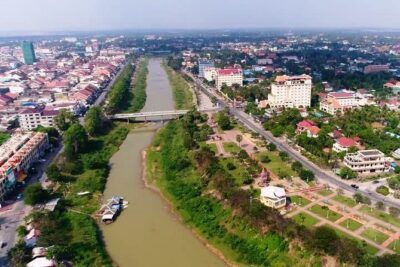
Battambang Day Trip from Siem Reap-Bamboo Train, Bats Cave
Read our review →Browse the lists this tour appears in