
Reviewed · MUSEUMS
Siem Reap: Angkor National Museum Admission Ticket
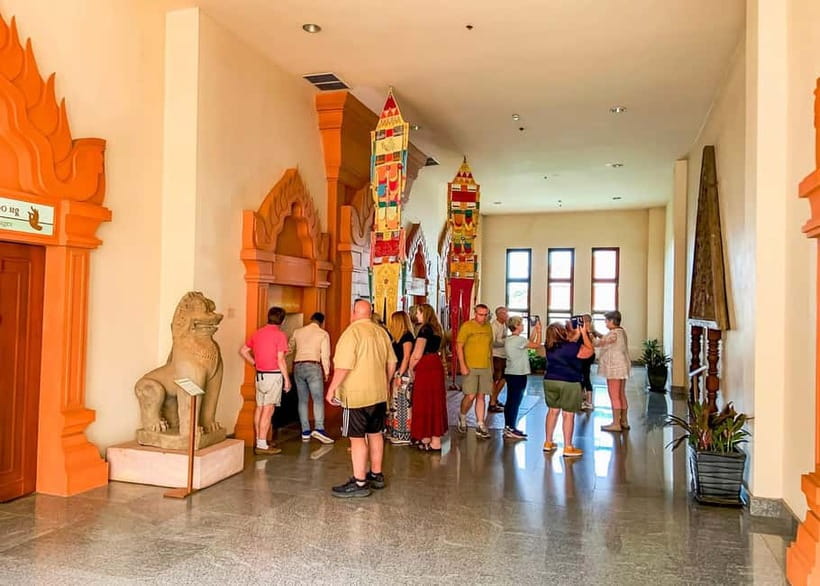
The most useful thing about the Angkor National Museum is that it gives you the story behind the stones. Before you face Angkor Wat and the other temple ruins, the museum helps you recognize the beliefs, symbols, and artistic changes that shaped the Khmer Empire. After a temple visit, it helps you make sense of what you saw.
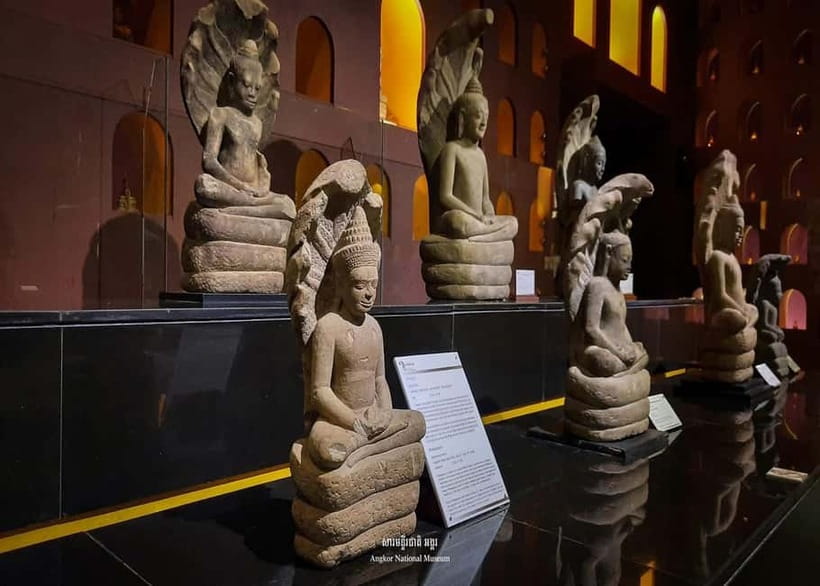
I like the freedom of a self-paced visit and the large collection of more than 1,000 Buddha statues. The wall panels also add much-needed context, and the eight galleries give you a clear route through Khmer art, religion, and culture. The main drawback is that the $15 ticket does not include a guide or audio guide, so you will need to read carefully or pay an additional $5 for the audio device.
Key points to know before you go
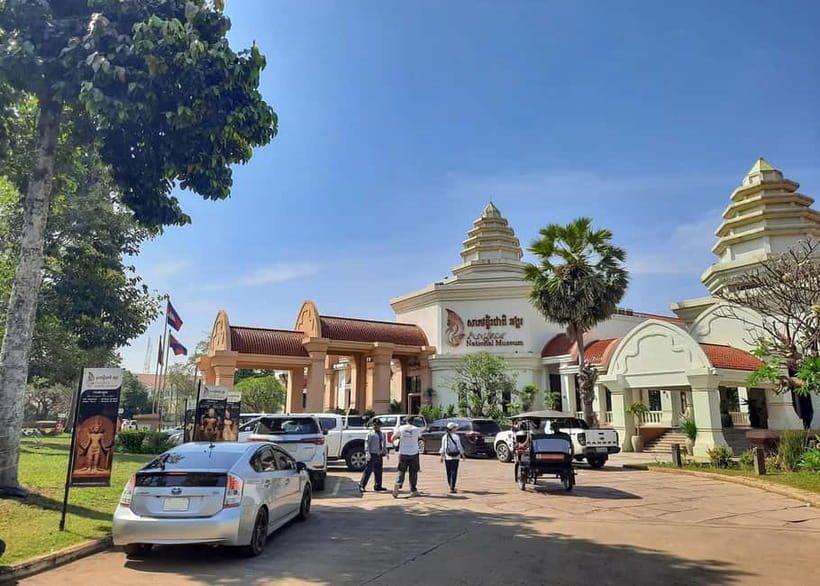
- Eight galleries follow Khmer culture through time, giving you a useful framework for understanding Angkor.
- More than 1,000 Buddha statues and ancient inscriptions make this more than a quick photo stop.
- A one-day ticket gives you flexible timing, useful if your temple plans change.
- The audio guide costs an additional $5, but it can make the displays easier to follow.
- You arrange your own transportation, since pickup and drop-off are not included.
- Your ticket is sent separately through WhatsApp, Telegram, or Viber, so use a number you can reach before arriving.
Why visit the museum before Angkor Wat?
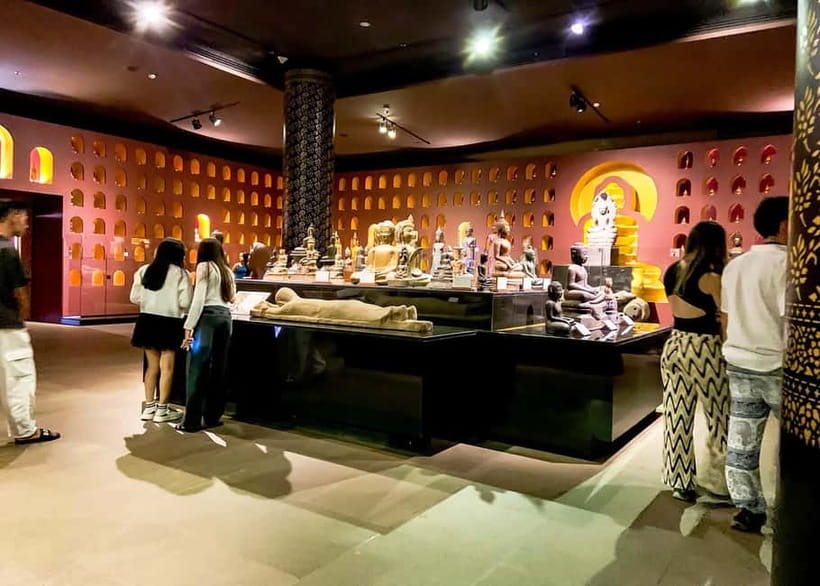
Angkor’s temples can be hard to read at first. You see huge towers, carved figures, broken lintels, and long galleries, but it is not always clear what they mean. The Angkor National Museum gives you a starting point.
The displays cover the development of Khmer art, culture, and religion. That matters because the temples were not built as empty monuments. Their carvings and layouts reflect religious ideas, royal power, and changing artistic styles.
I would visit the museum before a temple day if you want more than impressive photographs. The collection can help you notice the difference between Buddhist and Hindu imagery, understand why certain figures appear again and again, and recognize the value of inscriptions and sculpture.
You do not need to be a specialist. The museum is also a sensible choice if you have only a general interest in Cambodia. It provides enough background to make Angkor feel less like a collection of ruins and more like the remains of a society with its own artistic language.
If you have already visited the temples, the museum works in the opposite direction. You can use your memories of Angkor Wat and other sites to give the objects a clearer setting. A statue or inscription is easier to appreciate after you have seen the temples where this kind of art once belonged.
More Museums in Siem Reap
- Bantey Srei, Kbal Spean and Landmine museum Private Tuk-Tuk
★ 4.7 · 30 reviews - Siem Reap City Tour with War Museum and Killing Field
★ 5.0 · 27 reviews - Private Tour: HERO Rats & Angkor National Museum
★ 4.5 · 16 reviews
Walking through the eight galleries
The museum is organized into eight galleries, so you have a defined path rather than a loose collection of rooms. The exact viewing time depends on your pace, but allow at least 90 minutes if you want to read the displays. A careful visit can last two hours, and the collection can hold your attention for more than three hours if you use the audio guide and take your time.
The opening galleries help establish the broad story of Angkor and the Khmer Empire. This is where you can get your bearings before focusing on individual objects. Read the introductory panels rather than rushing straight to the largest statue. They explain the themes that return throughout the museum.
As you continue, the displays show how Khmer art and religious practice changed. Look closely at the sculpture rather than treating the rooms as one large display of stone figures. Small differences in posture, expression, clothing, and decoration can tell you more than size alone.
The museum also presents ancient inscriptions. These may not have the immediate visual impact of a large Buddha statue, but they are important records of the civilization behind the temples. Take time with the explanatory text, since an inscription on its own can be difficult to understand.
The later galleries bring the themes together. By this point, you should have a clearer sense of how religion and royal culture shaped the art of Angkor. You can then return to objects that caught your eye earlier and look at them with better context.
There is no required route beyond the gallery sequence, and you can set your own pace. That makes this ticket a better fit for independent visitors than for people who want a tightly timed guided tour.
The Buddha collection is the main draw
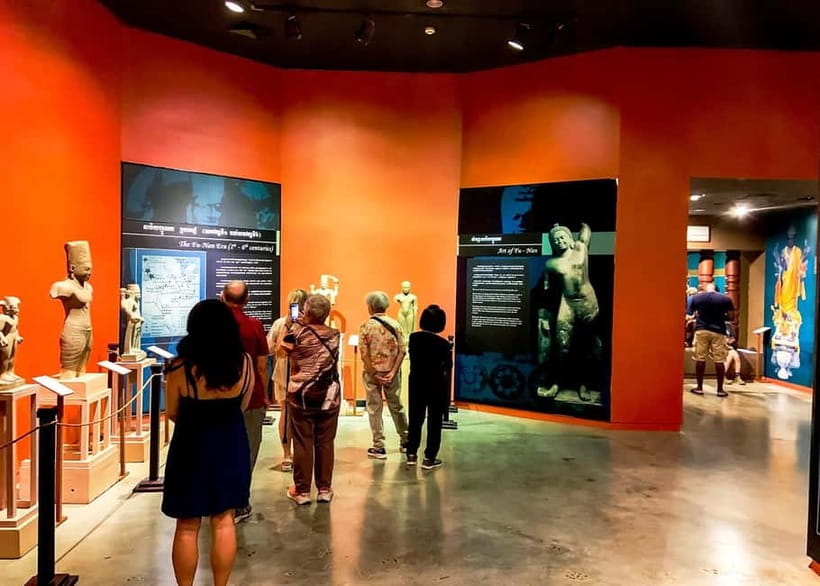
The museum’s collection includes more than 1,000 Buddha statues, making it the strongest reason to visit if you enjoy sculpture. The number alone can be impressive, but it also creates a challenge: after a while, similar-looking objects may begin to blur together.
This is where the information boards matter. They connect the statues to wider ideas about Khmer religion and art. I recommend reading the introductory material for each gallery before studying the objects. You will get more from the collection if you know what to look for.
The museum is not only about Buddha images. You will also see artifacts excavated from Angkor’s archaeological sites, along with inscriptions and other pieces linked to Khmer culture. The variety keeps the visit from becoming a single-theme statue hall.
A camera is allowed as a practical item to bring, but photography should not replace looking. If you plan to take pictures, leave time to return to the displays without your phone in hand. The museum is most useful when you treat it as preparation for seeing the temples, not as a checklist of objects.
Wall panels or the $5 audio guide?
The ticket includes admission only. It does not include a museum guide or audio guide.
The wall panels are the free option, and they do a good job of bringing the collection together. If you read steadily, you can follow the main story without paying extra. This is a reasonable choice for visitors who want a short visit or already know something about Angkor.
The optional audio guide costs $5, according to the visit information, and can make a substantial difference. It is especially useful if you want to move through the galleries in order and hear more explanation than the wall text provides.
I would add it if you have a strong interest in history, if this is your main museum visit in Siem Reap, or if you plan to spend two or three hours inside. I would skip it if you are combining the museum with a packed schedule and mainly want a quick introduction.
One practical point matters: the audio guide is not part of the online admission price. Plan for the extra cost at the museum rather than assuming everything is included.
Same base, a completely different kind of day:
- Angkor Wat Sunrise or Sunset Tour with Guide from Siem Reap
★ 5.0 · 12,109 reviews - Siem Reap: Angkor Wat: Small-Group Sunrise or Sunset Tour
★ 5.0 · 9,444 reviews - From Siem Reap: Kampong Phluk Floating Village Tour by Boat
★ 4.9 · 6,979 reviews - Sunset tour of Kampong Phluk stilts home village on the Tonle Sap
★ 5.0 · 4,865 reviews
How long should you allow?
The ticket is valid for one day, so you do not need to rush through the museum at a fixed tour time. Check the available starting times when you book, then fit the visit around your temple plans.
For a quick but worthwhile visit, allow about 90 minutes. That gives you time to move through the eight galleries and read the main panels.
For a fuller visit, plan on two hours or more. One careful museum visit took between 90 minutes and two hours with the audio guide, while another took more than three hours. That range tells you something useful: the museum can work as a short introduction, but it also rewards patient viewing.
I would avoid squeezing it into the last few minutes of a busy temple day. Comfortable shoes and comfortable clothing are sensible, even though this is an indoor museum, because you will be on your feet while moving between galleries.
Is the $15 admission good value?
The admission price is $15 per person. That is a reasonable price if you want background before visiting Angkor or if you appreciate museums enough to spend a couple of hours with the collection.
The value depends on how you use it. If you rush through in 30 minutes, the ticket may feel expensive compared with a casual walk around town. If you read the panels, study the statues, and use the full gallery route, it offers a useful addition to a temple visit.
The price does not include transportation, food, drinks, a guide, or the audio guide. You should also budget $5 more if you decide to rent the audio device. Those exclusions are not a surprise, but they are worth knowing before booking.
The ticket’s one-day validity helps. You can plan the museum around your schedule instead of committing to a longer group tour. That flexibility is particularly useful if you are uncertain how much time you will spend at the temples.
Getting there and receiving the ticket
You are responsible for arranging your own transportation to the museum. Pickup and drop-off are not included, so factor in the cost and time of reaching the museum from your accommodation.
The ticket is not necessarily delivered immediately after purchase. Once the booking is confirmed, the operator contacts you to reconfirm it and sends the admission ticket separately.
You must provide a contact number that works with WhatsApp, Telegram, or Viber. This is one of the most important practical details. If you are heading directly to the museum, check your messages before leaving and allow time for the ticket to arrive.
The skip-the-ticket-line feature can save time at the entrance, but it does not mean you can ignore the ticket delivery step. Keep the digital ticket ready on your phone. Bringing some cash is also sensible, particularly if you want the extra audio guide.
Who will enjoy this visit?
This museum suits you if you like to understand what you are seeing. It is a good match for history enthusiasts, museum fans, photographers who want more context, and anyone planning several Angkor temples.
It also works well for independent visitors. There is no tour guide to follow and no fixed group route to maintain. You can spend five minutes on a display that interests you or move quickly past material that does not.
Families and mixed-interest groups may appreciate the flexibility, though the amount of reading means younger children may not stay engaged for the full visit. Private and small-group options are available, but the ticket itself is simply admission and does not add a guide.
The museum is wheelchair accessible, which makes it a practical indoor stop for people who want a break from temple terrain. Still, the ticket does not include special assistance or transport, so you should arrange those needs separately if required.
Best ways to fit it into your Siem Reap plans
Visit before the temples if you want a primer. The museum can help you recognize religious imagery and artistic details during your later sightseeing.
Visit after the temples if you prefer to see the real sites first. You will already have visual memories to connect with the sculptures, inscriptions, and explanations.
You can also split your attention across the day if your schedule allows, but the ticket is valid for one day rather than offering an open-ended return visit. Check the available entry time and plan accordingly.
Bring a camera, but also bring patience. The most rewarding parts are not always the largest objects. A carefully explained inscription or a small change in sculpture style may give you a better sense of Angkor than another quick photograph.
Should you book the Angkor National Museum ticket?
Book it if you want a flexible, independent museum visit that adds meaning to Angkor. The $15 admission is most worthwhile when you allow at least 90 minutes, read the gallery panels, and take time with the Buddha collection.
Add the $5 audio guide if you want more explanation or expect to spend two to three hours inside. Skip the extra guide if you prefer a shorter visit and are comfortable learning from the displays.
This is not the right choice if you need transportation, a personal guide, or a fully planned sightseeing day. You must arrange your own ride and keep an eye on your messages for the digital ticket. For everyone else, it is a practical cultural stop that can make the temples easier to understand.
FAQ
How much does admission to the Angkor National Museum cost?
Admission costs $15 per person.
How long is the ticket valid?
The ticket is valid for one day.
Does the ticket include a tour guide?
No. A tour guide is not included.
Is an audio guide included?
No. The audio guide is not included in the admission ticket. It costs an additional $5 at the museum.
Is transportation to the museum included?
No. You are responsible for arranging your own transportation. Pickup and drop-off are not included.
How will I receive my ticket?
The operator sends the ticket separately after booking confirmation. You must provide a reachable number for WhatsApp, Telegram, or Viber.
Can I cancel the booking for a refund?
Yes. You can cancel up to 24 hours in advance for a full refund.
Is the museum wheelchair accessible?
Yes. The activity information states that the museum is wheelchair accessible.
Are private or small-group options available?
Yes. Private or small-group options are available, although the admission ticket itself does not include a guide.
Just added around Siem Reap
- Twilight Tastes of Siem Reap Include Dinner★ 5.0 · 13 reviews
- Ultimate Sunrise to Angkor Wat, Angkor Thom and Bayon Temple★ 5.0 · 3 reviews
- Trekking Tour at Phnom Kulen National Park from Siem Reap★ 5.0 · 3 reviews
- Professional Photo Shoot in Angkor Archaeological Park, Siem Reap★ 5.0 · 42 reviews
- Full-Day Private Tour of Angkor Wat with Pick Up★ 5.0 · 12 reviews
- Unveiling 2 Days Private Angkor Wat/Beyond In Sunrise/Sunset Tour★ 5.0 · 48 reviews
- Siem Reap City Tour with War Museum and Killing Field★ 5.0 · 27 reviews
- Private Day Trip to Angkor Temples with Expert Guide★ 5.0 · 4 reviews
Museums, compared.

The Killing Field and Toul Sleng Genocide Museum (S21) Tour
Read our review →
Private Half Day To Killing Field & S21 Genocidal Museum in Phnom Penh
Read our review →
Tuol Sleng Genocide Museum (S-21) and Choeung Ek Killing Fields Tour
Read our review →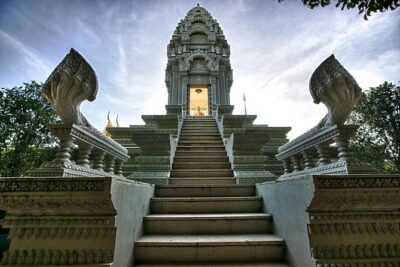
Phnom Penh City Tour, Silver Pagoda, Genocide Museum, Killing Fields
Read our review →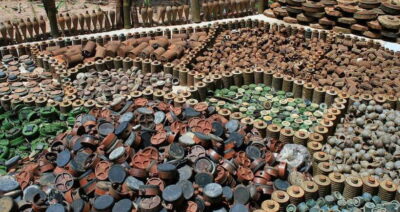
Bantey Srei, Kbal Spean and Landmine museum Private Tuk-Tuk
Read our review →
Siem Reap City Tour with War Museum and Killing Field
Read our review →
Khmer Rouge, genocide museum &killing field tour
Read our review →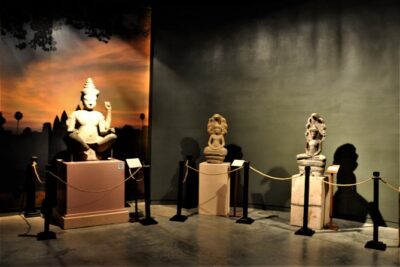
Private Tour: HERO Rats & Angkor National Museum
Read our review →Browse the lists this tour appears in