
Reviewed · SILK FARM TOURS
Angkor Silk Farm & Lotus Silk Farm: Siem Reap Discovery Tour
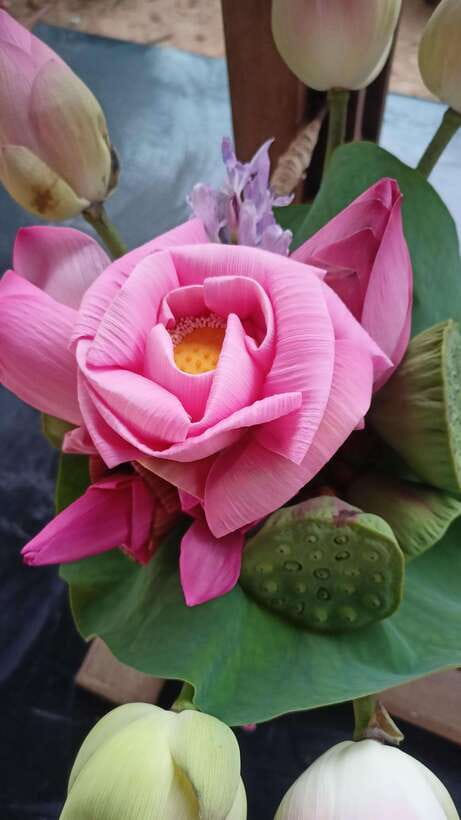
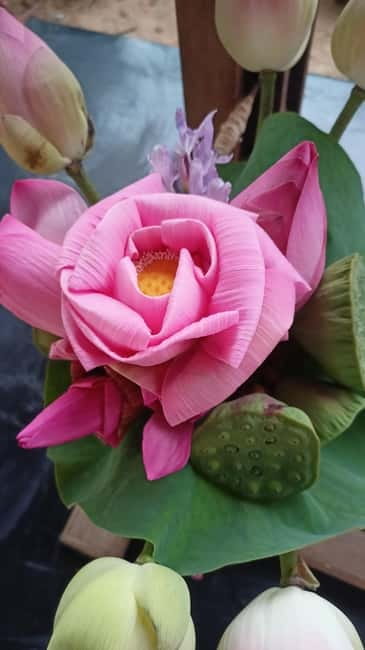
The clever idea here is to show you two very different Cambodian textiles in one morning. At Angkor Silk Farm, silk begins with mulberry plants and silkworms. At Samatoa Lotus Silk Farm, artisans pull fine fibers from lotus stems, a slow process that turns a familiar water plant into cloth.
I like the clear contrast between old and new, and I like that your money supports two social enterprises working with local women. The main drawback is the road between the farms. It can feel long and hot, especially in a tuk-tuk, so bring water, sun protection, and a little patience.
Key points to know before you go
- Two textile traditions in four hours: Compare silkworm silk with hand-extracted lotus fiber.
- The silkworm cycle is shown step by step: See mulberry cultivation, cocoons, thread extraction, and weaving.
- Lotus fiber is made by hand: Watch artisans pull delicate strands from lotus stems and prepare them for textile production.
- The countryside transfer takes time: The ride between farms offers rural views, but the road can be tiring in hot weather.
- Lotus tea and biscuits are included: Lunch, extra drinks, and boutique purchases are not.
- The boutiques support the lesson: You can buy finished textiles, but the price reflects slow hand production rather than factory output.
Why this Siem Reap textile tour is worth your morning
Angkor Wat gets most of Siem Reap’s attention, but this tour takes you beyond temple stone and into working craft traditions. You see how raw material becomes thread, then fabric, then a finished product you can actually hold.
The price is $25 per person for four hours, including transport between the two farms, guided visits, demonstrations, and lotus tea with biscuits. That is good value if you want an organized cultural outing without arranging separate rides or negotiating with drivers.
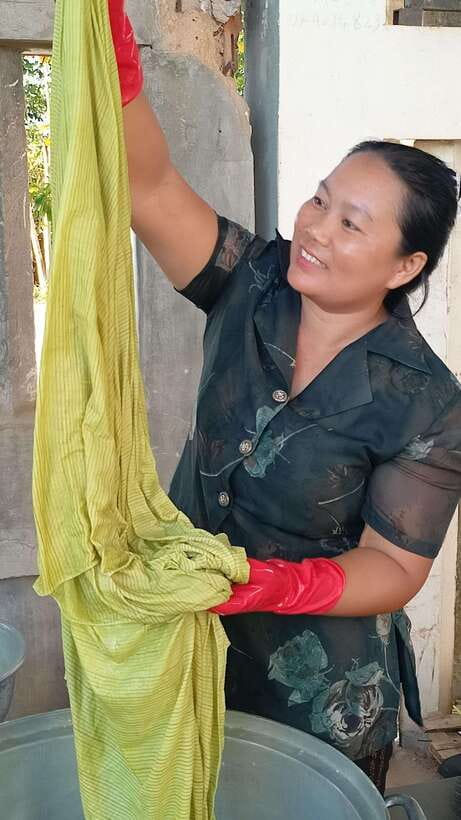
I would not book it only as a shopping trip. The boutiques are part of the experience, but the real value is the explanation of the labor behind each item. Once you watch someone pull fiber from a lotus stem or feed silk thread through a wooden loom, a handmade scarf no longer looks like just another souvenir.
The experience also gives you a useful view of present-day Cambodia. Angkor Silk Farm presents established Khmer silk methods, while Samatoa shows how a newer textile idea can connect local employment, natural materials, and international design.
More silk-weaving visits near Siem Reap:
- Siem Reap Lotus Silk Farm Discovery tour & Lake experience
★ 4.7 · 291 reviews - Siem Reap: Lotus Silk Farm- Tour, Lake & Masterclass
★ 4.9 · 77 reviews - Siem Reap: Silk Farm & Countryside Offbeat Jeep Tour
★ 4.5 · 11 reviews
Start at Biolab Café in downtown Siem Reap
Your morning begins at Biolab Café, a garden café in central Siem Reap. Arrive about 10 minutes early and look for the lotus-colored flag marked pickup, Lotus Silk Farm. The vehicle is described as grey, and the driver waits outside the café.
This meeting point is practical. You can wait in an air-conditioned area, use the restroom, connect to WiFi, or buy a coffee before leaving. Hotel pickup is not included, so allow time to reach the café on your own.
Departure times are listed at 8:30 AM and 10:00 AM. The exact starting time depends on availability when you book. The tour may be shared with other people, so do not assume you will have a private guide or vehicle even though private car transport is included in the service description.
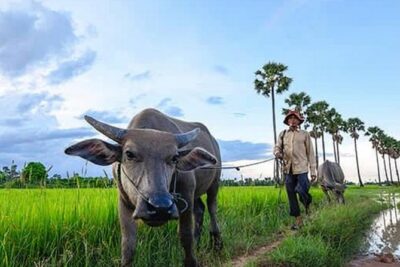
The drive between stops is part of the morning, not dead time to ignore. You pass through the Siem Reap countryside and get glimpses of life away from the central tourist zone. Still, the road can be hot and slow. One arrangement used a tuk-tuk, and the ride between farms was found tiring after the first stretch, particularly in strong heat. If you have a choice of vehicle, an air-conditioned car will make the transfer more comfortable.
Angkor Silk Farm: from mulberry leaves to woven cloth
The first farm gives you the traditional side of the comparison. A guided visit lasts about 45 minutes, followed by around 15 minutes for shopping.
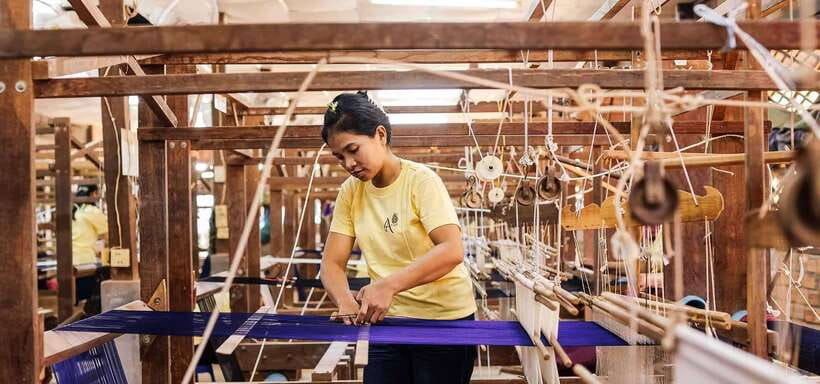
The tour follows the silk process in a sensible order. You learn about mulberry cultivation, since the leaves feed the silkworms. You then see the silkworm life cycle and the formation of cocoons before the thread is extracted and prepared for weaving.
This is especially useful if you have only seen silk as a finished fabric. The process involves several careful stages, and the demonstration makes the connection between a small cocoon and a smooth length of thread easy to understand.
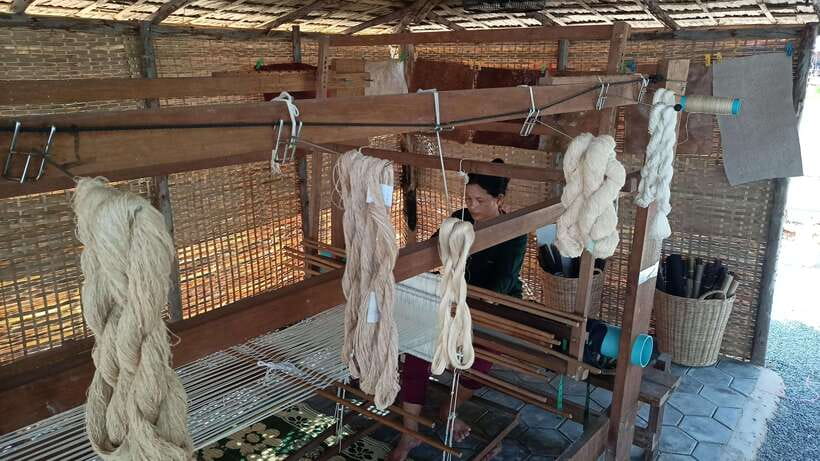
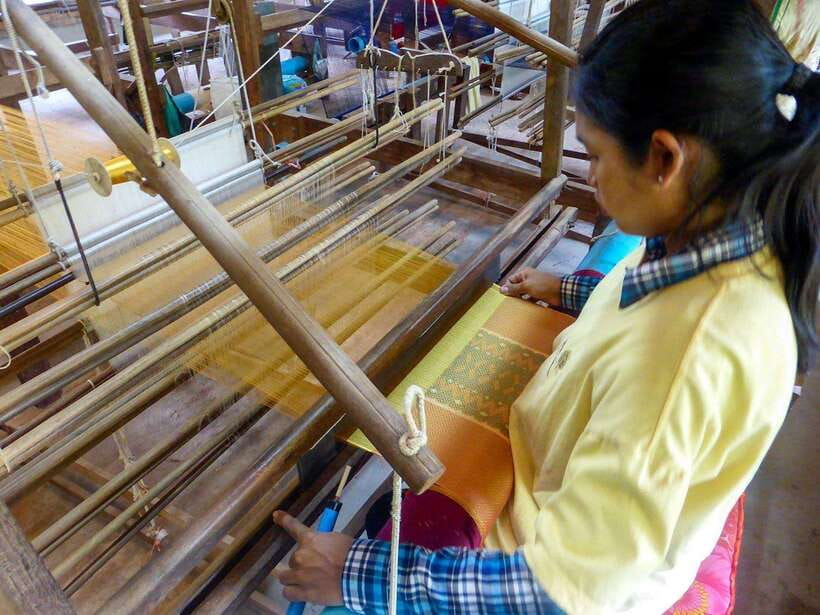
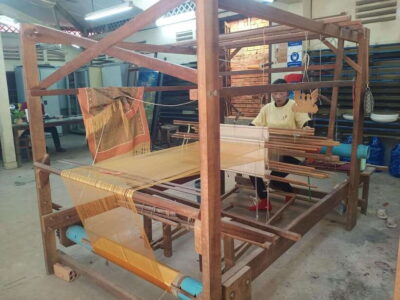
The weaving section is the visual high point for many people. Artisans work on traditional wooden looms, using techniques and patterns passed through generations. You can watch the rhythm of the loom and see how a design develops gradually rather than appearing all at once.
The visit is a guided demonstration, not a full workshop. Hands-on silk weaving is not included, and private demonstrations or costume photo sessions are also outside the basic price. That matters if you are expecting to sit at a loom yourself. You are there to observe, ask questions, and understand the work.
The silk farm is also a good place for photos. Photography is allowed, and there are several stages of production to capture. Ask before photographing close-up portraits of artisans, and keep your attention on the people working rather than treating the looms as a backdrop.
The farm boutique and the real cost of handmade silk

The 15-minute shopping stop gives you a chance to inspect finished silk goods. You may see differences in weave, pattern, color, and finish that are easy to miss in a busy market.
Prices are not included in the $25 tour cost, and purchases at both farm boutiques are personal expenses. Bring cash if you plan to shop. US dollars are accepted.
I would set a budget before you arrive. Handmade silk costs more than factory-made fabric because the material passes through many slow stages, from cultivation to thread preparation to weaving. The tour helps explain that difference, which makes the boutique more useful than a simple souvenir stop.
You do not need to buy anything. The shopping time is short, so you can look around without losing much of the morning.
A few more Siem Reap half-days worth weighing up
- Angkor Wat Sunrise or Sunset Tour with Guide from Siem Reap
★ 5.0 · 12,109 reviews - Siem Reap: Angkor Wat: Small-Group Sunrise or Sunset Tour
★ 5.0 · 9,444 reviews - From Siem Reap: Kampong Phluk Floating Village Tour by Boat
★ 4.9 · 6,979 reviews - Sunset tour of Kampong Phluk stilts home village on the Tonle Sap
★ 5.0 · 4,865 reviews
Samatoa Lotus Silk Farm: a new use for an old plant
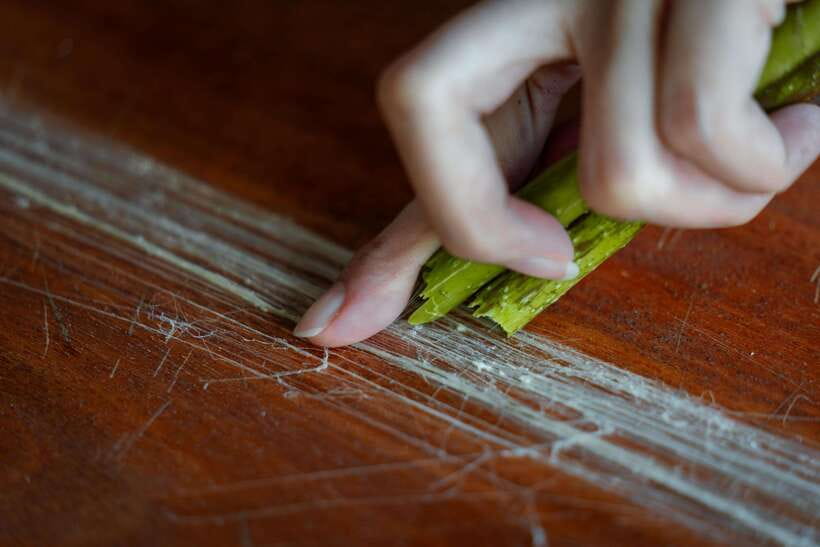
The lotus farm offers the sharper surprise. The guided visit lasts about 30 minutes, followed by 15 minutes for tea and 15 minutes to browse the boutique.
Lotus fiber extraction is done by hand. Artisans take lotus stems and draw out the fine fibers, then combine and prepare them for textile production. The work is precise and slow, which gives you a better sense of why lotus silk products cost more than ordinary cloth.
This is not the same process as silkworm silk. The comparison is the point. At the first farm, you follow an insect-based fiber from cocoon to thread. At the second, you see plant fiber being gathered from lotus stems. Both require patience, skilled hands, and repeated manual work.
The social purpose is also central. Samatoa operates as a social enterprise that supports local women through textile production. You can see sustainability here in a practical form: a local plant becomes a useful material, and the production work creates income and preserves craft skills.
The lotus visit is fairly short, so listen closely to the demonstration. If you want an extended craft lesson, this tour may feel brief. Optional activities have been available at extra cost, including attempts at making lotus strands, paper, or bracelets, but hands-on work is not part of the standard package and may depend on availability.
A boat ride around the lotus-growing area has also been offered in some arrangements, but it is not listed as a standard inclusion. Do not book this tour expecting a guaranteed boat trip.
Lotus tea, biscuits, and a calm pause
After the demonstration, you receive lotus tea and biscuits in the garden. This is a small feature, but it gives the morning a pleasant pause after the explanations and transport.
The tea is included. Lunch is not. Some independent arrangements have included a lotus-based meal, but you should not count on lunch as part of this $25 experience. Bring a snack or plan a meal afterward if you are booking the later morning departure.
The garden setting also gives you a quieter moment to ask questions. The guides at both farms speak English or French, and the farm staff provide the detailed explanations. You may have different guides at the two locations, so the tone and depth of the talks can vary.
Comparing the two stops
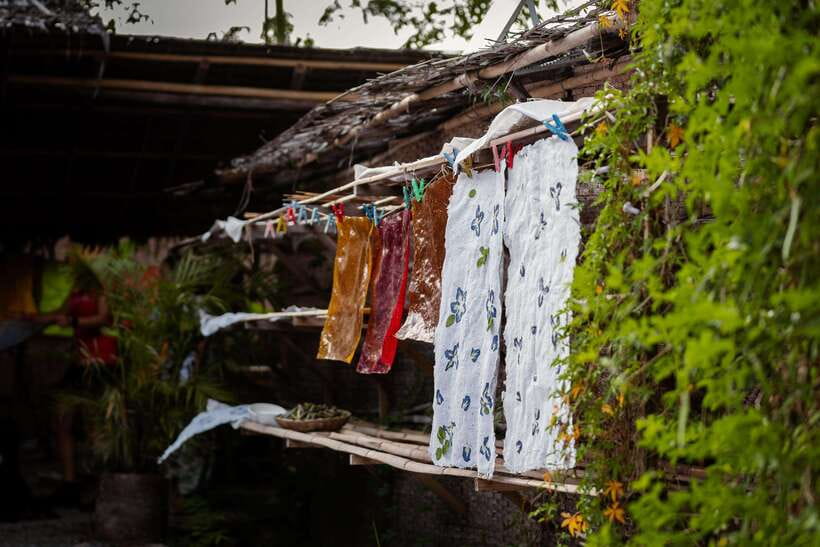
The silk farm is likely to appeal most if you want a clear lesson in a familiar material. Watching the silkworm stages and the traditional loom connects biology, craft, and Khmer textile culture in a way that is easy to follow.
The lotus farm is likely to appeal most if you enjoy unusual materials and newer environmental ideas. The process is less familiar, and the fact that artisans pull the fibers by hand makes the work feel almost astonishing without needing a sales pitch.
You do not need a special interest in fabric to enjoy the tour. The guides explain the processes for a general audience, and the demonstrations give you something concrete to watch. Still, textile enthusiasts, photographers, designers, and people who prefer local social enterprises over ordinary shopping stops will get the most from it.
For children, the visual stages of the silkworm cycle and the lotus fiber work can be engaging. Children must be accompanied by an adult, and the tour is suitable for all ages and fitness levels. Expect walking around farm areas, but no strenuous activity.
What the $25 price really includes
For $25, you receive:
- Transport from and back to Biolab Café
- Visits to both farms
- English or French guiding
- Live silk, silkworm, lotus fiber, and weaving demonstrations
- Access to farm areas and exhibitions
- Lotus tea and biscuits
- Time at both boutiques
You do not receive hotel pickup, lunch, extra drinks, workshop fees, souvenirs, or unscheduled stops. That list is worth reading carefully because the word farm can suggest a longer rural excursion than this actually is.
The tour’s strong point is efficiency. You see two separate operations in half a day, with the transport arranged for you. The tradeoff is that time at each farm is fixed, and the transfer between them can take a noticeable share of the four hours.
The tour has a 4.8 rating from 68 bookings, which fits the experience’s main strengths: clear guides, well-organized transfers, and two genuinely different craft visits. The most consistently praised elements are the explanations, the lotus fiber process, the silk farm’s production stages, and the care shown by drivers and staff.
Practical advice for a better visit
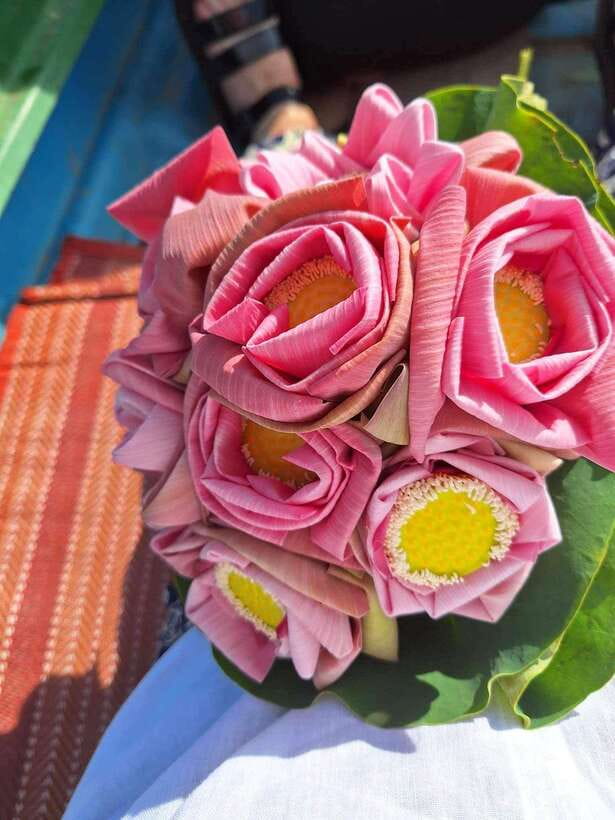
Wear light clothing and comfortable walking shoes. A hat and sunscreen are sensible, especially because the transfer and farm areas may expose you to strong sun.
Bring a camera, but also bring cash if you might shop. Purchases are not included, and the boutiques are a major part of the opportunity to support the artisans directly.
If you dislike heat, request or select air-conditioned transport when possible. The service information describes private car transport, but the tour may be shared, and some past arrangements used a tuk-tuk. Clarify the vehicle if comfort is important to you.
The tour runs in all weather. A light rain may change the feel of the countryside ride, but the activity is not presented as weather-dependent. Both farms have restrooms, and Samatoa has WiFi.
Cancellation is free up to 24 hours before departure, and you can reserve now and pay later. Last-minute booking is possible when space remains, but the morning slots can fill, so I would not leave it until the day before if the tour is important to your schedule.
Should you book this Siem Reap farm tour?
Book it if you want a well-priced cultural morning with real production demonstrations rather than a standard market visit. I especially recommend it if you are curious about how things are made, want to support local women, or have already seen the major temples and want a different side of Siem Reap.
Choose another activity if you need a private, fast-moving tour with no shopping time or road transfer. The ride between farms can feel long, and the basic package does not include lunch or hands-on craft work.
For most people, the best reason to book is the contrast. Angkor Silk Farm shows a long-established silk tradition, while Samatoa presents lotus fiber as a practical, sustainable innovation. You leave with a better understanding of why handmade Cambodian textiles cost what they do, and with the option to put that lesson into practice by buying directly from the makers.
FAQ
Where does the tour begin and end?
The tour begins and ends at Biolab Café in downtown Siem Reap. Hotel pickup and drop-off are not included.
What departure times are available?
Morning departures are listed at 8:30 AM and 10:00 AM. Arrive at least 10 minutes before your scheduled departure.
How long does the experience last?
The full tour lasts four hours, including transportation between the two farms.
Which languages are available?
The tour is conducted in English or French.
Is lunch included?
No. The package includes lotus tea and biscuits, but lunch, extra drinks, and meals are not included.
Can I buy silk and lotus products?
Yes. Both farms have boutiques where you can shop. Purchases are not included in the tour price, and US dollars are accepted.
Are hands-on workshops included?
No. Silk weaving workshops, hands-on craft activities, private demonstrations, and traditional costume photo sessions are not included in the standard tour. Optional activities may be available at extra cost, depending on the farm and schedule.
Just added around Siem Reap
- Ultimate Sunrise to Angkor Wat, Angkor Thom and Bayon Temple★ 5.0 · 3 reviews
- Twilight Tastes of Siem Reap Include Dinner★ 5.0 · 13 reviews
- Trekking Tour at Phnom Kulen National Park from Siem Reap★ 5.0 · 3 reviews
- Professional Photo Shoot in Angkor Archaeological Park, Siem Reap★ 5.0 · 42 reviews
- Full-Day Private Tour of Angkor Wat with Pick Up★ 5.0 · 12 reviews
- Unveiling 2 Days Private Angkor Wat/Beyond In Sunrise/Sunset Tour★ 5.0 · 48 reviews
- Siem Reap City Tour with War Museum and Killing Field★ 5.0 · 27 reviews
- Private Day Trip to Angkor Temples with Expert Guide★ 5.0 · 4 reviews
Silk Farm Tours, compared.
Half Day Trip: Silk Farm, Satcha, and Senteur d’Angkor Tour
Read our review →
Banteay Chhmar Temple & Silk Farm Private Day Trip from Siem Reap
Read our review →
Tuk Tuk Journey: Exploring Rural Life and Silk Farm Craftsmanship
Read our review →Browse the lists this tour appears in