
Reviewed · MUSEUMS
Angkor National Museum Ticket with Tuk-Tuk Pick-Up
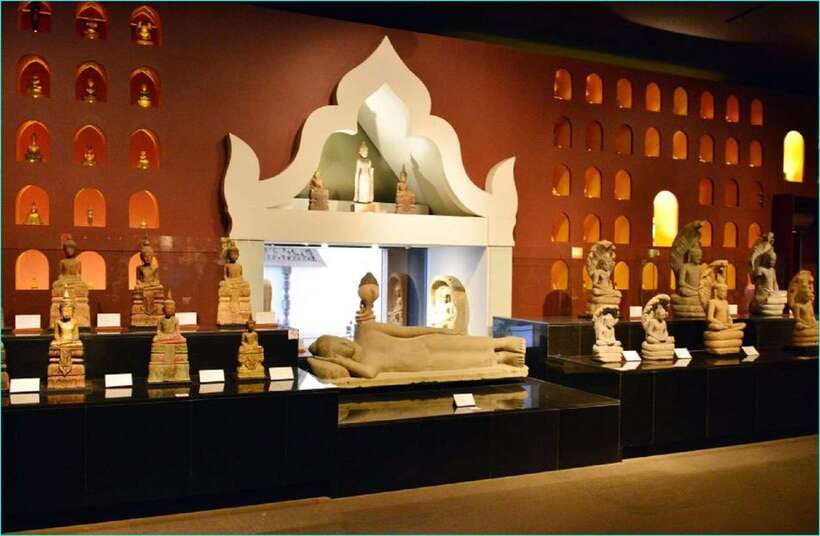
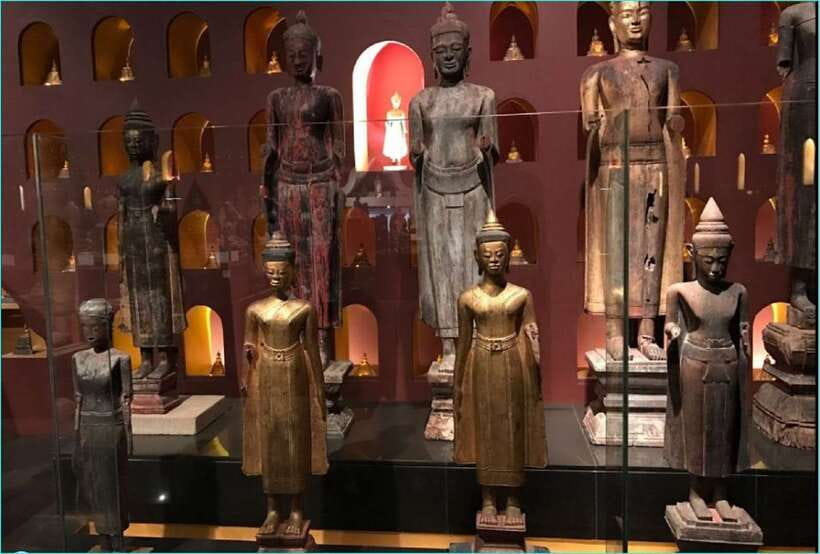
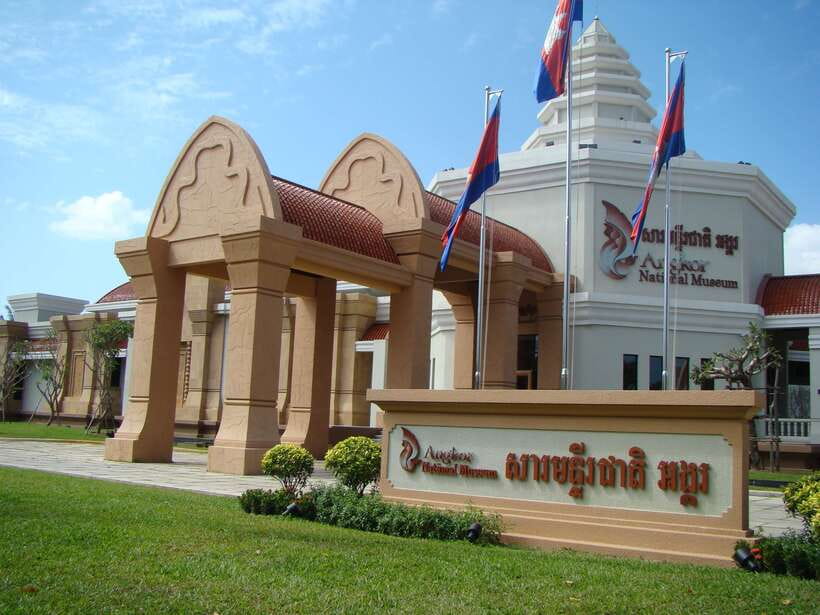
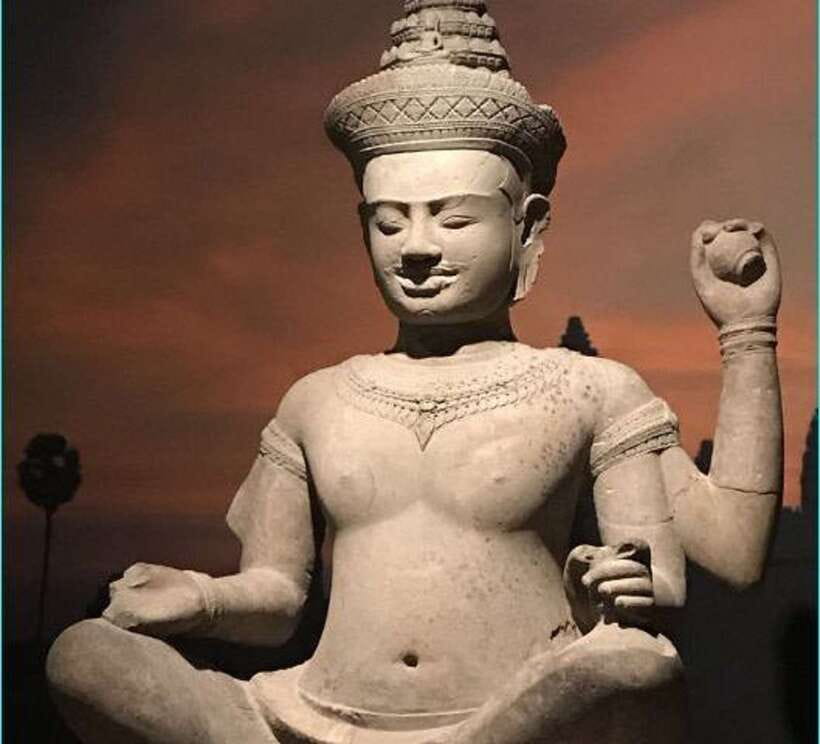
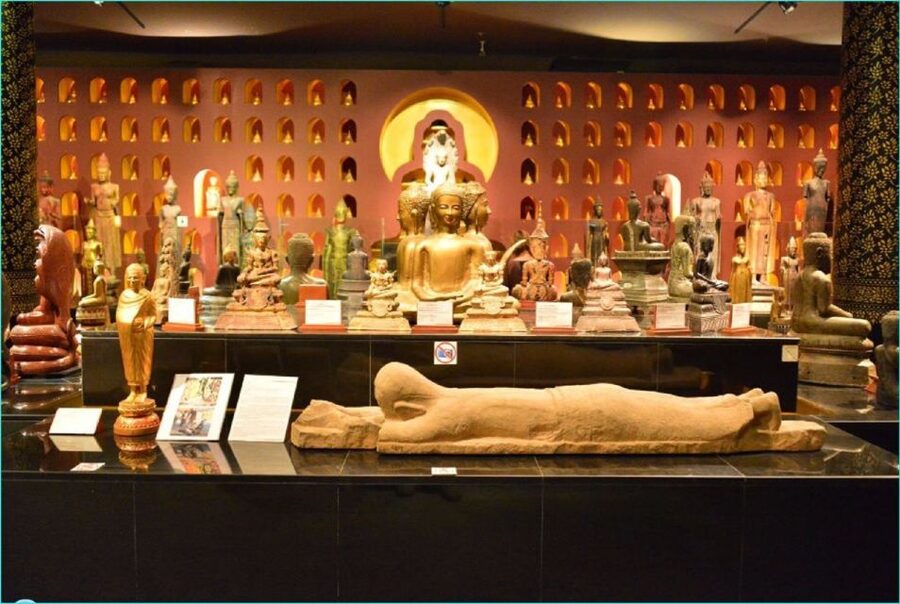
Angkor National Museum puts the temples into context before you face the real stones. Its eight chronological galleries lead from the beginnings of Khmer civilization to the great Angkor era, with a gallery of 1,000 Buddha statues providing the most memorable stop.
I like the museum map, which helps you cover the collection without wandering blindly, and I like the included one-way tuk-tuk pickup. The main catch is that the audio guide costs extra, so the museum may feel less informative if you rely only on labels and the map.
The museum works best before Angkor Wat and Angkor Thom, not after. I also like that the two-hour visit is easy to fit into a Siem Reap day. Just give the operator your hotel name, location, and contact number in advance, then wait in your accommodation lobby for the English-speaking driver.
Key points to know before you book
- Eight chronological galleries trace Khmer civilization from its early beginnings to its highest point.
- The 1,000 Buddha gallery offers the museum’s clearest visual link to Khmer religious life.
- A map is included, helping you follow the museum’s story at your own pace.
- One-way hotel pickup by tuk-tuk is included, but you arrange your own way back.
- The two-hour visit fits well before the temples, especially if Angkor Wat is new to you.
- Audio guides are not included, though an audio guide is available and has been offered in German as well as other languages.
Why the museum matters before Angkor Wat
Angkor Wat is astonishing, but its stones do not explain themselves. You can admire towers, galleries, faces, and carvings while still missing the beliefs and customs that shaped them. This museum gives you a useful starting point.
I see the museum as a primer for the Angkor area. It introduces the Khmer Empire, explains the religious ideas behind its art, and helps you recognize how architecture changed during the Angkor Wat and Angkor Thom eras.
That order matters. At the temples, you will see enormous monuments spread across a large area. In the museum, the story is arranged in a clear indoor setting. You can pause in front of an object, read the explanation, and connect it to what you will later see outside.
The museum does not replace the temples. It helps you read them.
More Museums in Siem Reap
- Bantey Srei, Kbal Spean and Landmine museum Private Tuk-Tuk
★ 4.7 · 30 reviews - Siem Reap City Tour with War Museum and Killing Field
★ 5.0 · 27 reviews - Private Tour: HERO Rats & Angkor National Museum
★ 4.5 · 16 reviews
Your tuk-tuk pickup and arrival
The ticket includes one-way pickup from your hotel or accommodation to Angkor National Museum. Before your visit, provide the hotel name or exact location, along with a contactable phone number. The driver needs this information to find you.
Wait in your accommodation lobby at the arranged time. The driver speaks English, and the transport is by tuk-tuk. This is a useful part of the package if you are staying in Siem Reap and want a simple start without arranging a separate ride.
The pickup is only one way. You will need to organize your return after the museum. That may be easy if you are continuing with other plans, but it is an important detail when comparing this ticket with a package that includes round-trip transport.
You also need to have the ticket supplied by the operator to enter. The pickup and admission are linked, so do not assume that simply arriving at the museum without the ticket will be enough.
The map and the eight-gallery route
Inside, you receive a map to help you move through the galleries. The displays are arranged chronologically, so you can follow the development of Khmer civilization rather than seeing an unrelated collection of objects.
That sequence gives the two-hour visit its shape. You begin with the early formation of Khmer culture and move toward the period when Khmer power and architecture reached their greatest scale.
The museum uses a realistic atmosphere in its galleries. I would not treat this as a theatrical show, but the presentation is designed to make the objects easier to place in time and culture. You get more than a room of statues with no explanation.
The map is particularly useful if you are visiting independently. There is no named personal guide included in the information provided, and the driver’s role is transport rather than an in-gallery lecture. If you want more spoken explanation, budget for the separate audio guide.
Plan on about two hours. You can move faster, but rushing would weaken the museum’s main benefit. The goal is not to inspect every object for a long time. It is to understand the sequence and leave with a clearer idea of what the temples represent.
The gallery of 1,000 Buddha statues
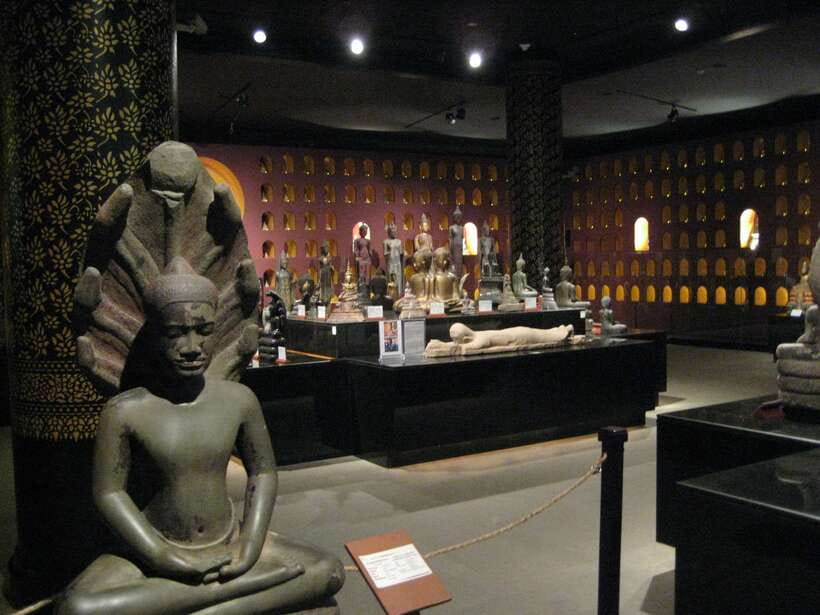
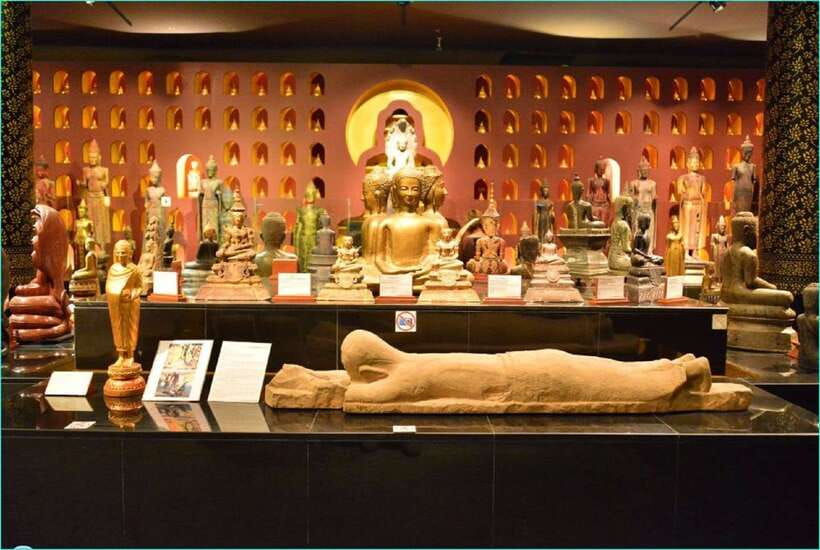
The gallery of 1,000 Buddha statues is the museum’s strongest visual experience. A large concentration of religious images lets you see how Buddhist belief shaped Khmer art across time.
You may find this gallery especially useful if you are still learning to distinguish the religious traditions present in Cambodian art. The museum’s wider story includes different beliefs and customs, and the Buddha display gives that subject a strong physical focus.
Do not treat it as a quick photo stop. Look at the repeated forms and the way the collection creates a sense of scale. The large number of figures makes a point that a single statue cannot: religious images were not isolated decorations, but part of a wider spiritual world.
This is also the part of the museum that may stay with you after the visit. The temples can feel monumental and remote. Here, the human-sized objects bring Khmer religious life closer.
More Tuk-Tuk Tours in Siem Reap
- Siem Reap: Angkor Wat Private Tuk-Tuk Tour
★ 4.9 · 2,222 reviews - Siem Reap Countryside Bike Tour / E-Bike or Tuk Tuk
★ 5.0 · 935 reviews - Angkor Sunrise Bike Tour / E-Bike or Tuk Tuk
★ 5.0 · 615 reviews - Angkor Wat Private Tuk-Tuk Tour (sunrise Option) & more
★ 5.0 · 439 reviews
Khmer customs, beliefs, and daily meaning
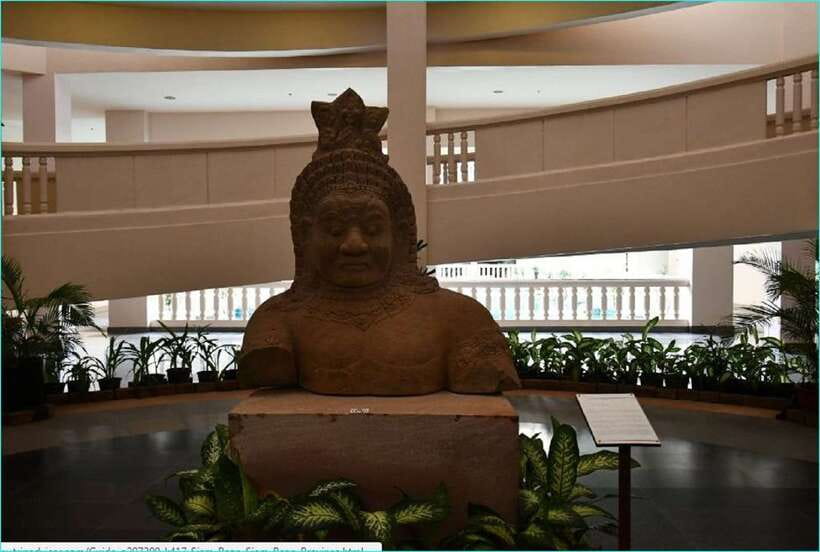
The museum aims to explain ancient Khmer customs and traditions, not only royal monuments. That distinction matters. Angkor was not just a collection of stone buildings created by kings. It was also a society shaped by religious practice, social customs, and changing ideas about power.
You will encounter the beliefs that influenced Khmer art and architecture. The galleries help connect sacred images with the buildings that once housed them or were built in their honor.
This makes the visit valuable for anyone who wants more than a checklist of temples. If you know little about Cambodia before arriving, the museum gives you a basic framework. If you already know the main Angkor sites, it can help fill in some of the cultural background.
The explanations do not turn the museum into a full academic course. Two hours is enough for an introduction, not for every argument about Khmer history. Still, the chronological plan keeps the information manageable.
Understanding Angkor Wat and Angkor Thom architecture
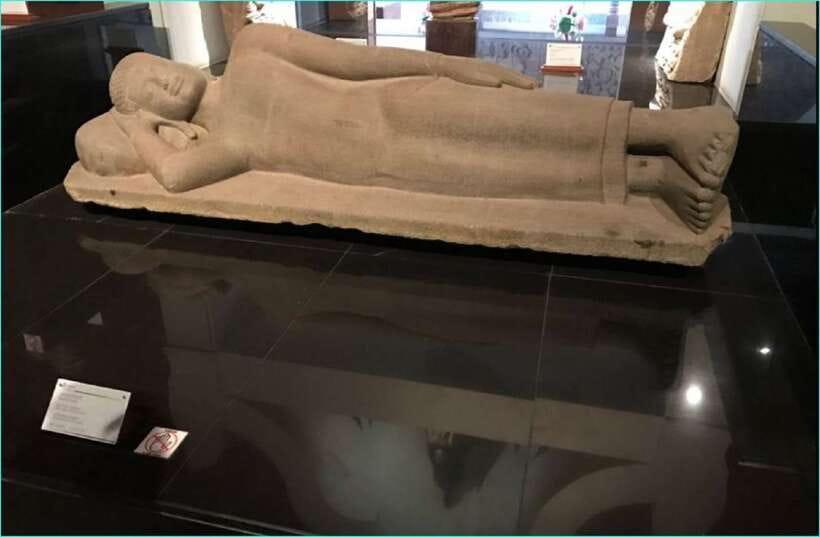
The museum includes material that helps you understand architecture from the Angkor Wat and Angkor Thom eras. That is one of its most practical benefits.
At Angkor Wat, the scale can overwhelm you. You may notice the towers and galleries first, then miss how the design expresses religious ideas and royal ambition. A museum visit beforehand gives you terms and context to watch for.
Angkor Thom presents a different experience, with its own monumental character and religious setting. The museum helps you approach these places as stages in Khmer development rather than as identical temple ruins.
I would pay attention to the way the galleries connect architecture with belief. The buildings were not designed only to impress. Their forms reflected how the Khmer understood sacred space, authority, and the relationship between people and the divine.
You still need the temple visit to grasp the size of the monuments. The museum can explain the ideas, but it cannot reproduce the scale, heat, distance, or outdoor setting of Angkor.
Is two hours enough?
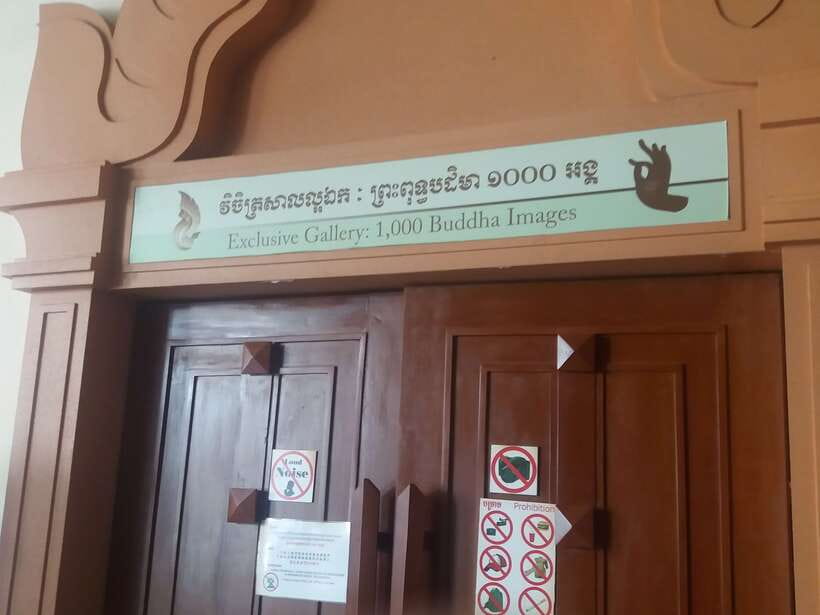
Yes, two hours is a sensible target for this museum. It gives you time to follow the eight galleries without turning the visit into an all-day commitment.
If you read every label closely, you may want longer. If you use the map and focus on the main sequence, two hours should give you a solid introduction.
The audio guide can add more detail. It is not included in the ticket, so decide how much explanation you want before you arrive. One German-speaking visitor found the audio guide helpful and noted that German was available. That option may suit you if you prefer listening to reading or if English is not your strongest language.
Do not confuse the English-speaking tuk-tuk driver with an in-museum guide. The included driver gets you there and helps with the pickup arrangement. The museum visit itself is organized around the map, displays, and any audio guide you choose to purchase.
What the $26 price includes
The price is $26 per person. It covers museum admission and one-way hotel pickup by tuk-tuk.
That is fair value if you need transport and plan to visit the museum as a focused two-hour activity. You are paying for an easy arrival as well as the entrance ticket, which can be useful on a first day in Siem Reap.
The value is less clear if you already have transport arranged or if you want a fully guided visit. The return ride is not included, and the audio guide costs extra. Those two points can raise your total cost.
For me, the best use of this ticket is as a convenient museum introduction before a temple visit. It is not a complete Angkor sightseeing package, and it should not be priced as one.
The strong satisfaction score attached to this experience also fits its simple purpose: the museum is interesting, and the tuk-tuk pickup removes one small task from your day. The service is not trying to do everything. It gets you to a useful cultural stop.
Who should book this experience?
I would recommend it to you if:
- You are visiting Angkor Wat or Angkor Thom for the first time.
- You want historical and religious context before seeing the temples.
- You prefer a self-guided museum visit with a map.
- You need a simple one-way ride from your hotel.
- You enjoy artifacts, statues, and museum displays more than a quick photo stop.
- You want to understand Khmer customs and beliefs, not just photograph buildings.
It may be less suitable if you want a private historian, round-trip transport, or a full guided tour. It is also less useful if your schedule leaves no time before or after the temple visits.
The museum can be valuable after Angkor as well. You will recognize some ideas from the temples and may understand the displays more quickly. Still, before the temples is my preferred timing because the information gives you things to look for outside.
Practical details for a smooth visit
Contact the operator before going to confirm your visiting time and pickup. Provide your hotel name or location clearly, and include a phone number that can be reached during your stay.
Wait in the lobby rather than somewhere away from the accommodation. The driver needs to make a straightforward pickup, and missing the ride could complicate the ticket arrangement.
Backpacks are not allowed, so pack lightly. Pets are also not allowed. Since the museum visit lasts about two hours, carry only what you need and check the bag rule before leaving your room.
The experience offers free cancellation up to 24 hours in advance for a full refund. You can also reserve now and pay later, which helps if your Siem Reap schedule is still changing.
Should you book the Angkor National Museum ticket?
Book it if you want an affordable introduction to Khmer civilization and appreciate the convenience of hotel pickup. The 1,000 Buddha gallery, chronological layout, and material on Angkor-era architecture give you useful preparation for the temples.
Before booking, remember the limits: pickup is one way, the audio guide is extra, and no named in-museum guide is included. If those conditions suit your plans, $26 is a reasonable price for a two-hour cultural stop that can make Angkor Wat and Angkor Thom easier to understand.
FAQ
How long does the Angkor National Museum experience last?
The stated duration is two hours.
What does the $26 price include?
The price includes admission to Angkor National Museum and one-way hotel pickup by tuk-tuk.
Is return transport included?
No. The included transport is one-way pickup from your hotel to the museum.
Is an audio guide included?
No. The audio guide is not included and costs extra. German audio was available according to the provided information.
Is an English-speaking guide included inside the museum?
No personal in-museum guide is specified. The experience provides a museum map, and the driver speaks English.
What should I provide for the pickup?
Provide your hotel name or location and a contactable phone number. Wait for the tuk-tuk driver in your accommodation lobby.
Are backpacks allowed?
No. Backpacks are not allowed inside the experience.
Can I bring a pet?
No. Pets are not allowed.
Can I cancel for a full refund?
Yes. You can cancel up to 24 hours in advance for a full refund.
Just added around Siem Reap
- Twilight Tastes of Siem Reap Include Dinner★ 5.0 · 13 reviews
- Ultimate Sunrise to Angkor Wat, Angkor Thom and Bayon Temple★ 5.0 · 3 reviews
- Trekking Tour at Phnom Kulen National Park from Siem Reap★ 5.0 · 3 reviews
- Professional Photo Shoot in Angkor Archaeological Park, Siem Reap★ 5.0 · 42 reviews
- Full-Day Private Tour of Angkor Wat with Pick Up★ 5.0 · 12 reviews
- Unveiling 2 Days Private Angkor Wat/Beyond In Sunrise/Sunset Tour★ 5.0 · 48 reviews
- Siem Reap City Tour with War Museum and Killing Field★ 5.0 · 27 reviews
- Private Day Trip to Angkor Temples with Expert Guide★ 5.0 · 4 reviews
Museums, compared.

The Killing Field and Toul Sleng Genocide Museum (S21) Tour
Read our review →
Private Half Day To Killing Field & S21 Genocidal Museum in Phnom Penh
Read our review →
Tuol Sleng Genocide Museum (S-21) and Choeung Ek Killing Fields Tour
Read our review →
Phnom Penh City Tour, Silver Pagoda, Genocide Museum, Killing Fields
Read our review →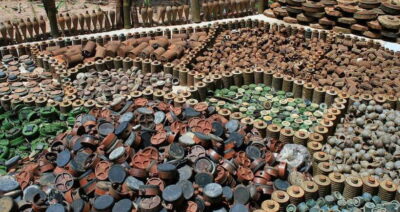
Bantey Srei, Kbal Spean and Landmine museum Private Tuk-Tuk
Read our review →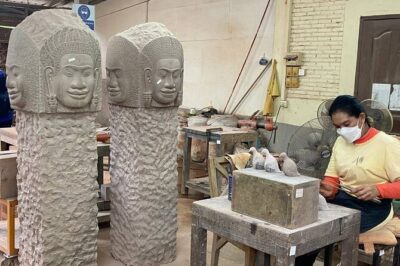
Siem Reap City Tour with War Museum and Killing Field
Read our review →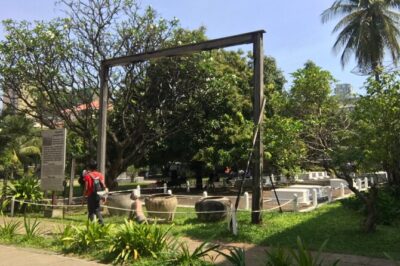
Khmer Rouge, genocide museum &killing field tour
Read our review →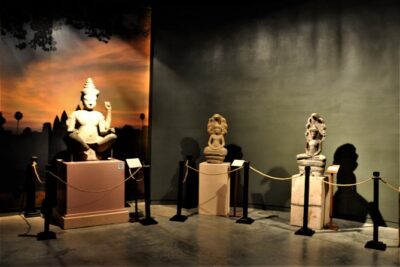
Private Tour: HERO Rats & Angkor National Museum
Read our review →Browse the lists this tour appears in