
Reviewed · OUDONG TOURS
Beyond The Oudong Temple and Birdwatching in Phnom Penh
The best part of this Phnom Penh day trip is the mix: one morning gives you open wetlands, rice fields, river communities, a floating village, and the old capital at Oudong. Birding is the thread tying it together, with chances to spot Cambodian tailorbirds, Oriental darters, herons, kingfishers, and seasonal migrants.
I like the small maximum group of eight, which makes early-morning bird spotting far less awkward than it would be with a busload of people. I also like the practical inclusions: a guide, driver, round-trip transport, coffee, breakfast, lunch, fruit, and drinking water. The main drawback is the early start and long day. If you are not keen on birds, Oudong is only one part of a seven-hour outing, so this may feel slow in places.
Key points to know before booking
- Birding begins before the heat builds: You leave around 5:30 or 6:00 am, when wetland birds are active and the countryside is cooler.
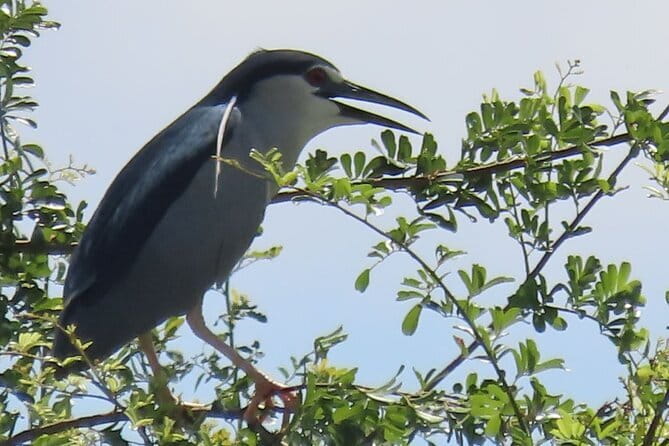
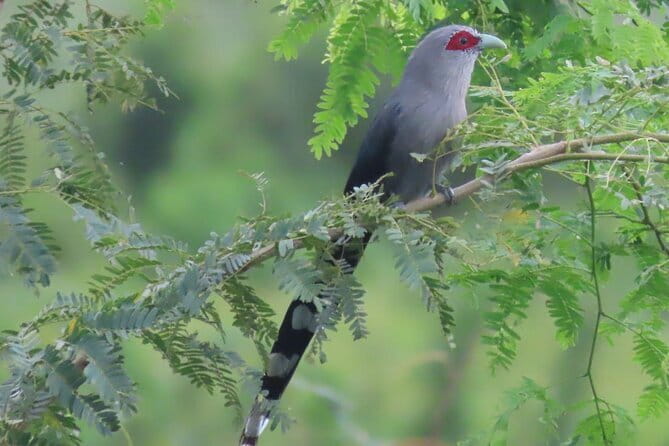
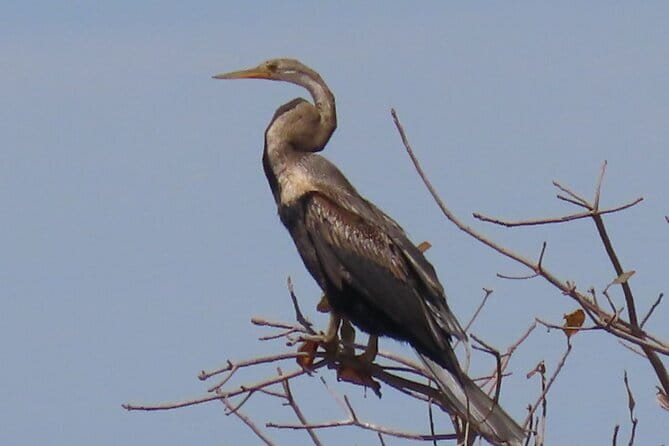
- The bird list is varied: Look for Cambodian tailorbirds, Black-crowned Night-herons, Oriental darters, black drongos, Green-billed Malkohas, Asian Openbills, bitterns, egrets, kites, and kingfishers.
- The day is more than birdwatching: You pass rice fields and a Muslim community, visit a Tonle Sap floating village, and finish at Oudong, Cambodia’s former capital.
- Meals and transport are covered: Hotel pickup and return, vehicle support, breakfast, coffee, fruit, lunch, and purified water are included.
- Guiding is a key part of the value: Guides such as Simon and Mr Thong are associated with the experience, with Simon noted for sharp bird spotting and Mr Thong for strong organization and terrain knowledge.
- Bring your own binoculars if you have them: A pair is provided, but your own optics may be more comfortable and familiar.
Why this day trip works for bird lovers
Phnom Penh is often treated as a city stop between Cambodia’s major temple sites. This outing shows you a quieter side of the capital, where roads run beside fields, waterways, grassland, and village settlements. The reward is not one grand sight. It is the changing scene outside the car window and the sudden movement of a bird in the reeds.
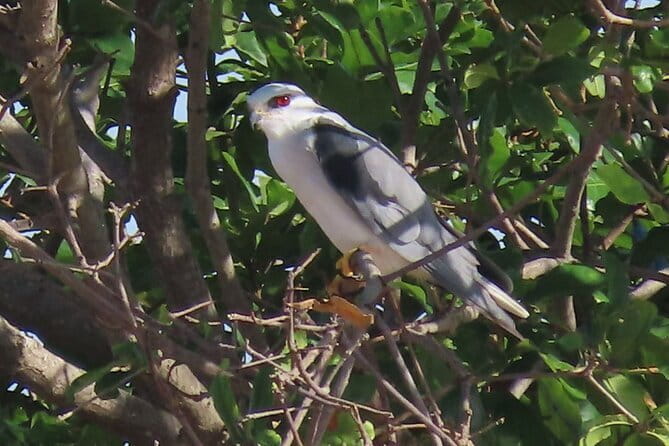
The bird list is especially appealing if you want more than common city species. Depending on conditions, you might see the Cambodian tailorbird, Black-crowned Night-heron, Oriental Darter, Black Drongo, Green-billed Malkoha, Asian Openbill, Lesser Whistling-duck, Little Grebe, Cinnamon Bittern, Grey Heron, Java Pond Heron, Black-shouldered Kite, and several migratory birds.
That list also tells you what kind of day this is. You will spend time watching, waiting, and listening. Some birds may be close and easy to identify. Others may appear briefly across a wet field. A good guide matters here because birding is not simply about reaching a viewpoint. It is about knowing where to look and noticing a shape, call, or flight pattern before it disappears.
More Temple Tours in Phnom Penh
- Phnom Penh City Tour, Silver Pagoda, Genocide Museum, Killing Fields
★ 5.0 · 123 reviews - Oudong Mountain History and Pagoda Tour
★ 5.0 · 39 reviews - 2-Day Phnom Penh to Siem Reap and Angkor Wat Temples
★ 5.0 · 22 reviews
The 5:30 am start and first countryside stop
The day begins very early. The tour information gives a start around 6:00 am, while the schedule describes pickup at 5:30 am, so confirm your exact collection time when booking. You can use the pickup service or meet at the Independence Monument.
The first drive takes about 30 minutes. That short transfer gets you out toward countryside and water habitats before the morning heat becomes uncomfortable. You might look for little bee-eaters, Little Grebes, Great Cuckoos, plaited prinias, Little Egrets, Blue-tailed Bee-eaters, and kingfishers.
This first stop is a good test of your expectations. You are not entering a fenced wildlife park with guaranteed sightings. You are visiting working countryside, where birds share space with fields, water, homes, and roads. The setting feels more connected to daily Cambodian life than a standard city tour.
Your guide should help with both identification and patience. If you are new to birding, ask about size, color, flight, and habitat rather than trying to memorize every name. The supplied binocular can help, though you should bring your own if you already have a pair you trust.
Along the Tonle Sap River and the Muslim community
After the first birding stop, the route follows the Tonle Sap Riverside. You pass rice fields and a Muslim community before reaching another observation site. This part adds useful context to the birding. The river is not just scenery. It supports transport, farming, fishing, and settlements, while the open areas around it give water and grassland birds room to feed.
At this site, you might spot Yellow Bitterns, Black-winged Kites, sunbirds, Indian Rollers, Oriental Darters, and Asian Yellow Weavers. The species mix shifts from the first stop, which is one reason the full route is worthwhile. You are not standing in one place all day hoping the same few birds appear.
The route also lets you see how quickly Phnom Penh gives way to open land. The city is close, but the pace changes. Instead of traffic and tall buildings, you get rice fields, waterways, and small communities. The scenery is simple rather than dramatic, but it gives the outing a clear sense of place.
Coffee, fruit, and a grass-field watch

A morning coffee and fruit break is built into the day. You stop with a view over grass fields, which turns a basic refreshment break into another chance to watch birds. Breakfast is also included, though the exact menu is not specified.
This pause matters more than it may sound. Early birding can involve standing quietly and walking over uneven outdoor areas, so a short rest helps. It also gives you time to compare sightings with the guide and ask about calls or behavior. The experience is not only a checklist exercise. The guides associated with the tour have also been praised for explaining how changing surroundings affect local people, which adds depth to the morning.
The grassland and wetland birds may include Black-crowned Night-herons, Java Pond Herons, Little Egrets, Great Egrets, Pied Kingfishers, Common Kingfishers, Cambodian tailorbirds, Common Greenshanks, Black-winged Stilts, and Grey Herons.
You may see several heron species in one area, but they are not all doing the same thing. Some stand motionless at the water’s edge. Others fly between feeding spots. A guide who can point out those differences turns a distant bird into a useful lesson.
More Oudong and old-capital day trips:
- Oudong Mountain – Phnom Penh Former Capital Private Day Tour
★ 4.8 · 146 reviews - From Phnom Penh: Oudongk Mountain and Koh Chen Island Tour
★ 4.8 · 68 reviews - Oudong Mountain & Phnom Baset Private Tours from Phnom Penh
★ 4.5 · 44 reviews - Oudong Mountain And Floating Village Cycle Tour
★ 5.0 · 25 reviews
A floating village on the Tonle Sap River

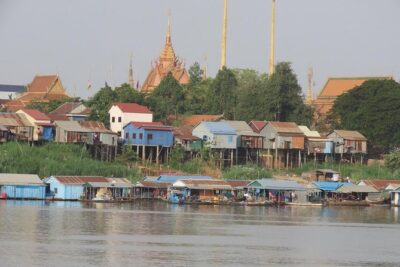
Later, you visit a floating village on the Tonle Sap River. The supplied information does not specify the village name or the exact boat arrangements, so you should think of this as a local-life stop rather than a guaranteed sightseeing cruise.
The visit adds something that a standard birding trip often lacks. You see how homes and communities relate to the river, and you can connect the birds to the water system around them. The river is a source of movement and work, not simply a backdrop for photographs.
This stop may also be the least predictable part of the day. A floating village can be interesting because it is lived-in and practical, but it may not match the polished expectations of a major tourist attraction. Keep your focus on observing respectfully and listening to the guide’s explanation.
Lunch follows the floating-village visit. Lunch is included, along with morning food and refreshments, which makes the $110 price easier to assess. You are paying for a full day of transport and guiding, but you are not also adding several meals and drinks along the way.
Oudong temple and the old Cambodian capital
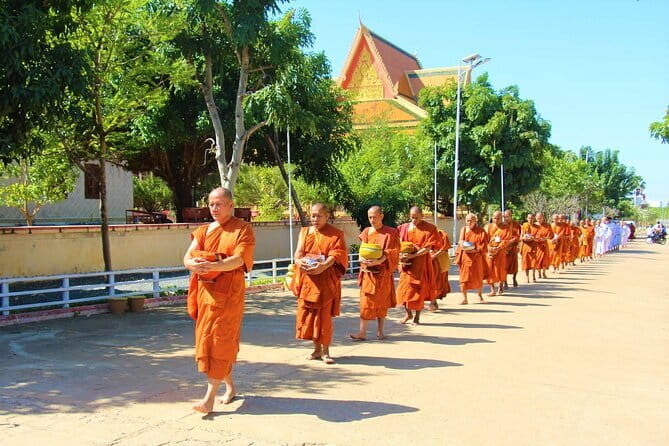
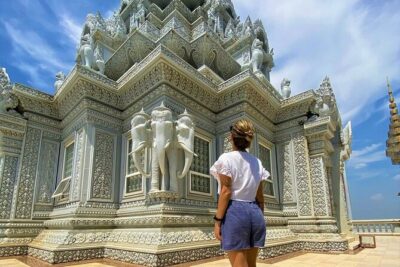
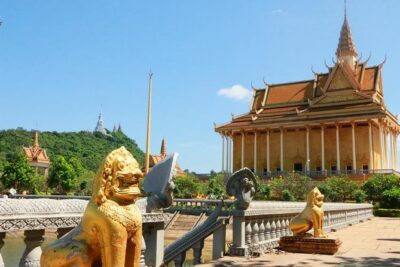
The final major stop is Oudong temple. Oudong was the old capital city, and the temple visit gives the day a historical finish after its wetlands and villages.
The information does not give a detailed list of specific monuments or walking distances at Oudong, so you should not book this as a full historical tour of the site. Instead, Oudong works as a cultural setting where you can continue birding while learning about Cambodia’s former capital.
That combination is unusual and useful. You get a better sense of how temples, open ground, and rural surroundings fit together. The site also changes the mood of the day. After watching birds in fields and along water, you are looking at a place shaped by Cambodia’s past.
Birding at Oudong may bring different species from the wetland stops, including common open-country birds and species associated with trees and temple grounds. The tour description specifically presents Oudong as the closing birding area, not merely a quick photo stop.
What guides and group size add
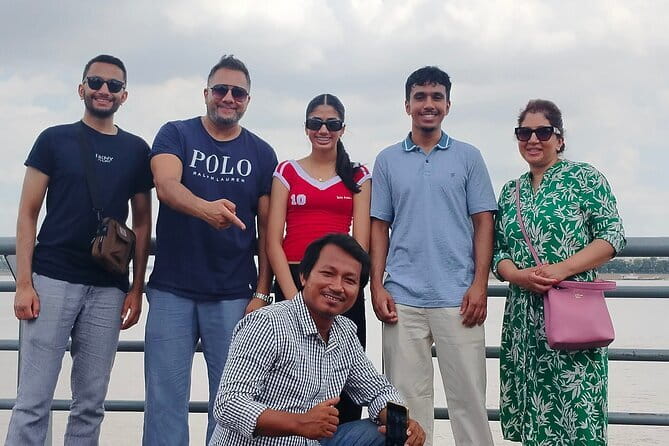
A birding guide can make or break this type of experience. You need someone who can spot a distant bird, identify it accurately, and explain what makes it different from a similar species. You also need a guide who can keep the day moving without rushing every stop.
Simon is associated with the tour and has been praised for strong spotting skills and a growing command of bird guiding. That is a useful distinction: he may be newer to the role, but the available feedback points to good eyes and a willingness to share what he knows.
Mr Thong is also associated with the experience and is noted for organizing the day well, understanding the terrain, and identifying birds by both sight and song. He is also linked with keeping guests supplied with fresh water and snacks.
The maximum group size is eight. That is small enough for you to ask questions and share a sighting without shouting over a large crowd. It also helps at observation points, where too many people can block views or make quiet watching difficult.
Is $110 a fair price?
At $110 per person, this is not a bargain-priced city excursion. It is a full-day specialist outing, and the price includes hotel pickup and drop-off, a driver, an English-speaking birding guide, vehicle support, binoculars, purified water, fruit, morning coffee, breakfast, and lunch.
That package gives the price solid value if you care about birds and want to avoid arranging transport between several rural sites. A private car, meals, and a specialist guide booked separately could quickly approach the same cost, though the exact comparison depends on your group size.
The value is weaker if you mainly want to see Oudong temple. You would be spending much of the day on birding stops and river communities. In that case, a shorter temple-focused outing may suit you better, but this experience is designed for people who want the wider combination.
Group discounts are available, and the small group limit is worth noting. You get the social feel of a shared trip without the scale of a coach tour.
Timing, comfort, and practical details
Plan for about seven hours, with a return to Phnom Penh around 3:00 or 4:00 pm. The schedule is long but logical: early birding, a second observation area, a refreshment stop, the floating village, lunch, Oudong, and the return drive.
Wear comfortable clothing suitable for early outdoor stops. The tour data does not specify the ground conditions, so practical footwear is sensible. Bring your own binoculars if you have them, along with any personal items you prefer for a long morning outside.
Hotel pickup is offered, but the meeting point is Independence Monument if you do not use pickup. The experience is near public transportation, and most people can participate. Personal expenses and tips are not included.
Free cancellation is available if you cancel at least 24 hours before the start time. Cancellations or changes within 24 hours are not refunded, so check the local start time carefully.
Who should book it?
I would choose this for a birdwatcher who wants a full day outside Phnom Penh and enjoys seeing how nature fits into ordinary community life. It also suits a curious first-time birder, since a guide can explain the basics while pointing out a strong range of species.
It is a good match for photographers who value variety, though there is no promise of close-up views. Bring realistic expectations. Birds move, weather affects sightings, and some species may remain distant.
I would hesitate to recommend it to anyone who dislikes early starts, long vehicle transfers, or quiet observation. The tour includes Oudong and a floating village, but birding is the main activity, not a side feature.
Should you book this Phnom Penh birding tour?
Book it if you want more than temples and city streets. The mix of wetlands, rice fields, Tonle Sap communities, a floating village, and Oudong gives you a broad look at the area in one day. The meal package and small group size also make the $110 cost easier to justify.
Skip it if you want a relaxed late morning or a short visit to Oudong alone. For the right person, though, this is a thoughtful day out, with enough bird variety to keep experienced watchers interested and enough guidance to help beginners get started.
FAQ
What time does the tour start?
The experience information gives a start time of 6:00 am, while the schedule describes pickup at 5:30 am. Confirm the exact pickup or meeting time when booking.
Where can I meet the tour?
You can use the hotel pickup service or meet at the Independence Monument meeting point.
How long does the experience last?
The tour lasts approximately seven hours and is expected to return to Phnom Penh around 3:00 or 4:00 pm.
What birds might I see?
Possible sightings include Cambodian tailorbirds, Black-crowned Night-herons, Oriental Darters, Black Drongos, Green-billed Malkohas, Asian Openbills, Lesser Whistling-ducks, Little Grebes, Cinnamon Bitterns, Grey Herons, Java Pond Herons, Black-shouldered Kites, egrets, kingfishers, weavers, and migratory birds.
Is binocular equipment provided?
A binocular is included. You are also asked to bring your own binoculars if you have them.
Are meals and drinks included?
Yes. The tour includes purified drinking water, fruit, morning coffee, breakfast, and lunch.
How many people can join the tour?
The maximum group size is eight travelers.
Can I cancel for a full refund?
Yes, if you cancel at least 24 hours before the experience start time. Cancellations or changes made less than 24 hours before the start time are not refunded.
Just added around Phnom Penh
- Exploring the Best of Phnom Penh: A Full Day Tour★ 4.5 · 9 reviews
- Private Transfer : Phnom Penh ↔ Sihanouk Ville★ 5.0 · 15 reviews
- War Museum, Killing Field, and APOPO Hero RATs Tour★ 5.0 · 7 reviews
- Phnom Penh Intercity★ 4.5 · 11 reviews
- Phnom Penh Nightlife Street Food Tours★ 4.5 · 14 reviews
- War Museum, Killing Field and Floating Village ( Kampong Phluk)★ 4.5 · 6 reviews
- War Museum, Killing Field and Floating village ( Chong Kneas) Tour★ 5.0 · 14 reviews
- The killing field and Toul Sleng Genocide museum (S21) Tour★ 4.5 · 19 reviews
Oudong Tours, compared.
Oudong Mountain – Phnom Penh Former Capital Private Day Tour
Read our review →
Oudong Mountain & Phnom Baset Private Tours from Phnom Penh
Read our review →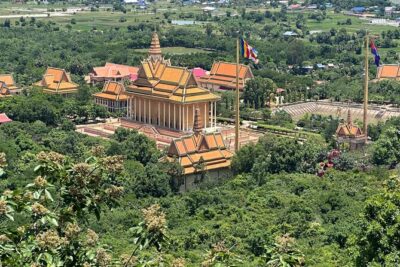
Oudong and Koh Chen Island – Full Day Cruise & Tour with English speaking guide
Read our review →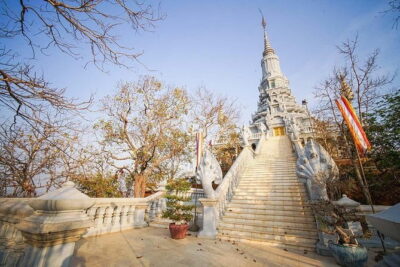
Oudong Temples & Phnom Prasith Private Tour from Phnom Penh
Read our review →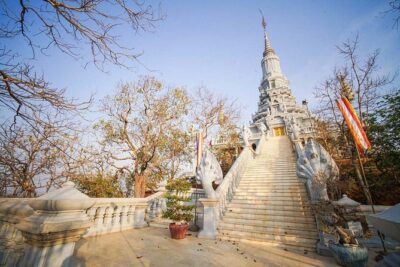
Browse the lists this tour appears in