
Reviewed · TEMPLE TOURS
Private Two Days Siem Reap Temples Discovery Guided Tour
Angkor Wat is only the beginning here. This private two-day tour pairs the famous temples with Phnom Kulen’s mountain sites, palm-sugar making, a stilt-house village, and Tonle Sap Lake. You get a broad look at Siem Reap rather than spending every hour among temple walls.
I like the private vehicle and flexible guide service, especially if you want to pause, ask questions, or adjust the pace. I also like the local focus: Kompong Phluk and the palm-fruit village add useful context to the monuments. The main drawback is cost, since temple, mountain, and boat tickets are extra, and Day 2 is a long outing.
I especially appreciate that guides such as Ngoun, Ran, Lux, and Chang are praised for personal stories, careful planning, and friendly service. The tour suits you best if you want major sights covered efficiently, but still want to see how people live beyond the central temple zone.
Key points to know before booking
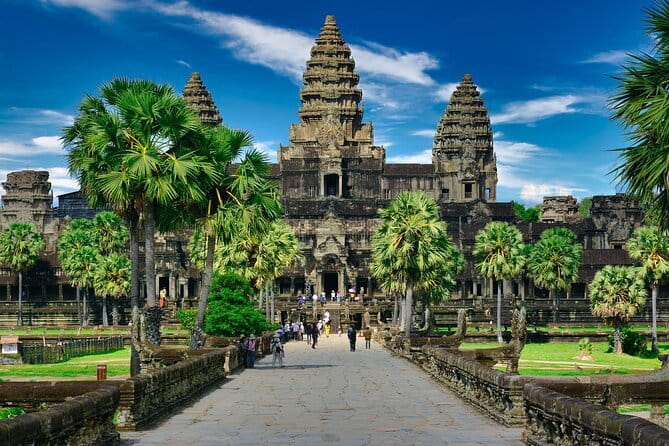
- Angkor Wat, Bayon, Ta Prohm, and Ta Nei arrive on Day 1, giving you the essential Angkor circuit plus a quieter jungle temple.
- Phnom Kulen fills much of Day 2, with a palm-sugar village, a large reclining Buddha, and the Thousand Lingas.
- Kompong Phluk includes a boat trip, followed by time around Tonle Sap Lake and its floating restaurant.
- Your private guide and driver pick you up and return you to your hotel, with cool drinking water included.
- The advertised price is $150 per person, but listed entrance and boat fees add $77 per person.
- Sunrise at Angkor Wat costs extra, followed by a return to the hotel for breakfast before the regular morning departure.
Why this two-day plan works well in Siem Reap
I like the shape of this experience because it does not treat Siem Reap as one giant temple park. Day 1 gives you the celebrated Angkor monuments, while Day 2 moves into the countryside, mountains, villages, and lake country.
That contrast matters. Angkor Wat can feel grand and almost overwhelming, with long galleries, towers, courtyards, and carved stone everywhere you look. A local village or a view across Tonle Sap gives your visit a human scale. You begin to see the area as a living place, not just an archaeological site.
The private format also changes the pace. You are not tied to a large group’s bathroom stops, photo breaks, or walking speed. If your guide is Ran, Ngoun, Lux, or Chang, you can expect the kind of service reflected in the tour’s feedback: personal explanations, help with planning, and attention to the details of your day.
Still, this is not a light two-day outing. Day 1 includes several temple visits, and Day 2 reaches Phnom Kulen before continuing to Kompong Phluk and Tonle Sap. You should be comfortable walking, handling heat, and spending substantial time in a vehicle.
More Private Tours in Siem Reap
- Full-Day Angkor Wat Sunrise Private Tour with Guide from Siem Reap
★ 5.0 · 2,920 reviews - Siem Reap: Angkor Wat Private Tuk-Tuk Tour
★ 4.9 · 2,222 reviews - Angkor Wat Private Day Tour from Siem Reap
★ 5.0 · 834 reviews
Day 1: Angkor Wat, Angkor Thom, and the jungle temples
Pickup begins at about 9 a.m. in Siem Reap. Your guide meets you at the hotel, explains the plan, and introduces the day before you set out. The included private transportation is useful here, since the temples are spread across a large area and the midday heat can make moving between sites tiring.
The listed time at the initial Siem Reap meeting point is short, about 15 minutes. That is mainly an orientation and pickup period, not a major sightseeing stop.
Angkor Wat: start with the essential monument
Your first major visit is Angkor Wat, the famous temple complex that anchors most visits to Siem Reap. You have about 90 minutes here, with an English-speaking guide explaining the temple’s background and design.
That time gives you a good introduction, though it is not an exhaustive examination of every gallery and carving. Angkor Wat is large enough that you could spend much longer there. If you are passionate about architecture or photography, you may want to discuss the pace with your guide at the start.
I like beginning here because the rest of the day becomes easier to understand. The grand scale of Angkor Wat gives you a frame for the smaller and more atmospheric temples that follow. Bring water, keep your footwear practical, and expect some walking across uneven surfaces.
The Angkor temple ticket is not included. The supplied price information lists a Day 1 temple ticket at $37 per person, so add that to the $150 tour price when working out your real budget.
Angkor Thom and Bayon: stone faces and an old capital
After Angkor Wat, the vehicle makes a short transfer to Angkor Thom. This former capital was once described as a huge city, with close to one million people living there in the 13th century. The stop lasts about 30 minutes, giving you a short look at the old capital area before continuing to Bayon.
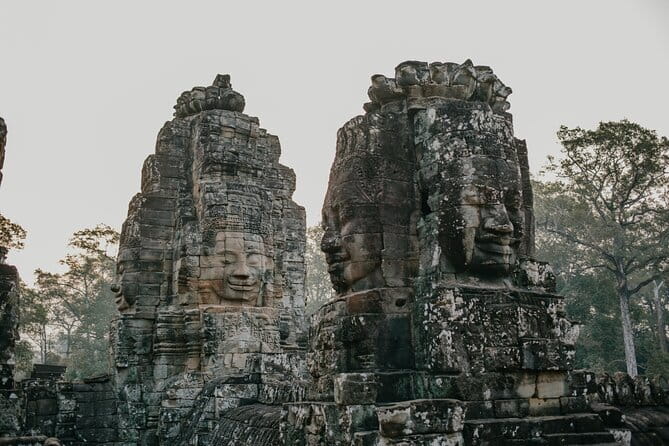
Bayon sits at the center of Angkor Thom and is famous for its enormous carved faces. You have about 90 minutes at the temple, along with access to nearby sights such as Baphuon, the Elephant Terrace, the old Royal Palace area, and Phimeanakas or nearby ruins, depending on how your guide organizes the visit.
This is where a good guide adds real value. Bayon can feel confusing at first because towers, galleries, and passageways crowd together. An explanation of what you are seeing helps you notice the faces, bas-reliefs, and changing levels instead of simply walking through a maze of stone.
The schedule also requires judgment. Ninety minutes is enough for a useful visit, but the surrounding Angkor Thom sites could fill a separate morning. If you want extra time at Baphuon or the Elephant Terrace, ask your guide before the day gets too far along.
More Temple Tours in Siem Reap:
- Angkor Wat Sunrise & 3 Main Temples with Breakfast – Small Group
★ 5.0 · 2,857 reviews - Siem Reap: Full Day Angkor Wat Temple Experience with Sunset
★ 4.9 · 1,490 reviews - 2 Days Exclusive Temple Highlights with Sunset and Sunrise Tour
★ 5.0 · 1,157 reviews - Full-Day Banteay Srei & 4 Temples – Grand Tours Join-in Tour
★ 5.0 · 1,155 reviews
Ta Nei: a quieter temple stop
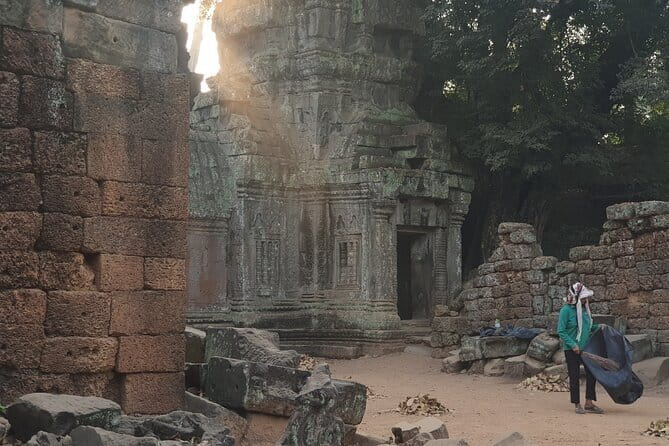
Ta Nei is one of the smaller and more secluded visits, with about 15 minutes scheduled. The tour describes it as a lost jungle temple, and that short stop is designed more for atmosphere and a quick explanation than for a long architectural study.
I like its place in the day. After the famous monuments, Ta Nei offers a quieter pause and a sense of what it feels like to encounter a less-visited ruin. The shorter visit also helps keep the overall schedule moving.
Do not expect the same amount of interpretation or walking time here as at Angkor Wat or Bayon. Ta Nei works best as a brief, atmospheric stop rather than the main event.
Lunch near Srah Srang
Srah Srang is listed as a one-hour break, with nearby restaurants offering Khmer and Western food. Your guide can recommend a place, but lunch is not listed among the inclusions, so plan to pay separately.
This is a sensible point for a meal. You have already visited several temples, and a proper pause keeps the afternoon from becoming a blur of stone and heat. Khmer dishes give you a chance to eat locally, while Western choices are available if you prefer something familiar.
Srah Srang itself is a reservoir area, and the stop may also offer a change of scenery from the enclosed temple spaces. Keep the break practical, since Ta Prohm still follows.
Ta Prohm: roots, ruins, and the Tomb Raider connection
After lunch, you visit Ta Prohm for about 45 minutes. This is the temple associated with Angelina Jolie’s Tomb Raider, but its appeal is not only cinematic. Trees and roots have grown through the stone, creating the dramatic combination of architecture and forest that many people picture when they think of Angkor.
The stop is shorter than some visitors may expect. Ta Prohm has plenty to see, and the famous sections can take time if you want photographs. Your guide’s explanation can help you understand which details matter, while the private format lets you discuss whether to linger or keep to the schedule.
After Ta Prohm, the tour returns to Siem Reap. There may be time for an optional stop at Sacha, described as a local handicraft or incubation center, or at the APOPO Rat Center, where trained rats are used for landmine detection. These are options rather than guaranteed core stops, so treat them as possible additions if time and interest allow.
Day 2: Phnom Kulen and the mountain’s sacred sites
Day 2 begins with an important choice. If you want sunrise at Angkor Wat, the guide can take you there for an additional charge, return you to the hotel for breakfast, and then begin the regular day again at about 10 a.m.
This is useful if sunrise is high on your list, but it also makes for a very long day. I would choose it only if you are comfortable with the early start and extra cost. If you prefer a steadier pace, skip sunrise and use the morning for breakfast and rest before leaving.
Palm sugar and the road to Phnom Kulen
The drive toward Phnom Kulen includes a stop at a local palm-fruit village, where people make sugar from the palm fruit. This is one of the more useful cultural touches in the program because it shows a working local practice rather than another monument.
The details are important here. You are not simply being driven from one major attraction to another. You get a glimpse of how local products are made and how rural life connects to the food and traditions of the region.
The main Phnom Kulen visit takes about three hours. The national park ticket is not included, and the listed price is $20 per person.
Reclining Buddha and the Thousand Lingas
Phnom Kulen offers a change from the flat temple zone. The program includes a large reclining Buddha carved on the mountain and the Thousand Lingas, carvings connected with the riverbed and religious traditions of the site.
The three-hour block allows time for the mountain area and its key sights, though conditions can affect how quickly you move. The tour notes that you should have a moderate level of physical fitness. That is worth taking seriously, since this is a full day with walking, heat, and multiple locations.
Your guide can provide the background that turns these sites from isolated curiosities into part of Cambodia’s religious and cultural story. I would wear comfortable shoes and keep your water close. Cool drinking water is included, which is helpful in the heat.
Prasat Bakong and lunch on the return route
On the way down from Phnom Kulen, the route continues toward Kompong Phluk. A lunch stop at Steong Trocheak Restaurant is planned, with about an hour set aside.
Prasat Bakong is also part of this section, though the schedule gives the stop a one-hour block and places it in the route toward the lake. It offers another temple setting after the mountain visit, but it is not presented as a full replacement for the better-known Angkor monuments of Day 1.
The timing here may feel active. Mountain sites, lunch, a temple, a village, and the lake all occupy the same day. I like the variety, but you should not book this expecting long, unhurried pauses at every place.
Kompong Phluk and Tonle Sap Lake
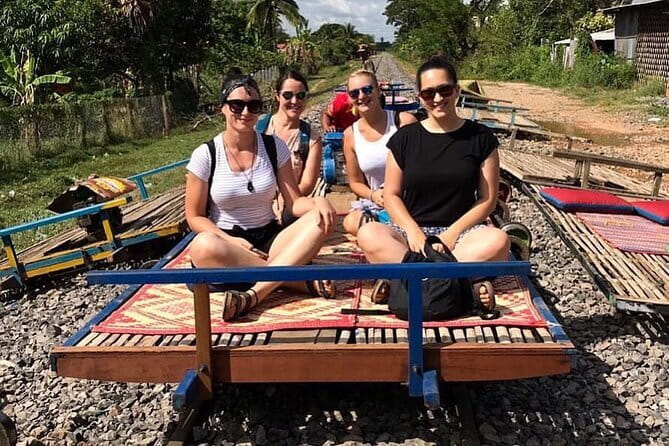
After lunch, you visit Kompong Phluk, a local community known for its stilt houses and connection to Tonle Sap Lake. The scheduled village visit and boat trip take about 90 minutes, with the boat ticket listed at $20 per person and not included.
This is one of the strongest reasons to choose the two-day program. You see how homes and movement in the community relate to seasonal water levels, rather than only visiting formal cultural sites. The boat gives you a different view of the village and the waterways around it.
The experience is not entirely cost-free, so include the boat fee when calculating the final price. You should also allow for the possibility that water conditions affect exactly what you see, since the village and lake environment changes through the year.
The final lake stop lasts about 30 minutes and includes time at a floating restaurant. You can take photographs, look across the broad water, and hear more about the geography of Tonle Sap. The stop is brief, but it gives the day a calm ending after the busier mountain and village sections.
The drive back to Siem Reap takes about 45 minutes. Once you return, the two-day program finishes at your hotel or another agreed drop-off point.
What the $150 price really covers
The advertised price is $150 per person. It includes a private vehicle, an English-speaking guide for both days, cool drinking water, and hotel pickup and drop-off.
The extra charges are significant enough to plan for:
- Day 1 temple ticket: $37 per person
- Phnom Kulen National Park ticket: $20 per person
- Kompong Phluk boat ticket: $20 per person
That brings the listed core total to about $227 per person before meals, optional sunrise, and any other personal spending. For a private two-day service, that can be fair value if you want a dedicated guide and transport rather than arranging several separate trips.
The value is strongest for couples, families, or small groups that can share the private vehicle and benefit from flexible pacing. Group discounts are offered, though the exact amount is not specified. Solo visitors pay more per person for the same private structure, so compare the total with a small-group alternative if budget is your main concern.
The guides and service style
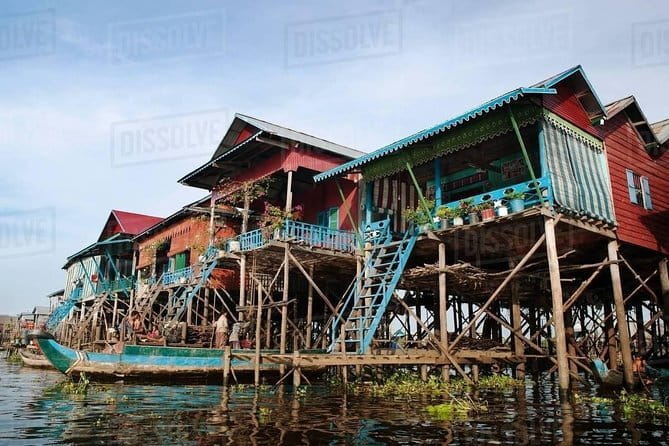
The strongest praise centers on the guides. Ngoun is described as friendly, passionate, and well informed about both the local area and Cambodia as a whole. Ran is praised for clear explanations, a warm manner, and helping make Angkor more understandable.
Lux is noted for personal insight into history and culture, flexible planning, and careful hosting. Chang is also named as a guide who helped create a strong two-day experience, while drivers such as Leak and Phana are praised for dependable service and thoughtful touches.
Names matter because this is a private tour. Your experience depends heavily on the guide assigned to you. When booking, it is sensible to ask who will lead your visit and to tell the company what matters most, such as photography, temple architecture, local life, or a slower pace.
Who should book this tour?
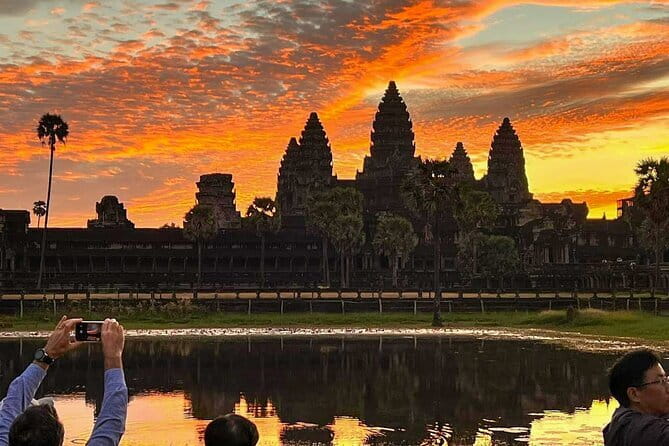
I would recommend it if you have two full days and want more than the standard Angkor circuit. It is especially useful if you want someone else to handle the driving while you focus on temples, villages, and the lake.
It also suits you if you value conversation. The guide can explain the monuments, share local stories, and help connect the temples with present-day life. Families and small groups may appreciate the private setting, while couples can adjust the rhythm more easily than on a large coach tour.
I would think twice if you dislike long road days, prefer to explore one temple slowly, or need a tightly controlled budget. The extra fees bring the real cost well above $150, and Day 2 covers a lot of ground.
Should you book it?
Book this tour if you want a broad, well-organized introduction to Siem Reap, with Angkor’s famous monuments balanced by Phnom Kulen, palm sugar, Kompong Phluk, and Tonle Sap. The private vehicle, hotel service, and praised guides such as Ngoun, Ran, and Lux add practical value.
Skip it if you want a quiet temple-only visit or if the additional ticket and boat costs strain your budget. For most people with two days, though, this plan gives you a useful mix of grand ruins and everyday Cambodia, provided you are ready for full days and moderate walking.
FAQ
Is hotel pickup and drop-off included?
Yes. Private transportation, hotel pickup, and hotel drop-off are included for the two-day tour.
Are temple entrance fees included?
No. The Day 1 temple ticket is listed at $37 per person and must be paid separately.
How much is the Phnom Kulen entrance ticket?
The Phnom Kulen National Park ticket is listed at $20 per person and is not included in the tour price.
Is the Kompong Phluk boat ticket included?
No. The boat ticket for Kompong Phluk is listed at $20 per person and must be paid separately.
Can I visit Angkor Wat at sunrise?
Yes, sunrise can be added for an extra charge. You return to the hotel afterward for breakfast, then leave again at about 10 a.m. for the regular Day 2 program.
Is this a private tour?
Yes. Only your group participates, with private transportation and an English-speaking guide for both days.
Just added around Siem Reap
- Twilight Tastes of Siem Reap Include Dinner★ 5.0 · 13 reviews
- Ultimate Sunrise to Angkor Wat, Angkor Thom and Bayon Temple★ 5.0 · 3 reviews
- Trekking Tour at Phnom Kulen National Park from Siem Reap★ 5.0 · 3 reviews
- Professional Photo Shoot in Angkor Archaeological Park, Siem Reap★ 5.0 · 42 reviews
- Full-Day Private Tour of Angkor Wat with Pick Up★ 5.0 · 12 reviews
- Siem Reap City Tour with War Museum and Killing Field★ 5.0 · 27 reviews
- Unveiling 2 Days Private Angkor Wat/Beyond In Sunrise/Sunset Tour★ 5.0 · 48 reviews
- Private Day Trip to Angkor Temples with Expert Guide★ 5.0 · 4 reviews
Temple Tours, compared.
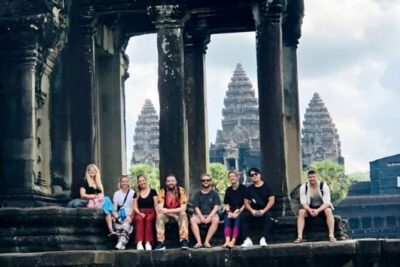
Angkor Wat Sunrise & 3 Main Temples with Breakfast – Small Group
Read our review →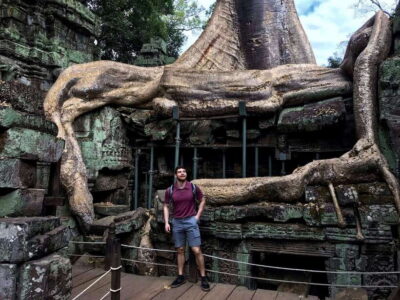
Full Day Angkor Wat Temple Experience with Sunset
Read our review →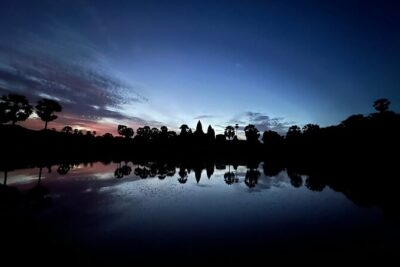
2 Days Exclusive Temple Highlights with Sunset and Sunrise Tour
Read our review →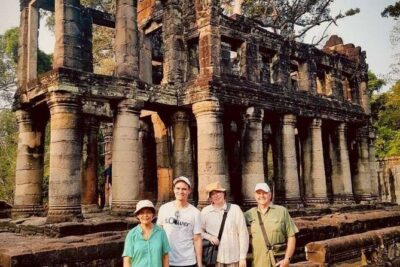
Full-Day Banteay Srei & 4 Temples – Grand Tours Join-in Tour
Read our review →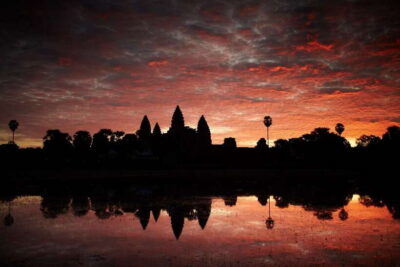
Angkor Sunrise 1- or 2-Day Guided Temples Tour
Read our review →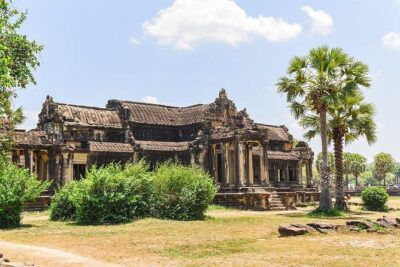
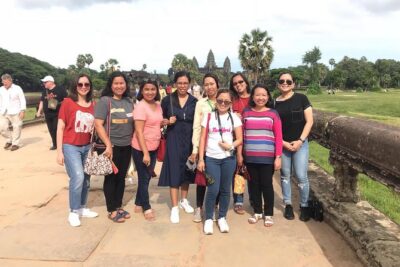
Angkor Wat Sunrise Explore The Most Iconic Temples
Read our review →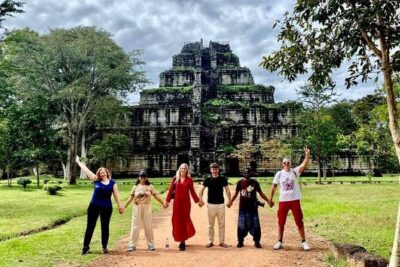
Koh Ker Temple Group & Beng Mealea Full-Day Join-in Tour
Read our review →Browse the lists this tour appears in