Reviewed · FULL-DAY
Siem Reap: Angkor Full-Day Group Tour with Japanese Guide
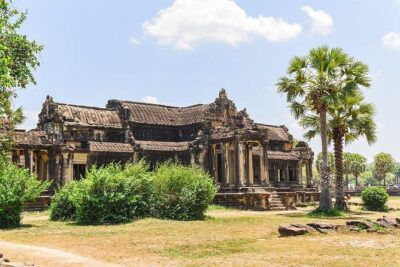
Angkor is much easier to understand when someone points out the faces, gods, royal symbols, and old stories carved into the stone. This Japanese-guided tour gives you that context while covering Bayon, Ta Prohm, and Angkor Wat, the three temples most first-time visitors want to see. I especially like the clear Japanese explanations and the guide’s talent for taking good photos. The one catch is that the entrance ticket and lunch cost extra.
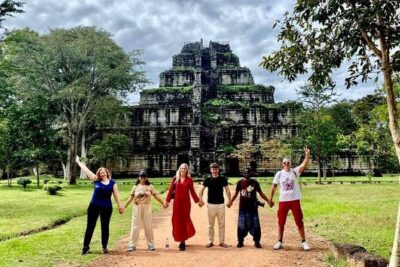
I also like the choice of a standard full day, a sunrise start, or a slower two-day plan with Banteay Srei and Beng Mealea. Guides Chun and Bun receive especially warm praise for their gentle manner, humor, photo help, and ability to adjust the pace. A tuk-tuk is part of the transport plan for smaller parties, so you should be ready for an open-air ride unless you select a car.
Key points to know before booking
- Japanese guidance with personal attention: Guides Chun and Bun explain the temples clearly, take photos, and adjust the pace for families and older relatives.
- The classic Angkor route: See Angkor Thom, Bayon, Baphuon, the Elephant Terrace, Ta Prohm, and Angkor Wat in one long day.
- Sunrise is optional: Start around 4:30 to 5:00 AM and finish around noon, with breakfast brought from your hotel.
- The two-day option reaches farther: Add Pre Rup, Banteay Srei, Beng Mealea, and Bakong, with a second sunrise at Angkor Wat.
- Transport depends on party size: One or two people generally ride in a tuk-tuk, while groups of three or more use an air-conditioned van or bus.
- Budget for the temple pass: The one-day Angkor ticket is $37, while a two or three-day pass costs $62.
Why a Japanese guide changes the Angkor visit
Angkor is not just a collection of impressive stones. Bayon’s towers, for example, make far more sense when you learn who the large faces may represent and how the temple fit into the Khmer capital. Ta Prohm looks dramatic on its own, but a guide can explain why it was left with so much of its vegetation and how its design differs from Angkor Wat.
That is the main reason I see value in choosing this tour over simply hiring transport. The Japanese-speaking guide gives you a running explanation without forcing you to read long panels in the heat. You can ask questions as you go, and the tour is built around the sites that matter most on a first visit.
The guide also handles the practical side. Chun is praised for fluent Japanese, clear explanations, gentle conversation, old-fashioned Japanese jokes, and careful attention to small details. Bun is also singled out for giving thorough explanations. Both names are useful to know if a Japanese-language guide is the main reason you are booking.
The private format gives you the most control. You can slow down for an older parent, spend longer at a favorite carving, change the order of the temples, or adjust plans when rain arrives. In one account, the guide moved the group to a restaurant during bad weather and returned to the temples at a better time. A small group gives you less control, but it can offer a lower-cost way to have a guide without joining a large bus tour.
A few more Siem Reap half-days worth weighing up
- Siem Reap: Full-Day Angkor Wat Guided Tour with Sunset
★ 4.9 · 3,803 reviews - Full-Day Angkor Wat Sunrise Private Tour with Guide from Siem Reap
★ 5.0 · 2,920 reviews - Siem Reap: Angkor Wat Sunrise and Full-Day Sightseeing Tour
★ 4.9 · 2,828 reviews
Angkor Thom begins with a royal welcome
The usual morning pickup is between 8:30 and 9:00 AM at your hotel lobby. Be ready 15 minutes early, since the guide and driver will be waiting there. The standard day finishes around 4:30 to 5:00 PM, so this is a full day in the heat, even though the driving between sites gives your feet a break.
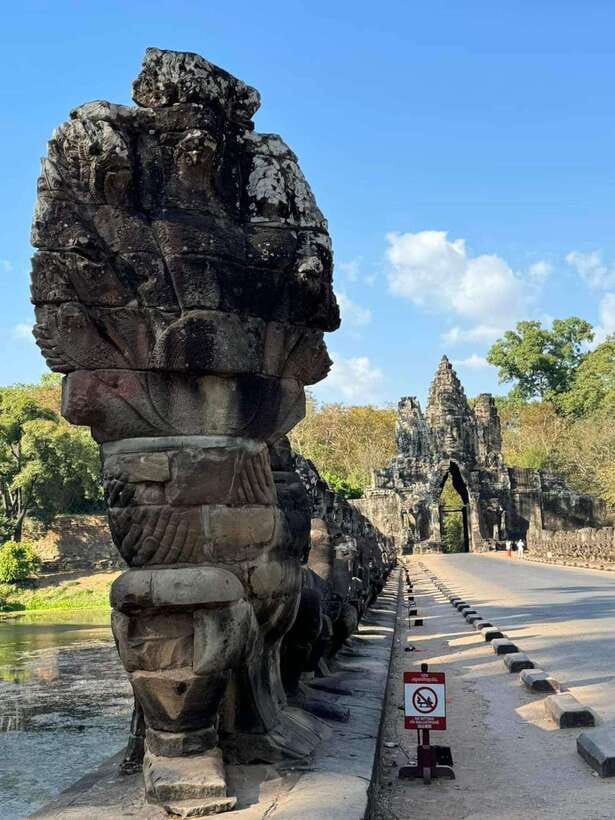
The route enters Angkor Thom through the South Gate or includes a stop at the Victory Gate. The South Gate is the more memorable entrance, lined with large stone figures pulling a serpent. The Victory Gate offers a short photo stop, listed at about 10 minutes, so do not expect a long guided visit there.
Inside the old royal city, you visit several connected monuments. This section can feel like a lot of names at first, but the order gives you a useful picture of how the central area worked.
Bayon, Baphuon, and the royal terraces
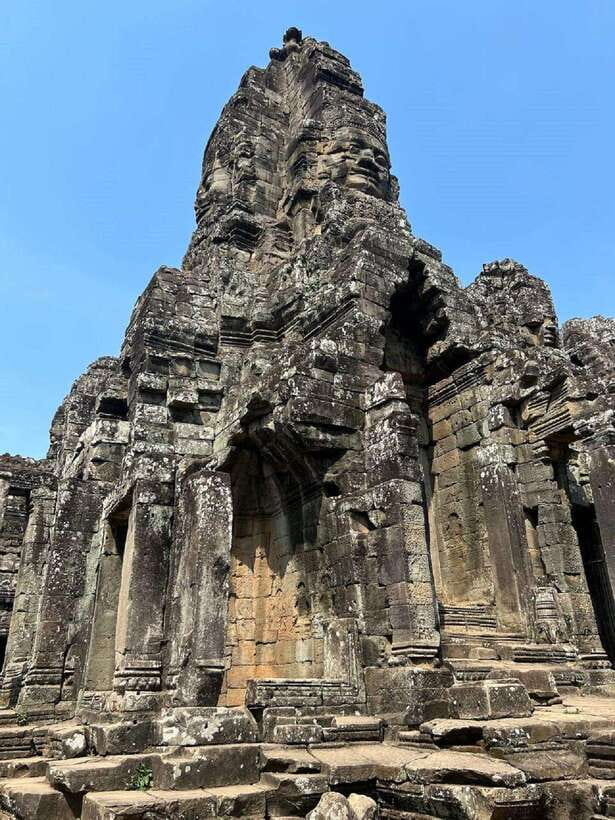
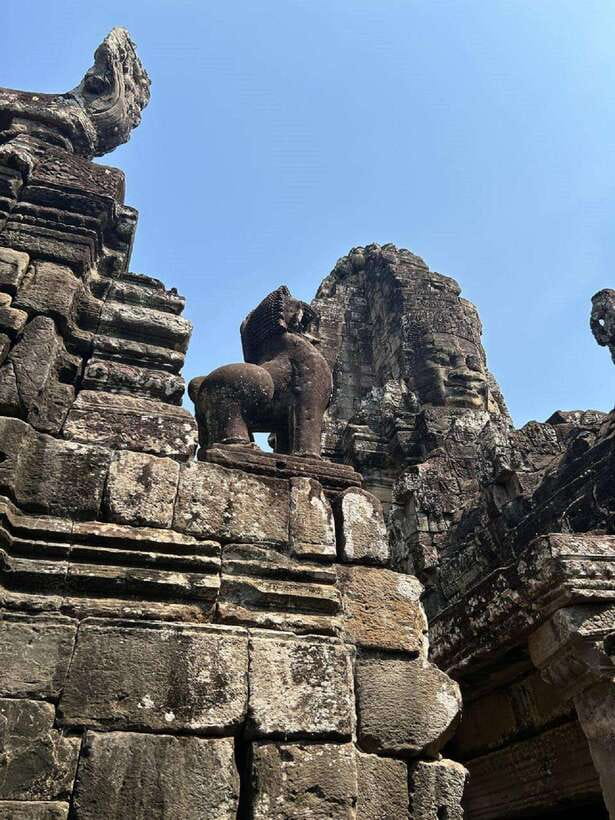
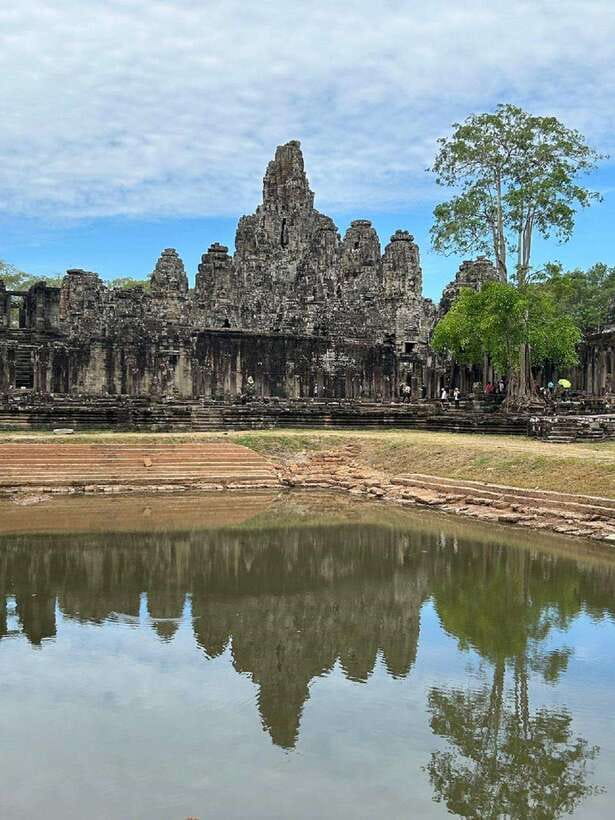
Bayon is the emotional center of the morning. Its towers carry the calm, broad faces associated with Avalokitesvara, and the changing light can make each face look slightly different. The tour allows about 45 minutes here, enough to walk through the main areas and hear the guide explain the carvings.
I would pay close attention to the lower bas-reliefs. They show scenes of daily life and warfare, which helps balance the grand religious images. Bayon can feel confusing without guidance because its galleries and towers seem to fold into one another. This is one of the places where a Japanese explanation adds real value.
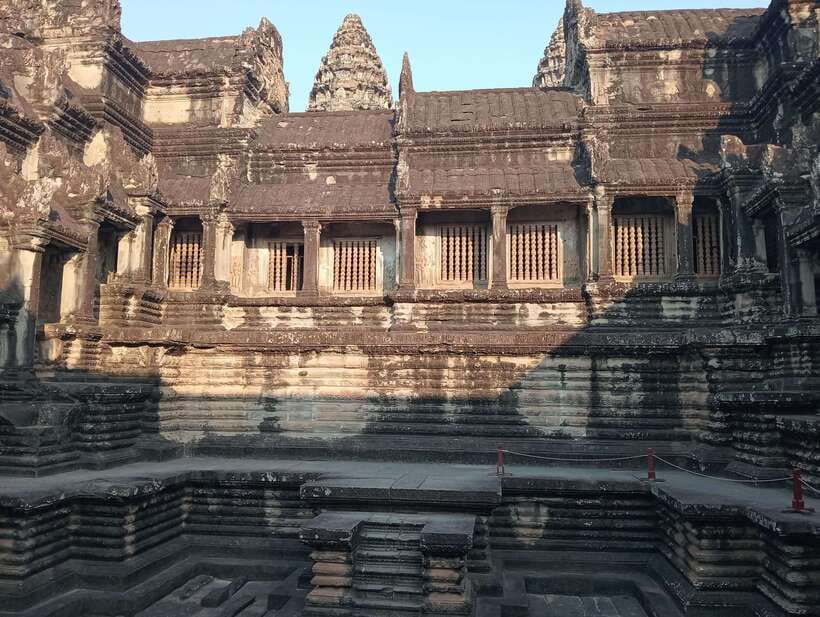
Baphuon follows with about 30 minutes. This restored pyramid temple rises above the surrounding area and gives you a sense of the scale of Angkor Thom. The climb can be tiring, especially under strong sun, so comfortable shoes matter. You may also find the high terraces rewarding for the views across the old city.
The Elephant Terrace and Terrace of the Leper King show a different side of Angkor. These were ceremonial platforms rather than enclosed temple spaces. The Elephant Terrace is known for its long carved frontage, while the Terrace of the Leper King has detailed reliefs and a more mysterious religious association.
These stops are shorter than Angkor Wat or Ta Prohm, but I would not dismiss them as filler. They explain how royal power was displayed in public. Your guide can connect the carvings to ceremonies, processions, and beliefs about death.
Ta Prohm keeps the jungle in the picture
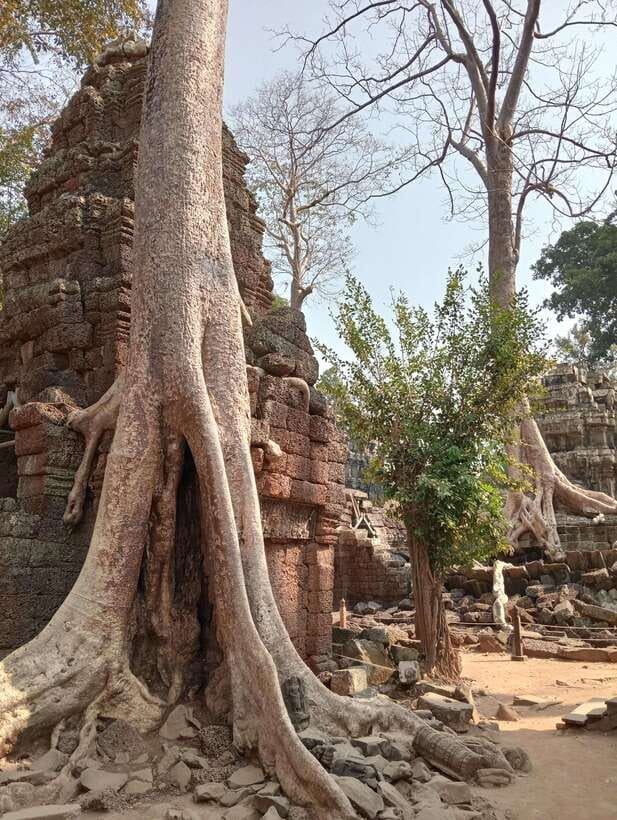
Ta Prohm is usually the most immediately photogenic stop. Large roots press against stone walls, galleries have collapsed, and trees grow through parts of the old structure. It gives you a clear sense of what these monuments looked like before restoration work made them easier to visit.
The natural setting is also the drawback. Crowds can gather around the best-known tree-root views, and the uneven paths require care. The one-hour visit gives you time to see the famous areas, but it may feel short if you want to study every carving.
I like Ta Prohm because it breaks up the formal geometry of the other temples. Angkor Wat is planned and ordered. Ta Prohm feels more accidental, even though it was carefully designed in its own time. Your guide can help you separate the original layout from the damage caused by centuries of weather and plant growth.
Same base, a completely different kind of day:
- Angkor Wat Sunrise or Sunset Tour with Guide from Siem Reap
★ 5.0 · 12,109 reviews - Siem Reap: Angkor Wat: Small-Group Sunrise or Sunset Tour
★ 5.0 · 9,444 reviews - From Siem Reap: Kampong Phluk Floating Village Tour by Boat
★ 4.9 · 6,979 reviews - Sunset tour of Kampong Phluk stilts home village on the Tonle Sap
★ 5.0 · 4,865 reviews
Lunch near Srah Srang is a practical pause
The schedule allows about an hour for a break and lunch near Srah Srang. Lunch is not included, so bring cash and expect to pay separately for your meal. The tour information does not name a fixed restaurant, which gives the guide some room to choose a nearby place.
This is a good moment to cool down, refill your energy, and decide how much effort you want to put into Angkor Wat. Cambodian food is available at a nearby restaurant, but the specific menu and cost are not fixed in advance.
If you choose the sunrise start, bring breakfast from your hotel. The early option begins around 4:30 to 5:00 AM and finishes near noon. That schedule is useful if you want afternoon rest, but it is not the same as seeing every stop at the standard full-day pace. Confirm the exact plan at booking so you know which temples are included in your selected version.
Angkor Wat deserves the final two hours
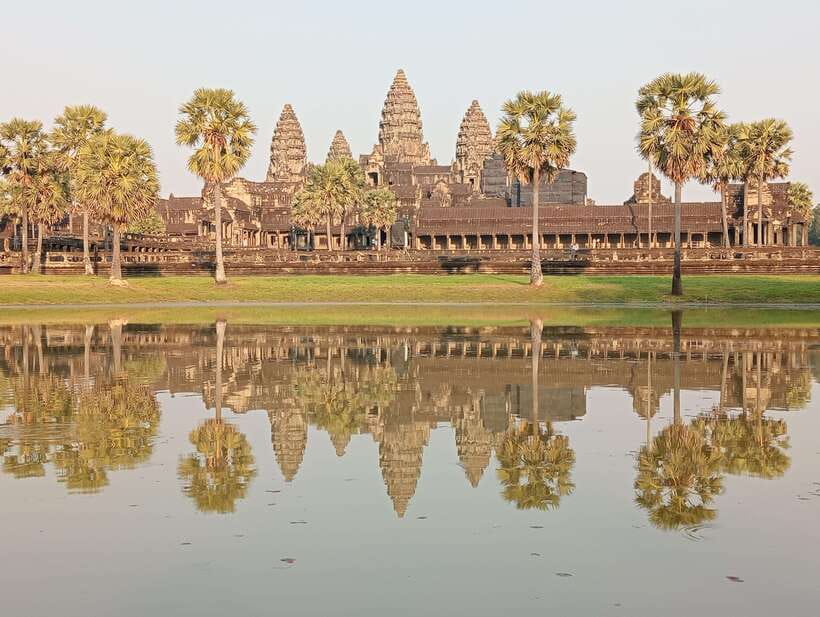
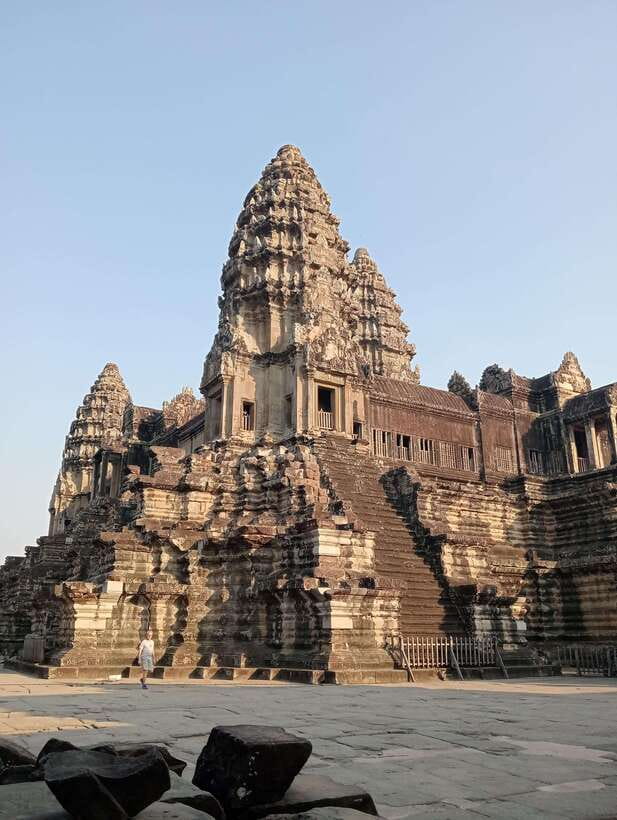
Angkor Wat receives about two hours on the main route, and that is sensible. The scale can be overwhelming when you first approach it, with long galleries, towers, courtyards, and stairways spread across a large site.
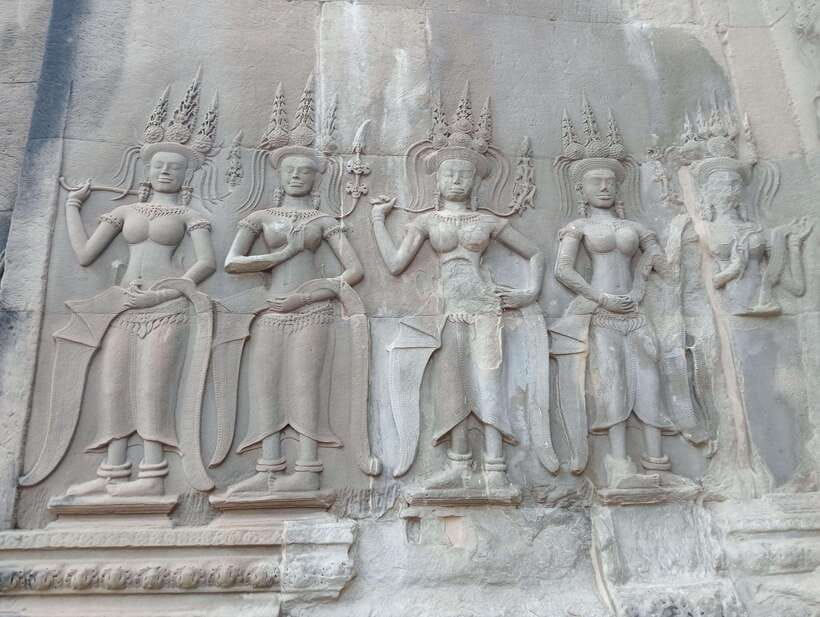
The guide can explain the temple’s religious symbolism, carved scenes, and role in Khmer culture as you move through it. I would not rush the outer galleries. The bas-reliefs reward a slower look, and the overall plan becomes clearer when you understand how the temple is arranged around its central towers.
There are practical rules here. You need clothing that covers your shoulders and knees. A scarf may work at some temple areas, but the information provided says Angkor Wat requires trousers or a knee-covering skirt and a shirt covering the shoulders. Avoid short skirts, shorts, tank tops, and other revealing clothing.
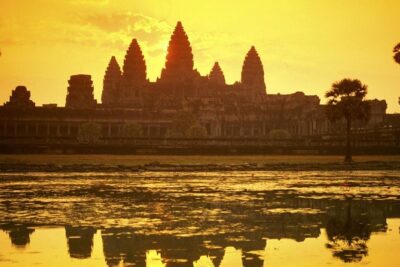
Angkor Wat is also the most popular sunrise location. You will need to leave the hotel around 5:00 AM on the two-day second morning, or around 4:30 to 5:00 AM for the sunrise version. The tour recommends bringing breakfast from the hotel, which is simpler than trying to find food before the morning visit.
The two-day plan trades speed for better range
The two-day option is the better choice if you do not want to treat Angkor as a checklist. It includes the main temples plus Banteay Srei, Beng Mealea, Pre Rup, and Bakong. The second day starts with Angkor Wat at sunrise, then continues into areas that feel more removed from the central complex.
Pre Rup is a brick and laterite pyramid temple from the 10th century. Its high terraces make it a good introduction to the eastern temples, and the warm-colored stone looks especially attractive in early or late light. It is not as famous as Angkor Wat, but that is part of its appeal.
Banteay Srei is the artistic highlight of the second day. Its pink sandstone carries very fine carvings, and the smaller scale makes the decoration easier to study. The name is often translated as Citadel of Women. The temple is farther from the main Angkor group, so reaching it takes extra driving time, but the detail makes the trip worthwhile for anyone interested in Khmer carving.
Lunch again costs extra. After the meal, the route continues to Beng Mealea, a large temple where collapsed galleries, fallen blocks, and tree roots create a rougher setting. It feels less orderly than Angkor Wat and more adventurous underfoot, so wear shoes with good support.
Bakong closes the extended day. It was the first major stone pyramid temple of the Khmer Empire and gives you a useful point of comparison with Pre Rup and the central Angkor temples. The return drive begins around 2:30 to 3:00 PM, making the second day long but not as late as the standard first day.
Transport, group size, and comfort
Transport changes with the number of people and the option you select. Shared groups of one or two people use a tuk-tuk, while groups of three to six use an air-conditioned van. On a private one-day tour, one or two people use a tuk-tuk unless they choose a car at checkout. Three or more people use a van or bus.
For a couple, the tuk-tuk is a pleasant way to move between temples, but it is open to the weather and road dust. The air-conditioned vehicle is more comfortable for families, larger groups, or anyone who needs a cool break between long walks.
Cold drinking water and cold towels are included. That small provision matters in Cambodia, where the heat can build quickly even during a well-paced morning. You should still carry cash, insect repellent, a hat, comfortable clothing, and a camera.
The tour is not suited to wheelchair users, babies under one year, or people over 95. Children under 12 can join free on private tours, but a passport must be shown to confirm age.
Is the $50 price good value?
The advertised price is $50 per person, but the final cost needs a little context. The Angkor Archaeological Park ticket is separate: $37 for one day or $62 for a two or three-day pass. Lunch is also extra, and tips are optional.
For the one-day visit, the basic total before lunch is therefore $87 per person. That is not a bargain transport-only outing, but it is reasonable if you want a Japanese-speaking guide, hotel pickup, temple transfers, cold water, and a structured day at the major sites.
The two-day pass costs less per day than buying two single-day tickets, and the extra temples add real variety. The best value comes when you care about explanations and flexible pacing, not just getting from gate to gate. If you only want a driver and a few photos, you may find a cheaper arrangement. If you want the temples to make sense, the guide is the main reason to pay more.
Free cancellation up to 24 hours before the activity and reserve-now-pay-later terms also make the booking easier to fit around a changing Cambodia itinerary. Check the price for the exact one-day or two-day option before paying, since the listed $50 price does not explain every variation.
Who should choose this Angkor tour?
I would choose it for Japanese-speaking couples, families, and older parents who want help with both temple history and daily logistics. The private option is particularly useful for families because the guide can slow the walking pace, help with photos, and adjust the order of the sites.
Solo visitors may also benefit. A guide can take photos that include you in the setting, and the smaller format avoids the impersonal feel of a large coach group. The tour is also a good first activity in Siem Reap because the explanations give you a framework for visiting other sites on your own later.
The one-day plan suits people with limited time who want the essential temples. Choose the two-day plan if Banteay Srei’s carving, Beng Mealea’s rough ruins, and the quieter eastern temples matter to you. I would avoid squeezing the two-day sites into a single rushed day.
Should you book it?
Book this tour if Japanese-language explanations, flexible pacing, and reliable temple transport matter more to you than finding the lowest possible price. The strongest reasons are the clear guiding style associated with Chun and Bun, the photo help, and the willingness to adjust plans for weather, families, and older relatives.
Choose the sunrise option if you can manage the early wake-up and want the day to finish near noon. Choose two days if you want Angkor to feel like a place rather than a list of famous names. Skip it only if you prefer exploring independently and do not need a Japanese guide, since the separate entrance ticket and lunch make the total cost higher than the headline price.
FAQ
Is the Angkor entrance ticket included?
No. The Angkor Archaeological Park pass must be purchased separately. It costs $37 for one day or $62 for two or three days.
What temples are included on the one-day tour?
The main route includes Angkor Thom, Bayon, Baphuon, the Elephant Terrace, the Terrace of the Leper King, Ta Prohm, and Angkor Wat. It can also include the Victory Gate and a break near Srah Srang.
What does the two-day option add?
The extended plan adds Pre Rup, Banteay Srei, Beng Mealea, and Bakong. It also includes an Angkor Wat sunrise on the second morning.
What time does the regular tour start and finish?
Hotel pickup is generally between 8:30 and 9:00 AM. The regular day finishes around 4:30 to 5:00 PM.
What time does the sunrise option begin?
Pickup for the sunrise option is between 4:30 and 5:00 AM. That version finishes around noon, and you should bring breakfast from your hotel.
Is lunch included?
No. Lunch is not included on either the one-day or two-day plan. You can eat at a nearby Cambodian restaurant during the scheduled break.
What transport is used?
One or two people generally travel by tuk-tuk. Groups of three or more use an air-conditioned van or bus. A car can be selected for some private tour options.
Can children join for free?
Children under 12 can join free on a private tour. A passport must be shown as proof of age, and children still need to follow the temple dress rules.
What clothing is required?
Wear clothing that covers your shoulders and knees. Short skirts, shorts, tank tops, and other revealing clothing are not permitted. Comfortable shoes, a hat, insect repellent, and cash are also recommended.
Just added around Siem Reap
- Twilight Tastes of Siem Reap Include Dinner★ 5.0 · 13 reviews
- Ultimate Sunrise to Angkor Wat, Angkor Thom and Bayon Temple★ 5.0 · 3 reviews
- Trekking Tour at Phnom Kulen National Park from Siem Reap★ 5.0 · 3 reviews
- Professional Photo Shoot in Angkor Archaeological Park, Siem Reap★ 5.0 · 42 reviews
- Full-Day Private Tour of Angkor Wat with Pick Up★ 5.0 · 12 reviews
- Unveiling 2 Days Private Angkor Wat/Beyond In Sunrise/Sunset Tour★ 5.0 · 48 reviews
- Siem Reap City Tour with War Museum and Killing Field★ 5.0 · 27 reviews
- Private Day Trip to Angkor Temples with Expert Guide★ 5.0 · 4 reviews
Full-Day, compared.
Full-Day Angkor Wat Sunrise Private Tour with Guide from Siem Reap
Read our review →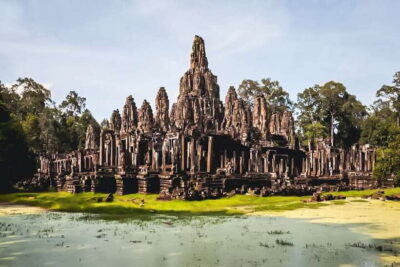
Angkor Wat Sunrise and Full-Day Sightseeing Tour
Read our review →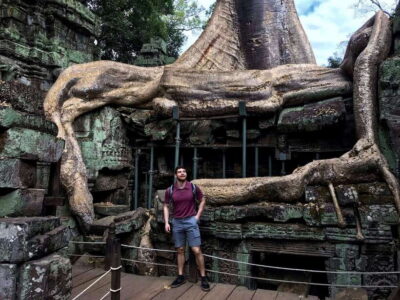
Full Day Angkor Wat Temple Experience with Sunset
Read our review →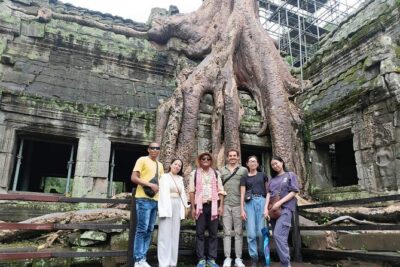
Angkor Wat full Day ‘Small Group with sunset & Tour Guide
Read our review →
Full-Day Banteay Srei & 4 Temples – Grand Tours Join-in Tour
Read our review →