
Reviewed · WALKING TOURS
Siem Reap: City Walking Tour
Siem Reap’s best introduction may be its simplest: a two-hour walk through the places you will keep passing during your stay. You’ll see the Royal Gardens and Residence, step into the city’s largest pagoda, browse the Old Market, and finish near Pub Street with a better sense of how the town fits together.
I like two things right away. First, the small group, limited to 10 people, makes it easier to ask about Cambodian customs, food, religion, and local life. Second, the tour costs only $6, yet it gives you useful orientation before you tackle Angkor or plan your evenings. The main drawback is the heat, plus a few stretches of ordinary city walking rather than major sights.
Key points
- Royal Gardens and Residence: Start with Siem Reap’s central royal landmarks and hear how these spaces fit into modern Cambodian life.
- Kandal Village: Walk colonial-era streets lined with boutique shops, cafés, and creative businesses.
- Wat Preah Prom Rat: Remove your shoes and visit the city’s largest pagoda, including its striking reclining Buddha.
- Old Market and Pub Street: See the commercial heart of central Siem Reap by day and get practical tips for returning at night.
- Small-group format: With no more than 10 participants, you can ask direct questions and keep the pace relaxed.
- Strong local guiding: Guides including Tea, Sai, Ty, Chek, and Banana are praised for clear English, humor, and personal stories.
Why This Walk Works on Your First Day
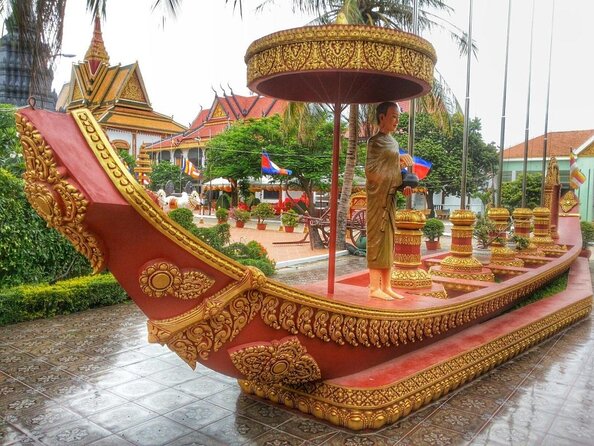
Siem Reap is easy to like but not always easy to understand at first. The main sights are spread between riverfront streets, markets, hotels, restaurants, pagodas, and the road toward Angkor. A short walking tour helps you connect those pieces before you spend your days visiting temples.
You begin outside Damnak Supermarket at the corner of Wat Bo Road and 7 Makara Street, also called High School Road. Arrive five minutes early. There is no hotel pickup, so you need to make your own way to the meeting point.
The route stays in the inner core of Siem Reap. That matters because you are not spending your two hours in a vehicle. You are seeing shopfronts, streets, public spaces, religious buildings, and daily routines at walking speed. You can stop, look around, and ask why something works the way it does.
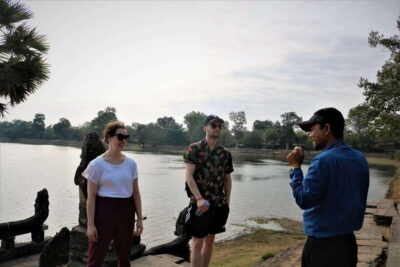
The guide makes the difference here. Tea, Sai, Ty, Chek, Banana, and other guides are praised for speaking clear English, keeping the tone friendly, and explaining more than dates and names. Good moments include learning about road-crossing habits, Cambodian food, family life, houses, religious customs, and the city’s changes.
If you have just arrived, I would book this early in your stay. You can ask your guide about places to eat, evening entertainment, markets, and practical ways to get around. Several guides have also helped people find theaters or suggested local places after the walk.
A few more Siem Reap half-days worth weighing up
- Siem Reap City Walking Tour
★ 4.5 · 114 reviews - Siem Reap Walking Tour: Landmarks & Hidden Gems
★ 5.0 · 15 reviews - Angkor Wat: Tuk Tuk and Walking Tour
★ 5.0 · 12 reviews
The Royal Gardens and Residence Begin the Story
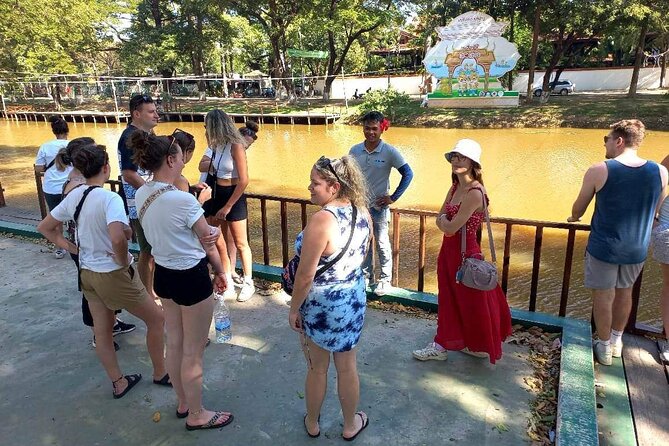
The Royal Gardens give the tour a calm opening. This central green space offers a change from the traffic and shop-lined streets, and it gives you a chance to see how residents use the middle of town. The route also takes in the Royal Residence, an important landmark even though this is not a palace tour with extensive interior access.
Your guide’s value here is context. Rather than simply pointing out a building, the guide can explain its place in Siem Reap and Cambodia. The gardens also work well for orientation because they sit near several areas you are likely to revisit during your stay.
Some people may find this first stop less dramatic than Angkor’s temples. That is fair. The point is not monumental architecture. It is learning how the city’s civic and royal spaces connect with everyday life.
The pace is generally easy, and much of the walk can be shaded. Still, Siem Reap can be very hot, especially around midday. Bring sunscreen, sunglasses, and a hat. Comfortable shoes matter more than fashionable ones.
Kandal Village Shows Siem Reap’s Newer Side
From the royal area, you walk through colonial-era back streets toward Kandal Village. This is one of the more appealing parts of the route because it shows a different side of Siem Reap from the temple circuits and souvenir strips.
Kandal Village is known for boutique shops and coffee houses set among older architecture. You might find clothing, small design shops, cafés, and businesses aimed at both residents and international visitors. The pleasure is in the mix: old façades, newer creative businesses, and quiet side streets close to the main tourist zone.
I like this stop because it helps explain why Siem Reap feels like more than a base for Angkor Wat. The town is a tourist center, but it also has its own design, food, coffee, and shopping culture. Your guide can point out what is worth returning to and help you distinguish a useful local stop from a place that simply catches your eye.
Do not expect a long shopping session. Two hours is short, and the tour is built around seeing several areas rather than browsing every store. If you find something you like, note the location and return later.
Wat Preah Prom Rat and the Reclining Buddha
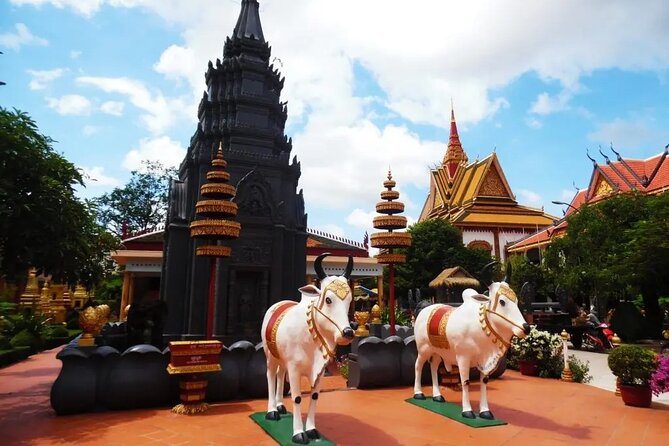
Wat Preah Prom Rat is the spiritual center of the walk. It is described as the largest pagoda in the city, and its reclining Buddha is the visual highlight. The temple gives you a chance to ask questions that are hard to answer by simply walking past a Buddhist site.
You will learn how pagodas and Buddhism fit into Cambodian daily life. Guides also explain religious objects, customs, and the role of monks. One especially worthwhile part of the visit is the chance to hear about the life of Buddha and the meaning of the setting, rather than treating the pagoda as a quick photo stop.
You must remove your shoes before entering a pagoda. Wear footwear that is easy to take off and put back on. Dress respectfully, and remember that this remains a place of worship, not just a sightseeing stop.
The reclining Buddha provides an immediate visual focus, but the explanation around it is what makes the visit useful. If you have already seen large temple monuments at Angkor, this stop offers a different experience. It connects religious practice with present-day life in the city.
Keep your questions ready here. The small group makes it easier to ask about Buddhism, prayer, monks, Cambodian customs, or what you see around the temple. Guides such as Tea and Sai are particularly well liked for making this information understandable without turning the stop into a lecture.
Same base, a completely different kind of day:
- Angkor Wat Sunrise or Sunset Tour with Guide from Siem Reap
★ 5.0 · 12,109 reviews - Siem Reap: Angkor Wat: Small-Group Sunrise or Sunset Tour
★ 5.0 · 9,444 reviews - From Siem Reap: Kampong Phluk Floating Village Tour by Boat
★ 4.9 · 6,979 reviews - Sunset tour of Kampong Phluk stilts home village on the Tonle Sap
★ 5.0 · 4,865 reviews
Psar Chas, the Old Market at Work
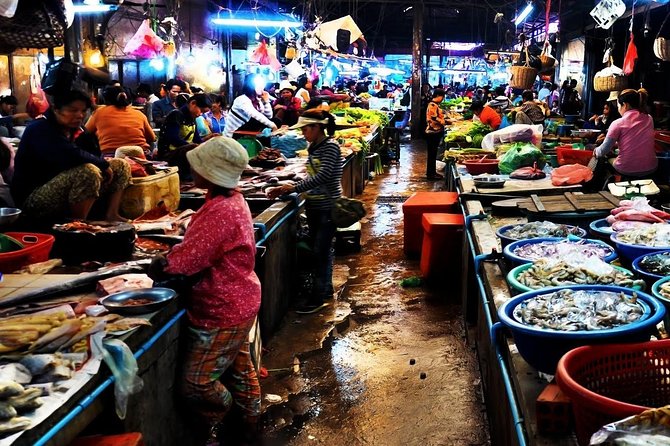
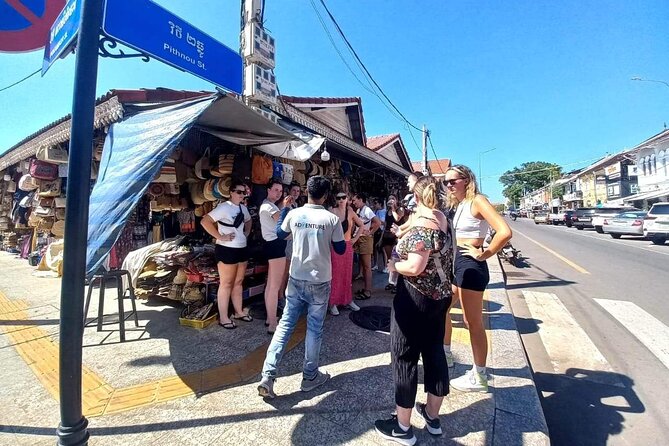
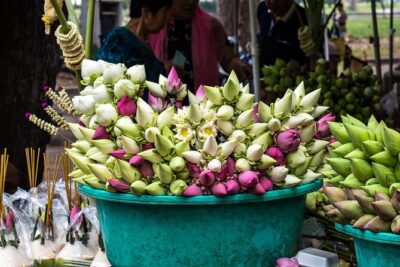
The walk continues to Psar Chas, or the Old Market. This is a practical market rather than a polished museum. You will find clothing, souvenirs, fresh produce, food stalls, and the everyday trade that keeps the central area moving.
This is a good place to look at how the tourist economy and local shopping overlap. Some stalls are aimed at visitors, while other parts deal in food and household goods. Your guide may point out fruits, fish, and other products, explain how foods are prepared, or help you understand what you are looking at.
The market can be crowded and noisy. That is part of its character, but it may not suit you if you want a quiet, slow-paced stroll. Keep your belongings close and watch your footing. The walk does not include food or drinks, so any tasting or purchase comes out of your own pocket.
I would not use this tour as a dedicated shopping trip. Instead, treat the market as a first look. You can return later with a better idea of where to browse, what to buy, and how the market relates to the rest of central Siem Reap.
Pub Street by Day, Useful Again at Night
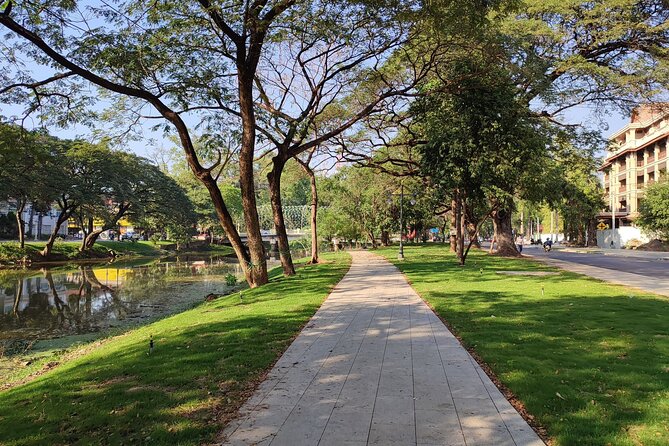
Pub Street is usually associated with evening food, drinks, music, and crowds. Seeing it during the day gives you a calmer look at the layout and helps you return later without wasting time finding your way around.
The guide can offer local tips for a night out, including where to eat or how to move on from the main strip. The tour does not include dinner or drinks, and it does not continue into the evening. That is useful to know because the stop is an introduction, not a nightlife package.
Finishing around Pub Street also makes practical sense. You can continue to lunch, explore nearby shops, or make plans for the evening. Some people have used the end of the tour to find food before returning to their hotel. Others have asked their guide about entertainment and local places of interest.
Pub Street itself may feel more commercial than the pagoda or market. That contrast is helpful. In one short walk, you see the royal center, colonial streets, religious life, local commerce, and the tourist nightlife zone.
What the Guides Add to a Short Route
A two-hour city walk can become a list of landmarks if the guide simply names each stop. This experience works better when the guide connects places to real life.
Tea is repeatedly praised for humor, strong English, and personal insight into Cambodian culture. Sai is known for making the walk educational and fun, with stories about Khmer life and traditions. Ty has been praised for warmth, pride in Cambodian heritage, and personal stories about life in the country.
Chek is noted for clear English and interesting stories. Banana is remembered as friendly and good at explaining the city. Other guides have been described as polite, energetic, amusing, and easy to talk with.
The exact guide depends on the date, so you should not book solely to meet one named person. Still, the pattern is clear: the value comes from local interpretation. Ask direct questions, especially at the market and pagoda. You will get more from the walk if you treat it as a conversation rather than a sightseeing checklist.
The small group helps. With up to 10 people, the guide can usually hear questions without the walk becoming unwieldy. Some departures may be much smaller. That can make the experience feel almost private, although you should not assume you will have the guide alone.
Timing, Heat, and Walking Comfort
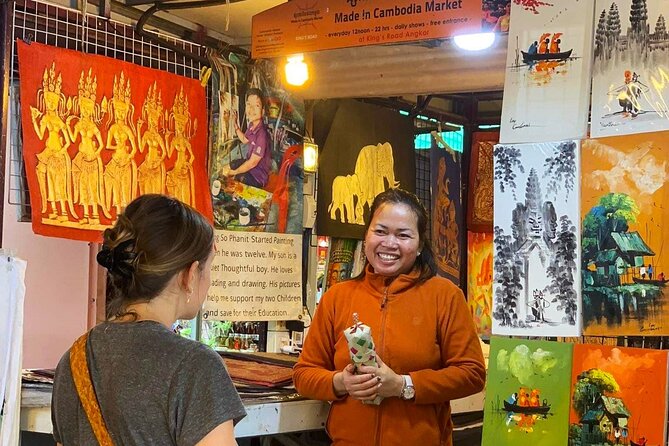
The advertised duration is two hours, which is a good length for a first look at Siem Reap. It is long enough to cover several distinct areas without taking a full morning or afternoon away from Angkor plans.
The pace is generally manageable, even in hot weather. Much of the route may be shaded, but you should not count on shade everywhere. Wear light, comfortable clothing, drink water before starting, and bring sun protection.
The tour requires walking on city streets and moving through market areas. Comfortable shoes are specifically recommended. You also need to remove your shoes at the pagoda, so sandals or footwear that comes off easily can be practical.
In some cases, the walk may run beyond two hours if the group prefers not to rush. One guide extended the route to about three hours when the participant wanted more time. That can be a benefit if you enjoy conversation, but plan some flexibility afterward.
A restroom break is worth considering before you begin. The route description does not promise a scheduled stop, and one person specifically wished there had been one.
Is Six Dollars Good Value?
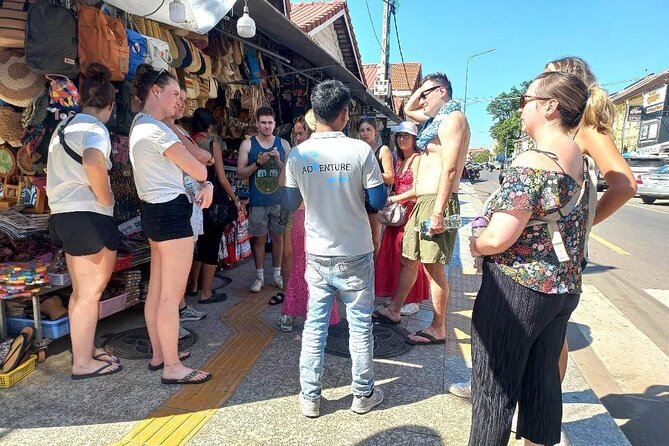
At $6 per person, this is one of the easier activities to justify in your Siem Reap budget. The price covers a live guide, not transport, meals, drinks, shopping, or entrance fees beyond the included walking stops.
The value is not in the cost of admission to a major monument. It is in saving you the work of piecing together the central area yourself. You receive a route, local explanations, cultural context, and a chance to ask practical questions.
You should think of it as an orientation walk, not a replacement for a full Angkor tour. It will not cover the major temple complex, and it does not provide hotel pickup. You also need to reach Damnak Supermarket on your own.
The small group makes the price even better. A private guide would cost much more, while a large group might feel impersonal. Here, you get a structured introduction at a very low price.
Cancellation is flexible: you can cancel up to 24 hours ahead for a full refund. You can also reserve and pay later, which helps if your arrival plans are still shifting.
Who Should Book This Siem Reap Walk?
I would recommend it most strongly to first-time visitors, solo travelers, couples, and anyone arriving in Siem Reap without a clear feel for the center. It is also useful if you want cultural context before visiting more famous temples.
You will get the most from it if you enjoy local stories, markets, religion, and ordinary city scenes. The route is not built around dramatic photo stops every few minutes. It rewards curiosity.
Families with older children may appreciate the manageable length, though the heat and market crowds require attention. People with limited walking ability should consider the city-street route carefully, since no accessibility details are provided.
If your schedule is packed, two hours is a modest commitment. If you dislike group activities, the maximum of 10 people keeps it fairly contained, but it is still not a private walk.
Should You Book It?
Yes, if you want a low-cost way to get your bearings and understand Siem Reap beyond the temples. The Royal Gardens, Kandal Village, Wat Preah Prom Rat, Old Market, and Pub Street create a useful cross-section of the city.
Book it near the start of your stay, bring water and sun protection, and wear shoes you can remove easily. Keep the afternoon or evening flexible in case the guide offers extra local tips or the walk runs a little long.
Skip it if you want a deep visit to Angkor, a food tour, or a private sightseeing experience. For almost everyone else, $6 buys a friendly, practical introduction that can make the rest of your time in Siem Reap easier and more rewarding.
FAQ
How long is the Siem Reap City Walking Tour?
The advertised duration is two hours. The walk may last longer if the group chooses not to rush through the stops.
Where does the tour meet?
Meet outside Damnak Supermarket at the corner of Wat Bo Road and 7 Makara Street, also known as High School Road. Arrive five minutes before the start time.
What places does the walking tour visit?
The route includes the Royal Gardens and Residence, Kandal Village, Wat Preah Prom Rat, Psar Chas Old Market, and Pub Street.
Is hotel pickup included?
No. Hotel pickup is not included, so you must make your own way to the meeting point.
What languages are available?
The tour is offered in English and Cambodian.
What should I bring?
Wear comfortable shoes and bring sun protection such as a hat, sunglasses, and sunscreen. You must remove your shoes when entering a pagoda.
Just added around Siem Reap
- Ultimate Sunrise to Angkor Wat, Angkor Thom and Bayon Temple★ 5.0 · 3 reviews
- Twilight Tastes of Siem Reap Include Dinner★ 5.0 · 13 reviews
- Trekking Tour at Phnom Kulen National Park from Siem Reap★ 5.0 · 3 reviews
- Professional Photo Shoot in Angkor Archaeological Park, Siem Reap★ 5.0 · 42 reviews
- Full-Day Private Tour of Angkor Wat with Pick Up★ 5.0 · 12 reviews
- Unveiling 2 Days Private Angkor Wat/Beyond In Sunrise/Sunset Tour★ 5.0 · 48 reviews
- Siem Reap City Tour with War Museum and Killing Field★ 5.0 · 27 reviews
- Private Day Trip to Angkor Temples with Expert Guide★ 5.0 · 4 reviews
Walking Tours, compared.
Customs and Culture Half Day Walk and Bike Tour in Battambang
Read our review →



Browse the lists this tour appears in