
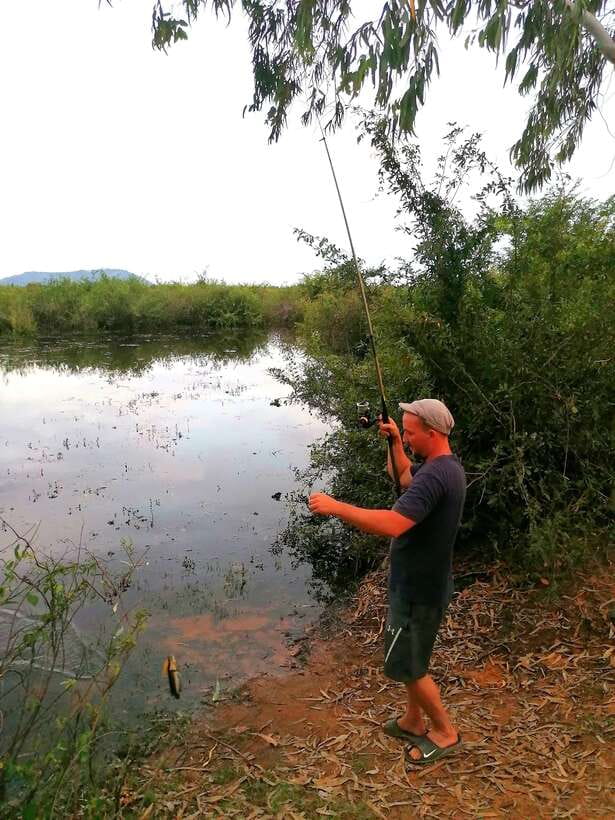
Reviewed · FISHING
Siem Reap: Fishing in the rice fields, in the villages of Siem Reap
A frog skims across a flooded rice field, then a snakehead fish strikes from below. That is the heart of this unusual Siem Reap day trip. You leave the temple crowds behind, ride into the countryside, and learn a local fishing method that feels far removed from a standard sightseeing tour.
I like the small group limit of four, which gives you a better chance to ask questions and get hands-on help with the fishing gear. I also like the mix of village markets, local fishermen, lunch, and time in the fields, rather than a single short activity. The trade-off is a long, outdoor day with sun, mud, insects, and the possibility of encountering snakes or other wild creatures.
Key points at a glance
- Topwater snakehead fishing: Use frogs as bait and watch for a fish to strike at the surface.
- Rural Siem Reap by motorcycle or scooter: Travel roughly 20 to 30 kilometers from town to changing fishing spots.
- A true full-day outing: The day begins around 7 a.m. and ends near 5:30 p.m.
- Catch, cook, and eat: Your fish can be prepared on the spot if you want to eat it like local fishermen do.
- Small private group: The standard tour is limited to four people, with larger groups possible by special arrangement.
- Practical inclusions: Hotel pickup and return, fishing equipment, snacks, lunch, water, and one soft drink per person are included.
Leaving Siem Reap for the rice fields
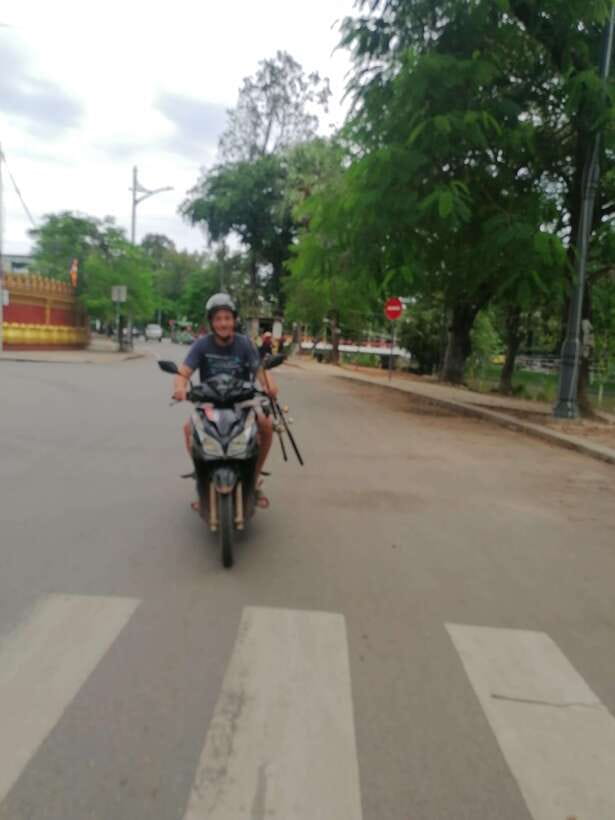
This experience begins early, around 7 a.m., with pickup at your hotel. You need to be waiting in the lobby 15 minutes before departure. From Siem Reap, you travel by motorcycle or scooter toward villages roughly 20 to 30 kilometers away.
That distance matters. You are not simply being driven to a staged rural attraction. The town gradually gives way to village roads, local markets, and open rice-growing areas. The exact route and fishing locations change with the water level, so the day has a practical, weather-and-season quality rather than a fixed show schedule.
You can also drive your own vehicle, according to the tour information. If you use the supplied transport, ask ahead about the motorcycle or scooter arrangement if that is important to you. The experience is designed around getting out into the countryside, not sitting in a large tour bus.
The provider is Joe Jungle Adventure, and instruction is available in English or German. No individual guide names are provided, so do not book expecting a named guide. What is clear is that the group is kept small, with no more than four participants on the standard private tour.
A few more Siem Reap half-days worth weighing up
- Tonle Sap Lake – Fishing Village & Flooded Forest
★ 5.0 · 34 reviews - Siem Reap: Tonle Sap Lake – Fishing Village & Flooded Forest
★ 4.5 · 17 reviews - Half Day Kampong Pluk Fishing Village with Sunset Private Tour
★ 5.0 · 3 reviews
A Khmer market before the fishing begins
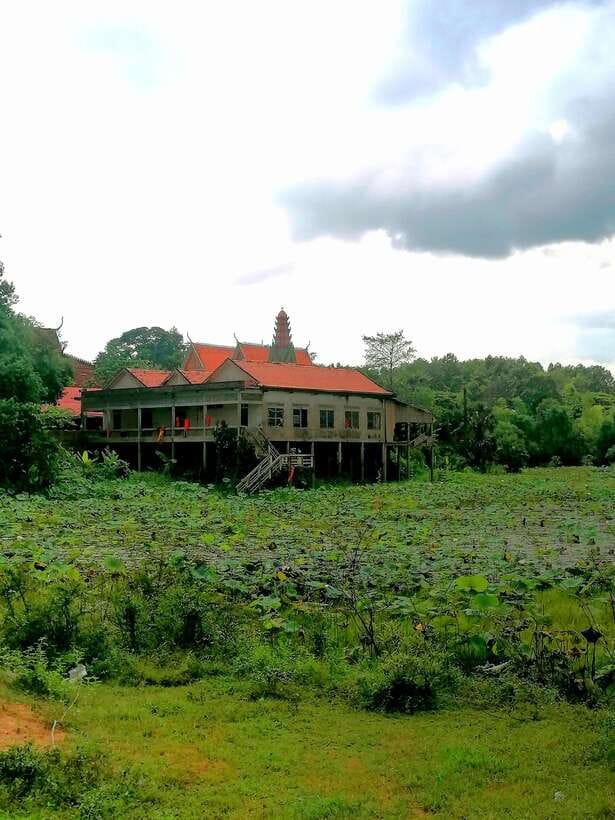
The first stop is a local market in one of the nearby villages. This is a useful opening to the day because it gives you a look at ordinary Khmer shopping and food life before you head into the rice fields.
Do not expect a long guided market tour with a detailed tasting program. The stop is described as brief, but it gives you time to get a feel for typical village life. You may see the kinds of everyday goods and food that support nearby communities, then continue to the fishing area.
I like this part because it sets the fishing in context. You are not treating the fields as a scenic backdrop. You are seeing places where fishing can be part of daily food gathering, and where the catch may be cooked and eaten soon after it is landed.
The exact fishing spot depends on water levels. That means the day can change from one departure to the next. It also means you should come ready for basic rural conditions, including wet ground and clothes that may get dirty.
Learning the frog-bait fishing method
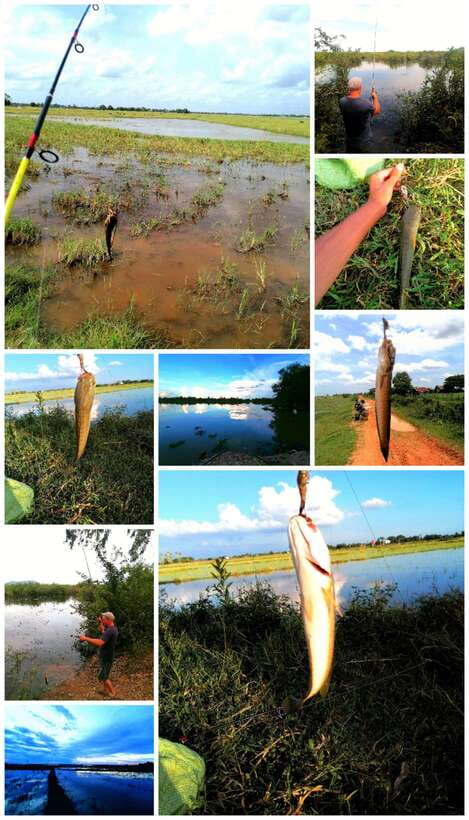
Once you reach the fishing area, the guide introduces you to the equipment and explains the basic rules of topwater fishing. The bait is a frog, and the target is the snakehead fish, a freshwater fish known for striking prey at the surface.
This is not a quiet rod-and-reel session at a prepared pond. You cast across flooded rice fields and watch the water closely. The key moment comes when the snakehead takes the bait on top of the water. Seeing the strike is a large part of the appeal, even before you manage to land a fish.
If you have only fished with standard lures or bait, the technique may take a little practice. The small group helps here. With only four participants, the guide can explain the casting method, help with the equipment, and give you a better chance to try again after a missed strike.
You receive fishing equipment, so you do not need to bring your own rod or tackle. The trip includes a small snack, water, and one soft drink per person. That is welcome because the morning combines physical activity, sun exposure, and time standing or walking outdoors.
What catching a snakehead feels like
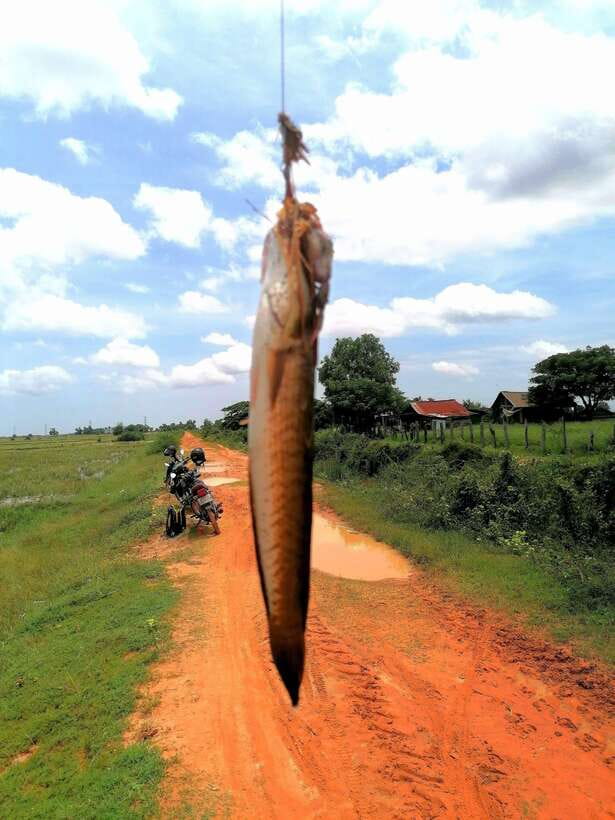
The fishing is built around anticipation. You cast, wait, and watch the surface. Then a fish may grab the frog, creating the sudden rush that makes this method different from simply dropping bait into still water.
There is no guarantee that you will catch a fish, and the tour description does not promise a particular catch size or number. Fish stocks and water conditions can affect the choice of location, so the group may move to another spot if needed.
That uncertainty is worth understanding before you book. If you want a guaranteed catch, this is the wrong kind of fishing trip. If you enjoy learning a local method and spending hours outdoors with the chance of a dramatic surface strike, it makes more sense.
The trip may bring you alongside local fishermen working in the same fields. That contact is one of the more valuable parts of the day. You can watch how people fish in the area and exchange ideas, while the guide helps bridge the language and cultural gap.
Same base, a completely different kind of day:
- Angkor Wat Sunrise or Sunset Tour with Guide from Siem Reap
★ 5.0 · 12,109 reviews - Siem Reap: Angkor Wat: Small-Group Sunrise or Sunset Tour
★ 5.0 · 9,444 reviews - From Siem Reap: Kampong Phluk Floating Village Tour by Boat
★ 4.9 · 6,979 reviews - Sunset tour of Kampong Phluk stilts home village on the Tonle Sap
★ 5.0 · 4,865 reviews
Cooking the catch beside the water
If you catch fish and want to eat it, the fish can be prepared and cooked on the spot. One account of the experience describes cooking the catch over a fire beside the lake before fishing continued into the afternoon.
The wording of the tour makes this an option, not a requirement. You can ask for the fish to be prepared if you want the full local-style meal, or simply continue with the day’s food arrangements. This flexibility is useful for people with different appetites and comfort levels.
Eating what you have caught gives the activity a practical purpose. The fish is not just a souvenir or a photo opportunity. It can become part of the meal, much as it might for local people spending long hours out fishing.
That said, the exact cooking setup may vary with the day’s location. The tour description confirms that fish can be prepared and eaten on the spot, but it does not promise a particular recipe, cooking area, or menu. Think of this as a simple field meal, not a restaurant experience.
Lunch in a village, then back to the fields
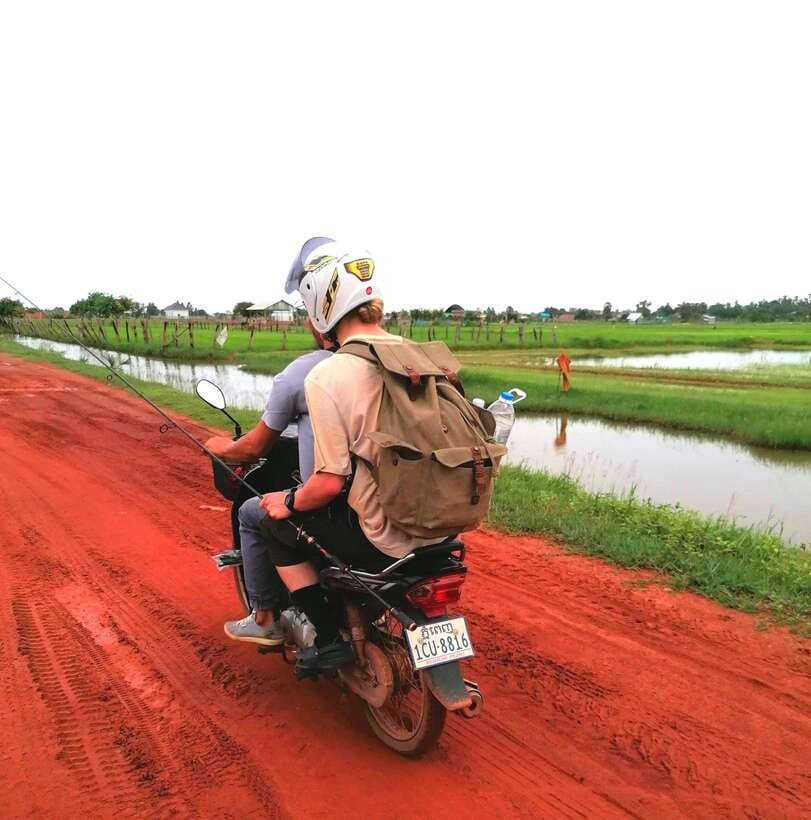
Lunch takes place in one of the surrounding villages. Food and snacks are included, along with water and a soft drink, so you do not need to plan the entire day around carrying meals.
A village lunch breaks up the long morning and gives you another chance to see how people live away from Siem Reap’s hotel zone. The experience is strongest when you treat this as a cultural exchange, not just a fishing package with food added on.
After lunch, the group may change fishing locations again. The decision depends on fish stock and conditions. You then spend several more hours fishing in the afternoon before heading back.
This second fishing period is important to the overall value. The tour lasts about 10.5 hours, and the time is not filled with a quick lesson followed by a return to town. You get a full day to practice, adjust your casting, and enjoy the quiet of the fields.
The setting is beautiful, but not polished
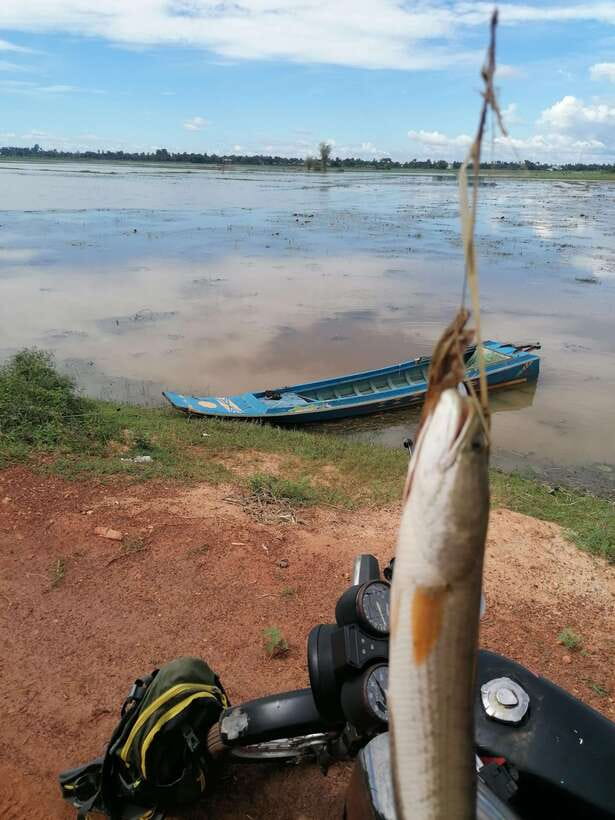
The rural setting is the main attraction, and it comes with ordinary outdoor inconveniences. You should expect strong sun, heat, dirt, and possibly wet or muddy ground. The supplied advice to wear clothes that can get dirty is practical, not decorative.
Bring a sun hat, sunscreen, and a head covering. A kippah is also listed among the suggested items, although the reason for that particular recommendation is not explained. Comfortable clothing that you do not mind soiling is more important than dressing for photographs.
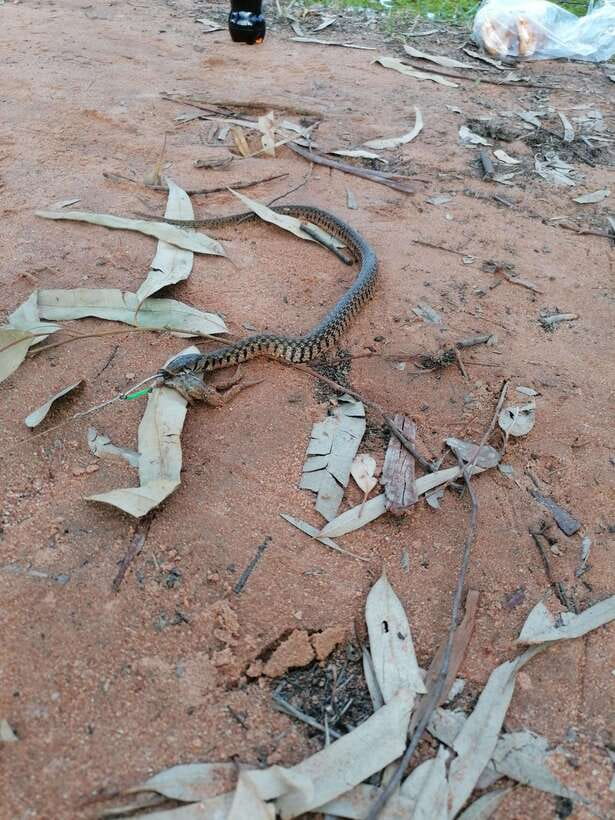
The tour also warns that you may encounter snakes or other dangerous wild creatures. This does not mean an encounter is guaranteed, but it is a real reason to stay alert and follow the guide’s instructions. You are spending time in rural fields and natural water areas, not inside a controlled recreation facility.
The day may suit you if you like basic outdoor adventure. It may not suit you if you want air conditioning, fixed facilities, short walking distances, or a predictable schedule. This is one of those activities where the rough edges are part of the experience, but they still need to match your comfort level.
Why the four-person limit matters
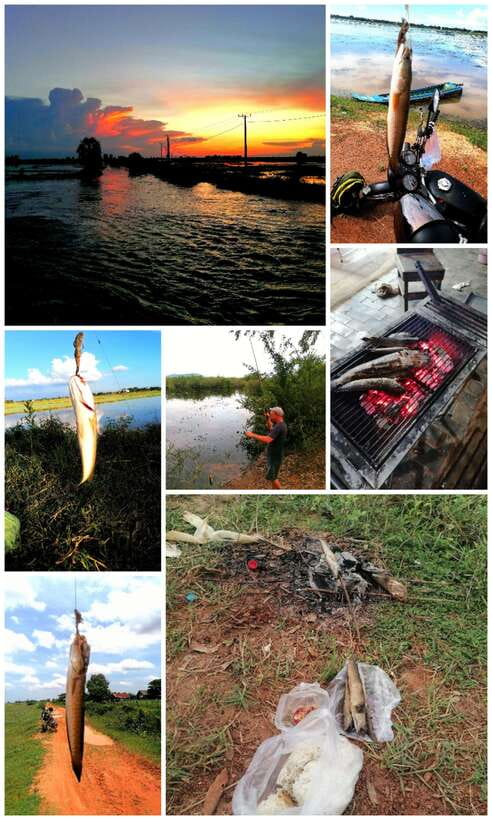
The private group size is one of the strongest features. With a maximum of four people, the guide can keep track of the fishing attempts and offer direct instruction. You also avoid the stop-and-start feel that often comes with a large group.
A small group can make conversations with local fishermen feel more natural. It is easier to stand together in the rice fields, ask questions, and avoid turning a village stop into a large procession.
The small size also makes the long day more manageable. You can spend more time fishing instead of waiting for many people to finish a lesson or relocate. Larger groups can be arranged by contacting the provider, but the standard format is for up to four participants.
I would choose this trip with a friend, partner, or small family group that already enjoys fishing. It also works for a solo visitor who wants a personal rural activity, though the cost per person remains the same listed rate.
Is $68 a fair price?
The price is $68 per person. For a 10.5-hour private experience, that is a reasonable package if you value time, transport, and local access rather than just the fishing itself.
The fee includes hotel pickup and return, transport from your specified hotel, fishing equipment, snacks, lunch, water, and one soft drink. You are also paying for the guide’s time across a full day, the search for suitable fishing areas, and the flexibility to move locations when water levels or fish stocks require it.
Compared with a short activity near town, this offers more hours and a more personal setting. The value is less compelling if you already have your own transport and equipment, or if you would only fish for an hour or two. It is strongest for you if arranging a village visit, local transport, meals, and equipment separately would be difficult.
The trip also has no promise of a catch. That should be part of your value calculation. You are buying access to a method, a rural setting, and a day of instruction, not a guaranteed basket of fish.
Free cancellation is available up to 24 hours before the activity for a full refund, and you can reserve now and pay later. Those terms give you some useful flexibility while planning your Siem Reap days.
Who should book this experience
I would recommend it most strongly to:
- People with a genuine interest in fishing
- Visitors who want a break from temple visits and town traffic
- Couples or friends who prefer private, small-group activities
- Anyone curious about rural Khmer life and food gathering
- Travelers who are comfortable with sun, dirt, insects, and basic outdoor conditions
I would think twice if you dislike animals used as bait, need highly predictable access and facilities, or want a polished food tour. The use of frogs as bait is central to the fishing method, so it is worth considering your comfort with that before booking.
The full day can also be tiring. You leave early, spend the morning outdoors, stop for lunch, and continue fishing for several hours in the afternoon. Plan a quieter evening afterward rather than scheduling another demanding activity.
Final call: book it for the method, not the guarantee
Book this tour if you want to spend a full day seeing rural Siem Reap through fishing, village markets, local meals, and time beside Cambodian fishermen. The small group, included equipment, hotel transport, and flexible fishing locations make the $68 price easier to justify.
Skip it if you want a guaranteed catch or a comfortable, tightly scripted excursion. The best reason to go is the chance to learn a distinctive topwater technique and share a practical day in the countryside. The fish is a bonus. The real experience is seeing how far Siem Reap life extends beyond the temples and learning to work with the water, bait, and conditions in front of you.
FAQ
How long does the fishing experience last?
The activity lasts about 10.5 hours. It begins around 7 a.m. and finishes at about 5:30 p.m., including travel, village stops, lunch, and fishing in the morning and afternoon.
How far from Siem Reap do you travel?
You travel approximately 20 to 30 kilometers from Siem Reap to nearby villages and rice-field fishing locations.
What fish will I try to catch?
The main target is the snakehead fish, using a topwater method with frogs as bait.
Is lunch included?
Yes. Lunch, snacks, water, and one soft drink per person are included. If you catch a fish, it can also be prepared and eaten on the spot if you request it.
How many people can join the tour?
The standard private tour is limited to four participants. Larger groups can contact the provider to ask about arrangements.
What should I bring?
Bring a sun hat, sunscreen, a head covering or kippah, and clothes that can get dirty. You may also drive your own vehicle if you prefer.
Just added around Siem Reap
- Twilight Tastes of Siem Reap Include Dinner★ 5.0 · 13 reviews
- Ultimate Sunrise to Angkor Wat, Angkor Thom and Bayon Temple★ 5.0 · 3 reviews
- Trekking Tour at Phnom Kulen National Park from Siem Reap★ 5.0 · 3 reviews
- Professional Photo Shoot in Angkor Archaeological Park, Siem Reap★ 5.0 · 42 reviews
- Full-Day Private Tour of Angkor Wat with Pick Up★ 5.0 · 12 reviews
- Siem Reap City Tour with War Museum and Killing Field★ 5.0 · 27 reviews
- Unveiling 2 Days Private Angkor Wat/Beyond In Sunrise/Sunset Tour★ 5.0 · 48 reviews
- Private Day Trip to Angkor Temples with Expert Guide★ 5.0 · 4 reviews
Fishing, compared.
Tonle Sap Lake – Fishing Village & Flooded Forest
Read our review →
Koh Rong Tour: A Snorkeling, Fishing, Sunset, Plankton
Read our review →
Half Day Kampong Pluk Fishing Village with Sunset Private Tour
Read our review →Browse the lists this tour appears in