
Reviewed · MUSEUMS
Siem Reap: Khmer Rogue, War museum &landmine museum Day Tour
Cambodia’s war years are difficult to face, but this tour gives you a clear route through that painful past. In eight hours, you visit Wat Thmei, the Cambodia Landmine Museum, and the War Museum, with an English-speaking guide to connect the places and explain what you are seeing.
I like the range of subjects covered, from the Khmer Rouge period and the Killing Fields to unexploded weapons and Cambodia’s long recovery from conflict. I also like that guides such as Sok Vuthy and Buth Veasna are praised for explaining the subject with care and strong knowledge.
The drawback is the amount of time spent in the minivan. The day includes several road transfers, and the subject matter is heavy. This is not a light sightseeing trip, and you should plan for a serious, sometimes sad day.
What makes this Siem Reap history tour worthwhile
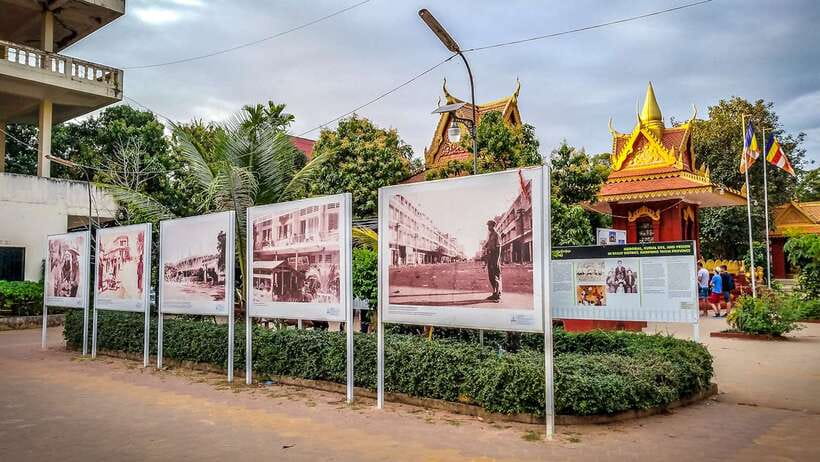
- Wat Thmei puts the Khmer Rouge period in a local Siem Reap setting, rather than treating the subject as distant national history.
- The Cambodia Landmine Museum was founded by a former child soldier, giving the collection a direct link to Cambodia’s wartime experience.
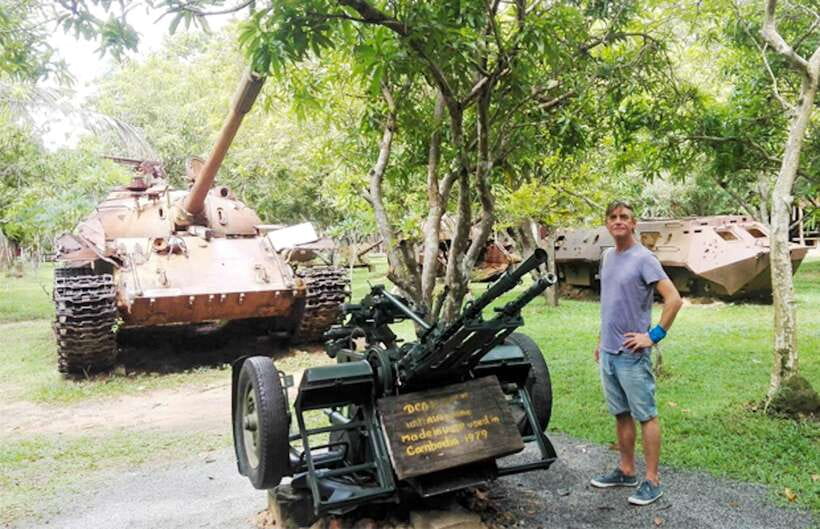
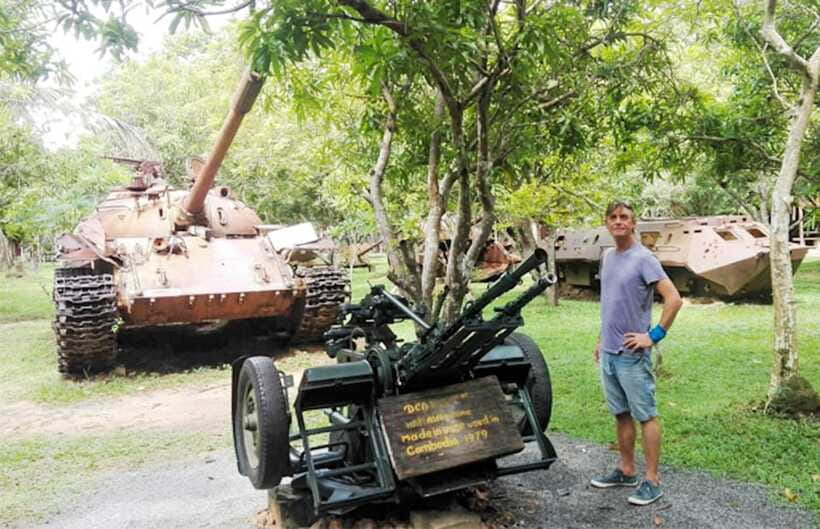
- The War Museum holds weapons gathered from former fighting areas, including Anlong Veng, Siem Reap, and Odor Meangchey.
- The English-speaking guides are central to the experience, with Sok Vuthy and Buth Veasna noted for clear, passionate explanations.
- Museum entry, hotel transfers, cold water, and a wet towel are included, which makes the $78 price easier to assess.
- The tour is wheelchair accessible, though you should still confirm how each stop will work for your needs before booking.
A serious day beyond the Angkor temples
Siem Reap is best known for Angkor Wat, but the modern story of Cambodia cannot be understood through temples alone. This tour turns your attention to the Khmer Rouge years, the wars that followed, landmines, and the slow work of rebuilding a country after mass violence.
I see the strength of this experience in its three-part structure. Wat Thmei focuses on death and remembrance. The Landmine Museum shows how war continues to harm people long after fighting ends. The War Museum brings together the weapons and machinery of conflict.
That sequence gives you more than three isolated museum visits. It helps you move from the human cost of violence to the physical remains of war and then to the wider military story. You will not get every detail of Cambodian history in one day, but you will leave with a clearer sense of how these subjects connect.
The tone matters. This is not entertainment, and the tour does not try to make painful history comfortable. A good guide helps you face the subject without getting lost in dates and political terms. That is where guides such as Sok Vuthy and Buth Veasna make a real difference.
More Museums in Siem Reap
- Bantey Srei, Kbal Spean and Landmine museum Private Tuk-Tuk
★ 4.7 · 30 reviews - Siem Reap City Tour with War Museum and Killing Field
★ 5.0 · 27 reviews - Private Tour: HERO Rats & Angkor National Museum
★ 4.5 · 16 reviews
The day begins with hotel pickup in Siem Reap
Your guide collects you from your hotel in Krong Siem Reap, usually with a minivan. You are asked to wait in the hotel lobby 20 minutes before the scheduled pickup, so do not treat the start time casually.
The vehicle is useful because the stops are spread out. You are not simply walking between nearby museums. The day includes several coach transfers, including journeys of about one hour, 45 minutes, and 30 minutes. Those drives take up a meaningful part of the day, but they also show that this is a regional history tour rather than a compact city-center walk.
The tour includes cold water and a wet towel. That is a small but practical touch in Cambodia’s heat, especially after time walking around outdoor displays. Food and soft drinks are not included, so plan your meals around the schedule or ask your guide when you will have a suitable break.
Cambodia Landmine Museum: war that did not end with peace
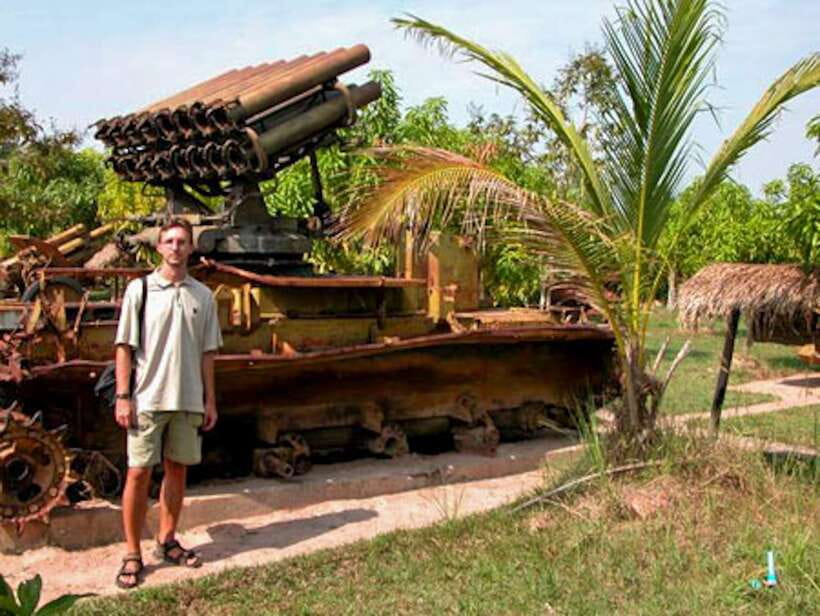
The first major stop is the Cambodia Landmine Museum, where you spend about 1.5 hours with a guide. The museum was established by a former child soldier, a detail that gives the visit a deeply personal frame.
You will see thousands of decommissioned landmines and other weapons. These are not just old objects in glass cases. They help explain why Cambodia’s conflict continued to affect ordinary people even after the main fighting ended.
This stop is especially valuable if you know little about landmines. A mine can remain dangerous for years after it was placed, making the end of a war very different from the end of danger. The museum also presents ways people can help remove these weapons from the world, so the visit points toward practical recovery rather than stopping with tragedy.
Expect a serious museum visit with time to walk and listen. The collection may feel stark rather than polished, which suits the subject. You are looking at weapons designed to injure people, and the directness of the display is part of its force.
Because the museum is outside the central town area, the journey to and from it adds to the day. Still, I think this is one of the most distinctive parts of the tour. Wat Thmei and the War Museum tell you about Cambodia’s conflict. The Landmine Museum shows how that conflict remains present in the ground and in the lives of people who must deal with its leftovers.
The road between stops is part of the tradeoff
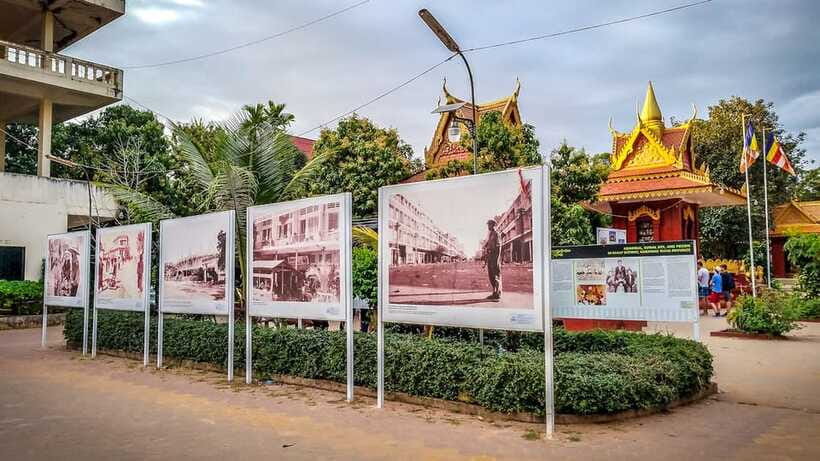
After the Landmine Museum, you return to the minivan for roughly an hour before reaching the War Museum. Later transfers add another hour, about 45 minutes, and 30 minutes around the remaining stops.
You should know this before booking. If you want a quick morning visit to one museum, this is not the right format. The long transfers can feel tiring, especially after an emotional first stop.
At the same time, a private or organized vehicle is far easier than arranging several separate rides yourself. Hotel pickup and drop-off remove the need to negotiate transport between distant sites, and your guide remains responsible for the day’s route. For $78 per person, those transfers and three admissions make the price more reasonable than it might first appear.
The exact pace can depend on the day, the roads, and the group. The published timing adds up to a full day, with roughly five hours at the three main stops and several hours on the road. Bring water beyond the included bottle if you like to drink often, and wear practical shoes for walking through museum grounds.
Same base, a completely different kind of day:
- Angkor Wat Sunrise or Sunset Tour with Guide from Siem Reap
★ 5.0 · 12,109 reviews - Siem Reap: Angkor Wat: Small-Group Sunrise or Sunset Tour
★ 5.0 · 9,444 reviews - From Siem Reap: Kampong Phluk Floating Village Tour by Boat
★ 4.9 · 6,979 reviews - Sunset tour of Kampong Phluk stilts home village on the Tonle Sap
★ 5.0 · 4,865 reviews
War Museum Cambodia: weapons and a complicated conflict
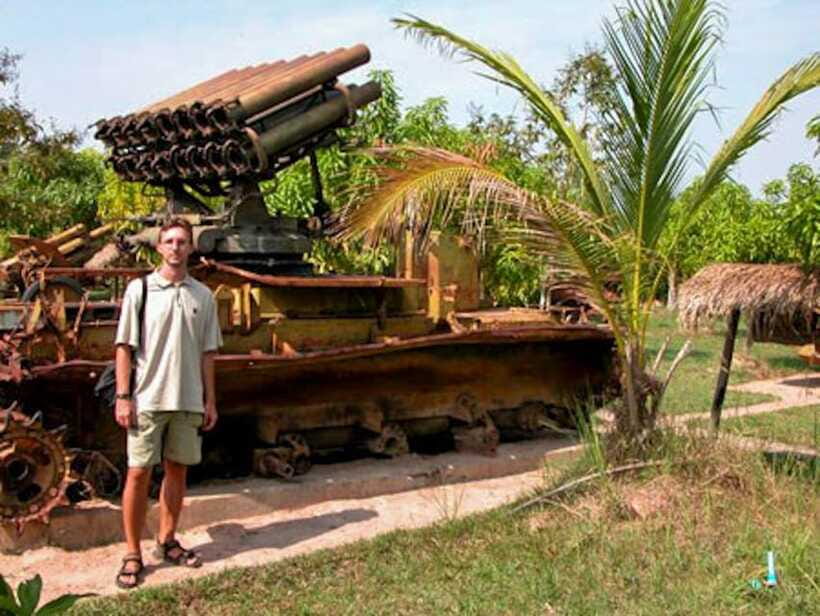
The War Museum gives you about 1.5 hours of guided sightseeing and walking. Its collection has been gathered since 1999 from places where fighting took place, including Anlong Veng, Siem Reap, and Odor Meangchey.
You will see weaponry and other military material connected with Cambodia’s conflict history. The value of this stop is not simply the size of the collection. The guide helps explain what the objects are and how they fit into a conflict that cannot be reduced to one simple chapter.
Cambodia’s modern wars involved changing forces, foreign influence, shifting alliances, and years of violence. A collection of weapons cannot tell the whole story, but it gives you something concrete to examine while the guide supplies the wider setting.
This is another place where the guide matters. Buth Veasna, for example, is described as passionate and well informed in his presentation. That kind of delivery can make the difference between looking at unfamiliar military objects and understanding why they matter.
Do not expect a formal art museum or a quiet historical archive. The War Museum’s appeal is its direct connection to the places where the fighting happened. You are seeing physical reminders of conflict gathered from Cambodian ground.
Wat Thmei: a quiet and difficult place
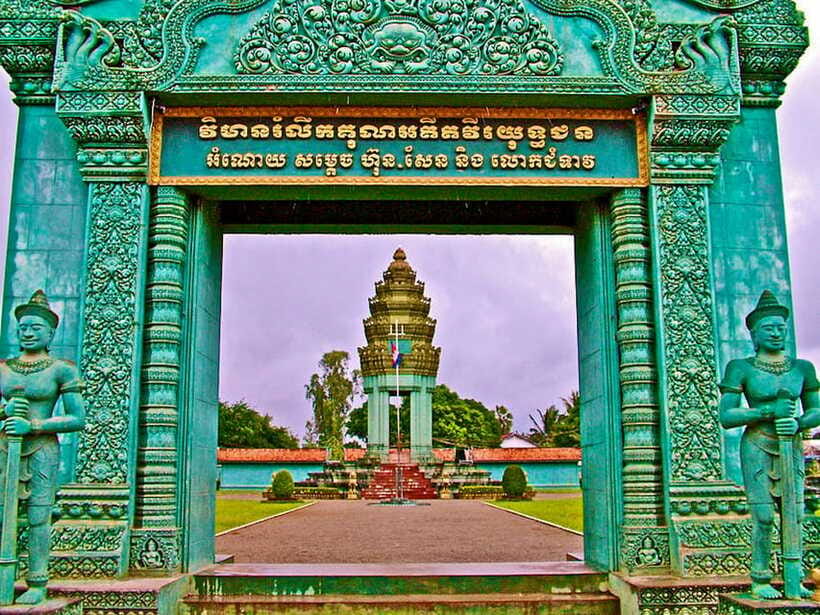
Wat Thmei is the final main stop, with about two hours for a visit, guided explanation, and sightseeing. It is one of the Killing Fields connected with the Khmer Rouge period.
This is the heaviest part of the day. The site is associated with mass death, and the atmosphere is sad. Give yourself time to listen and look without rushing. You may find the visit emotionally demanding, particularly after spending the day learning about weapons and war.
The importance of Wat Thmei is its local connection. The Khmer Rouge period is often discussed through major sites elsewhere in Cambodia, but visiting a Killing Field in Siem Reap brings the subject close to the place where you are staying. You are not only reading about national tragedy in a book or museum. You are standing at a site of remembrance within the province.
Your guide’s role is important here. A clear explanation can provide context without turning the visit into a string of shocking facts. The best approach is respectful and measured. Listen carefully, ask questions when appropriate, and allow quiet time after the guided portion.
Flash photography is not allowed. That rule is both practical and respectful. Keep your camera away when the guide asks, and treat the site as a place of remembrance rather than a photo stop.
How the three sites work together
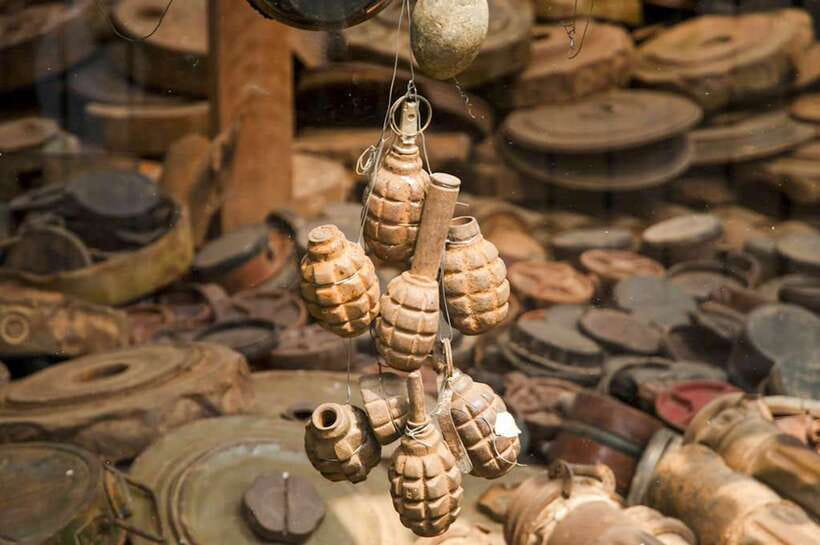
Each stop answers a different question.
Wat Thmei asks what happened to people during the Khmer Rouge period. The Landmine Museum asks what remains after weapons are left behind. The War Museum asks what the fighting looked like and how Cambodia’s various conflicts shaped the country.
That combination is the strongest reason to choose this tour. A single museum can leave you with one angle. These three sites give you a broader view, although the day cannot cover every part of Cambodian history.
The sequence also moves between emotional and physical evidence. At Wat Thmei, the focus is human loss. At the Landmine Museum, you confront the danger hidden in objects left behind. At the War Museum, you see the equipment of war and hear about the wider conflict.
I would not book this tour immediately before a relaxed evening if you are sensitive to difficult history. You may want time afterward to sit somewhere quiet and process what you have seen. The final ride back to your hotel gives you some space, but the subject stays with you.
Is $78 a fair price?
At $78 per person, this is not the cheapest way to see one Siem Reap museum. It is a full-day package, though, and the price includes hotel pickup and drop-off, an English-speaking guide, museum entries, cold water, and a wet towel.
The value depends on what you would otherwise arrange yourself. If you hired separate transport, paid admission at three places, and tried to find explanations at each stop, the cost and effort could quickly rise. Here, one guide carries the historical thread through the day.
The price is easier to justify for first-time visitors who want structure. You do not need to work out how to reach the Landmine Museum, connect it with the War Museum, and finish at Wat Thmei. You also get direct interpretation rather than simply walking around displays alone.
It may be less appealing if you already have strong knowledge of Cambodia’s war history or prefer to visit at your own pace. The schedule is fixed, and the long transfers limit the amount of time you can spend lingering at one place.
Free cancellation is available up to 24 hours before the tour for a full refund, and you can reserve now and pay later. Those terms help if your Siem Reap schedule is still changing.
Who should book this experience?
I would recommend it to adults, older teenagers, students of modern history, and anyone who wants to understand Cambodia beyond Angkor. It suits you if you value explanation, organized transport, and a clear route through difficult subjects.
It is also a good fit if you are curious about the lasting effects of war. The Landmine Museum gives the tour a present-day purpose, while Wat Thmei and the War Museum help explain the causes and human cost behind it.
You may want to think twice if you are looking for a cheerful day or a short cultural outing. The tour covers death, weapons, mass violence, and recovery. It can be educational and worthwhile, but it is not emotionally neutral.
The experience is wheelchair accessible, which is useful to know when comparing options. Since the day includes museum walks and several road transfers, contact the provider before booking if you need specific assistance at individual sites.
Practical advice for a better day
Arrive in the lobby 20 minutes before pickup. The vehicle has several stops to make, and a late start can affect the whole schedule.
Wear comfortable shoes and clothing suited to walking. The tour includes sightseeing on foot at all three main locations, and the day lasts about eight hours.
Carry water, even though cold water is provided. Food and soft drinks are not included, so ask about meal timing early in the day.
Bring a notebook if you want to remember names, dates, or questions. The subject is broad, and the guide may cover more information than you can retain in one pass.
Keep photography respectful. Flash photography is not allowed, especially at Wat Thmei. Listen to site instructions and avoid treating the most painful locations as ordinary attractions.
Should you book the Siem Reap war history tour?
Book it if you want a guided, full-day look at Cambodia’s recent past and prefer having transport, entries, and interpretation arranged together. The strongest features are the unusual Landmine Museum, the local focus of Wat Thmei, and guides such as Sok Vuthy and Buth Veasna, whose clear and passionate presentations help make difficult material understandable.
Skip it if you want a light day, dislike long minivan rides, or prefer to set your own pace. For the right audience, though, this tour offers a serious and useful counterpoint to Siem Reap’s temple visits. It leaves you with a better understanding of the suffering Cambodia endured, and the work still being done to recover.
FAQ
How long does the tour last?
The tour lasts eight hours. Pickup and drop-off in Krong Siem Reap are included.
Which places does the tour visit?
The tour visits the Cambodia Landmine Museum, War Museum Cambodia, and Wat Thmei Killing Fields.
Is hotel pickup included?
Yes. Hotel pickup and drop-off in Siem Reap are included. You should wait in your hotel lobby 20 minutes before the scheduled pickup time.
Is a guide included?
Yes. The tour includes a live English-speaking guide. Guides named for this experience include Sok Vuthy and Buth Veasna.
Are museum entry fees included?
Yes. Museum entries are included in the tour price.
Can I cancel the booking?
You can cancel up to 24 hours in advance for a full refund. You can also reserve the tour and pay later.
Just added around Siem Reap
- Twilight Tastes of Siem Reap Include Dinner★ 5.0 · 13 reviews
- Ultimate Sunrise to Angkor Wat, Angkor Thom and Bayon Temple★ 5.0 · 3 reviews
- Trekking Tour at Phnom Kulen National Park from Siem Reap★ 5.0 · 3 reviews
- Professional Photo Shoot in Angkor Archaeological Park, Siem Reap★ 5.0 · 42 reviews
- Full-Day Private Tour of Angkor Wat with Pick Up★ 5.0 · 12 reviews
- Unveiling 2 Days Private Angkor Wat/Beyond In Sunrise/Sunset Tour★ 5.0 · 48 reviews
- Siem Reap City Tour with War Museum and Killing Field★ 5.0 · 27 reviews
- Private Day Trip to Angkor Temples with Expert Guide★ 5.0 · 4 reviews
Museums, compared.
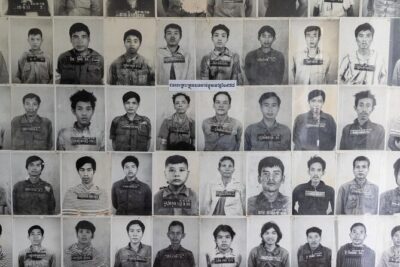
The Killing Field and Toul Sleng Genocide Museum (S21) Tour
Read our review →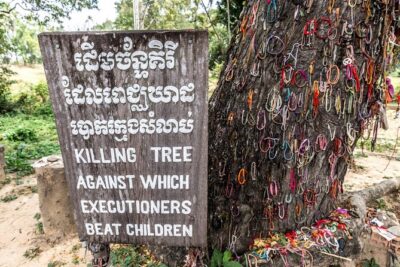
Private Half Day To Killing Field & S21 Genocidal Museum in Phnom Penh
Read our review →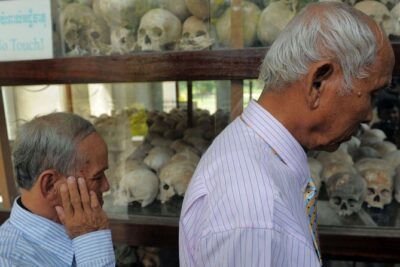
Tuol Sleng Genocide Museum (S-21) and Choeung Ek Killing Fields Tour
Read our review →
Phnom Penh City Tour, Silver Pagoda, Genocide Museum, Killing Fields
Read our review →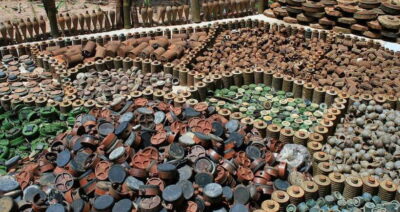
Bantey Srei, Kbal Spean and Landmine museum Private Tuk-Tuk
Read our review →
Siem Reap City Tour with War Museum and Killing Field
Read our review →
Khmer Rouge, genocide museum &killing field tour
Read our review →
Private Tour: HERO Rats & Angkor National Museum
Read our review →Browse the lists this tour appears in