
Reviewed · 5-DAY EXPERIENCES
5-Day ‘All The Sights’ Tour
Angkor is only the beginning here. This private five-day trip reaches the famous temples, remote ruins, a mountain waterfall, the stilt villages of Kompong Phluk and Siem Reap’s markets, with your guide and driver handling the daily transfers. Choup is one guide name associated with this experience, and Mr Bean has driven for some bookings.
I like the private format, which lets you pause, shorten a temple visit or take advice on the day’s order. I also like the variety: Bayon and Angkor Wat one day, a swim at Phnom Kulen another, then a boat through Tonle Sap villages. The catch is the price and pace: $309 excludes passes, food and several fees, while Day 4 is an exceptionally long road day.
Key points to know before booking
- Three days inside Angkor: The first three days cover Angkor Wat, Bayon, Ta Prohm, Preah Khan, Banteay Kdei and many less famous temples.
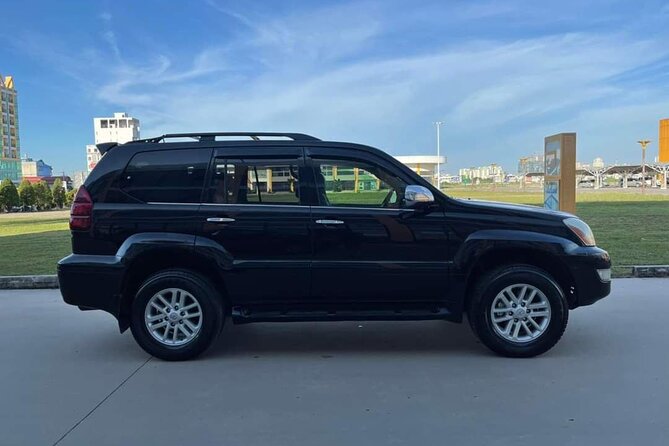
- A private guide and car: Only your party joins the tour, with hotel pickup and drop-off, bottled water and cold towels included.
- A real mix of Cambodia: You visit temples, a waterfall, a mountain pagoda, a floating village and local markets.
- Day 4 is the endurance test: Koh Ker, Beng Mealea and Preah Vihear involve long drives and plenty of walking.
- Important extra costs: A three-day Angkor pass costs $62, a seven-day pass costs $72, and Koh Ker and Beng Mealea require separate fees.
- Best for active sightseers: You need to walk normally and cope with full days in the heat. Children under three cannot join.
What the $309 package really gives you
At $309, this is not an all-inclusive price. It covers five days of private guiding, hotel transfers, a motorized boat at Kompong Phluk, bottled water and cold towels. Temple admissions, meals, soft drinks and alcohol are left to you.
The Angkor pass is the main extra. The tour advises buying a three-day pass at the Angkor Enterprise ticket office, priced at $62 per person. A seven-day pass costs $72, which may be useful if you want flexibility beyond the scheduled visits. Koh Ker costs $10 per person and Beng Mealea costs $5 per person. The information provided does not specify a separate admission price for Preah Vihear, so ask about that before you set your budget.
The value is strongest if you want a private vehicle and a guide for several days rather than arranging separate tuk-tuks, drivers and day trips. You also avoid the work of building a route through sites that are scattered far beyond Angkor Wat. It is less attractive if you plan to spend most of your time at the main temples and prefer to buy short local excursions as you go.
A few more Siem Reap half-days worth weighing up
- Angkor Wat Sunrise and Tonle Sap Lake 1.5 Days
★ 5.0 · 39 reviews - Private Cambodia 5 Days Tour from Siem Reap to Phnom Penh
★ 5.0 · 19 reviews - 5-Day All Major Temples & Kulen Mount Waterfall & Koh Ker & Beng Mealea
★ 5.0 · 13 reviews
Day 1: Bayon faces, jungle roots and Angkor Wat
The first morning begins at 8:30 am with hotel pickup. You buy your Angkor pass at the Angkor Enterprise ticket office, then enter the archaeological park.
Bayon is a strong first temple. Its towers carry the famous large stone faces, while carved galleries show scenes from Khmer life and warfare. Give yourself an hour here. A private guide can help you read the reliefs instead of simply pointing out the faces and moving on.
Baphuon follows, with its tall temple-mountain form and long approach. Built in the 11th century as a Hindu temple dedicated to Shiva, it feels different from Bayon’s crowded sculptural towers. The climb and uneven surfaces make good footwear useful.
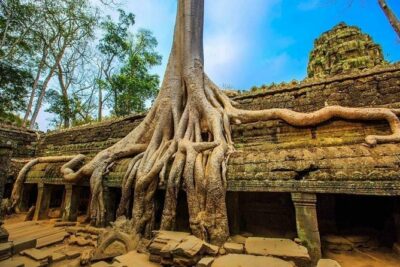
Ta Prohm supplies the drama many people expect from Angkor. Tree roots press across walls and doorways, and the partly ruined setting makes the temple feel less controlled than Angkor Wat. It is also one of the better-known stops, so the private format helps you decide how long to stay, but it cannot guarantee solitude.
The Terrace of the Elephants takes less time and works well as a guided stop. Its carved elephants and parade-ground setting make more sense when you understand that it marked the eastern edge of the royal palace area.
After lunch, you reach Angkor Wat. The listed schedule describes this as a very long visit, effectively the main event of the day. That is sensible. Angkor Wat is too large for a quick photo stop, and the galleries, towers, bas-reliefs and long approaches reward patience.
The day may finish at Phnom Bakheng, the hilltop temple associated with sunset views. The site is reached by walking uphill, and the itinerary allows three hours. That makes Day 1 a full day, especially after Angkor Wat. I would treat Phnom Bakheng as optional if you are already worn out, though the final decision depends on your guide and the site rules that day.
Day 2: Phnom Kulen water, sandstone detail and sunset brick
Day 2 moves away from the central Angkor group. The first stop is the River of 1000 Lingas, where carvings sit along the riverbed. It is a compact but unusual example of how religious sculpture was placed into the natural setting.
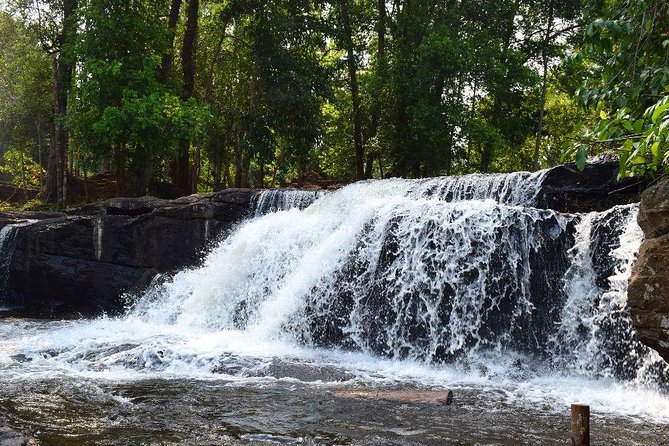
Phnom Kulen National Park is the day’s main change of pace. You have time for a swim at the waterfall, then walk uphill to a pagoda and reclining Buddha. A water blessing may sometimes be available. The combination of water, shade and a mountain setting gives you a welcome break from temple corridors.
Lunch is local and is not included, so carry cash. The schedule allows an hour for the meal, but the overall day remains busy.
Banteay Srei is one of the most rewarding temples on the route. Its 10th-century pinkish sandstone carvings are smaller and more finely cut than the grand architecture at Angkor Wat. The temple is dedicated to Shiva and lies about 25 kilometers northeast of the main Angkor group, so visiting it with other distant sites saves you the trouble of arranging another transfer.
Banteay Samre follows with a more enclosed, fortified feel and architecture from the Angkor Wat period. It often receives less attention than the major temples, which is one reason I like seeing it in a private itinerary.
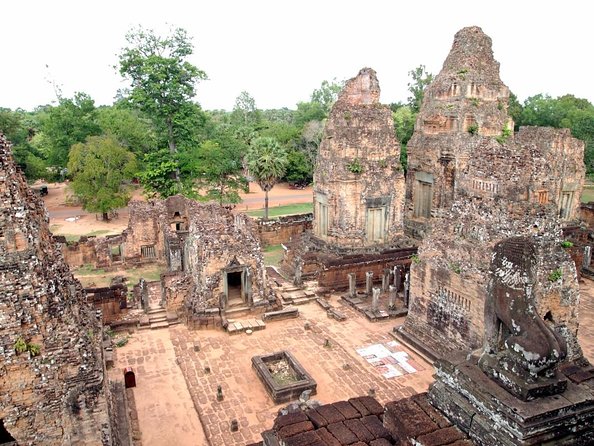
Pre Rup closes the day. Built in the 10th century from brick, laterite and sandstone, it is another temple mountain, but its warm brick structure gives it a different character from the gray stone monuments. After two days of stairs, rough paths and heat, you may find the one-hour visit plenty.
Day 3: Sunrise and the quieter Angkor circuit
The early start for Angkor Wat sunrise is the most obvious test of your energy. The schedule allows three hours, then returns you to the hotel for breakfast. This arrangement is practical: you see the temple in the cooler early hours, then get a proper meal before the next group of ruins.
Sunrise conditions are never guaranteed, and the appeal depends on weather and crowd levels. Still, returning to Angkor Wat at a different hour gives you a new look at the towers and reflecting pools. You also avoid trying to carry an entire day’s sightseeing on an empty stomach.
After breakfast, you visit Preah Khan, Neak Pean, Ta Som and East Mebon. These temples sit in the same broad part of the park, so the route is more efficient than crossing back and forth.
Preah Khan is large and layered, with long galleries and a mixture of Buddhist and Hindu elements. Neak Pean is smaller and more distinctive, built around a central pond. Ta Som offers another compact ruin with trees pressing into the stone, while East Mebon rises from what was once a reservoir and is known for its older temple-mountain design.
After lunch, the route returns to Ta Prohm and adds Ta Nei. Seeing Ta Prohm again may sound repetitive, but the second visit can be worthwhile if you want more time for details missed on Day 1. Ta Nei is a quieter contrast, and the guide can help you judge how much walking remains sensible.
Banteay Kdei ends the day. Its name refers to a citadel of chambers, and its Buddhist design fits well after the larger monuments. This is another place where a private guide earns its keep, since the appeal is less about one famous view and more about understanding how the rooms and passages fit together.
Same base, a completely different kind of day:
- Angkor Wat Sunrise or Sunset Tour with Guide from Siem Reap
★ 5.0 · 12,109 reviews - Siem Reap: Angkor Wat: Small-Group Sunrise or Sunset Tour
★ 5.0 · 9,444 reviews - From Siem Reap: Kampong Phluk Floating Village Tour by Boat
★ 4.9 · 6,979 reviews - Sunset tour of Kampong Phluk stilts home village on the Tonle Sap
★ 5.0 · 4,865 reviews
Day 4: Remote ruins and the hardest road day

Day 4 is the tour’s biggest promise and its biggest warning sign. You begin with a very long drive to Koh Ker, about 120 kilometers from Siem Reap. The schedule allows six hours at the site, followed by four hours for Beng Mealea and another visit to Preah Vihear.
Koh Ker was a remote Khmer capital area with more than 180 known sanctuaries. Its distance and sparse surroundings make it feel far removed from the main Angkor circuit. If you want archaeological sites that are less familiar than Angkor Wat and Bayon, this is the day that justifies the tour’s ambitious title.
Beng Mealea is a ruined temple from the Angkor Wat period, about 40 kilometers east of the main Angkor group. Broken galleries, collapsed stones and vegetation give it a rougher appearance than the better-maintained central temples. The schedule places it after lunch and allows four hours, which suggests a serious visit rather than a quick stop.
Preah Vihear sits atop a 525-meter cliff in the Dangrek Mountains. Its position is the main attraction, but the approach and walking can be demanding. With only 1.5 hours allocated, the timing may feel tight after the earlier sites and road travel.
I would ask the operator to confirm the practical order and total driving time before booking. As written, this is an exceptionally ambitious day. You need average fitness, patience in the vehicle and a willingness to trade comfort for rare sites. It is not the day to schedule another evening activity.
Day 5: Kompong Phluk and a last look at Siem Reap
The final day turns from stone temples to life on the Tonle Sap. Kompong Phluk is a group of villages built largely on stilts, with fishing central to local livelihoods. During the wet season, from May through October, water levels change the appearance of the village and its surrounding waterways.
The included motorized boat is important here. You are not simply looking at a village from the road. You travel among the stilt houses and see how the settlement relates to the lake. The four-hour allocation leaves room for the boat trip and a slower look at the community, though weather and water conditions can affect the experience.
This is a valuable counterpoint to the temples. After several days of royal monuments and religious architecture, you see a living community shaped by seasonal water and fishing. Keep your expectations respectful: this is a place where people live and work, not a stage set built for sightseeing.
On the way back, the tour visits Phsar Leu, Phsar Chas and Artisans d’Angkor. The markets give you a chance to compare a newer market area with the old market, while Artisans d’Angkor focuses on Cambodian crafts. The three-hour stop is useful for gifts and a final look at Siem Reap, but purchases are your own expense.
Private guiding, transport and daily comfort
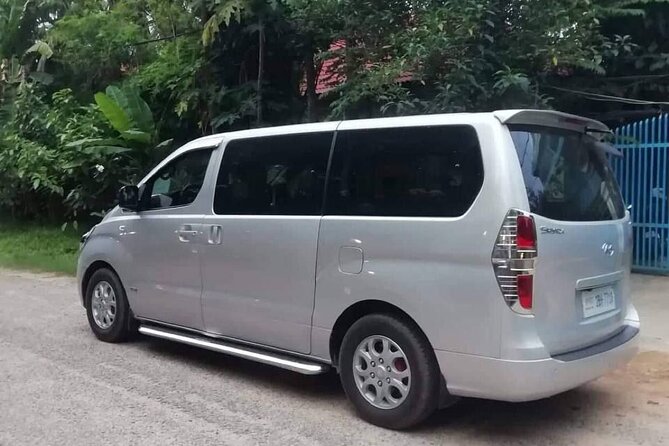
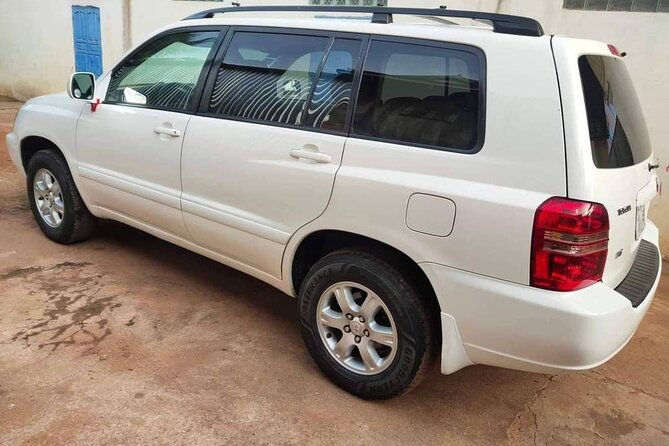
The private setup is the strongest practical feature. Your group travels alone with the guide, so you do not have to wait for strangers at every temple. You can ask for more explanation at Bayon, less time at a smaller ruin or a break after the long stair climbs.
The guide is English-speaking. If Choup is assigned to you, expect a guide whose English and explanations have been praised in past bookings. Mr Bean has also driven for this company, and his careful driving and attention to water supplies have been specifically noted. Staff and guide assignments can change, so treat those names as useful requests, not guarantees.
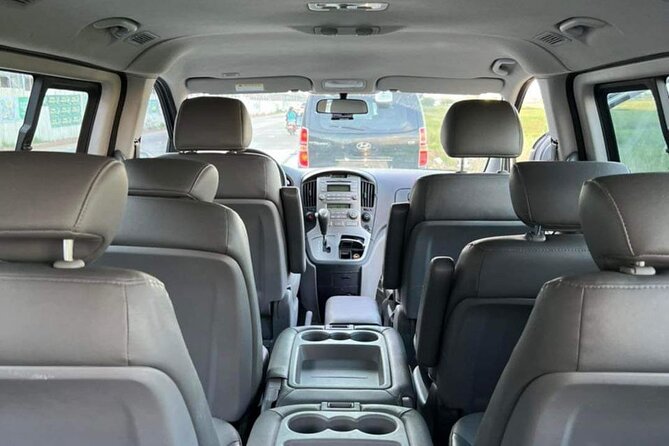
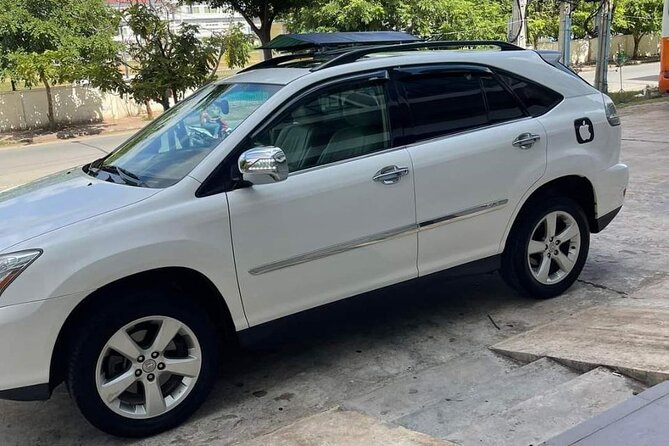
Hotel pickup and drop-off simplify the day. The vehicle leaves your hotel at the 8:30 am start time on regular days, while sunrise at Angkor Wat requires an earlier departure. Water and cold towels are small inclusions, but they matter in Cambodia’s heat.
The tour is not suitable for anyone who cannot walk normally or has less than average fitness. You will deal with temple steps, uneven ground, long approaches and a mountain walk. Children under three are not accepted. Most other visitors can participate, but I would be cautious about bringing anyone who struggles with heat or extended walking.
Who should book this five-day route?
I would choose this tour if you want one private arrangement that covers both the main Angkor temples and far-flung sites. It suits first-time visitors who would rather have the route handled for them, families with older children, and small groups that value their own guide and vehicle.
It is also a good fit if your interests go beyond temples. Phnom Kulen adds swimming and a pagoda, Kompong Phluk adds lake life, and the markets bring you back to present-day Siem Reap.
I would hesitate if you want slow mornings, long lunches or a relaxed holiday rhythm. Day 1 and Day 3 are full, and Day 4 is particularly strenuous. The extra admission costs also mean you should compare the final total, not just the advertised $309.
Cancellation is free up to 24 hours before the start time. Changes or cancellations within 24 hours are not refunded, so confirm your dates and hotel details early.
Should you book it?
Book this tour if you want maximum coverage with private support and are prepared for several demanding days. The mix of Angkor, Phnom Kulen, Koh Ker, Beng Mealea, Preah Vihear and Kompong Phluk is unusually broad for one package.
Skip it if you prefer to explore at your own pace or if remote ruins and long drives sound tiring rather than exciting. For the right person, the $309 base price is reasonable for five days of guiding and transport, but budget separately for passes, meals and extra admissions before you commit.
FAQ
Is this a private tour?
Yes. Only your group participates, with a professional English-speaking guide and hotel pickup and drop-off.
What time does the tour start?
The stated start time is 8:30 am, and the vehicle departs from your hotel then. The Angkor Wat sunrise visit on Day 3 requires an earlier departure.
Is the Angkor pass included?
No. You buy the Angkor pass separately. The stated prices are $62 per person for three days and $72 per person for seven days.
What other entrance fees are extra?
Koh Ker costs $10 per person and Beng Mealea costs $5 per person. Meals, soft drinks, alcohol and Angkor temple passes are also excluded.
Is the boat at Kompong Phluk included?
Yes. The fee for the motorized boat is included in the tour price.
Is the tour suitable for young children?
Children under three years old cannot join. The tour also requires normal walking ability and average fitness because of temple paths, steps and the walking involved at Phnom Kulen and other sites.
Just added around Siem Reap
- Twilight Tastes of Siem Reap Include Dinner★ 5.0 · 13 reviews
- Ultimate Sunrise to Angkor Wat, Angkor Thom and Bayon Temple★ 5.0 · 3 reviews
- Trekking Tour at Phnom Kulen National Park from Siem Reap★ 5.0 · 3 reviews
- Professional Photo Shoot in Angkor Archaeological Park, Siem Reap★ 5.0 · 42 reviews
- Full-Day Private Tour of Angkor Wat with Pick Up★ 5.0 · 12 reviews
- Unveiling 2 Days Private Angkor Wat/Beyond In Sunrise/Sunset Tour★ 5.0 · 48 reviews
- Siem Reap City Tour with War Museum and Killing Field★ 5.0 · 27 reviews
- Private Day Trip to Angkor Temples with Expert Guide★ 5.0 · 4 reviews
5-Day Experiences, compared.
Private Cambodia 5 Days Tour from Siem Reap to Phnom Penh
Read our review →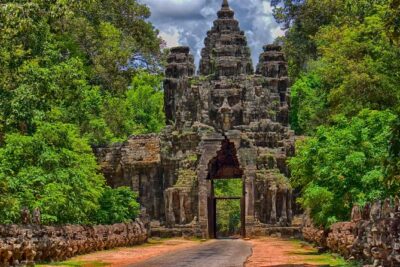
5-Day All Major Temples & Kulen Mount Waterfall & Koh Ker & Beng Mealea
Read our review →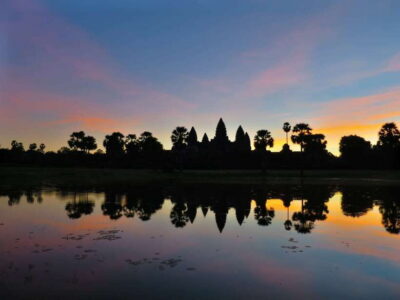
Angkor Wat: Sunrise 2.5 Days Temples & Tonle Sap-Small Group
Read our review →
5 Days – Cambodia Ancient Trails & Jungle Temples
Read our review →Browse the lists this tour appears in