
Reviewed · FOOD TOURS
Discover the Tastes Temples and Tales of Authentic Cambodia
Cambodia reveals itself through food on this eight-day journey from Phnom Penh to Siem Reap. You eat noodle soup and turmeric crepes at local markets, meet food makers, cook fish amok, visit a family home near the temples, and finish with Angkor Wat at sunrise. The route also takes in Cambodia’s difficult past and its lively present.
I like the small group, capped at 10, and the fact that transport, meals, entrance fees, and local specialists are arranged. I also like the no-shop policy, which keeps the focus on food, people, and places rather than forced buying. The main consideration is pace: several days are long, and the tour asks for moderate physical fitness.
Key points to know before booking
- Seven full days of food and sightseeing: Phnom Penh, Battambang, and Siem Reap are linked into one carefully planned route.
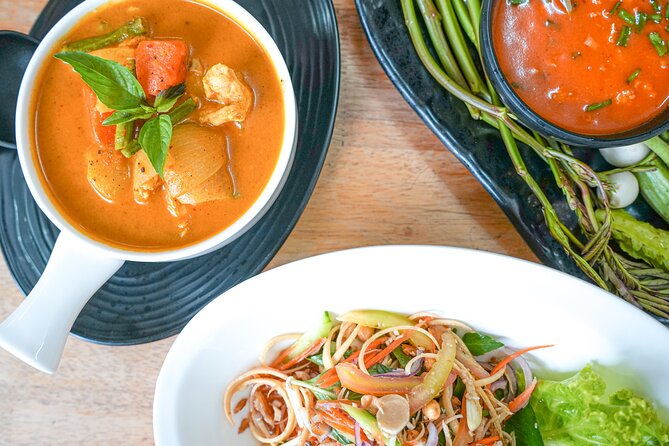
- Local eating is central: Market breakfasts, family restaurants, a cooking class, street food, fresh coconut, papaya salad, and regional dishes all feature.
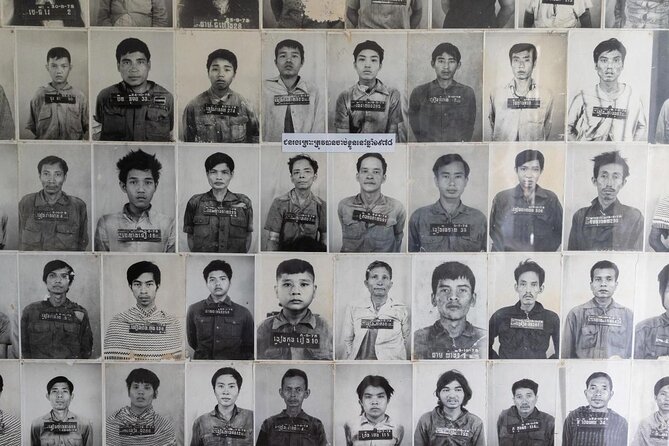
- The history is not skipped: Tuol Sleng Genocide Museum gives essential context before you continue into present-day Cambodia.
- Private transport keeps the route practical: A VIP van with a driver and mineral water handles the inter-city travel.
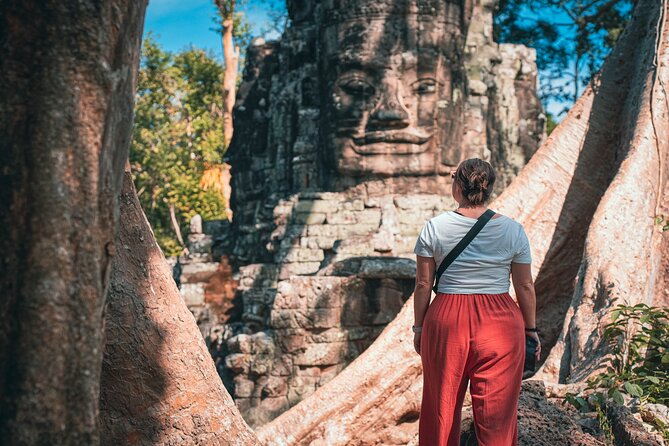
- Angkor gets two different moods: You see forest-covered temples and Bayon before returning for Angkor Wat at sunrise.
- The package is designed for a small group: An English-speaking Lost Plate leader and local specialists guide a maximum of 10 people.
Why this route works for food-first Cambodia
Many Cambodia trips focus almost entirely on Angkor Wat. This one gives you the temples, but it begins with the country’s cooking and everyday life. That choice makes sense. Food gives you a way to understand Cambodia without treating the country like a museum.
In Phnom Penh, you move between family-run restaurants and local food stops with a cold beer in hand. Later, in Battambang, you shop for ingredients and prepare four Cambodian dishes. You also eat in rural settings, including a traditional home in the forest near Siem Reap.
I like this approach because meals are not just pauses between monuments. They are the main way the tour introduces you to ingredients, livelihoods, and local customs. If you enjoy asking what you are eating and why it matters, you will get plenty of chances.
The tradeoff is that this is not a slow, stay-in-one-place holiday. You cover three major areas in a week, with long road travel and early starts. You should be comfortable with full days, warm conditions, uneven paths, and plenty of time on the move.
More Food Tours in Phnom Penh
- Ultimate Phnom Penh Food Tour by Tuk Tuk: 20 Tastings and Drinks
★ 5.0 · 409 reviews - Phnom Penh’s Culinary Underground: Local Food Tour by Tuk-tuk
★ 5.0 · 234 reviews - Phnom Penh Evening Food Tour – Inclusive 5 stops local Tastings
★ 5.0 · 154 reviews
Phnom Penh begins with tuk-tuks and local plates
Your arrival day starts with airport pickup in Phnom Penh. The listed meeting point is Pochentong Airport, and the package includes transfer into the city. Once introductions are complete, you head out by tuk-tuk for an evening food tour lasting about four hours.
The plan visits four safe-to-eat restaurants and introduces you to the people behind the dishes. That detail matters. You are not simply handed a list of Cambodian foods. You get a guided introduction to how local restaurants work and how familiar ingredients become finished dishes.
A cold beer helps keep the evening relaxed, but this is still a proper orientation to the capital. You begin to see how Phnom Penh’s food culture differs from the temple-centered experience that comes later.
The first evening is also a good test of the group. With a maximum of 10 people, it should be easier to share dishes and keep conversations moving. The company’s team has received especially warm praise for creating a friendly group mood, with Khim, Senghong, and Sivhong named among the guides who made a strong impression.
Market breakfast and Cambodia’s painful past
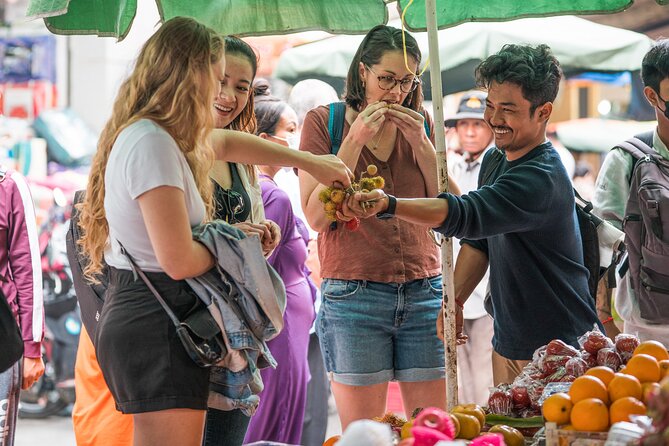
Day two starts at Toul Tompong Market, commonly called the Russian Market. The morning food crawl includes noodle soup, Khmer coffee, and savory turmeric crepes. You also get time to walk through the market, where the sights, smells, and movement make a useful counterpoint to the controlled setting of a restaurant.
This is a three-hour stop, so expect a food-focused visit rather than a long shopping session. The tour is explicitly no-shop, meaning you will not be taken somewhere with pressure to purchase. That is a meaningful advantage if you prefer to spend your time eating and learning.
The next stop, Tuol Sleng Genocide Museum, changes the tone. The former secondary school became Security Prison 21 under the Khmer Rouge. The visit takes about two hours and is emotionally serious.
I consider this one of the most important parts of the route. Cambodia’s current food, art, and family life make more sense when you understand the destruction the country endured. The museum can be difficult, so do not think of it as a light sightseeing stop between meals. It asks for quiet attention.
Afterward, you head to Sisowath Riverside Park and board a private boat for a two-hour happy hour cruise. Phnom Penh sits where the Tonlé Sap, Mekong, and Bassac Rivers meet, and freshwater fish play a major role in local cooking. The cruise gives you a change of pace and a broader view of the city.
The day ends with a large dinner of Cambodian dishes. With breakfast, lunch, and dinner included throughout the trip, you will not need to plan meals around the sightseeing schedule. You should still tell the operator about dietary needs before departure, since the supplied details do not explain how special diets are handled.
The road to Battambang shows rural Cambodia
Day three is the longest transfer, listed at about 12 hours. The route from Phnom Penh to Battambang passes rice paddies, water buffalo, and rural communities. This is where the private van earns its keep.
A private inter-city vehicle with a driver, mineral water, and a small group is far more practical than trying to coordinate several public transfers with meals and sightseeing. Still, do not underestimate the day. Even with stops, sitting in a van for much of the day can be tiring.
The countryside is a major reason to take this route rather than fly between the main cities. You see the space between Cambodia’s famous destinations, not only the destinations themselves. The tour description says the group makes several stops, though it does not specify every stop or the exact lunch arrangement on this day.
Battambang feels very different from Phnom Penh. It is Cambodia’s second-largest city, yet the program presents it as a more traditional and relaxed base. You get rural roads, villages, farms, river views, and a slower rhythm.
More Temple Tours in Phnom Penh
- Phnom Penh City Tour, Silver Pagoda, Genocide Museum, Killing Fields
★ 5.0 · 123 reviews - Oudong Mountain History and Pagoda Tour
★ 5.0 · 39 reviews - 2-Day Phnom Penh to Siem Reap and Angkor Wat Temples
★ 5.0 · 22 reviews - Morning Tour,Ak Phnom temple,Rice wine,Rice Paper, killing Field
★ 5.0 · 22 reviews
Bikes, villages, and Battambang’s evening bat flight
Day four begins with a four-hour countryside outing by bicycle. If you do not cycle, a tuk-tuk is available instead. That flexibility is useful, but the tour still asks for moderate physical fitness because the wider program includes walking, a short hike, and long sightseeing days.
The bike route passes rural roads, villages, and farms. This is the kind of outing that helps you notice daily life rather than just collect monuments. If cycling is not comfortable for you, taking the tuk-tuk does not remove the cultural value. You will still be moving through the same countryside with a local guide.
After a break at the hotel, you head out again by tuk-tuk toward the Battambang bat caves. A short hike leads to the cave mouth, where millions of bats emerge at dusk to feed. The experience lasts about three hours, including the ride and walk.
This is a memorable natural spectacle, but the short hike should be taken seriously if you have mobility concerns. The information provided does not promise paved paths or step-free access. Ask before booking if uneven ground is a concern.
Dinner takes place beside the Sangkae River. Expect cold beer, fresh papaya salad, and a spread of local dishes. The setting is informal, and the riverfront meal gives the day a pleasant finish after the heat and walking.
Art, a Cambodian cooking class, and Phare
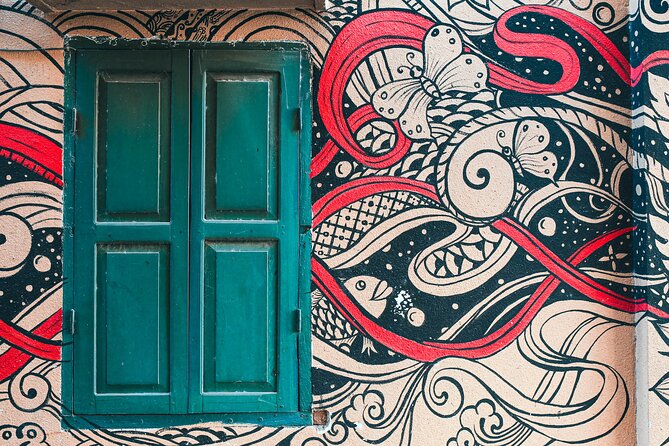
Battambang has long been associated with artists, though many were targeted during the Khmer Rouge period. On day five, a local artist introduces you to the city’s current street-art scene during a three-hour visit.
This is a good link between Cambodia’s past and present. You are not only hearing about loss. You are also seeing how artists are helping shape the city now.
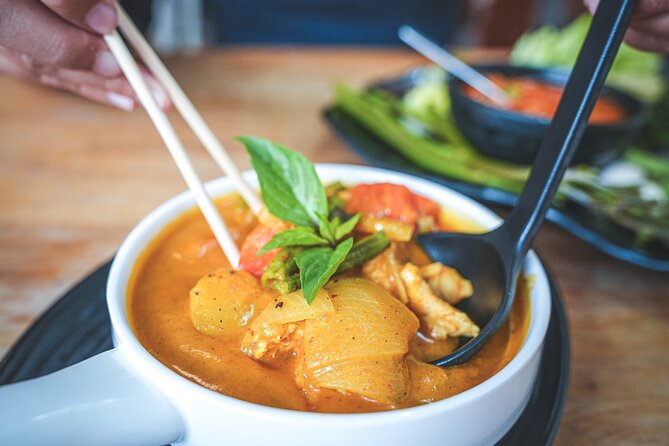
Next comes one of the most hands-on parts of the trip: a market visit followed by a cooking class. You shop for lunch at Battambang’s largest local market, then prepare four Cambodian dishes. Fish amok and a coconut milk dessert are specifically included.
I like the value of this class because you get more than a tasting. You learn through shopping, preparation, and eating. The class may also be one of the most useful parts to carry home, since the dishes and ingredients become easier to recognize after you have worked with them.
That afternoon, you travel to Siem Reap, also known as Temple Town. The program includes admission to Phare, The Cambodian Circus. Despite its name, this is presented as an arts experience connected to Cambodia’s creative life, not merely a standard circus show.
The day contains a lot: art, market shopping, cooking, a transfer, and a performance. You may feel ready for a quiet evening afterward. The upside is that Siem Reap is already part of the schedule by the end of the day, leaving the next two days for the temples.
Bayon, Ta Prohm, and lunch in the temple forest
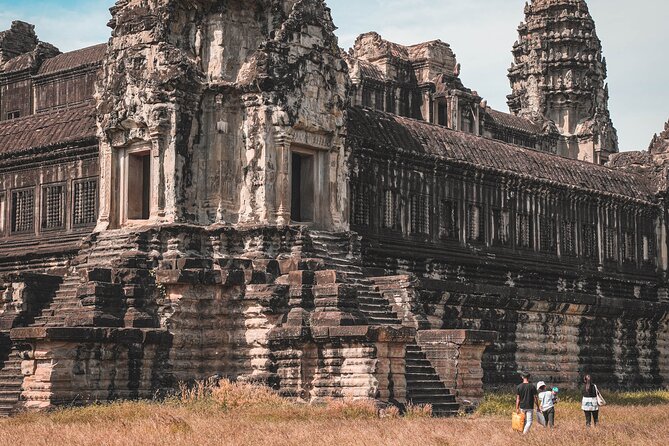
Day six introduces the Angkor area with Bayon Temple and Ta Prohm. Bayon is known for its carved stone faces, while Ta Prohm is the temple associated with tree-covered ruins and popular film locations.
The Angkor complex covers about 400 square kilometers and includes more than 72 major temples along with hundreds of smaller ruins. That scale explains why a guide matters. Without help, it would be easy to spend the day looking at stones without understanding how the sites relate to one another.
Bayon is scheduled for about an hour. Ta Prohm gets two hours, with travel along dirt roads and forest paths. The program describes a short hike and less-used routes, so wear shoes you can walk in and expect heat, dust, and uneven surfaces.
Lunch comes at a traditional home in the jungle near the ruins. You share a homemade meal, drink a fresh coconut, and learn about the family’s life. This is one of the most distinctive moments in the program because it places everyday Cambodian life beside one of the world’s most famous temple zones.
The day is listed at about 12 hours, so pacing matters. You will see major sites, but you will not have unlimited time at every ruin. The benefit is a strong first look without spending several days planning temple transport yourself.
Angkor Wat at sunrise is the final big scene
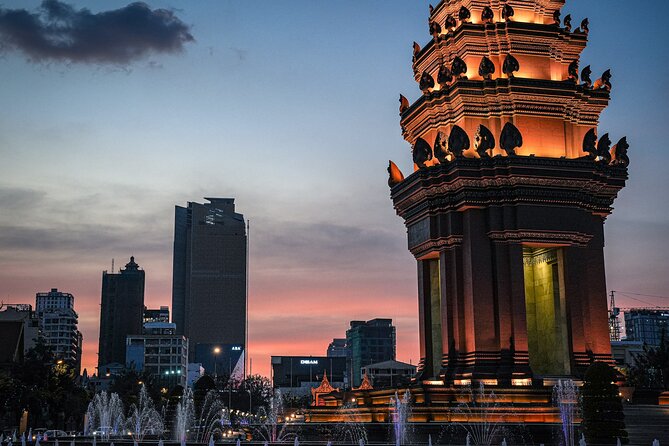
Day seven starts early at Angkor Wat. The temple’s three central towers are especially striking at sunrise, when the changing light brings the silhouette and reflection into focus.
The visit lasts about four hours. You should expect an early morning and a wait for the view to develop, but the schedule gives you enough time to take in more than a quick photograph. Angkor Wat is not just a backdrop. Its scale, galleries, and carved details reward a slower look.
After the early start, the trip ends with happy hour at an outdoor bar and a multi-course farewell dinner. It is a fitting finish to a program built around eating together. The final evening gives the small group time to look back on the road from Phnom Penh, the countryside, the difficult museum visit, and the temple days.
Airport drop-off at Siem Reap airport is included on departure day at any time. That flexibility is helpful if your flight is later, though the supplied details do not state a hotel checkout time.
What the $1,700 price covers
At $1,700 per person, this is not a budget group tour. Its value depends on how much you want handled for you.
The price includes seven breakfasts, six lunches, and seven dinners, plus entrance fees for the listed attractions. It also includes the private inter-city van, driver, mineral water, the Lost Plate trip leader, English-speaking local specialists, Phnom Penh airport pickup, and Siem Reap airport drop-off.
You are also paying for coordination. Moving between three regions, arranging restaurant visits, finding local specialists, handling temple access, and building in a cooking class and river cruise would take considerable work on your own.
The package information does not clearly list accommodation details, room categories, or whether every night’s hotel cost is included. Some trip feedback refers to comfortable accommodation, but you should confirm the exact hotels and inclusions before paying.
There is also a $35 government fee per person. The cancellation terms are strict: the experience is non-refundable and cannot be changed for any reason. The operator can offer another date or a full refund if it cancels because the minimum group size is not met.
Who will get the most from this Cambodia tour
You are a strong match if you:
- Plan trips around local food and want more than restaurant recommendations.
- Prefer a small group with a guide handling the details.
- Want Phnom Penh, Battambang, and Siem Reap in one trip.
- Care about Cambodia’s recent past as well as its temples.
- Enjoy cooking classes, markets, village roads, riverfront meals, and cultural performances.
- Can manage full days, a long road transfer, walking, and a short cave hike.
You may want a different trip if you prefer free time, luxury hotel detail, or a slower schedule with several nights in one place. This is also not ideal if you want to avoid difficult historical subjects or early mornings.
Should you book Discover the Tastes Temples and Tales of Authentic Cambodia?
Book it if you want Cambodia presented as a connected story of food, family life, art, tragedy, and temples. The strongest parts are the small group, the no-shop promise, the cooking class, the rural Battambang days, and the decision to visit Tuol Sleng before finishing at Angkor Wat.
Before booking, confirm the accommodation standard, dietary arrangements, and your ability to handle the 12-hour transfer and long temple days. If those points suit you, the $1,700 price buys more than sightseeing. It buys a tightly organized introduction to Cambodia with meals and local contact built into nearly every day.
FAQ
How long is the Cambodia tour?
The experience lasts approximately eight days, with seven full days of touring and a departure day in Siem Reap.
Where does the tour start?
The tour starts with airport pickup at Pochentong Airport in Phnom Penh.
Where does the tour end?
The tour ends in Siem Reap, with drop-off at Siem Reap airport included on departure day.
How many people are in the group?
The maximum group size is 10 travelers.
Is airport transportation included?
Yes. Pickup at Phnom Penh airport and drop-off at Siem Reap airport are included.
Are meals included?
Yes. The package includes seven breakfasts, six lunches, and seven dinners.
Is transportation between Phnom Penh, Battambang, and Siem Reap included?
Yes. The tour uses a private inter-city VIP van with a driver and mineral water.
Is the Angkor Wat entrance fee included?
Yes. Entrance fees for all activities and attractions listed in the program are included.
Is cycling required in Battambang?
No. You can explore the countryside by bicycle or use a tuk-tuk instead.
Does the tour include a visit to Tuol Sleng Genocide Museum?
Yes. The visit takes about two hours and is included in the Phnom Penh program.
Is the tour refundable if I cancel?
No. The experience is non-refundable and cannot be changed for any reason. If the operator cancels because the minimum number of participants is not reached, you will be offered another date or experience, or a full refund.
Just added around Phnom Penh
- Exploring the Best of Phnom Penh: A Full Day Tour★ 4.5 · 9 reviews
- Private Transfer : Phnom Penh ↔ Sihanouk Ville★ 5.0 · 15 reviews
- War Museum, Killing Field, and APOPO Hero RATs Tour★ 5.0 · 7 reviews
- Phnom Penh Intercity★ 4.5 · 11 reviews
- Phnom Penh Nightlife Street Food Tours★ 4.5 · 14 reviews
- War Museum, Killing Field and Floating Village ( Kampong Phluk)★ 4.5 · 6 reviews
- War Museum, Killing Field and Floating village ( Chong Kneas) Tour★ 5.0 · 14 reviews
- The killing field and Toul Sleng Genocide museum (S21) Tour★ 4.5 · 19 reviews
Food Tours, compared.
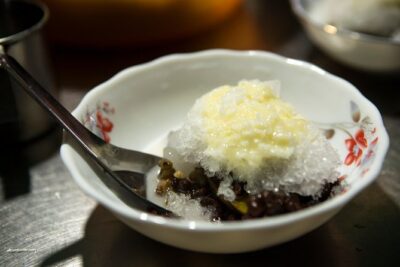
Ultimate Phnom Penh Food Tour by Tuk Tuk: 20 Tastings and Drinks
Read our review →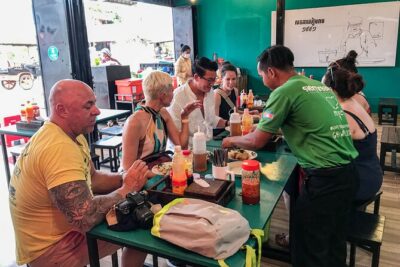
Siem Reap Evening Food Tour – Inclusive 5 stops Local Tastings
Read our review →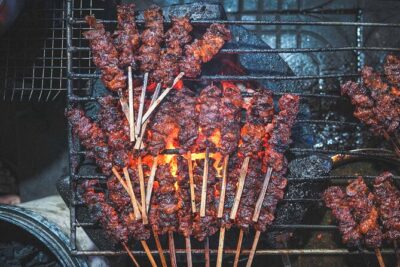
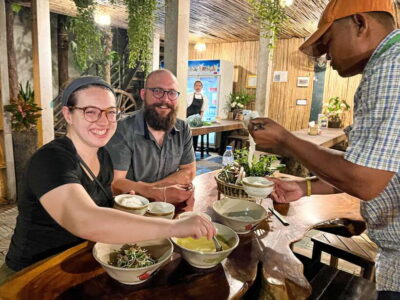
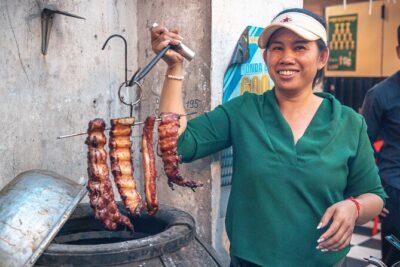
Phnom Penh’s Culinary Underground: Local Food Tour by Tuk-tuk
Read our review →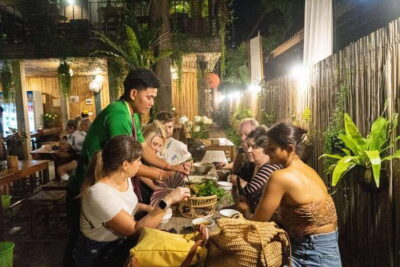
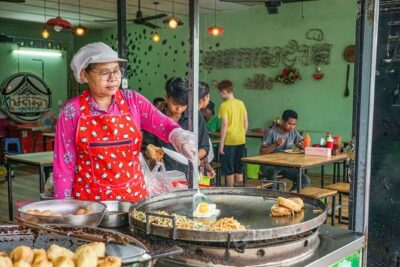
Siem Reap Evening Foodie Vespa Tour / Tuk Tuk Available
Read our review →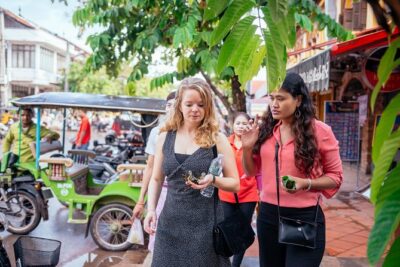
The 10 Tastings of Siem Reap With Locals: Private Street Food Tour
Read our review →Browse the lists this tour appears in