Reviewed · TOURS
Back to Basics: Village Life Tour from Siem Reap
The most valuable part of this tour is the chance to see ordinary village life up close, guided by someone who grew up in the community. You may watch baskets and hats being made, learn how rice wine is produced, see wells and water pumps, and share a simple meal beside the water. I like the school visit and the local guide’s personal connection. I also like the mix of food, craft, markets, music, and serious discussion about clean water and employment.
The main consideration is pace. This is not a polished sightseeing circuit with grand monuments at every stop. Some moments may feel informal, and rural living conditions can be confronting. If you want a comfortable half-day that shows how people live outside Siem Reap’s tourist center, this is a strong choice. If you prefer temples and major sights, spend your time at Angkor instead.
Key points to know before you go
- A local guide leads the visit: Guides such as Hong and Billy have taken visitors through communities they know well.
- The school visit is a central moment: You may meet teachers and children, sing with students, and bring approved supplies or treats.
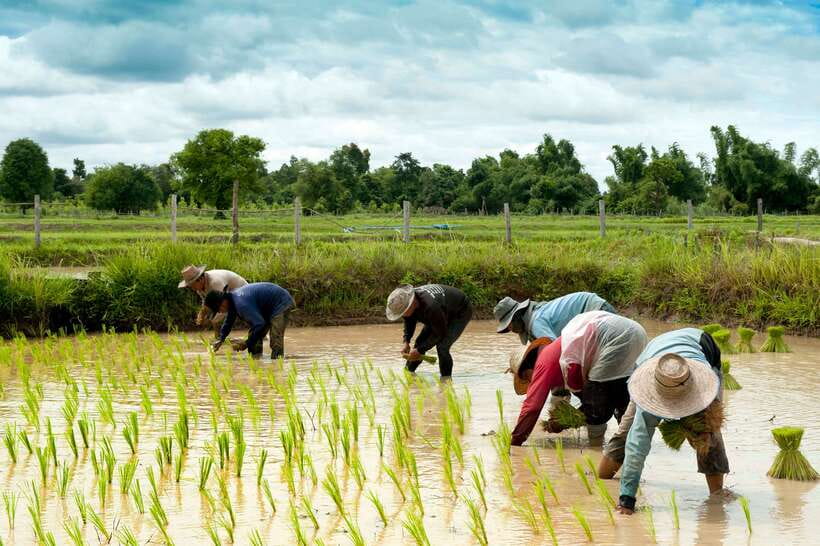
- Expect working village life: Hat and basket making, silk production, rice wine, wells, firewood, food preparation, and palm-leaf construction all feature in the day.
- Lunch is part of the setting: Expect Cambodian food such as chicken and rice, eaten on a mat near the water, with a hammock nearby.
- The tour raises real local issues: Clean water, employment, sustainable development, and the pressure of modernization are part of the conversation.
- The price includes the basics: At $68 per person, you get transport, an English-speaking guide, lunch, drinks, and cold towels.
Why this village tour feels different from Siem Reap sightseeing
Siem Reap is best known for Angkor Wat, but life in the province extends well beyond temple walls and hotel streets. This four-hour outing takes you into rural communities where many daily tasks still depend on handwork, shared labor, and local materials.
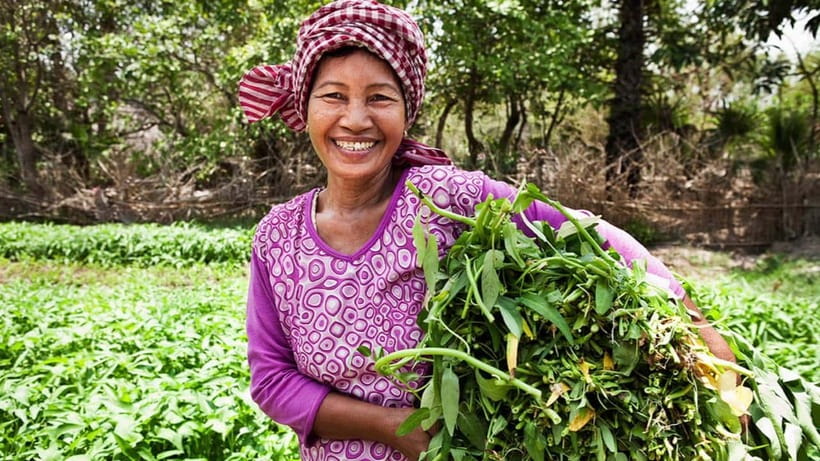
You may see people weaving, making baskets, gathering firewood, pumping water, digging wells, preparing food over coals, and producing rice wine. These are not staged historical demonstrations. They are examples of work that still matters in village life.
That distinction is important. You are not simply looking at an old Cambodian custom preserved for photographs. You are seeing people manage modern pressures while keeping older methods in use. The guide can help explain how clean water, work opportunities, schooling, and sustainable development affect families far from the main tourist zone.
I especially like the personal angle. A guide who grew up in the area can explain what a house, tool, market, or temple means in daily life. Guides named Hong and Billy have led this experience, though the guide assigned to you may differ. The useful thing is not the name alone, but the guide’s connection to the place.
A few more Siem Reap half-days worth weighing up
- Angkor Wat Sunrise or Sunset Tour with Guide from Siem Reap
★ 5.0 · 12,109 reviews - Siem Reap: Angkor Wat: Small-Group Sunrise or Sunset Tour
★ 5.0 · 9,444 reviews - From Siem Reap: Kampong Phluk Floating Village Tour by Boat
★ 4.9 · 6,979 reviews
The ride from Siem Reap sets the tone
Pickup is included from your hotel or guest house. Transport may be by tuk-tuk, car, or minivan, depending on the group and arrangements.
The tuk-tuk is the most memorable option. One booking described the ride as a long, enjoyable part of the day, and that makes sense: traveling this way gives you more contact with the road and surrounding countryside than sitting behind closed windows. A car or minivan is likely more comfortable if the weather is hot or if you prefer protection from dust and sun.
The transport is air-conditioned when you travel by car or minivan. Cold towels, lunch, and drinks are included, which is useful in Cambodia’s heat. Still, bring water if you need to drink often, and wear light clothing and practical shoes. Village paths, wells, markets, and temple grounds are not all designed for smooth walking.
The total activity lasts four hours. That gives you enough time for several stops without committing an entire day away from Siem Reap. It also means the visit is selective. You will get a focused look at village life, not an exhaustive survey of the whole province.
Meeting families who still make things by hand
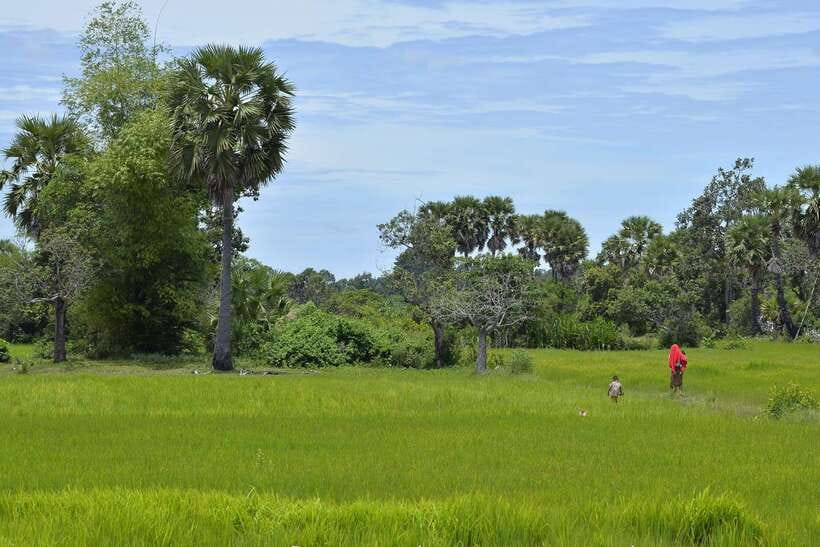
The village walk is the heart of the experience. Rather than rushing from one photo stop to the next, you move through places where people are working and living.
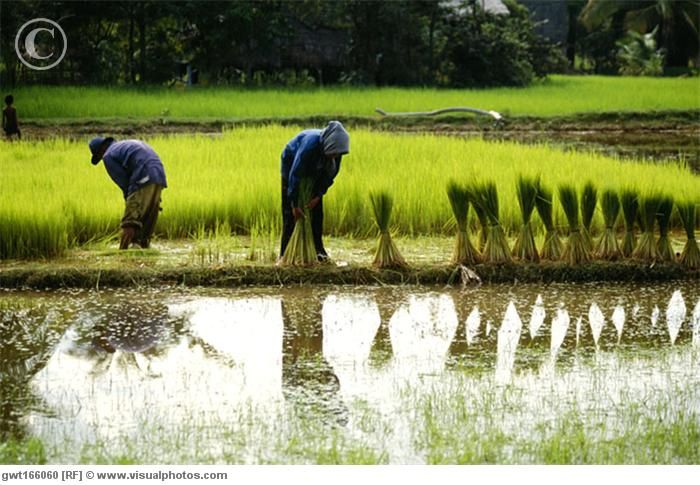
You may see families making baskets and hats from local materials. These objects are useful, not just decorative. The work shows how practical skills can support household income while also preserving local design and technique.
Silk production may also be explained, from the silkworm through the making of cloth and clothing. This is a valuable stop because it connects a finished garment with the long chain of work behind it. You may not think twice about a piece of fabric in a shop, but seeing how it begins gives you a clearer sense of the labor involved.
Food preparation is another part of the visit. You might see villagers cooking over coals, making rice wine, buying fruit or pastries, or visiting a fresh fish market. These stops add texture to the day because they show what people eat, sell, and prepare, rather than presenting village life as a museum display.
You may also learn how small homes are built with palm leaves and other local materials. This is a useful reminder that housing is tied to available resources, climate, money, and skill. Ask questions, but do so politely. A village is someone’s home and workplace, not a film set.
Local markets bring the experience down to earth

The market portion gives you a practical look at rural trade. You may see fruit, pastries, fresh fish, and other everyday goods. If you enjoy food-focused outings, this may be one of the most appealing parts of the tour.
Market visits can be sensory and informal. Khmer music may be part of the day, and you may have the chance to sample or buy local food. The supplied details specifically mention palm juice, which offers a simple taste of a local product and a chance to learn how it is gathered or used.
The trade-off is that markets can be busy, untidy, and less comfortable than a restaurant. That is part of their value, but it is also why you should keep an open mind. You are seeing food in its working setting, with real vendors and ordinary shopping, rather than a carefully arranged tasting menu.
Same base, a completely different kind of day:
- Sunset tour of Kampong Phluk stilts home village on the Tonle Sap
★ 5.0 · 4,865 reviews - Siem Reap: Angkor Wat 2-Day Tour with Sunrise and Sunset
★ 4.9 · 4,429 reviews - Siem Reap: Kampong Phluk Floating Village Tour with Boat
★ 4.9 · 3,843 reviews - Siem Reap: Full-Day Angkor Wat Guided Tour with Sunset
★ 4.9 · 3,803 reviews
The school visit requires sensitivity
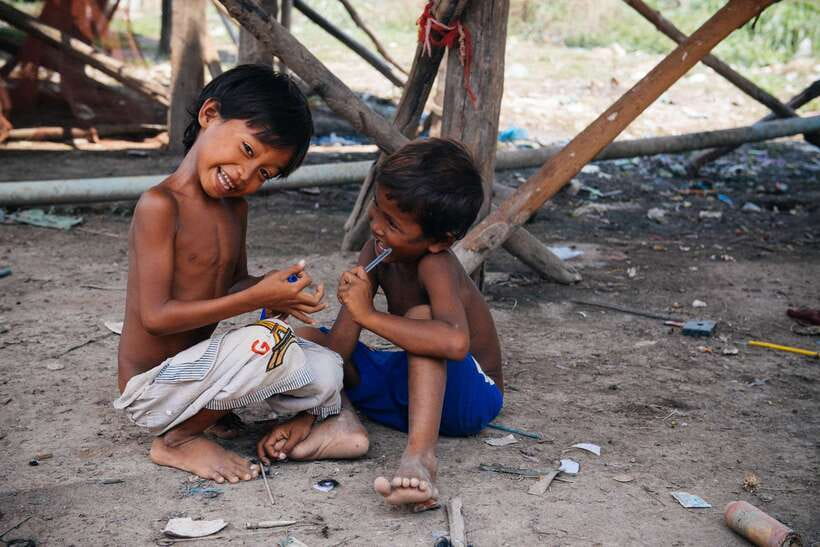
The school stop gives the tour a stronger social purpose. You may meet teachers and students, speak with them, and see a little of the local education system.
Some visitors have brought notebooks, pencils, school supplies, or small treats, and children may sing with the group. If you want to bring something, confirm with the operator what is appropriate before arriving. A school visit should support the community rather than turn children into a photo opportunity.
This is also a good place to listen. The tour connects education with larger questions about employment, clean water, and development. A school may look like one small building in a countryside community, but it represents the possibility of wider choices for children growing up there.
You should ask before taking photographs of students or teachers. Even when people are welcoming, basic courtesy matters. Put the camera away for part of the visit and make room for a real exchange.
A temple, a pergola, and a quieter view
The village Buddhist temple, described as the town’s local pergola, offers a pause from household work and market activity. This is not presented as a rival to Angkor’s famous temples. Its appeal is more personal and local.
A small community temple can show how religion fits into everyday life. It is a place used by people who live nearby, not only a monument visited for its age or architecture. Dress respectfully, keep your voice low, and follow your guide’s instructions about where to walk.
Lunch is served near a large body of water, with food eaten on a mat and a hammock available nearby. The meal may include chicken and rice with pepper and tamarind sauces. This sounds simple, but the setting is part of the pleasure. You can eat outdoors, rest in the hammock, and watch local families using the waterside area.
Do not expect a refined dining room or a long restaurant service. The appeal is the setting and the local meal. If you need strict dietary arrangements, ask before booking, since the supplied information does not give a detailed menu or allergy policy.
The serious side: water, work, and change

The title suggests a return to basics, but the tour is not simply nostalgic. It also asks what happens when rural communities face modern pressures.
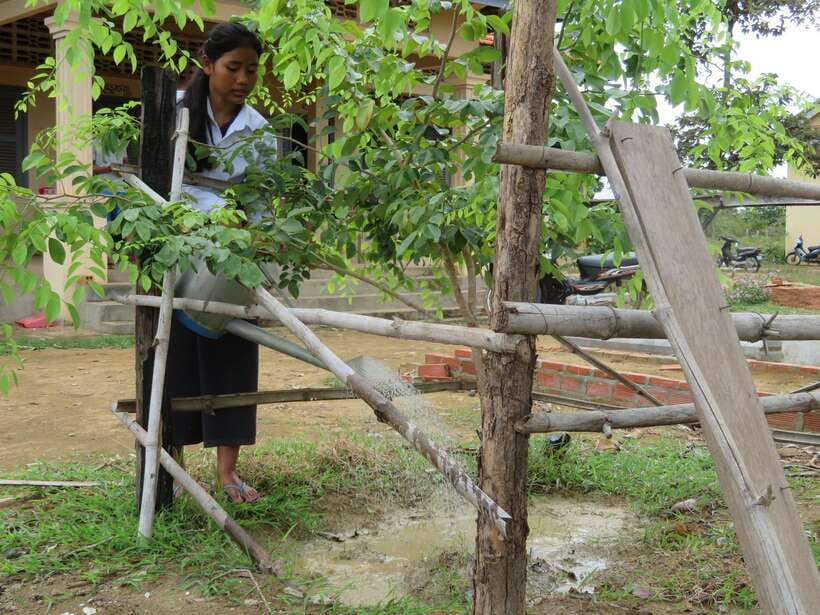
Clean water is a key subject. Pumping water and digging wells may look like simple tasks, yet reliable water affects health, cooking, farming, and the amount of time families spend on daily chores. Seeing these systems in use makes the issue more concrete than hearing a general speech about development.
Employment is another concern. Handicrafts, food production, markets, and small-scale local work can help families earn money, but these activities face pressure from changing markets and modernization. The guide can connect what you see with the choices available to residents.
Sustainable development matters here because outside help can create problems if it ignores local needs. The best part of this tour is that it lets you hear about these concerns while seeing the setting where they play out. You are not only looking at a pretty countryside scene. You are learning how basic services and economic change affect real households.
Is $68 good value for four hours?
At $68 per person, this is not the cheapest way to spend a half-day in Siem Reap. You could visit a market or explore parts of town for far less. The value comes from the access, transport, local guide, lunch, and number of connected experiences packed into four hours.
You are paying for a guide who can introduce you to families and explain local work. You also get pickup, air-conditioned transport when using a car or minivan, food, drinks, and cold towels. For a private or very small group, the price becomes more appealing because the experience can feel more personal. One booking described a group of only four people from the same family.
The price is also easier to justify if you want more than sightseeing. The school, water, employment, and sustainable development discussions give the tour purpose. You are supporting an experience built around local contact, though the supplied information does not state exactly how money is shared with the community.
Children aged 12 or under pay half price, and children aged 5 or under go free. That can make the tour more practical for families, although parents should decide if younger children will handle the walking, heat, market conditions, and school visit comfortably.
Who should book this experience?
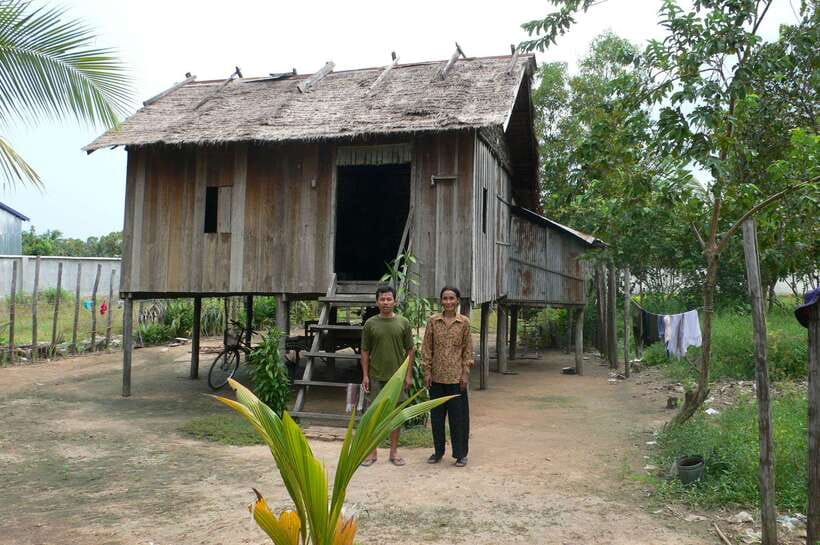
I would choose this tour if you want to understand Cambodia beyond Angkor and hotel districts. It suits people who enjoy food, craft, local markets, short walks, and conversation more than polished entertainment.
It is also a good fit for families with older children. The school visit, basket making, food preparation, and tuk-tuk ride give children concrete things to see. Parents should prepare them to behave respectfully around students and local families.
This outing may not suit you if you want a major temple, a wildlife encounter, or a full-day trip into the countryside. It is also not ideal if you dislike informal conditions or feel uncomfortable seeing poverty and limited services. The tour presents rural life warmly, but it does not hide the fact that some communities face real challenges.
Wheelchair access is listed, which is useful, but the information does not explain the condition of every village path, market area, or temple entrance. If you use a wheelchair, confirm the exact route and vehicle before booking.
Booking details that matter
You can cancel up to 24 hours before the activity for a full refund. You can also reserve now and pay later, which helps if your Siem Reap schedule may change.
Starting times depend on availability. Pickup is included from hotels and guest houses, and the operating language is English. Since transport can be a tuk-tuk, car, or minivan, ask what vehicle is planned if that matters to you.
The four-hour length makes this easy to pair with other Siem Reap plans. Avoid scheduling it too tightly against another paid activity, though. Rural pickup and village visits work better when you leave yourself breathing room.
Should you book the Village Life Tour?
Book it if you want a personal look at Cambodian village life, not another checklist of monuments. The strongest reasons are the guide’s local background, the school visit, the practical craft demonstrations, the market stops, and the waterside lunch.
The day is especially worthwhile after you have seen Angkor and want to understand the people and communities living around Siem Reap. Go with patience, dress respectfully, and treat the village as a home rather than a backdrop. At $68, it is best value for curious visitors who want context, local contact, and a small-group feel.
FAQ
How long is the Village Life Tour from Siem Reap?
The tour lasts four hours.
What is included in the price?
The $68 price includes an English-speaking guide, air-conditioned transport, lunch, drinks, and cold towels.
Is hotel pickup included?
Yes. Pickup is provided from hotels and guest houses by tuk-tuk, car, or minivan.
What will I see during the village visit?
You may see basket and hat making, silk production, rice wine preparation, wells, water pumps, food preparation, local markets, palm-leaf construction, a school, and a Buddhist temple.
Can children join the tour?
Yes. Children aged 12 or under pay half price, and children aged 5 or under go free.
Can I cancel the booking?
Yes. You can cancel up to 24 hours in advance for a full refund. You can also reserve now and pay later.
Just added around Siem Reap
- Twilight Tastes of Siem Reap Include Dinner★ 5.0 · 13 reviews
- Ultimate Sunrise to Angkor Wat, Angkor Thom and Bayon Temple★ 5.0 · 3 reviews
- Trekking Tour at Phnom Kulen National Park from Siem Reap★ 5.0 · 3 reviews
- Professional Photo Shoot in Angkor Archaeological Park, Siem Reap★ 5.0 · 42 reviews
- Full-Day Private Tour of Angkor Wat with Pick Up★ 5.0 · 12 reviews
- Unveiling 2 Days Private Angkor Wat/Beyond In Sunrise/Sunset Tour★ 5.0 · 48 reviews
- Siem Reap City Tour with War Museum and Killing Field★ 5.0 · 27 reviews
- Private Day Trip to Angkor Temples with Expert Guide★ 5.0 · 4 reviews
Tours, compared.

Angkor Wat Sunrise or Sunset Tour with Guide from Siem Reap
Read our review →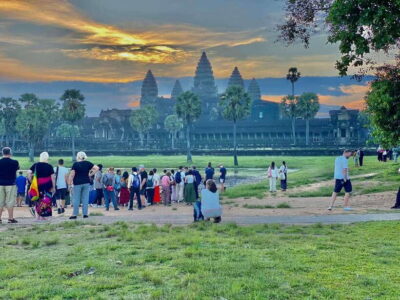
Angkor Wat: Small-Group Sunrise or Sunset Tour
Read our review →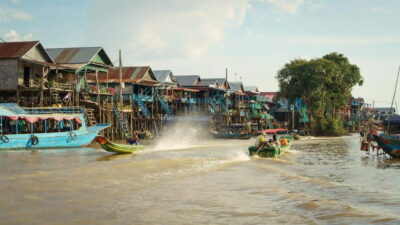
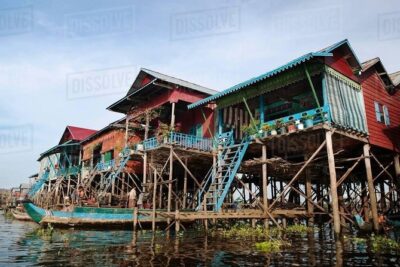
Sunset tour of Kampong Phluk stilts home village on the Tonle Sap
Read our review →
Angkor Wat Highlights and Sunrise Guided Tour from Siem Reap
Read our review →
Angkor Wat Sunrise and Full-Day Sightseeing Tour
Read our review →