
Reviewed · TEMPLE TOURS
Siem Reap: Angkor Sunrise 1- or 2-Day Guided Temples Tour
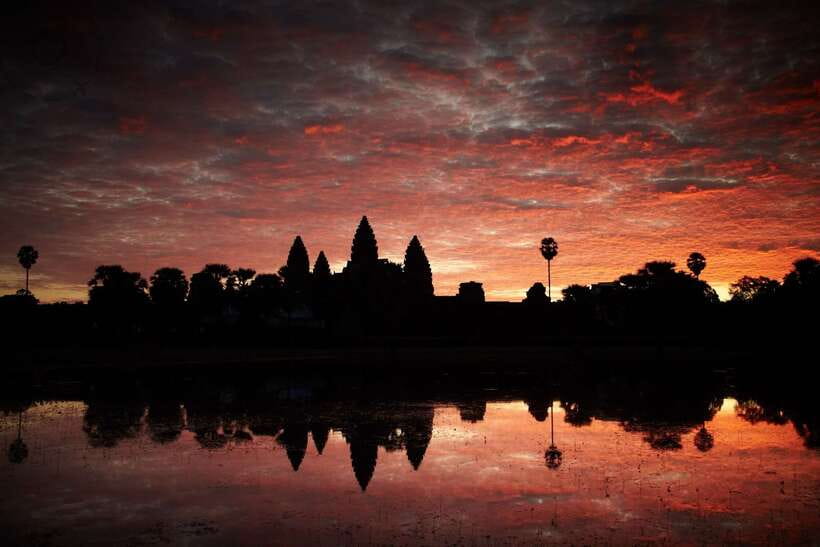
Angkor Wat at sunrise is the headline, but the real strength of this tour is the range of places packed around it. You see the grand ceremonial temples, smaller carvings far from the main crowds, and the tree-wrapped ruins that make Angkor feel like a lost city reclaimed by the jungle. Banteay Srei and Ta Prohm provide two very different highlights.
I like the small-group format, limited to 15 people, and the steady care from the guide and driver. Guides such as Sak, Pal Saruon, Sokpee, Pi, and Saruon Pal are often praised for clear storytelling, local insight, and helping with photos. I also like the practical touches: air-conditioning, cold water, and cool towels after temple walks. The catch is the pace. The two-day plan begins before dawn, includes plenty of rough walking and stairs, and leaves little room for a lazy holiday rhythm.
Key points to know before booking
- Sunrise begins before 4:30 AM: You leave your hotel around 4:20 to 4:35 AM for Angkor Wat.
- The two-day route gives you variety: Angkor Wat, Bayon, Ta Prohm, Banteay Srei, Preah Khan, Neak Pean, and Pre Rup all feel different.
- Banteay Srei is the detailed-carving favorite: This smaller sandstone temple is known for especially fine relief work.
- Cold water and towels matter: The driver supplies bottled water and refreshing towels after temple visits.
- The $19 price excludes the temple pass: You must budget another $62 per person for the two to three-day pass covering the temples.
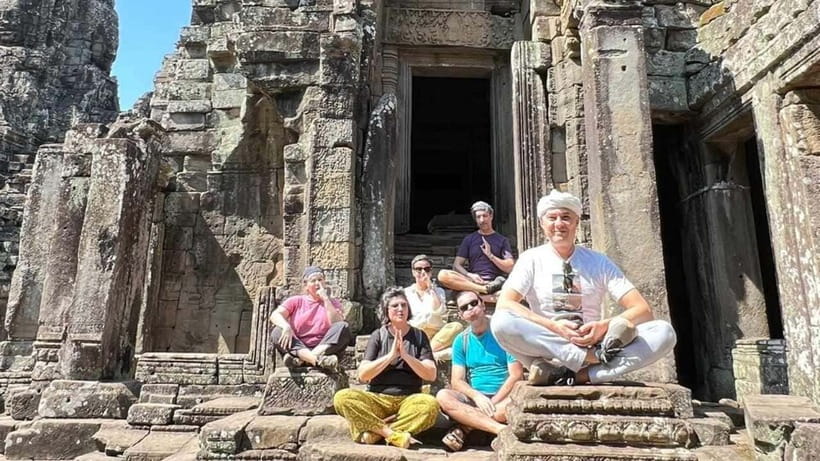
- You need stamina and proper clothing: Expect long walks, uneven ground, steps, heat, and covered knees and shoulders.
Why the two-day plan works so well
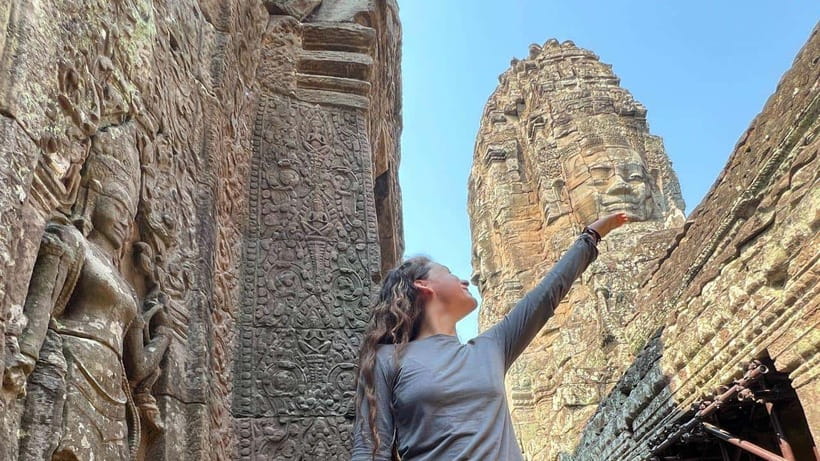
Angkor is not one temple. It is a huge archaeological area filled with religious monuments built during the height of the Khmer Empire, with temples on very different scales and in very different settings. Seeing only Angkor Wat gives you the famous postcard, but not the full story.
The two-day arrangement handles this well. Day one moves out toward Banteay Srei and the Grand Circuit, where the setting is quieter and the architecture changes. Day two begins with the classic Angkor Wat sunrise, then covers Angkor Thom, Bayon, and Ta Prohm. You get the grand, the intricate, the ruined, and the atmospheric.
A local guide makes a real difference here. The carvings are not always easy to read, and it is easy to confuse one king, deity, or building program with another. Guides including Sak, Sokpee, Pi, and Pal Saruon are praised for explaining Hindu and Buddhist themes, Khmer history, Cambodian daily life, and the meaning behind the reliefs. They also tend to leave you some time to look around independently rather than talking without pause.
The group size is capped at 15, though some departures may be smaller. That is useful at narrow temple passages and during photo stops. It also makes it easier to hear the guide and stay together when the route gets complicated.
More early starts around Siem Reap:
- Angkor Wat Sunrise or Sunset Tour with Guide from Siem Reap
★ 5.0 · 12,109 reviews - Siem Reap: Angkor Wat: Small-Group Sunrise or Sunset Tour
★ 5.0 · 9,444 reviews - Siem Reap: Angkor Wat 2-Day Tour with Sunrise and Sunset
★ 4.9 · 4,429 reviews
Day one: Pre Rup and the road to Banteay Srei
Pickup is listed around 7:40 to 8:10 AM, with the exact time sent the day before. The first day is a full outing, not a quick morning circuit. Depending on the timing of the group and sunset plans, you may return around 6:00 to 7:30 PM.
Pre Rup is the opening temple. Built in 961 or 962, this Hindu monument uses laterite and sandstone and has a more solid, structured appearance than some of the later ruins. It is a useful first stop because your guide can introduce the building materials, religious purpose, and changing styles before you reach the more intricate sites.
You will climb steps and walk across uneven surfaces, so good shoes are not optional decoration. The early part of the day is also the best time to settle into the heat before the more demanding stops later.
Banteay Srei: small scale, exceptional carving
Banteay Srei is one of the main reasons to choose the two-day program. It is smaller than Angkor Wat and Angkor Thom, but its sandstone carvings are remarkably fine. The reliefs are packed with detail, and the smaller scale lets you look closely at faces, figures, and decorative patterns.
This is where a guide earns their place. Without explanation, you can admire the carving but miss the stories and religious references. With a good guide, the walls become easier to read. You may also appreciate why Banteay Srei is often described as one of Cambodia’s most skilfully decorated temples.
The drive out here adds time to the day, but that is part of the value. You are not simply repeating the same central temple style. Banteay Srei provides a change of mood and architecture, and it is a good counterweight to the huge formal spaces at Angkor Wat.
Neak Pean and Preah Khan on the Grand Circuit
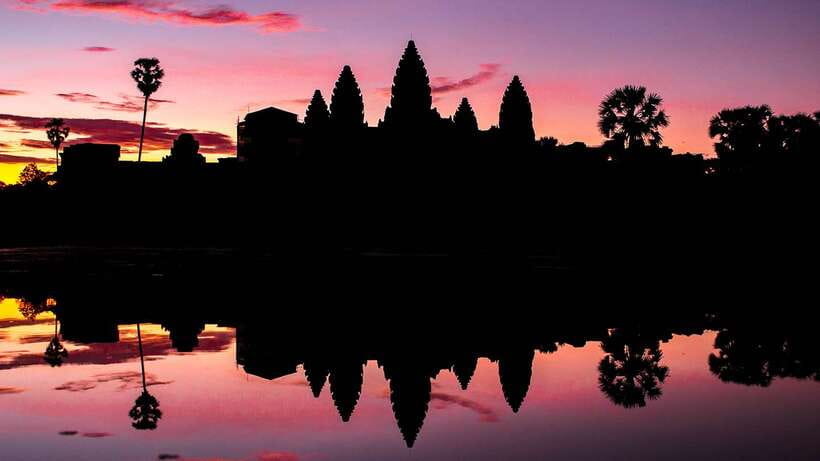
On the return journey, the route continues to Neak Pean. This Buddhist temple sits on a circular artificial island within Jayatataka Baray. The water setting gives it a different feel from the dry stone courtyards and towers elsewhere in the complex.
Neak Pean is more about setting and design than sheer size. It also gives you a break from the scale of the major monuments. You may find the approach interesting because the temple is reached across a raised walkway, with water and open space around it.
Preah Khan follows, and it is one of the most atmospheric stops on the trip. Built by Jayavarman VII in honor of his father, it combines ruined halls, stone corridors, and tree roots in a way that feels less polished than Angkor Wat. Parts are under restoration by the World Monuments Fund, while other areas remain wonderfully weathered.
I like Preah Khan because it offers a stronger sense of exploration. You move through a site where the structure is still readable, but the decay and vegetation are part of the experience. The drawback is that the ground can be rough, and some passages may require care.
More Temple Tours in Siem Reap:
- Angkor Wat Sunrise & 3 Main Temples with Breakfast – Small Group
★ 5.0 · 2,857 reviews - Siem Reap: Full Day Angkor Wat Temple Experience with Sunset
★ 4.9 · 1,490 reviews - 2 Days Exclusive Temple Highlights with Sunset and Sunrise Tour
★ 5.0 · 1,157 reviews - Full-Day Banteay Srei & 4 Temples – Grand Tours Join-in Tour
★ 5.0 · 1,155 reviews
Sunset after a long day
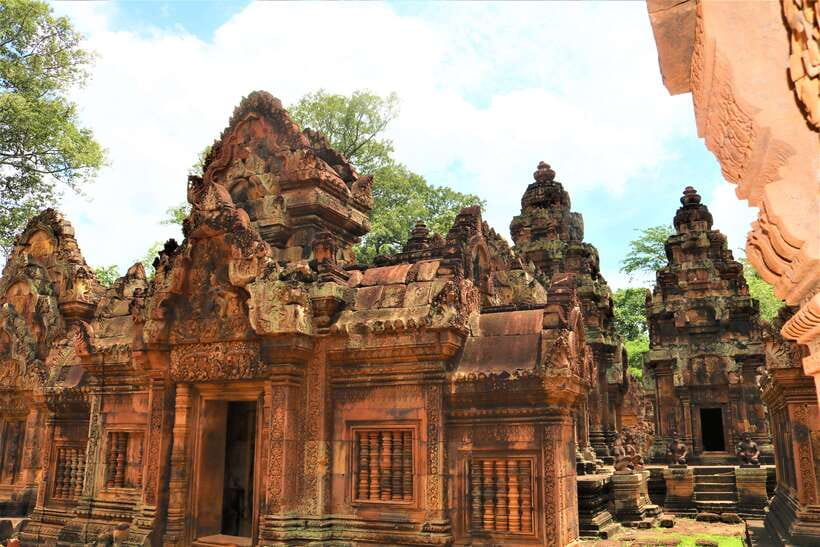
The first day ends with a sunset stop before the return to Siem Reap. The exact timing can vary, and the day may run late. Treat sunset as a bonus rather than a promise of perfect color. Clouds and rain can change the view, though they can also produce a more dramatic sky.
One useful point from the schedule is that day one is long. The official details give different estimated return windows, while actual departures can finish around the early evening or later depending on the route and sunset. Keep dinner plans flexible and bring patience.
Day two: Angkor Wat before dawn
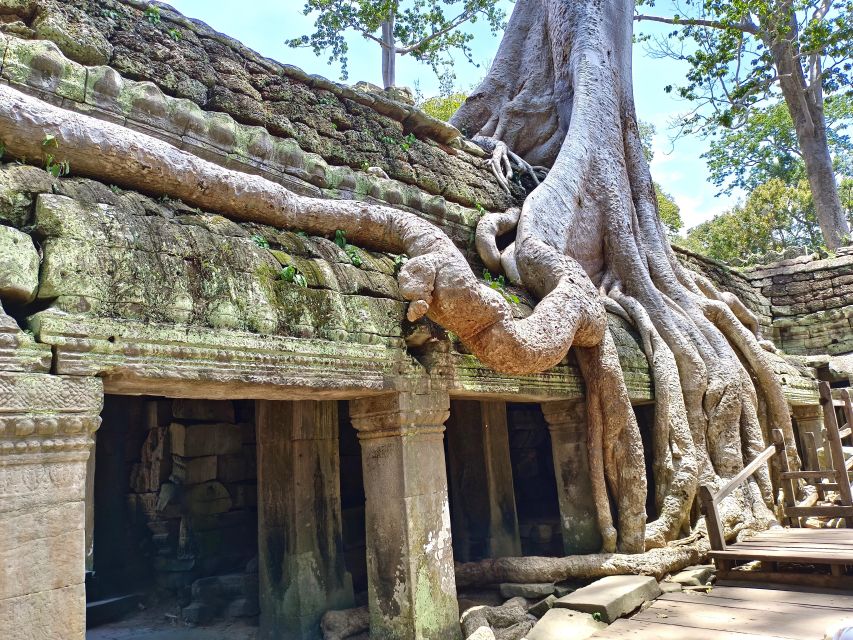
The second day starts around 4:20 to 4:35 AM. This is not a gentle morning start. You need to be ready at the hotel before dawn, with comfortable shoes, a camera, and something warm enough for the early wait if you are sensitive to cooler pre-sunrise air.
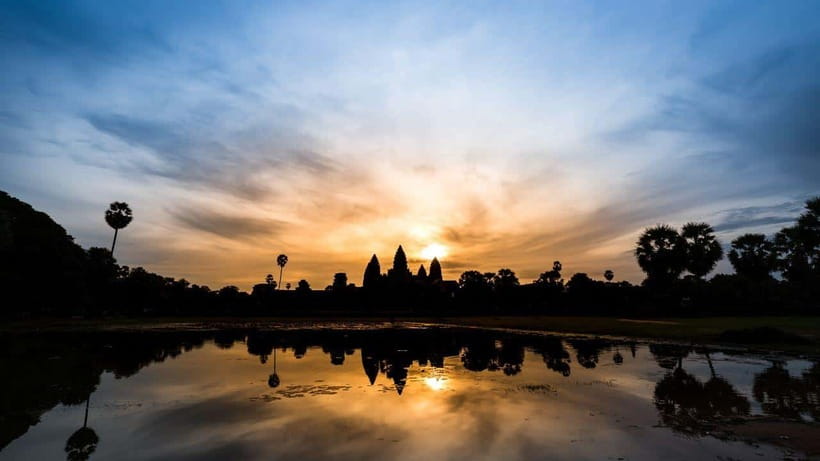
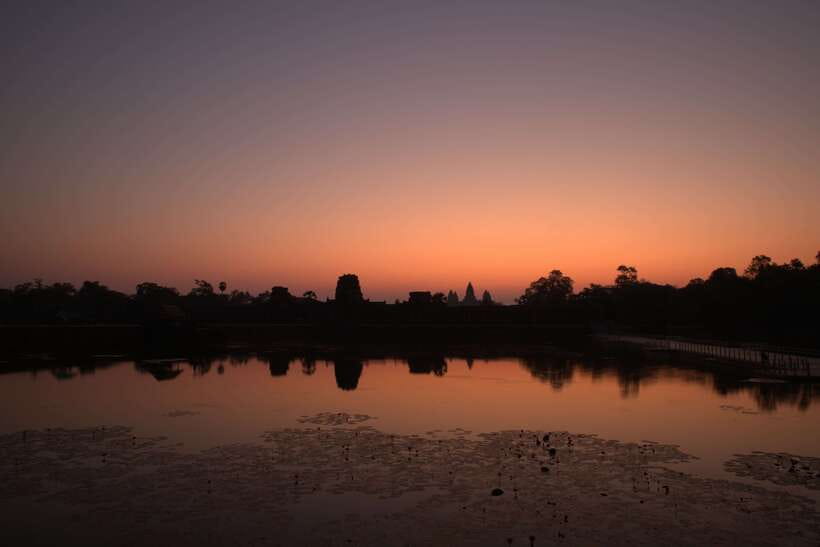
The goal is to reach Angkor Wat in time for sunrise. Your guide may suggest a less crowded viewing position rather than sending you straight into the largest cluster around the moat. One useful approach described by visitors is watching from a seated position along the outer wall, which can give you a calmer wait and still allow strong reflection photographs.
Sunrise is never guaranteed to be clear. Clouds can soften or block the sun, and the experience depends on the morning conditions. Even so, arriving early matters because it gives you time to claim a good position and watch the temple gradually appear in the changing light.
After sunrise, you enter Angkor Wat itself. The tour allows about two hours to see the corridors, central chambers, upper terraces, and carved reliefs. This is enough time for a structured introduction, though not enough to inspect every detail at a slow museum pace.
The guide’s narration is especially useful inside Angkor Wat. The bas-reliefs are extensive, and it is easy to walk past scenes without understanding what they depict. You will hear about the Khmer Empire, Hindu and Buddhist ideas, royal power, and the stories shown in stone.
Angkor Wat is also physically demanding. The upper levels include steps, and the complex involves a lot of walking across open courtyards. Cover your knees and shoulders, and wear shoes that grip well.
Breakfast is taken near the temple and is not included. Meals are also not included on either day, but food can be purchased at local restaurants near the sites. Carry some cash in addition to the bottled water supplied by the tour.
Angkor Thom and Bayon’s stone faces
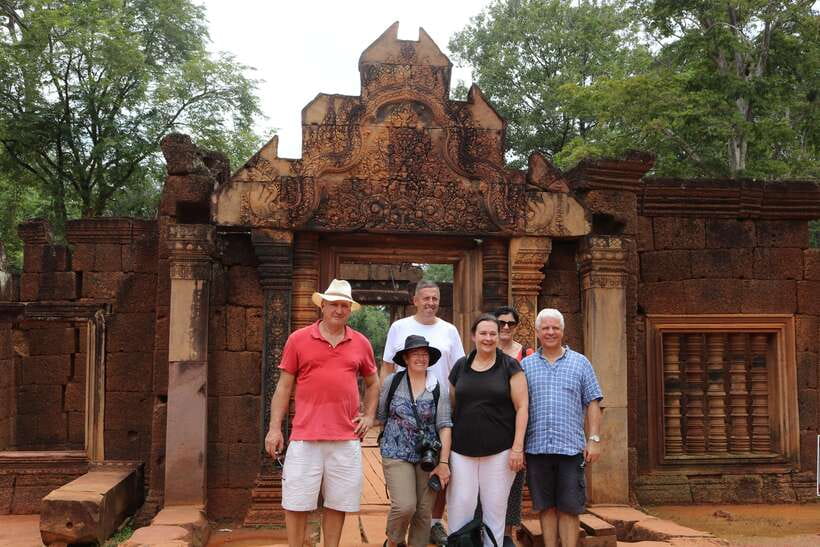
The next major section is Angkor Thom, entered through the Southern Gate. The gate is flanked by 54 stone figures on each side, gods on one side and demons on the other. The arrangement gives you a clear visual introduction to the religious ideas built into the city’s design.
Angkor Thom was a fortified city, not simply a single temple. Your guide helps connect the gate, walls, central monuments, terraces, and royal spaces into one plan. This is one of the places where a narrated visit is far more useful than wandering alone.
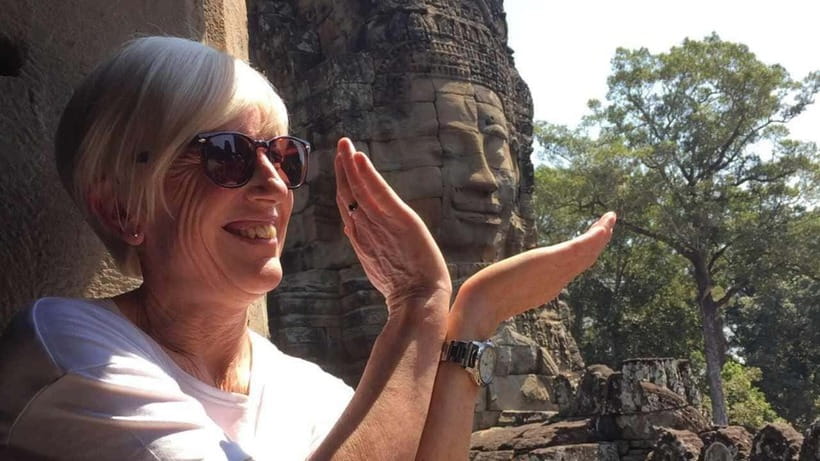
Bayon is the center of the city and one of the most memorable temples in Cambodia. Its towers carry enormous carved faces, with more than 200 faces described across the monument. The effect changes as you move through the passageways. Faces appear around corners, above galleries, and between towers.
After Bayon, the route includes the Terrace of the Leper King and the Terrace of Elephants. These are not throwaway stops. The terraces help you understand how Angkor Thom functioned as a royal center, while the carved details reward a slower look.
The morning can feel full by this point. You have been awake since the middle of the night and have already walked through Angkor Wat and Bayon. The air-conditioned vehicle becomes an important part of the day, giving you a place to cool down between sites.
Ta Prohm and the jungle setting
Ta Prohm is the final major temple on day two and one of the most visually striking. It was once home to almost 3,000 monks, but today it is best known for its trees, roots, fallen stones, and narrow atmospheric passages.
The site is not simply a jungle backdrop for photographs. It shows what happens when a huge stone complex is left exposed to time, weather, and plant growth. The combination of carved doorways and tree roots gives Ta Prohm a mood that Angkor Wat does not have.
You will likely see some of the most popular photo locations here, but the temple has enough ruined corners to keep the visit interesting. Your guide can point out details and help you find photo angles. Many of the guides are also happy to take pictures, which is especially useful if you are travelling alone.
The second day returns to your hotel around 12:30 to 1:30 PM. That early finish is welcome after the pre-dawn start, though the morning itself is packed. Do not plan a demanding afternoon activity unless you know you handle heat and early mornings well.
Transport, group size, and the small comforts
The tour uses an air-conditioned vehicle, with hotel pickup and drop-off included. Drivers such as Naro, Vichet, Ro, Mao, Seyha, and Keal receive repeated praise for safe driving and helpful service. Names vary by departure, so you cannot assume you will have a particular driver or guide.
Cold bottled water is supplied throughout the day. The cool towels are more than a nice extra in Cambodia’s heat. After walking across exposed stone and climbing steps, a cold or scented towel can make the ride between temples far more comfortable.
The small group limit of 15 helps keep the day moving. It also means you are not part of a huge crowd following a flag through every corridor. Still, this is a shared tour, so you will follow a set route and group schedule. If you want to linger at one temple for hours or change the order completely, a private guide would suit you better.
What the $19 price really covers
At $19 per person, this is a low-cost way to arrange transport, hotel pickup, an English-speaking guide, and a planned route across a very large temple area. The price is particularly strong if you would otherwise need to organize several separate rides and find your way between distant sites.
The important extra cost is the temple pass. A two to three-day pass costs $62 per person and is not included. The pass can be purchased online, with purchase details sent one day before the tour starts. Meals are also extra, including breakfast near Angkor Wat and food stops on day one.
Once the pass and meals are added, the full cost is much higher than the headline price. Even so, the tour can remain good value if you want a guide who explains the monuments, a driver who handles the long distances, and a vehicle waiting while you walk in the heat.
The activity allows free cancellation up to 24 hours before the start for a full refund. General last-minute date changes can be made up to seven hours before departure without an added charge. Reconfirm with the operator if you arrive outside the stated reconfirmation period.
Who should choose this Angkor tour
I would choose the two-day option if Angkor is a main reason for your stay in Siem Reap. It gives you the famous sights plus Banteay Srei, Preah Khan, Neak Pean, and Pre Rup. You also get both sunrise and sunset, though weather can affect either view.
This works best for adults and children aged eight or older who can walk for several hours, manage steps, and cope with an early start. It is not suitable for wheelchair users, and it is a poor match if you dislike structured schedules or hot outdoor sightseeing.
For a short stay, the tour is efficient. You can see many major monuments without spending time negotiating transport or working out the temple order yourself. If you have several days in Siem Reap and prefer slow photography, quiet pauses, or independent exploration, consider using the tour for one day and keeping another day open.
Wear comfortable shoes, sunglasses, a sun hat, and sun protection. Bring insect repellent and a camera. Shorts are not allowed, and you must cover your knees and shoulders when visiting the temples.
Should you book it?
Book this tour if you want a well-organized introduction to Angkor, especially if you have only two days and want the historic context that stone carvings alone cannot provide. The strongest reasons are the varied route, capable local guides such as Sak, Pi, Sokpee, and Pal Saruon, and the thoughtful transport service with cold water and towels.
Think twice if a 4:20 AM pickup sounds miserable rather than exciting, or if you need a flexible, private schedule. For most first-time visits, though, the two-day plan gives you a strong mix of Angkor Wat, Bayon, Ta Prohm, Banteay Srei, and less famous temples without making you organize the whole outing yourself.
FAQ
Is the temple pass included in the $19 price?
No. The two to three-day temple pass costs $62 per person and must be purchased separately.
How early is pickup for the sunrise day?
Pickup for day two is generally between 4:20 and 4:35 AM. The exact time is provided one day before the tour.
What temples are visited on the two-day program?
The route includes Angkor Wat, Angkor Thom, Bayon, Ta Prohm, Pre Rup, Banteay Srei, Neak Pean, and Preah Khan, along with a sunset stop.
Are meals included?
No. Breakfast and other meals are not included, but food can be purchased at local restaurants near the temples.
Is hotel pickup included?
Yes. Hotel pickup and drop-off are included for both days. Day one pickup is around 7:40 to 8:10 AM, and day two pickup is around 4:20 to 4:35 AM.
What should I wear to the temples?
You must cover your knees and shoulders. Comfortable shoes are important because the tour includes long walks, uneven ground, steps, and temple ruins.
Can children or wheelchair users join?
Children under eight are not suitable for this activity, and the tour is not suitable for wheelchair users.
Just added around Siem Reap
- Twilight Tastes of Siem Reap Include Dinner★ 5.0 · 13 reviews
- Ultimate Sunrise to Angkor Wat, Angkor Thom and Bayon Temple★ 5.0 · 3 reviews
- Trekking Tour at Phnom Kulen National Park from Siem Reap★ 5.0 · 3 reviews
- Professional Photo Shoot in Angkor Archaeological Park, Siem Reap★ 5.0 · 42 reviews
- Full-Day Private Tour of Angkor Wat with Pick Up★ 5.0 · 12 reviews
- Unveiling 2 Days Private Angkor Wat/Beyond In Sunrise/Sunset Tour★ 5.0 · 48 reviews
- Siem Reap City Tour with War Museum and Killing Field★ 5.0 · 27 reviews
- Private Day Trip to Angkor Temples with Expert Guide★ 5.0 · 4 reviews
Temple Tours, compared.
Angkor Wat Sunrise & 3 Main Temples with Breakfast – Small Group
Read our review →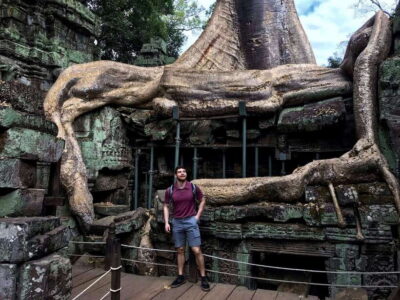
Full Day Angkor Wat Temple Experience with Sunset
Read our review →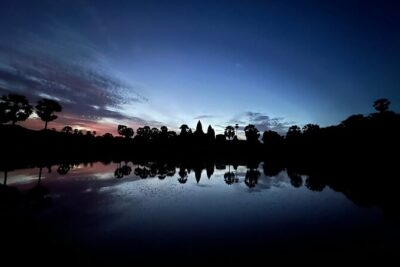
2 Days Exclusive Temple Highlights with Sunset and Sunrise Tour
Read our review →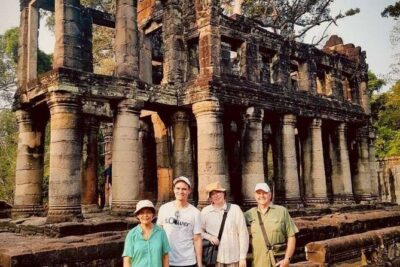
Full-Day Banteay Srei & 4 Temples – Grand Tours Join-in Tour
Read our review →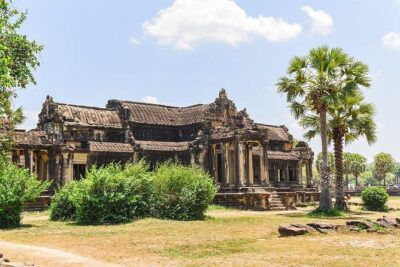
Angkor Wat Sunrise Explore The Most Iconic Temples
Read our review →
Koh Ker Temple Group & Beng Mealea Full-Day Join-in Tour
Read our review →
Browse the lists this tour appears in