
Reviewed · CYCLING TOURS
Customs and Culture Half Day Walk and Bike Tour in Battambang
The most rewarding part of this Battambang tour is the chance to see ordinary work up close. You move by bicycle through rice fields and a mostly Muslim fishing village, stopping to watch net weaving, fish drying, and other family trades rather than simply passing them from a tuk-tuk window.
I like the small group of no more than eight and the chance to talk with both a young monk and local families. I also like the practical touch of good Giant, Trek, or GT mountain bikes, plus guides such as Pich, Phalla, Peak, Pek, and Savith, who are praised for clear English and an easy pace. The main consideration is that this is a morning ride, not a sightseeing checklist, so you need to be comfortable cycling outdoors and covering your shoulders in rural communities.
Key points to know before you book
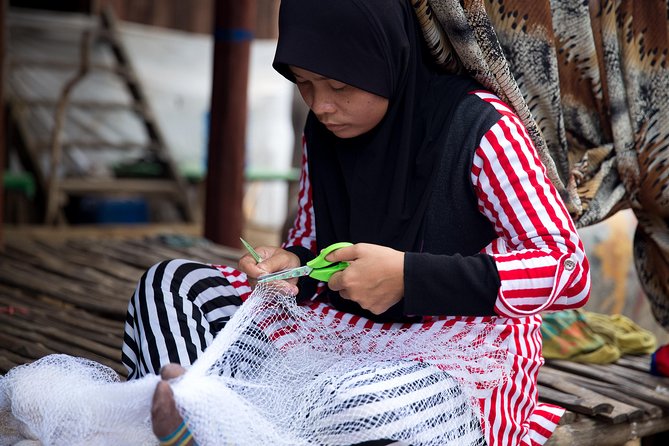
- A working fishing village is the heart of the tour: See net weaving, fishing, and fish drying while learning how these jobs support daily life.
- The route compares Muslim and Buddhist traditions: Visit a Muslim community, then speak with a newly trained monk at a Buddhist temple.
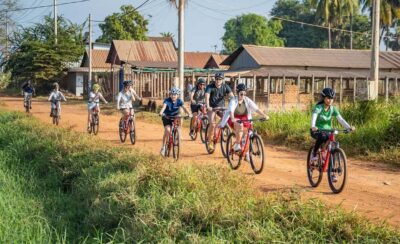
- The cycling pace is designed for looking around: The ride lasts about three hours and includes countryside roads, rice fields, a cafe stop, and family visits.
- Local families receive compensation: Your booking supports the households that open their workspaces and homes to the tour.
- You get useful extras for the $37 price: Hotel pickup, a quality bike, helmet, guide, water, snack, and Khmer language practice are included.
- Plan for the practical details: Bring sunscreen, shoulder-covering clothing, a backpack, and a way to get back to your hotel after the tour.
Why this ride shows you Battambang beyond the center
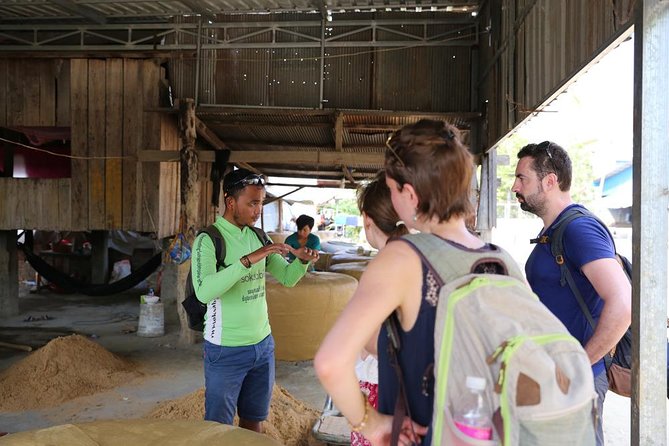
Battambang is best understood at a slower pace. The city itself has colonial buildings, markets, and plenty of cafes, but the countryside explains how people eat, work, worship, and earn a living. This tour gives you that wider picture without taking up a full day.
The experience begins at 7:30 am, with tuk-tuk pickup from your hotel. That early start matters in Cambodia. You can ride before the strongest heat, and the morning leaves you with time for lunch or more sightseeing afterward.
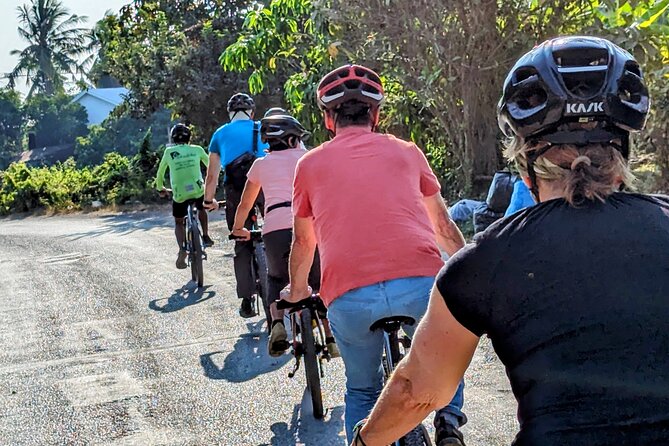
You then meet your guide and receive an imported mountain bike, helmet, water, and a snack. The bikes are listed as Giant, Trek, or GT models, a useful detail if you care about comfort and control. This is not a casual pedal around a park. You will ride through rural areas, so a properly sized bike makes the outing much easier.
The group limit of eight also works in your favor. A small group can stop beside a home or workshop without creating much disruption, and you can ask questions without waiting behind a large crowd. The guide also acts as translator, which becomes important when you are discussing work, family routines, religion, or food.
More Cycling Tours in Battambang:
- Local Livelihood Half Day Bike Tour in Battambang
★ 5.0 · 287 reviews - Cultural Cycling Tour – half day (8:00-11:30)
★ 5.0 · 26 reviews - Explore local livelihood & countryside (Half-Day Cycling Tour)
★ 5.0 · 19 reviews
Meeting fishers and net weavers in the Muslim village
The first major part of the ride takes you to a local Muslim village. The focus is not on a formal attraction. Instead, you see the practical jobs that keep the community going.
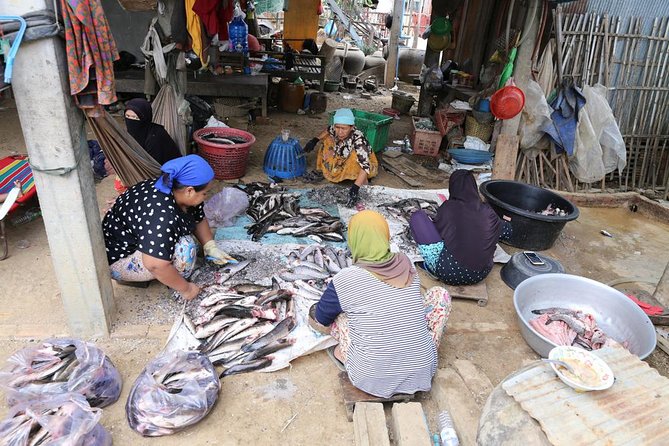
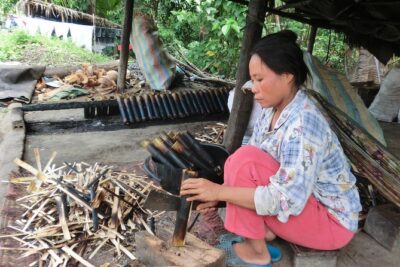
You may watch people weaving fishing nets, preparing fish, or drying fish for later use. Dried fish is an important part of Cambodian cooking, and seeing the process helps you understand an ingredient that often appears on a plate without explanation. The visit also gives you a chance to notice how work is divided among families and how skills are passed along.
This is one of the strongest parts of the tour because the people you meet are not performing a staged cultural show. They are carrying out familiar tasks, and your guide helps explain what you are seeing. The experience is still organized for visitors, of course, but the emphasis stays on real livelihoods rather than polished displays.
You should approach these stops with some sensitivity. Dress modestly, ask before taking photographs, and let your guide handle introductions. Clothing that covers your shoulders is specifically requested, and it is a useful sign that respect matters here.
The fishing village also gives the tour a wider religious purpose. Cambodia is mainly associated with Theravada Buddhism, but this stop shows you a Muslim community with its own customs and daily rhythm. You are not asked to compare religions in a simplistic way. Instead, you see that Battambang contains different traditions living within the same rural region.
Cycling through rice fields at an easy pace
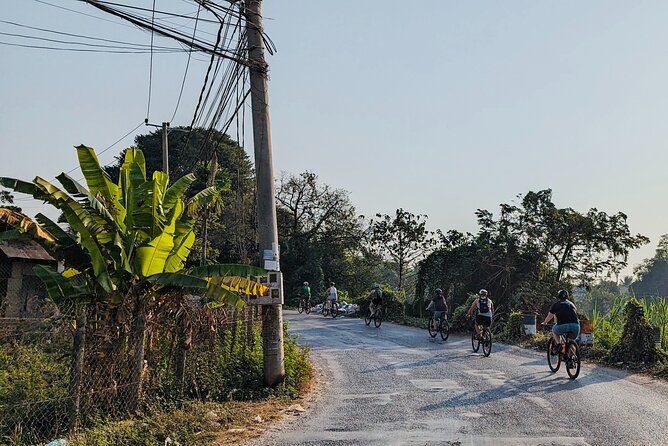
After the village visits, the route continues through rice fields and open countryside. The ride is part of the sightseeing, not merely transportation between stops.
Your guide explains rice cultivation and why rice is central to Cambodian life. The information is most useful when paired with what you see around you: fields, rural homes, and the people whose work depends on the agricultural cycle. The exact scenery will change with the season, so you should not expect the fields to look identical throughout the year.
The ride is described as relaxed, and several named guides receive praise for keeping the pace comfortable. Phalla, Pich, Peak, Pek, and Savith are all associated with warm, clear guiding on this route or closely related Soksabike tours. Pich is noted for explaining local history and culture in clear English, while Phalla is praised for sharing stories about growing up in Cambodia and Battambang. Savith is also described as a helpful translator when questions arise.
That kind of guide matters more here than a long list of dates. You are moving through places where context is not printed on a sign. A good guide helps you understand why a family dries fish, how rice affects local life, or what a temple custom means.
The ride should suit most people who are comfortable on a bicycle, but it is still worth being honest about your fitness. The tour lasts around three to four hours, including stops, and you will spend much of that time outdoors. The bikes have no baskets, so use a small backpack for sunscreen, a camera, and personal items.
A pause at a local Muslim cafe
A stop at a Muslim cafe gives you a break from the saddle and a chance to see another everyday setting. This is not presented as a grand culinary stop. Its value is its ordinary character, a place where you can rest, have something refreshing, and continue talking with your guide.
The food and snack elements help make the outing feel connected to local life. Along the way, you may sample sticky rice or a fermented fish snack, depending on the route and the families visited. These are strong cultural details, but they may not suit every palate. Fermented fish can be an intense introduction to Cambodian flavors, so keep an open mind and do not feel pressured to eat anything unfamiliar.
Water is provided, but sunscreen is your responsibility. Morning sun can still be strong, and you will be exposed for much of the ride. Comfortable clothes and practical footwear are more useful than anything stylish.
A few more Battambang half-days worth weighing up
- Exploring Battambang History (Walking Tour)
★ 5.0 · 17 reviews - Siem Reap: City Walking Tour
★ 4.6 · 583 reviews - Siem Reap City Walking Tour
★ 4.5 · 114 reviews - Siem Reap Walking Tour: Landmarks & Hidden Gems
★ 5.0 · 15 reviews
Entering a Buddhist temple and speaking with a monk
The religious contrast becomes clearer at a beautiful Buddhist temple. Here, you get to discuss Buddhist culture with a young monk who has recently completed his training.
This conversation is a valuable part of the tour because it gives you a chance to ask direct questions. You might want to understand daily monastic life, local religious customs, or the role of Buddhism in Cambodian families. Your guide helps translate and provides background, but the conversation itself gives the temple visit a personal focus.
Remember that a temple is a place of worship, not only a sightseeing stop. Cover your shoulders, keep your voice respectful, and follow your guide’s advice about where to stand and how to behave. The modest dress request applies throughout the rural route, but it matters especially here.
The visit also balances the earlier stop in the Muslim village. You are not simply collecting religious buildings. You are seeing two traditions through the people who practice them, and that makes the cultural portion more useful than a quick temple photograph.
Meeting families and sharing Cambodian food
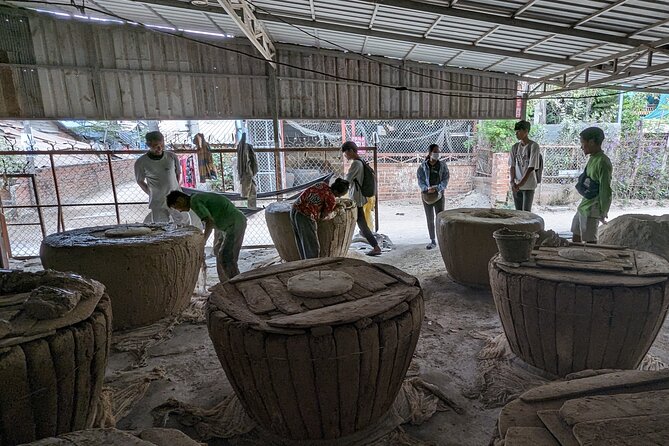
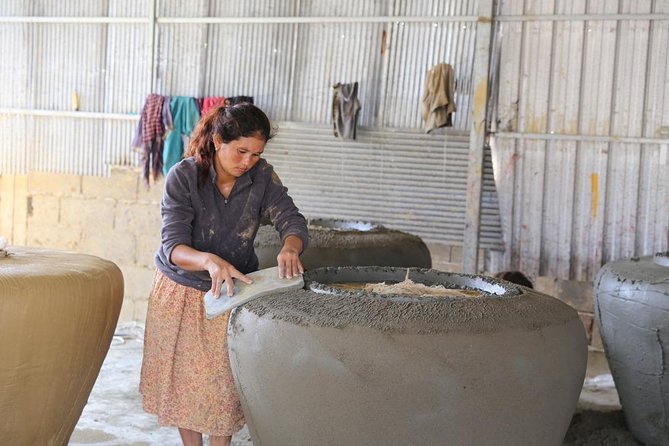
The tour also brings you to local households and small family businesses. Depending on the route, you may see rice paper being made, fruit being harvested, rice wine being prepared, or sticky rice cooked in bamboo. These details come from the hands-on nature of the experience and give you a better sense of how food is produced before it reaches a market or restaurant.
The home-cooked Cambodian lunch is an important part of the morning. Fish and vegetables have been served on this type of outing, along with local snacks such as sticky rice. The meal is less about a restaurant-style presentation and more about sharing food in a family setting.
I would confirm the exact lunch arrangement when booking, since the listed inclusions specifically name water and a snack while the tour description also describes a home-cooked lunch. The safest expectation is that food is part of the cultural experience, but the exact menu and serving details can vary.
The social value of these visits is clear. Families receive compensation for the time they spend welcoming you and explaining their work. Your payment is not only buying a bike ride. It helps support a small community tourism project that connects visitors with local households.
Still, it is wise to remember that a family visit can feel more personal than a normal attraction. Listen carefully, ask polite questions, and avoid treating homes as photo sets. The best approach is curious but restrained.
How the $37 price works for you
At $37 per person, this tour offers solid value if you want more than a standard city ride. The fee covers hotel tuk-tuk pickup, an English-speaking local guide with first-aid certification, a quality mountain bike, helmet, water, snack, Khmer language practice, and compensation for the families you visit.
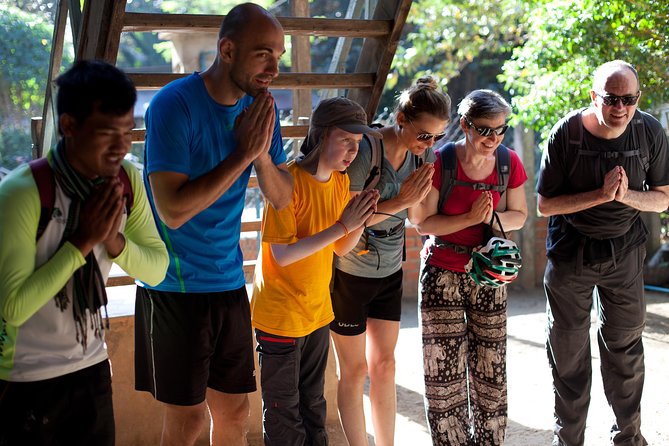
The language lesson is small but worthwhile. You learn basic Khmer phrases for greeting local people, which can turn a quick encounter into a friendlier exchange. Even a simple greeting shows that you are making an effort rather than expecting everyone else to meet you in English.
The price also includes the guiding and translation that make the stops meaningful. Without that help, net weaving, fish drying, rice cultivation, and temple customs could remain disconnected snapshots. With a local guide, you can ask questions and understand the links between work, religion, food, and family life.
There is one logistical wrinkle. Pickup is offered, but hotel drop-off after the tour is not included in the stated inclusions. Plan to arrange your own return from the ending point, and confirm the final location if that matters to your schedule.
Who will enjoy this half-day tour most
This is a good choice if you want to meet local people, enjoy a gentle bicycle route, and learn how Battambang communities work. It suits curious visitors who prefer small encounters to major monuments and who enjoy asking questions through a guide.
It is also a strong first activity in Battambang. The route helps you get your bearings outside the city center, and the guide can give you cultural context for later visits. If you have only a short stay, the three to four hour format leaves room for other plans.
You may want a different experience if you dislike heat, cycling, rural roads, or food that is not familiar. The tour is not built around luxury transport or air-conditioned comfort. The bikes are good, but the point is to be outside and close to daily life.
It is suitable for most people according to the activity information, though you should still consider your comfort on a bicycle. The group is capped at eight, and a first-aid-certified guide is included, but the tour is not described as a specialized ride for people with particular mobility needs.
Practical tips for a smoother morning
Wear light clothing that covers your shoulders. This respects local customs and makes the temple visit easier.
Apply sunscreen before pickup and bring more for later. You receive water, but a small backpack is useful for personal items because the bicycles have no baskets.
Bring a camera if you want one, but keep it compact. You may be stopping at family homes and work areas, so asking before taking photographs is the courteous choice.
Learn the Khmer greetings as you go. You do not need to speak the language well. A few words can make the village visits warmer and more personal.
Keep your schedule flexible after the tour. The stated duration is about three to four hours, and rural stops can take longer when a conversation is going well.
Cancellation is free if you cancel at least 24 hours before the 7:30 am start. Changes or cancellations inside that window are not refunded, based on local time.
Should you book the Customs and Culture Half Day Walk and Bike Tour?
Book it if you want a close look at Battambang’s countryside and prefer local work, food, and religion over a standard list of sights. The combination of a Muslim fishing village, rice fields, family workshops, a Buddhist temple, and a shared meal gives the morning a clear sense of place.
The strongest reason to choose it is the guide-led access. People such as Pich, Phalla, Peak, Pek, and Savith bring translation, personal stories, and a comfortable pace to places you would be unlikely to understand on your own.
Skip it if you want a fully passive sightseeing trip, a long temple tour, or guaranteed hotel drop-off afterward. For most curious visitors who can manage a few hours on a bike, the $37 cost is fair, especially because it supports the local families you meet.
FAQ
What time does the tour start?
The tour starts at 7:30 am.
How long does the activity last?
The experience lasts approximately three to four hours.
Is hotel pickup included?
Yes. Tuk-tuk pickup from your hotel is included. Drop-off at your hotel after the tour is not included in the stated inclusions.
What equipment is provided?
You receive a high-quality imported mountain bike, with brands such as Giant, Trek, or GT, plus a helmet. Water and a snack are also provided.
What should I wear and bring?
Wear clothing that covers your shoulders, and use sunscreen. Bring a small backpack for personal items such as a camera because the bikes do not have baskets.
How large is the group?
The tour has a maximum of eight people.
Just added around Battambang
- Bamboo Train, Banann Temple, Fruit Bat, Bat Cave, Sunset★ 4.2 · 3 reviews
- Private Battambang Full-Day Guided Tour★ 4.5 · 3 reviews
- Battambang Private Day Tour★ 5.0 · 5 reviews
- Private Taxi Transfer From Battambang – Siem Reap City★ 5.0 · 4 reviews
- Afternoon tour to Original Bamboo train. Bat cave. Killing cave★ 5.0 · 25 reviews
- Private Boat from Battambang to Siem Reap via Tonle Sap Lake★ 4.5 · 3 reviews
- Tuk Tuk Tour (Full-Day)★ 5.0 · 7 reviews
- Private Taxi Transfer Battambang from/to Phnom Penh★ 5.0 · 7 reviews
Cycling Tours, compared.
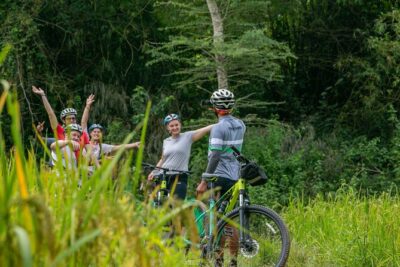
Siem Reap Countryside Bike Tour / E-Bike or Tuk Tuk
Read our review →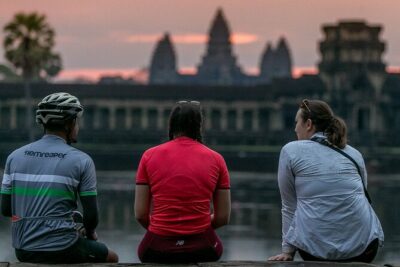
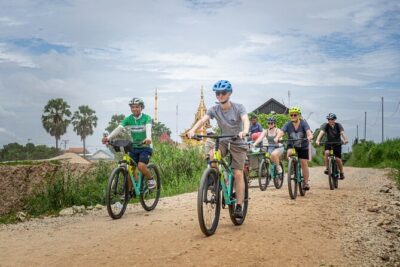
Phnom Penh Silk Island Bike Tour/ E-Bike or Tuk Tuk
Read our review →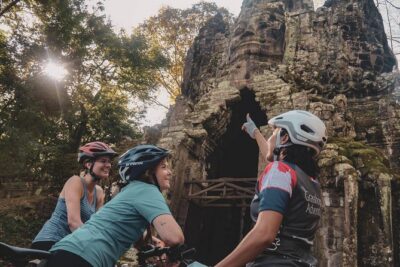
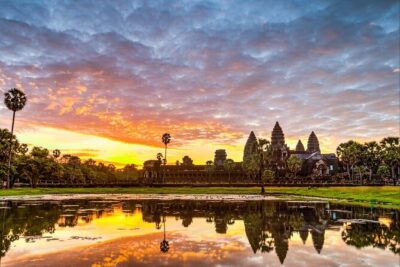
Angkor Wat Sunrise Bike Tour & Jungle Breakfast
Read our review →
Local Livelihood Half Day Bike Tour in Battambang
Read our review →Browse the lists this tour appears in