Reviewed · ANGKOR WAT TOURS
Angkor Wat Small-Group Exploration with Expert Guide
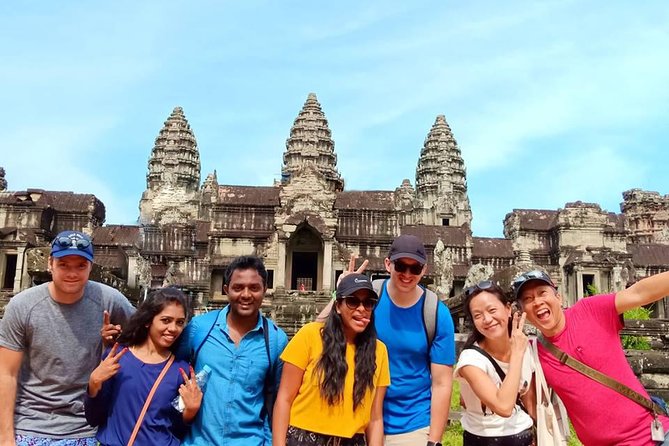
Angkor Wat is only the beginning here. This six-to-seven-hour small-group tour links the Khmer Empire’s greatest monuments in one practical loop: Angkor Wat, Angkor Thom, Bayon, and Ta Prohm. Guides such as Phy, Nak, Wat, and San are known for clear explanations, temple stories, and even help with photos.
I like the hotel pickup and drop-off, which removes the usual morning bargaining and route planning. I also like the cold water, and in some cases cold towels, waiting after each temple. The catch is simple: the $18 tour price does not include the $37 one-day Angkor National Park pass, and the heat, stairs, and long walks demand a fair level of fitness.
Key points to know before booking
- Four major Angkor sights in one day: Angkor Wat, Angkor Thom, Bayon, and Ta Prohm form a strong first visit.
- Small groups up to 12: You get more room to ask questions than on a large coach tour.
- Tuk-tuk or minivan transport: One or two people normally ride by tuk-tuk, while groups of three or more use a minivan.
- Cold drinks are part of the day: Bottled water is supplied, and some drivers also provide cold towels.
- The temple pass costs extra: Budget $37 per person for the one-day Angkor National Park ticket.
- Expect stairs and uneven ground: Long pants or knee-length clothing are required, and moderate fitness helps.
Why this route works for a first Angkor visit
The Angkor complex is too large to understand by simply hiring a ride and wandering between ruins. You can see plenty that way, but the scale, symbolism, and royal rivalries blur together fast. This route gives you four major stops and a guide to connect them.
The order also makes sense. Angkor Wat gets about two hours, while Angkor Thom, Bayon, and Ta Prohm receive roughly an hour each. That is enough time for a useful introduction without trying to cover every temple in the park.
I especially like the small-group format. The maximum is 12 people, and the group size depends on that day’s bookings. If only a few people book, the outing may feel close to private. One couple had that happen, giving their guide time to adjust the pace, take photos, and respond to their needs.
The guides are a major part of the experience. Phy has been praised for explaining temple history and arranging good photo spots. Nak is known for his enthusiasm for Cambodian heritage. Wat has a reputation for taking care with older visitors and helping them manage the route. San combines clear English with detailed historical context and a flexible approach.
That does not mean every guide will deliver the same personality or depth. Your guide is assigned by the operator, so you cannot count on a particular person unless the company confirms it. Still, the range of names associated with this tour suggests a sizable local guiding team rather than a single operator carrying every group.
More ways to walk into Angkor Wat:
- Angkor Wat Sunrise or Sunset Tour with Guide from Siem Reap
★ 5.0 · 12,109 reviews - Siem Reap: Angkor Wat: Small-Group Sunrise or Sunset Tour
★ 5.0 · 9,444 reviews - Siem Reap: Angkor Wat 2-Day Tour with Sunrise and Sunset
★ 4.9 · 4,429 reviews
Angkor Wat: start with the great centerpiece
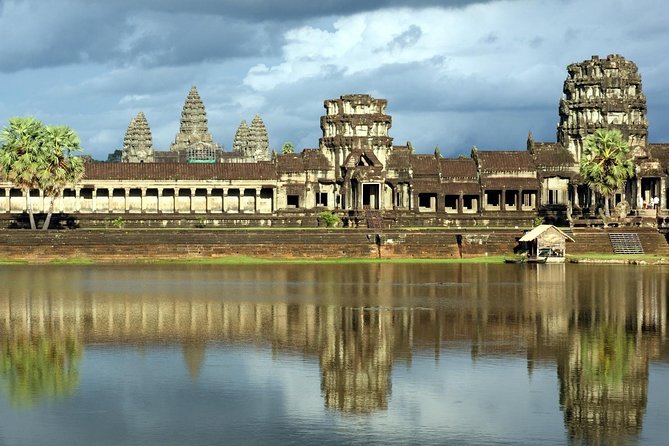
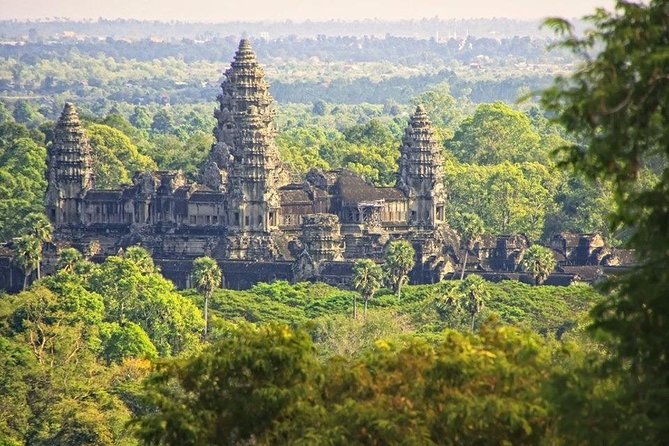
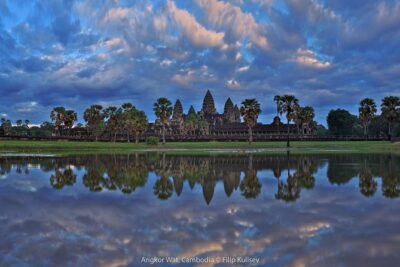
Angkor Wat is the longest stop, and that is the right call. Built for King Suryavarman II in the early 12th century, it began as a state temple and royal capital. It is also the best-preserved major monument in the complex.
You will have about two hours to cross its broad approach, study the galleries, and see the central sanctuary. A guide helps you read the carvings and understand the building as more than a famous silhouette. The stone reliefs, towers, courtyards, and long galleries make more sense when someone points out their religious meaning and tells you how the temple fitted into the Khmer state.
This is also where the physical demands begin. The complex involves a lot of walking, and reaching the highest level means climbing steep steps. One visitor in their late sixties found the guide’s encouragement and help valuable, while another noted that the route is not suited to someone who cannot manage stairs.
Wear shoes that feel secure on uneven surfaces. Bring water even though more is supplied, and do not treat the two-hour visit as a quick photo stop. Angkor Wat rewards a slower look, especially at the carved walls.
Angkor Thom: a royal city, not just another ruin
Angkor Thom was the Khmer Empire’s capital city in the late 12th century, built under King Jayavarman VII. The scale shifts here. Instead of one main temple, you are entering a much larger royal complex with gates, walls, roads, and several important monuments.
The scheduled visit lasts about an hour. That is enough for an overview, but the actual time may stretch or contract depending on the group, weather, walking pace, and what your guide chooses to show. The route may include more than the four named stops, with one detailed account noting Baphuon alongside Angkor Thom and Bayon.
This section benefits from explanation because the remains can look scattered at first. A good guide helps you picture Angkor Thom as a functioning capital rather than a collection of stones in the forest. You will also get a sense of how Jayavarman VII’s rule differed from the earlier period represented by Angkor Wat.
The drawback is that an hour is not enough for every corner. If you have already visited Angkor and want less familiar temples, this tour may feel too focused on the standard circuit. For a first visit, though, the concentration is sensible.
Bayon: faces, carvings, and a closer look
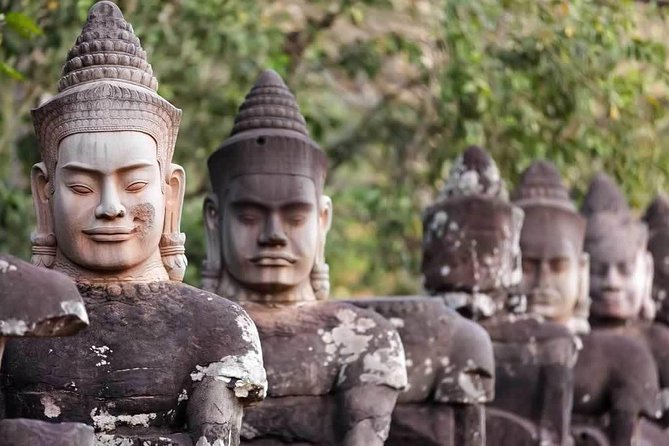
Bayon sits at the center of Angkor Thom and was built in the late 12th or early 13th century as the state temple of Jayavarman VII. Its towers and enormous carved faces make it one of the most memorable places on the route.
The temple can feel confusing without guidance. Towers crowd around one another, galleries twist through the structure, and reliefs show both religious scenes and daily life. Your guide can point out the symbolism, the carved faces, and details you could easily walk past.
This is where the small group earns its keep. You can ask why a particular face appears, what a carving represents, or how Bayon relates to Angkor Wat. Guides such as Voath and Phy have been praised for explaining symbolism in plain English without burying the visit under too much information.
Give yourself time to look up and around. Bayon is less immediately orderly than Angkor Wat, and its visual impact comes from close inspection rather than one grand approach. The one-hour slot should work for a focused visit, but you may wish you had longer if the temple particularly captures your attention.
A few more Siem Reap half-days worth weighing up
- From Siem Reap: Kampong Phluk Floating Village Tour by Boat
★ 4.9 · 6,979 reviews - Sunset tour of Kampong Phluk stilts home village on the Tonle Sap
★ 5.0 · 4,865 reviews - Siem Reap: Kampong Phluk Floating Village Tour with Boat
★ 4.9 · 3,843 reviews - Siem Reap: Full-Day Angkor Wat Guided Tour with Sunset
★ 4.9 · 3,803 reviews
Ta Prohm: the atmospheric final temple
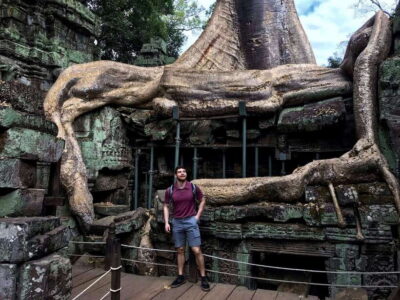
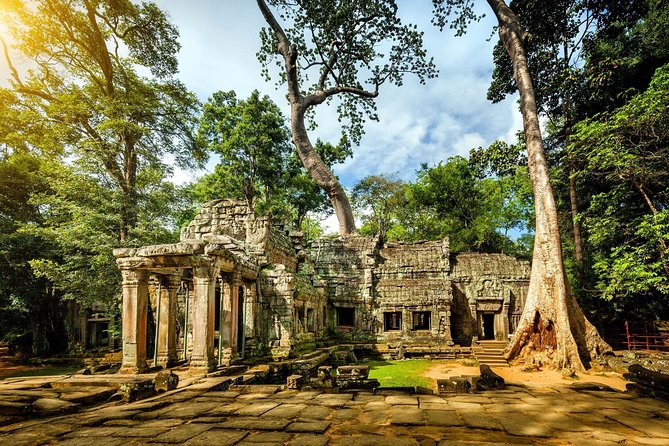
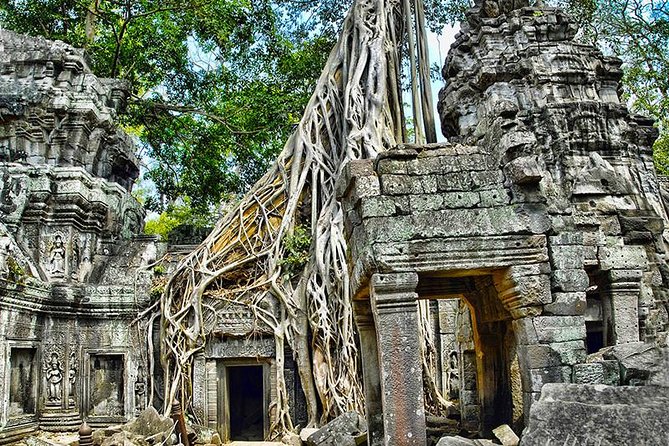
Ta Prohm is the most atmospheric stop for many people. Its partly ruined walls, trees, roots, and corridors create the image of a temple being slowly reclaimed by nature. The beauty comes with a little frustration: narrow passages and popular photo points can slow the route.
The temple is located near Angkor Thom and receives about an hour. That gives you time to see the famous tree-covered sections and hear how the ruin differs from the more restored appearance of Angkor Wat.
I like having Ta Prohm later in the day because it provides a clear change of mood. After the formal geometry of Angkor Wat and the crowded towers of Bayon, Ta Prohm feels rougher and less controlled. Your guide may also help you find photo angles without turning the whole stop into a camera session.
Be careful here. Roots, broken stone, steps, and uneven ground all require attention. A guide named Kak was especially praised for helping a visitor over steep or rough sections, but you should still judge each step for yourself. Support from a guide is useful, not a substitute for sensible footwear and a steady pace.
Tuk-tuk comfort, minivan space, and the value of cold water
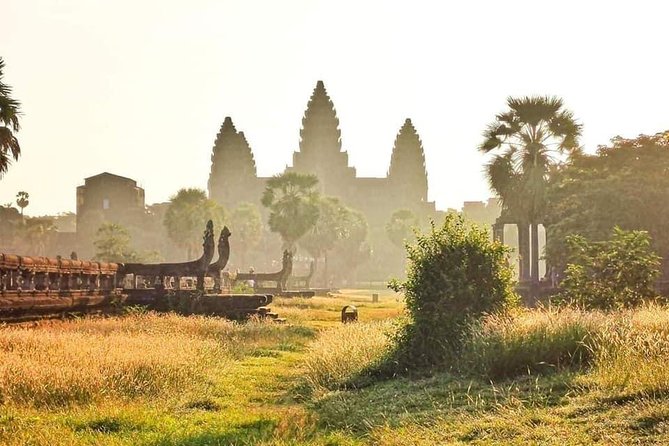
For one or two people, transport is normally by tuk-tuk. Groups of three or more use a minivan. The tuk-tuk gives you open-air movement between temples, while the minivan offers more enclosed comfort for a larger party and includes air conditioning according to one detailed account.
Neither option turns Angkor into a cool-weather outing. Cambodia can be brutally hot, and the temple walks are exposed in places. Cold bottled water is supplied during the tour, and several guides and drivers have also provided cold towels after temple visits. That small service matters once your shirt is damp and the stone paths feel endless.
The drivers also receive frequent praise for safe, prompt service. Names such as Sim, Ken, Mom, James Bond, and Billy appear in the feedback, though the assigned driver will vary. If you are in a tuk-tuk, the driver’s care matters just as much as the guide’s storytelling, since the day includes repeated stops, traffic, and heat.
Hotel pickup and return within Siem Reap city center make this easy to fit into a short stay. The final return transfer takes about 30 minutes. Pickup time is confirmed with you, and at least one guide contacted the group the day before to confirm the hotel and timing.
Lunch, timing, and the real cost
The base price is $18 per person, which is unusually low for a guided day covering four major Angkor sights and transportation. The important catch is the park admission. The one-day Angkor National Park ticket costs $37 per person, bringing the known tour and entry total to $55 before lunch, tips, or other drinks.
That still offers good value if you want historical context and do not want to arrange transport yourself. A private tuk-tuk and an informal driver may cost less in some situations, but you would need to handle the route and lose the benefit of an English-speaking temple guide.
Food is not included. The guide normally stops at a local restaurant in the national park around lunchtime. This is convenient, but the restaurant may cost more than places in Siem Reap town. You can consider that a time-saving tradeoff, not a bargain meal. Snacks, soft drinks, beer, wine, and other meals are also your responsibility.
The six-to-seven-hour length is well suited to a first look, but it is a long, warm day. One person felt a shorter outing without a lunch break would have been better. If you want to reduce fatigue, tell the guide early that you need regular rest and water pauses. The route has been adjusted for different abilities, but the main sites cannot be made flat or effortless.
Clothing, fitness, and group size
Temple dress rules are firm enough to plan around. Wear long pants or a knee-length skirt or dress. Lightweight clothing is sensible, but bare shoulders and very short bottoms may cause problems at temple areas.
You should expect walking, steps, uneven stones, and some steep sections. The operator recommends moderate physical fitness. I would not choose this tour if you have serious difficulty standing, climbing, or walking for extended periods.
Children must be accompanied by an adult. The maximum group size is 12, which keeps the outing more manageable than a large bus tour, though it does not guarantee a tiny group. The smaller setting gives you more chances to ask questions, but you still share the guide’s attention with the rest of the party.
People who want to photograph every corridor may find the schedule brisk. People who want the main story of Angkor in one day will probably appreciate the structure.
Who gets the most from this Angkor tour
I would choose this tour for a first-time visitor staying in Siem Reap who wants the major temples explained in clear English. It suits solo travelers, couples, and small families who value hotel transfers and do not want to negotiate transport in the heat.
It is also a good fit for older visitors who can walk and climb but appreciate a guide who watches the pace. Several guides have shown patience with uneven ground, rest breaks, and photo stops.
I would look elsewhere if you have already seen Angkor Wat, Bayon, and Ta Prohm and now want remote temples or a highly specialized archaeology tour. The strength here is the classic circuit, not obscure sites.
Tips are not included, so carry some cash if you want to thank the guide or driver. Travel insurance is also not included. Cancellation is free up to 24 hours before the start time, while later cancellations and changes are not refunded.
Should you book it?
Book it if you want the essential Angkor route with a guide, hotel transport, cold water, and a manageable group size. The $18 tour price looks excellent, but plan for the separate $37 park pass and a possible pricier lunch inside the park.
The main reason to choose this experience is the guide. A strong guide such as San, Phy, Nak, Wat, Voath, or Sophy can turn carvings and broken walls into a readable story, while the driver keeps the day moving and the drinks cold. The main reason to hesitate is the physical effort and the fixed focus on the four best-known sights.
For a first day at Angkor, I think the balance is right: enough time at the major temples, enough history to make the stones meaningful, and enough practical support to keep the heat from taking over the day.
FAQ
Is the Angkor National Park admission included?
No. The one-day Angkor National Park ticket costs $37 per person and must be paid separately.
How long does the tour last?
The experience lasts approximately six to seven hours, including the temple visits and return transfer to your hotel or another requested drop-off point in Siem Reap city center.
Which temples does the tour visit?
The planned stops are Angkor Wat, Angkor Thom, Bayon Temple, and Ta Prohm. Some outings may also include Baphuon within the Angkor Thom area.
What transportation is used?
One or two people normally travel by tuk-tuk. Groups of three or more normally use a minivan. Hotel pickup and drop-off are included.
What should I wear?
Long pants or a knee-length skirt or dress are required for temple visits. You should also be ready for walking, stairs, and uneven ground.
Is cancellation free?
You can cancel at least 24 hours before the experience start time for a full refund. Cancellations or changes made less than 24 hours before the start time are not accepted for a refund.
Just added around Siem Reap
- Twilight Tastes of Siem Reap Include Dinner★ 5.0 · 13 reviews
- Ultimate Sunrise to Angkor Wat, Angkor Thom and Bayon Temple★ 5.0 · 3 reviews
- Trekking Tour at Phnom Kulen National Park from Siem Reap★ 5.0 · 3 reviews
- Professional Photo Shoot in Angkor Archaeological Park, Siem Reap★ 5.0 · 42 reviews
- Full-Day Private Tour of Angkor Wat with Pick Up★ 5.0 · 12 reviews
- Unveiling 2 Days Private Angkor Wat/Beyond In Sunrise/Sunset Tour★ 5.0 · 48 reviews
- Siem Reap City Tour with War Museum and Killing Field★ 5.0 · 27 reviews
- Waterfall & River of 1000 Siva Linga- Kulen Mountain Private Tour★ 5.0 · 3 reviews
Angkor Wat Tours, compared.
Angkor Wat Sunrise or Sunset Tour with Guide from Siem Reap
Read our review →
Angkor Wat: Small-Group Sunrise or Sunset Tour
Read our review →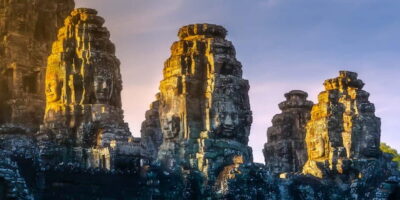
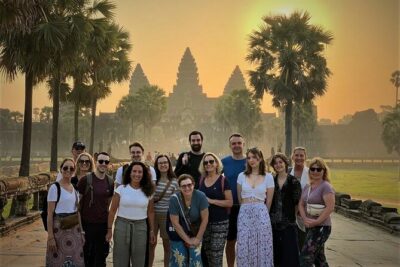
Angkor Wat Highlights and Sunrise Guided Tour from Siem Reap
Read our review →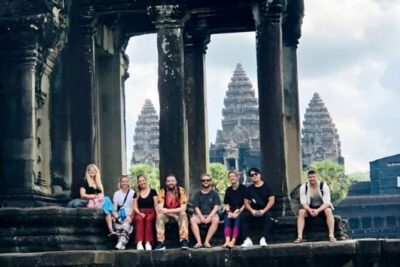
Angkor Wat Sunrise & 3 Main Temples with Breakfast – Small Group
Read our review →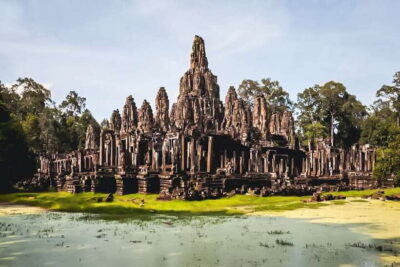
Angkor Wat Sunrise and Full-Day Sightseeing Tour
Read our review →