
Reviewed · PEPPER FARM TOURS
Kampot: Full-day Countryside Tour with Pepper Farm and Kep
Kampot’s countryside makes more sense from the back of a tuk tuk, where salt fields, rice country, caves, pepper farms, and small roadside scenes pass at an easy pace. The most memorable stop is often Phnom Chhngok, a cave temple reached by 203 steps and home to a 7th-century brick shrine dedicated to Shiva.
I like the mix of local production and old history: you see how Kampot salt and pepper are made, then enter a real cave and learn about Cambodia’s past. I also like the relaxed guiding style. Guides such as Phalla, Phealy, Voleak, Vandy, and Mr. Chav are praised for good English, safe driving, patience, and flexibility.
The main caution is the length. Eight hours in an open tuk tuk can feel hot or tiring, and salt fields may be quiet outside the harvest season. Kep is pleasant, but it is more of a short coastal stop than a major sightseeing destination, so your enjoyment depends on how much you value fresh seafood, market life, and a beach break.
Key Points Before You Book
- 203 steps lead to a cave temple: Phnom Chhngok contains a rare 7th-century Funan-era brick shrine dedicated to Shiva.
- Pepper tasting is the main food highlight: La Plantation includes a guided visit, samples, free time, and shopping.
- Salt production is seasonal: You learn about the work and its value to Kampot, but the fields may not be full of harvested salt.
- Kep crab costs extra: Lunch and seafood at the crab market are not included in the $26 price.
- The tuk tuk keeps the day scenic: Travel between stops takes about three hours in total, with several rides lasting 25 to 45 minutes.
- The guide makes a big difference: Phalla, Phealy, Voleak, Vandy, Pili, Ta, and Mr. Chav are among the guides praised for friendly service and useful local explanations.
Why This Kampot Day Tour Works
For $26 per person, this is a packed introduction to the countryside around Kampot and the nearby coast. You get transport, an English-speaking guide, entrance fees, bottled water, a fresh coconut, and pepper tasting. That is good value if you want one organized day instead of arranging several short tuk tuk trips yourself.
The route also has a useful rhythm. You begin with working countryside, move into ancient and modern Cambodian history, spend the longest period at the pepper farm, and finish with seafood and the sea in Kep. It is not a slow, single-theme outing. It gives you a broad look at the province.
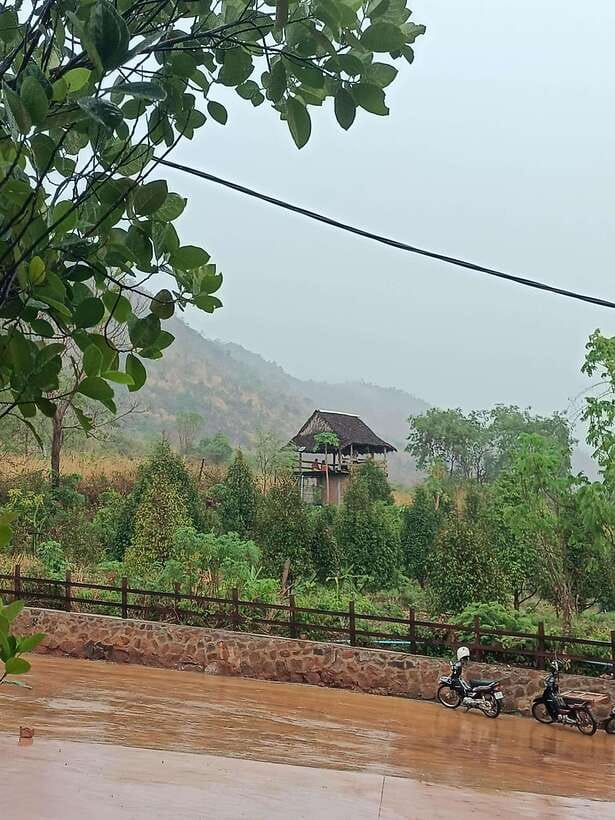
I especially like the fact that the trip is done by tuk tuk rather than a closed car. You can see more of the road between stops, feel the air, and catch glimpses of daily life. The trade-off is exposure to heat, dust, rain, and road noise. Several people enjoyed the tour even during heavy rain, but you should bring practical clothing and accept that weather can shape the day.
The guides are not presented as one fixed person, so your experience depends partly on who is assigned. Names that appear often include Phalla, Phealy, Voleak, Vandy, Pili, Ta, and Mr. Chav. The strongest pattern is clear: the guides explain the stops, answer questions, drive carefully, and usually allow extra time when you want it.
More Countryside Tours in Kampot and Kep
- Kampot Countryside include Pepper farm, Salt field & Lake
★ 4.9 · 100 reviews - Kampot’s Countryside & Kayak Tour, Pepper Farm include Lunch
★ 4.8 · 74 reviews - Kampot Countryside Tour – Pepper Farm, Salt Lake, Caves, and more
★ 5.0 · 60 reviews
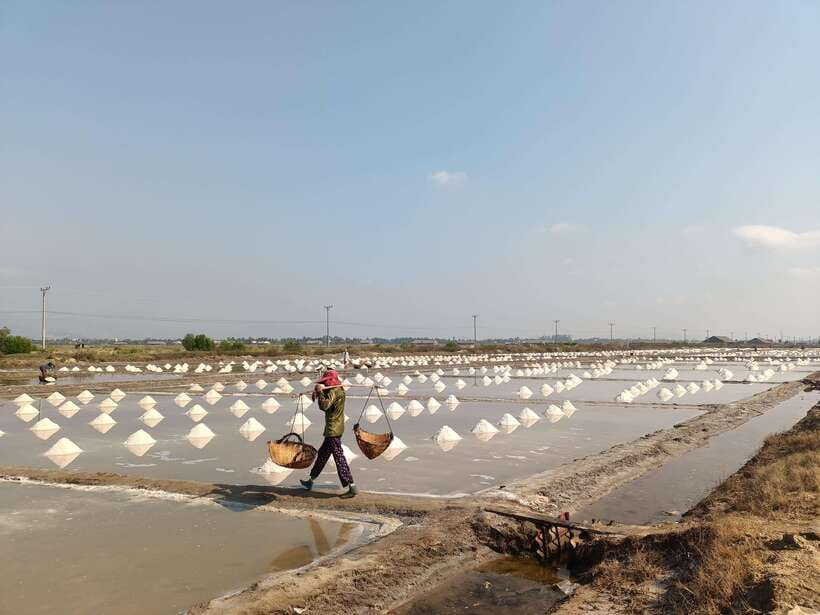
Salt Fields and the Work Behind Kampot’s Sea Salt
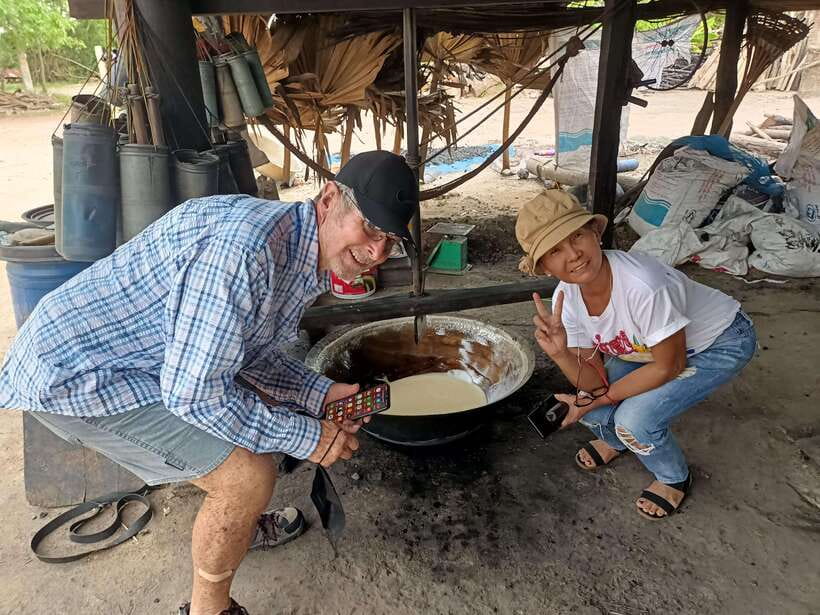
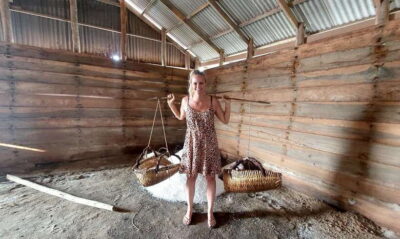
The first stop is a salt-producing facility on the outskirts of Kampot, reached after about 15 minutes by tuk tuk. You spend roughly 20 minutes here with a guided explanation of the production process and the importance of salt to the local economy.
This is useful because it gives the countryside a working purpose. You are not just looking at flat fields. You learn how salt is produced and why the industry matters in the area. The visit is short, so think of it as an introduction rather than a full industrial tour.
Timing matters. Salt harvesting is seasonal, and outside the right period you may see the fields without seeing piles of freshly collected salt. One person specifically found that the salt was not being harvested during the visit, but still enjoyed the explanation and the rest of the day. I would keep expectations realistic: the factory is more interesting for the process and local context than for dramatic scenery.
Phnom Chhngok’s 203 Steps and Ancient Cave Shrine
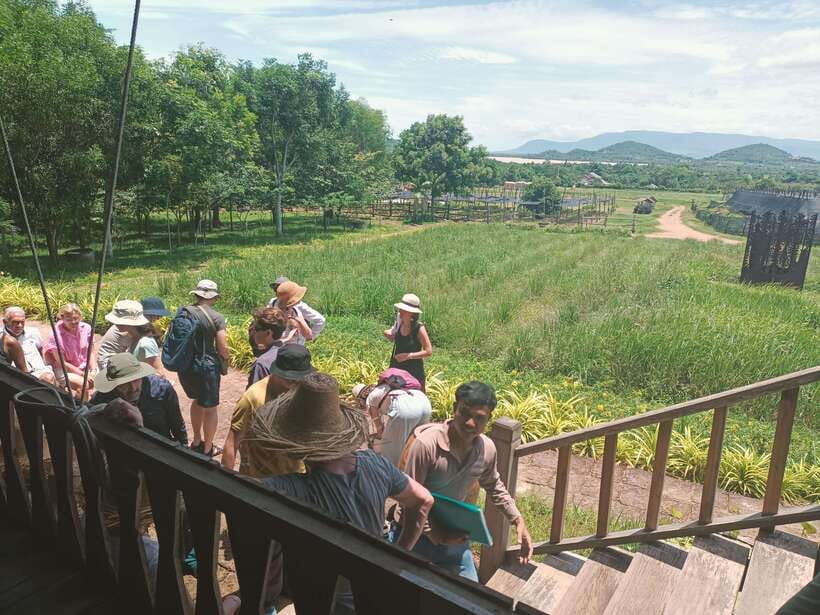
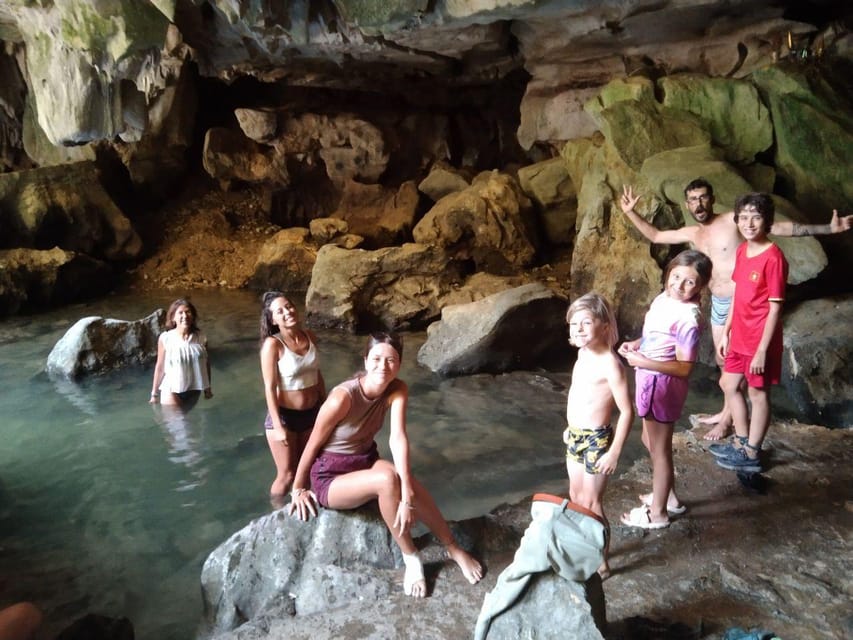
After around 30 minutes on the road, you reach Phnom Chhngok Cave. The climb to the entrance involves 203 steps, and you should take your time in the heat. This is the most unusual cultural stop on the route.
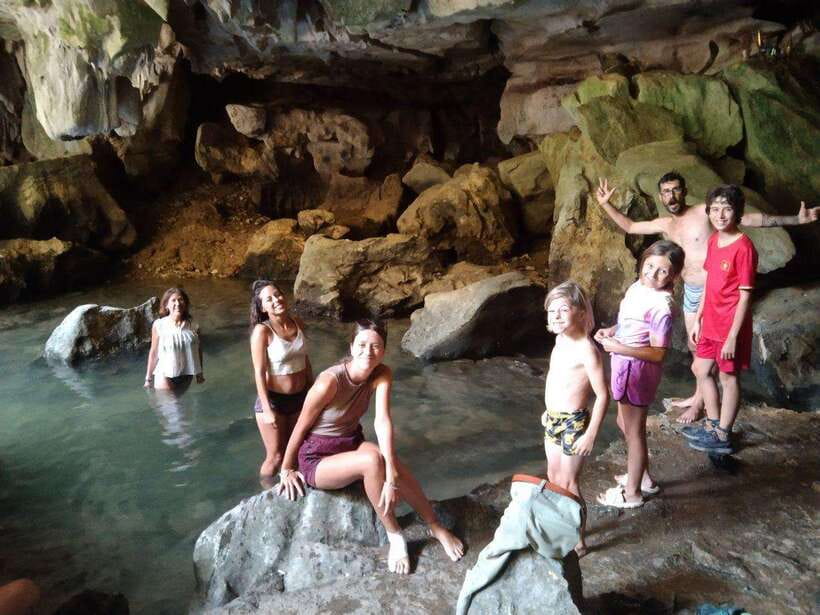
Inside the main chamber is a brick temple from the 7th-century Funan era, dedicated to Shiva. The setting matters as much as the structure. You move from open countryside into a cave, then find an old religious building inside the rock. Guides explain the temple and the history of the cave, which makes the visit much more meaningful than simply walking in, taking a photograph, and leaving.
The cave visit lasts about 40 minutes, though some guides may offer extra time for exploring. The entrance also gives you broad views over the surrounding area. Bring cash and wear shoes with a good grip. The steps and cave floor are the practical challenges here, and this is not the easiest stop for anyone who struggles with stairs.
I like this part because it combines geology, worship, archaeology, and views in one compact visit. If you are choosing this trip mainly for one memorable place, Phnom Chhngok is the strongest candidate.
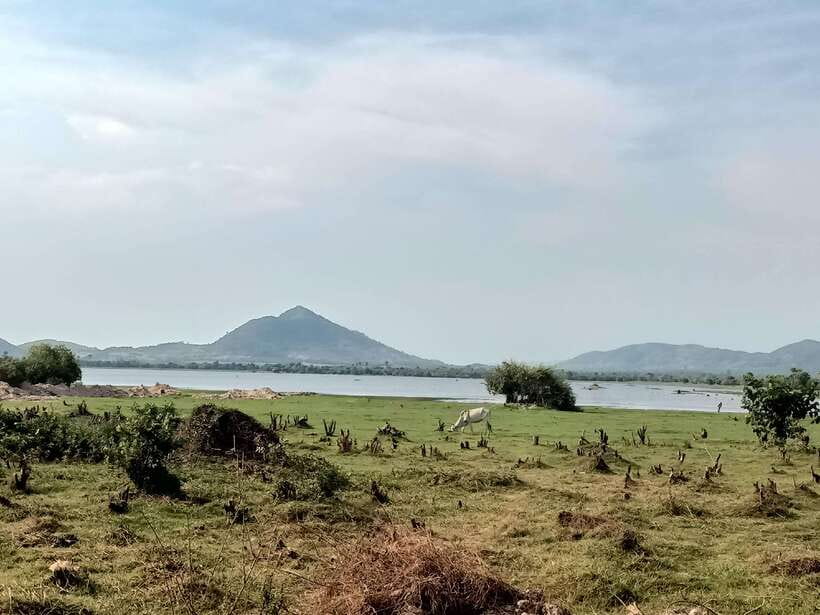
Brateak Krola Lake and a Difficult Chapter of Cambodian History
A tuk tuk ride of about 25 minutes takes you to Brateak Krola Lake, visited from a raised platform. You have about 15 minutes for the stop, with time for photographs and a guided explanation.
The lake is artificial and was created during the Khmer Rouge period using slave labor. That history gives the calm water a darker meaning. It is important to approach this stop with respect. The visit is brief, but the guide can help connect the quiet setting with the human cost behind its construction.
Do not expect a long walk or a full museum-style presentation. This is a short pause in the route, designed to give you context and a view. The value comes from understanding what you are looking at, not from a long list of activities.
More Kampot pepper farm afternoons:
- Kampot: Pepper Farm Tours, Salt, Lake & Phnom Chhngok Temple
★ 4.8 · 432 reviews - Kampot: Tuk Tuk Trip to Pepper Farm, Kep, Crab Market & More
★ 4.9 · 143 reviews - Kampot Tour Pepper Plantation, Salt Field, Cave, Secret Lake
★ 5.0 · 128 reviews - La Plantation tour (discovering Kampot Pepper) + Lunch
★ 4.5 · 97 reviews
Two Hours at La Plantation Pepper Farm
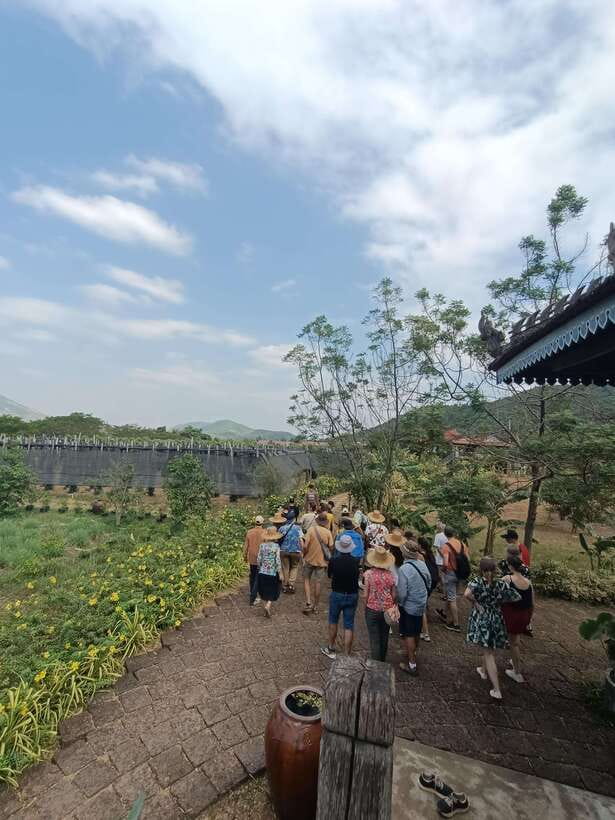
The longest stop is La Plantation, reached after another 15-minute tuk tuk ride. You spend about two hours here, including a guided tour, pepper tasting, walking time, shopping, and a break.
This is the practical heart of the tour. Kampot pepper is one of the area’s best-known products, and the visit shows you how pepper is grown and processed. Tasting several varieties helps you notice differences that are easy to miss when pepper is just a shaker on a restaurant table.
The tastings are repeatedly singled out as a highlight, and the farm offers more than plain pepper samples. You may find unusual products such as pepper ice cream and pepper coffee, as well as spices and packets of pepper to take home. These extras are not the same as a full meal, but they make the stop more engaging than a basic plantation walk.
You have enough time here to avoid feeling rushed. That matters because a pepper farm is best enjoyed with time to look around, ask questions, sample products, and decide what you actually want to buy. The farm also gives you a useful contrast with the salt visit: one is shaped by coastal water and seasonal work, the other by careful cultivation and processing.
Shopping is optional, so you are not required to buy anything. Still, this is the easiest place on the route to pick up a practical souvenir. Pepper is light, easy to pack, and tied directly to the area.
Kep Crab Market, Old Buildings, and Beach Time
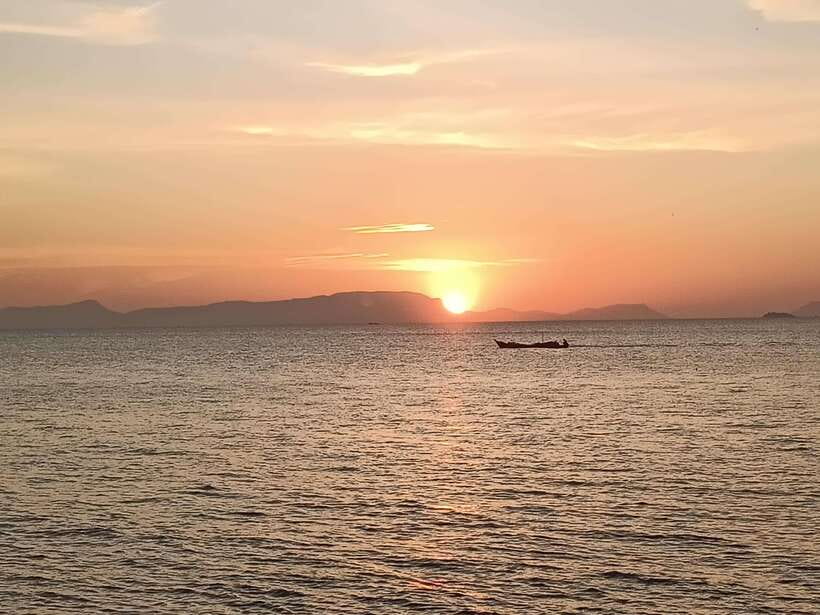
From La Plantation, the tuk tuk ride to Kep takes about 40 minutes. You have roughly an hour and a half in the province, with time for the crab market, a meal or seafood tasting, old abandoned French buildings, and the beach.
Food is not included, so budget separately for lunch or crab. Your guide can recommend a restaurant, and several people enjoyed eating fresh Kep crab during this part of the day. If you love seafood, this can be a satisfying finish. If you do not eat seafood, you should ask about other choices before ordering, since the description of the stop focuses heavily on crab and local seafood.
The market gives you a look at Kep’s coastal food culture. You can browse, eat, and watch the trade around freshly caught seafood. It is more about local atmosphere and lunch than about a formal attraction.
The abandoned French-era buildings add a historical layer. They are not presented as a restored monument or a major museum, so keep your expectations modest. You are seeing remnants of an older period in Kep, then moving on to the beach for a chance to relax.
Kep is the most subjective stop. Some people love the seafood and seaside pause, while others find the town less impressive than the cave or pepper farm. I see it as a useful change of pace after a day of stops. You can sit by the water, walk, eat, and let the day slow down before the 45-minute ride back to Kampot.
The Tuk Tuk Ride: Scenic, Flexible, and Exposed
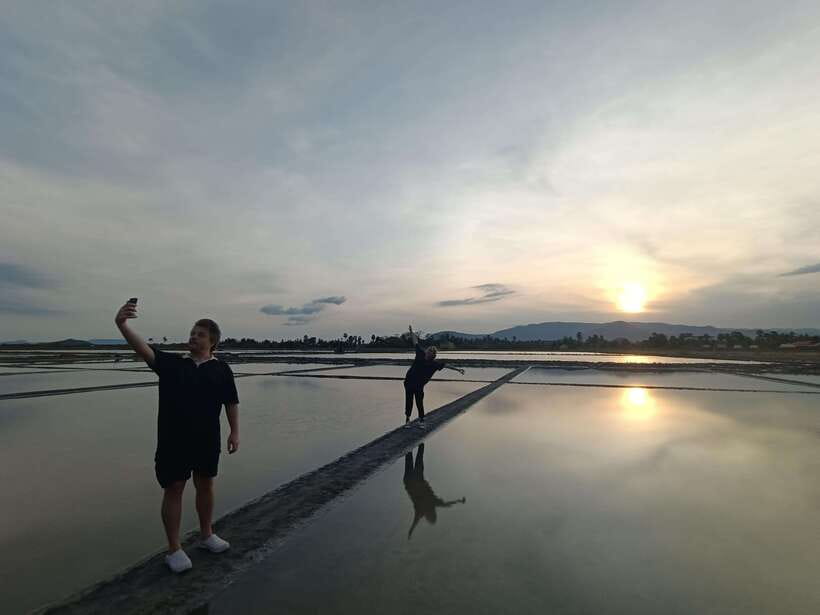
The transport is part of the experience, not just a way to get between sights. The listed travel times add up to around three hours, including the final return to Kampot. That gives you a real sense of the province, but it also means you spend a substantial part of the day on the road.
Several guides are also the drivers. That arrangement can work well because you have one person managing timing, directions, explanations, and stops. The strongest feedback focuses on careful driving, comfortable tuk tuks, good English, and a willingness to pause for extra photographs or questions.
You should carry cash, as requested for the activity, and bring sun protection. Water and a fresh coconut are included, which is welcome on a hot day. Food is not included, and the crab meal in Kep is an additional expense.
Pickup normally begins at the meeting point opposite Epic Art Cafe. Direct pickup and drop-off at hotels or restaurants in Kampot town are also available. Pickup farther than three kilometers from the meeting point may cost extra, so confirm this before booking.
Who Will Get the Most From This Day
I would recommend this tour if you want to see several sides of Kampot in one day without hiring separate transport. It suits first-time visitors, couples, solo guests, and small groups who enjoy local food, history, countryside views, and a flexible pace.
It is particularly good for you if pepper production interests you. La Plantation receives the most enthusiastic attention, and two hours gives you enough time to make the visit worthwhile. It also suits anyone who wants a real historical stop, since Phnom Chhngok and Brateak Krola Lake offer more substance than a simple photo route.
You may want a different plan if you dislike long tuk tuk rides, stairs, heat, or unplanned weather. The schedule is full, and the day does not provide much empty time before Kep. It is also not ideal if you want a quiet beach day, because the seaside stop lasts about 90 minutes after a full morning and early afternoon of sightseeing.
The activity is not suitable for people over 95 years old, according to the provided conditions. For anyone else, the main physical question is the 203-step climb and the comfort of spending much of the day outdoors.
Is the $26 Price Good Value?
At $26, the value is strong if you use the whole day. You receive transport, a guide, entrance fees, water, coconut, and pepper tasting, while visiting four distinct types of place: a salt facility, cave temple, historic lake, pepper farm, and coastal town.
The price does not cover lunch, seafood, or purchases at La Plantation. That is reasonable, since food choices and shopping vary. You should carry enough cash for Kep and any pepper products you want to take home.
The best comparison is not with a cheap city tuk tuk ride. It is with the cost and effort of arranging a driver, planning the route, paying separate entrance fees, and finding explanations at each stop. For a full day that covers Kampot and Kep, $26 is a practical deal.
Should You Book This Kampot Countryside Tour?
Book it if you want an efficient, friendly introduction to Kampot Province with plenty of local context. The best parts are Phnom Chhngok cave, the pepper tasting at La Plantation, and the chance to eat fresh crab in Kep. The guides are often praised for patience and flexibility, so ask questions and request a little extra time if a place interests you.
Skip it if you want a slow day, a major beach stay, or a carefully polished museum tour. The salt fields may be quiet outside harvest season, Kep may feel modest, and the open tuk tuk exposes you to heat and rain.
For most people spending a few days in Kampot, this is a sensible use of one day. It shows you the province through its work, food, history, and roads rather than through one single attraction.
FAQ
How long does the Kampot countryside tour last?
The tour lasts about eight hours, including the return to Kampot.
What is the tour price?
The price is $26 per person.
Is transportation included?
Yes. Transport is by tuk tuk, with pickup and drop-off available in Kampot town under the stated conditions.
Where does the tour normally begin?
The usual meeting point is opposite Epic Art Cafe. Direct hotel or restaurant pickup in Kampot town may also be available.
Is food included?
No. Food is not included. Lunch or seafood at Kep’s crab market must be paid for separately.
Is pepper tasting included?
Yes. A guided pepper tour and pepper tasting at La Plantation are included.
Which language does the guide speak?
The live guide speaks English.
How many steps lead to Phnom Chhngok Cave?
There are 203 steps to the cave entrance.
What should I bring?
Bring cash. Water and a fresh coconut are included, but cash is useful for food and shopping.
Can I cancel the booking?
You can cancel up to 24 hours in advance for a full refund. The activity also allows you to reserve now and pay later.
Just added around Kampot and Kep
- Trip with Local tuk tuk to Country side & Pepper farm…★ 5.0 · 13 reviews
- Cooking Class at La Plantation★ 5.0 · 16 reviews
- KAMPOT- Pepper farm ..salt fields.Kep/Crab market & more……..★ 4.5 · 12 reviews
- Kampot Tuktu tour: Pepper farm, Salt field & Secret lake★ 5.0 · 17 reviews
- Private Kampot Countryside Tour & Pepper farm, Kep/Crab Market★ 5.0 · 21 reviews
- Kampot/Cambodia pepper farm . Cave. lake. Kep Crab market & more.★ 5.0 · 27 reviews
- Exploring the Best of Kampot and Kep in a Full-Day Tour★ 5.0 · 13 reviews
- Kampot Classic Tour & Kayaking at the Green Cathedral with lunch★ 5.0 · 9 reviews
Pepper Farm Tours, compared.
Pepper Farm Tours, Salt, Lake & Phnom Chhngok Temple
Read our review →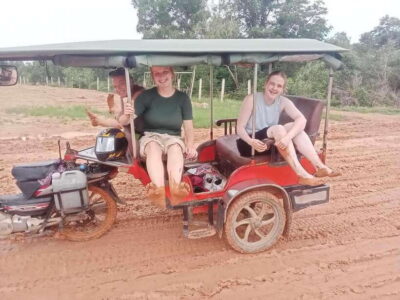
Tuk Tuk Trip to Pepper Farm, Kep, Crab Market & More
Read our review →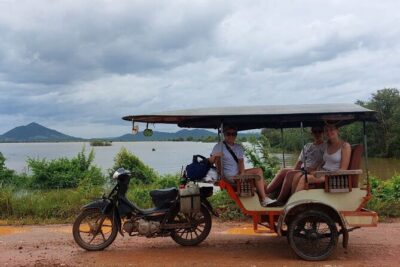
Kampot Tour Pepper Plantation, Salt Field, Cave, Secret Lake
Read our review →
Kampot Countryside include Pepper farm, Salt field & Lake
Read our review →
La Plantation tour (discovering Kampot Pepper) + Lunch
Read our review →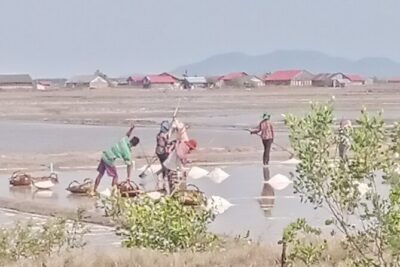
KAMPOT TRAVEL-Pepper farm. Cave.Secret lake-Crab market & Salt…
Read our review →
Kampot’s Countryside & Kayak Tour, Pepper Farm include Lunch
Read our review →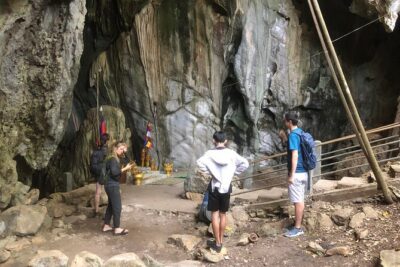
Kampot Countryside Tour – Pepper Farm, Salt Lake, Caves, and more
Read our review →Browse the lists this tour appears in