
Reviewed · PEPPER FARM TOURS
Kampot Tour Pepper Plantation, Salt Field, Cave, Secret Lake
The best part of this Kampot tour is the way it links working countryside with a first-rate pepper farm. You move from salt production to an old cave temple, a Khmer Rouge era dam, and finally La Plantation, where pepper becomes more than a spice on a restaurant table. I like the relaxed tuk tuk pace and the chance to hear local stories from guides such as Roy and Wandon.
I also like the generous half-day shape, with pickup in central Kampot, cold drinking water, and enough time at La Plantation for a proper tour and tasting. The trade-off is the road: expect red dust, bumps, and heat, especially on the route to the cave and plantation. Bring a mask or scarf in the dry season, and wear shoes with a good grip.
Key points to know before booking
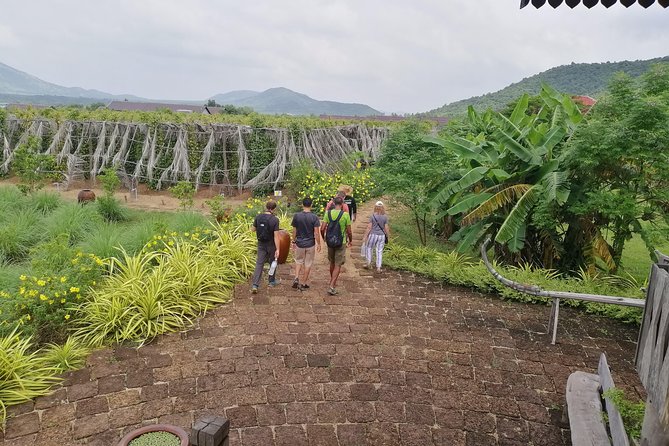
- La Plantation is the main event: Allow two hours to learn how Kampot pepper is grown, processed, and tasted, with a shop and restaurant on site.
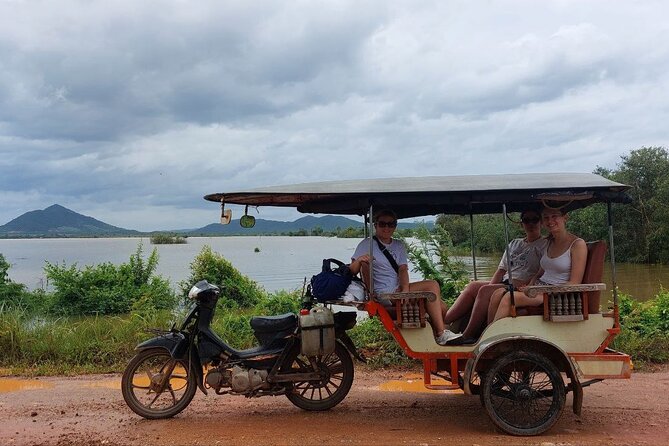
- The tuk tuk ride is part of the experience: Rice fields, village roads, and countryside views come with plenty of dust and jolts.
- Phnom Chhngok Cave Temple needs care: The steps are manageable for many people, but the cave can be slippery, dark, and hot.
- Secret Lake is really a dam: Brateak Krola has a serious Khmer Rouge era history, but the stop itself is short and beside a road.
- Salt fields depend on conditions: They are most interesting when salt work is active and the weather is dry.
- The guide can make the day: Roy and Wandon are singled out for clear English, humor, local knowledge, and flexible pacing.
A countryside tour with pepper at its heart
This is not a grand temple circuit or a polished sightseeing bus ride. It is a small-group outing into the countryside around Kampot, using a tuk tuk and local guide to connect several modest but meaningful places.
At $20 per person, the tour offers good value if you want variety in a single morning or afternoon. Transportation, an English-speaking driver-guide, hotel pickup and drop-off in central Kampot, cold water, and entrance arrangements are listed as included. The tour lasts roughly five to six hours, with a maximum of 16 people.
The value depends heavily on what you want from a day out. If you want one spectacular monument, this is not the right choice. If you want to see how salt is made, enter an old cave shrine, hear difficult Cambodian history, and understand why Kampot pepper has such a strong reputation, the mix works well.
I would think of the salt fields, cave, and dam as supporting acts. La Plantation supplies the strongest reason to book, while the tuk tuk ride ties the day together and gives you a look at rural Cambodia outside the town center.
More Kampot pepper farm afternoons:
- Kampot: Pepper Farm Tours, Salt, Lake & Phnom Chhngok Temple
★ 4.8 · 432 reviews - Kampot: Full-day Countryside Tour with Pepper Farm and Kep
★ 4.9 · 245 reviews - Kampot: Tuk Tuk Trip to Pepper Farm, Kep, Crab Market & More
★ 4.9 · 143 reviews
The tuk tuk ride through Kampot’s back roads
The transport is a tuk tuk rather than an air-conditioned car. That matters. You get open views, moving air, and a close look at rice fields and village life, but you also feel the condition of the roads.
The route to Phnom Chhngok Cave and La Plantation includes winding dirt roads that can be rough and dusty. In the dry season, red dust may blow into the tuk tuk, so a face covering is a sensible addition. Sunglasses and a hat also help. During wet weather, the salt fields may not be active, and dirt roads can become less comfortable.
The ride itself is part of the appeal. You are not sealed behind glass, and the countryside passes at a pace that lets you notice homes, crops, roadside activity, and broad rice fields. The downside is that a bumpy road can become tiring, particularly for anyone with back problems or a dislike of open-air transport.
Your driver also serves as your English-speaking guide. Roy and Wandon are names worth noting because the tour’s quality appears closely tied to the person behind the handlebars. Roy is described as punctual, clear, friendly, and flexible. Wandon is praised for fluent English, humor, and strong knowledge of the stops. Ask questions as you go. The stories about local work and daily life are likely to be as useful as the formal stops.
Salt fields and the rhythm of seasonal work
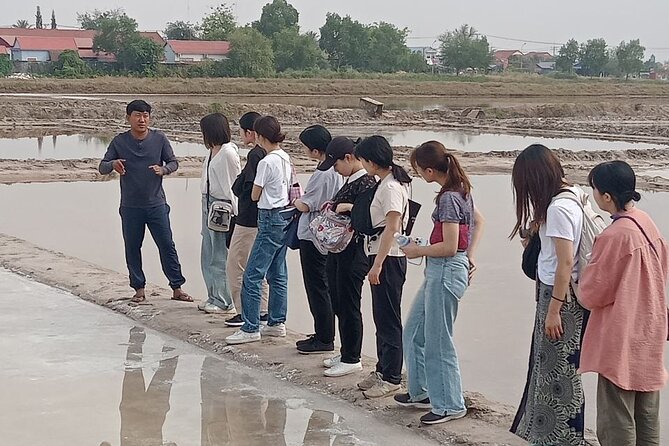
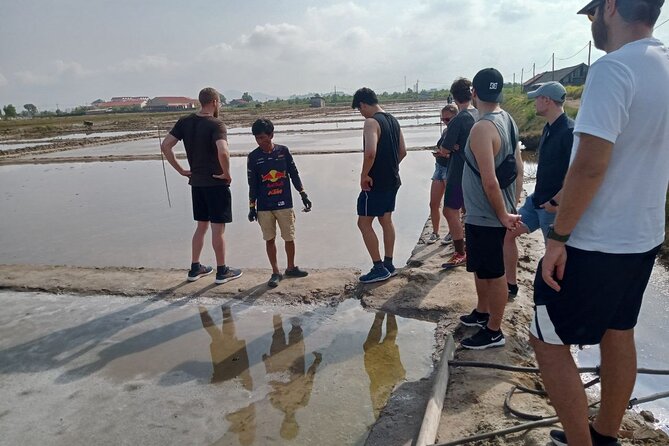
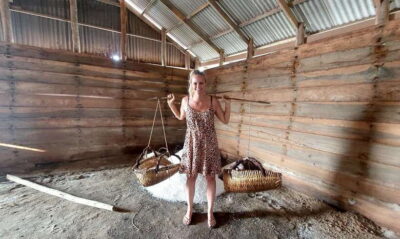
The first stop takes about 30 minutes and requires no admission fee. You head outside town to see salt fields and the people who work them.
This is a practical stop rather than a grand attraction. You are seeing a local industry, not a staged cultural display. Cambodia produces and exports salt products, and the fields show how work, weather, and land use come together in a very simple setting.
The season makes a real difference. In dry, sunny conditions, the salt fields can be striking, especially when the sun catches the pale surfaces. In the rainy season, production may not yet be active, and rain can limit what you see. Even then, a good guide can explain the process and the role of the fields.
I would keep expectations measured here. The stop is short, and there may be little activity if the weather is wrong. Still, it gives the tour a useful beginning. Before you taste premium pepper at the end of the day, you see another Cambodian product being made through patient, physical work.
Phnom Chhngok Cave Temple and the climb underground
The cave temple is the most unusual historical stop. Phnom Chhngok sits beyond a rough, winding road, and the approach includes countryside views and a walk through a working crop area.
The temple is small and old, with one especially interesting claim in the supplied information: it predates Angkor Wat. That does not make it a rival to Angkor Wat in size or decoration. Its appeal is the setting, the age, and the feeling of reaching a sacred place inside a natural cave rather than entering a formal temple complex.
Allow around 30 minutes at the stop, though the actual visit can feel longer because of the climb and uneven ground. There are steps up to the cave, and heat can be a bigger challenge than the number of steps. In April, Cambodia’s hottest period, the climb may be demanding.
Inside, take care. One route farther through the cave has slippery surfaces and large drops. The safer advice is to return by the steps rather than pushing deeper through the cave simply to find another exit. Wear sturdy shoes, move slowly, and follow your guide’s instructions.
This is not a stop for rushing or elegant footwear. It suits you if you enjoy rough-edged historic places and do not mind sweat, dust, or uneven surfaces. It is less suitable if you need level access or prefer a polished attraction with railings and bright lighting.
A few more Kampot and Kep half-days worth weighing up
- Discovery Tour: Caving, Climbing, Via Ferrata and Abseiling in Kampot
★ 5.0 · 172 reviews - Kampot: Bokor Mountain Classic or Sunset Tour
★ 4.7 · 147 reviews - Green Cathedral Kayaking Journey & Reflection River View
★ 4.8 · 123 reviews - Kampot Countryside include Pepper farm, Salt field & Lake
★ 4.9 · 100 reviews
Brateak Krola, the so-called Secret Lake
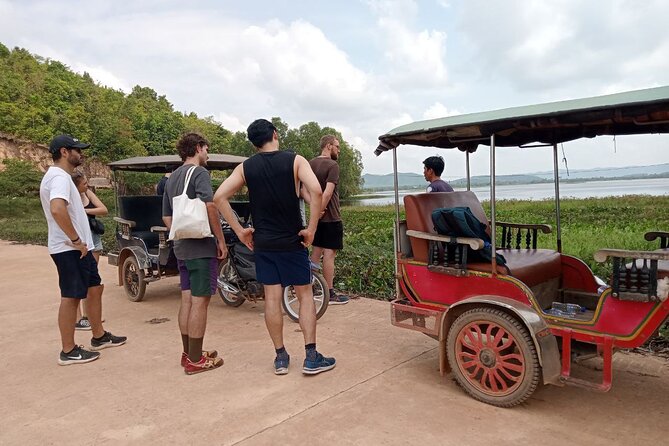
The next stop lasts only about 15 minutes. Brateak Krola is often called Secret Lake, though the name can set the wrong expectation.
It is not a secluded natural lake. It is a large man-made dam built during the Khmer Rouge era using forced labor. The view is open and broad, but the history is painful. A guide such as Roy may use the stop to explain Cambodia’s recent past and share personal thoughts about the country’s present condition.
That context gives the place weight. Without an explanation, you might see only water beside a fairly busy road and wonder why it is included. With the history, the stop becomes a reminder that Cambodia’s rural scenery can conceal difficult stories.
Still, keep the physical visit brief. The lake is not secret in the usual sense, and it is not the most scenic or secluded part of the outing. I would treat it as a short historical pause rather than a major attraction. The guide’s explanation is the important part.
La Plantation and the many faces of Kampot pepper
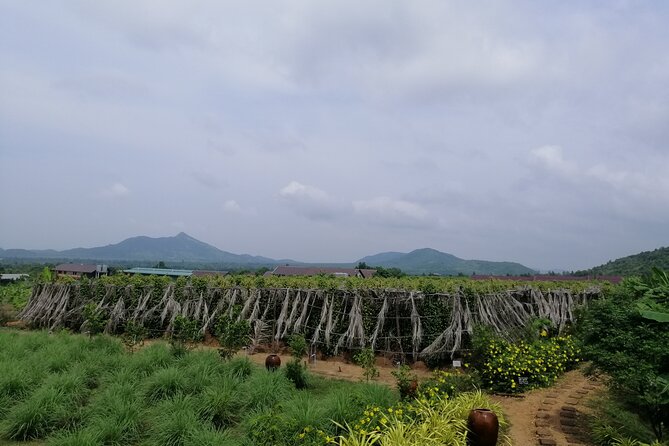
La Plantation is where the tour earns its place on your schedule. The visit lasts about two hours, giving you time to walk through the pepper farm, learn how the crop is grown, and taste different products.
Kampot pepper is valued for its flavor and regional identity, so this stop adds context to something you may otherwise buy in a market without much thought. You see the traditional production method and learn how the pepper is handled. The visit is more than a quick photo stop. It explains why the product costs more than ordinary supermarket pepper.
The tasting session is a major part of the appeal. You can sample different peppers and products made at the plantation. Pepper ice cream is the unusual item to watch for. It sounds odd, but the sweet and spicy combination is exactly the sort of small surprise that makes a farm visit memorable.
La Plantation also has a restaurant, and some visitors choose to stay for lunch. The day’s advertised tour does not include meals, so budget separately if you want to eat there. There is also an on-site shop. Prices may be higher than at a general market, but the products are tied directly to the farm and are presented as high quality.
A French-speaking guide is available at La Plantation only. The main tour guide is an English-speaking driver-guide, so do not assume that a French-language guide covers the full outing.
The plantation is especially good for anyone interested in food, farming, regional products, or thoughtful souvenirs. It is also the stop most likely to justify the tour price by itself, particularly if you appreciate a clear explanation followed by tasting rather than simply browsing a shop.
What the guides add to the day
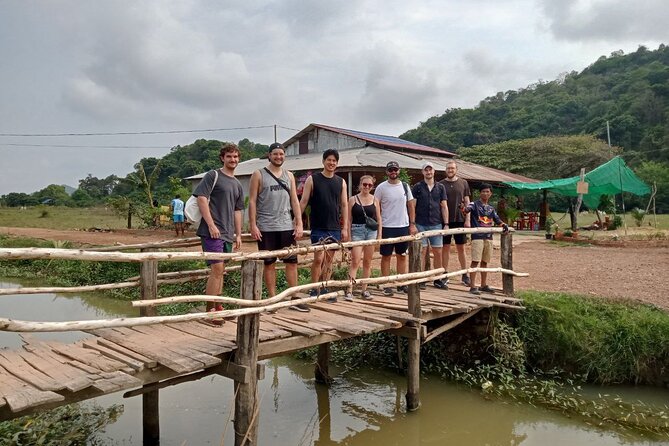
The guide is not a separate specialist who meets you at each site. Your tuk tuk driver normally handles both transport and guiding. That arrangement can work very well because the day feels personal and flexible, but it also means the experience depends on the individual assigned.
Roy is repeatedly described as punctual, friendly, polite, and easy to understand in English. He is also credited with sharing useful facts and local anecdotes without rushing people through the stops. Wandon is noted for humor, fluent English, and strong familiarity with the route.
A particularly nice touch is the possibility of stopping for local refreshments. One account describes fresh sugarcane juice and homemade snacks along the way. These extras are not listed as guaranteed inclusions, so treat them as possible additions rather than part of the formal package.
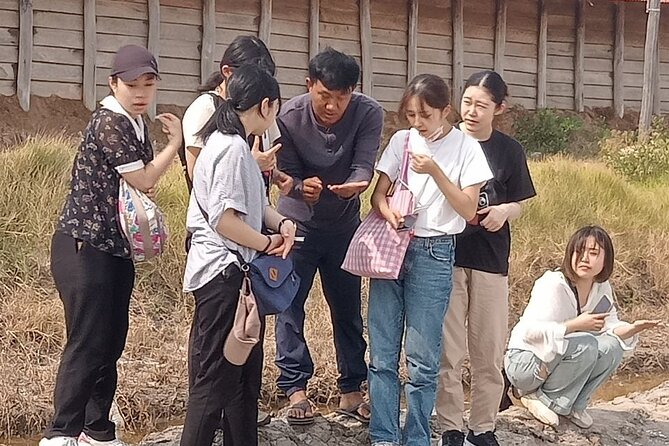
You may also hear personal stories about salt-field work and Cambodian life. Ask directly if that interests you. The strongest version of this tour is not just a transfer between attractions. It is a conversation on the road.
Price, timing, and practical value
The listed price is $20 per person. For a five to six-hour outing with tuk tuk transportation, a guide, central Kampot pickup and drop-off, and four varied stops, that is a reasonable price.
The cost becomes even easier to justify if you are traveling alone or as a couple and prefer a planned route. Hiring separate tuk tuks for the salt fields, cave, lake, and plantation may take more arranging, and you would need to negotiate each ride.
Be careful with extra stops. A trip to Kep is not part of the basic outing and may involve an additional charge. Agree on any added destination and the total price per person or per tuk tuk before leaving. Do not assume an informal suggestion is included.
There is also a small inconsistency in the supplied details: the cave stop says its admission is not included, while the main inclusions list says entrance fees are included. Confirm this before departure so there is no awkward surprise at the entrance.
Pickup is offered from hotels in Kampot city center. Pickup outside Kampot town is not included. The listed start time is 8:00 am, which is a sensible choice for avoiding the worst heat, though the cave and open tuk tuk can still become hot later in the morning.
The maximum group size is 16. That is not a private tour by default, but it is still smaller and more flexible than a large coach outing. Group discounts are available, though the exact reduction is not specified.
Who should book this Kampot excursion?
I would recommend it to you if you want to get beyond Kampot town and see several sides of the region in one outing. It suits people who enjoy food production, rural roads, local history, and informal guiding.
It is a particularly good fit if you are staying in Kampot for only a short time and want a broad introduction. You get salt, pepper, farming, a cave, and a difficult chapter of modern Cambodian history without having to organize separate rides.
Families with older children may enjoy the variety, but the cave needs supervision. Anyone sensitive to dust, heat, or jolting roads should choose clothing and transport expectations carefully. The tour is not ideal for people who need step-free access, dislike uneven surfaces, or want a cool, quiet vehicle.
Food lovers should give it extra weight because of the plantation tasting and possible lunch. History-minded visitors will value the cave and dam, though neither site has the scale or polish of Cambodia’s major temple complexes.
Should you book it?
Book this tour if you want an authentic-feeling countryside morning with a strong food stop at the end. La Plantation is the deciding factor, and the rest of the route gives it useful context.
Skip it if you are looking only for a dramatic lake, a secret location, or a smooth road journey. The lake is man-made and roadside, the salt fields depend on the season, and the cave requires care.
For most visitors staying in Kampot, the $20 price is fair. Bring water beyond the supplied bottle, a mask or scarf for dust, sun protection, sturdy shoes, and a flexible attitude. Confirm the cave fee and any extra destination costs before setting off, then let the guide shape the day.
FAQ
How long does the Kampot tour last?
The tour takes approximately five to six hours.
What time does the tour start?
The listed start time is 8:00 am.
Where does hotel pickup take place?
Pickup and drop-off are available from hotels in Kampot city center. Pickup outside Kampot town is not included.
What transportation is used?
The tour uses a tuk tuk. The driver also acts as the English-speaking guide.
Is the tour private?
The tour can include a group of up to 16 people. The supplied information does not state that every booking is private.
Is food included?
Meals are not included. La Plantation has a restaurant, and you can choose to eat there separately.
Is a French-speaking guide available?
A French-speaking guide is available at La Plantation only. The main tour uses an English-speaking driver-guide.
Can I cancel the tour for a refund?
You can cancel at least 24 hours before the start time for a full refund. Cancellations or changes made less than 24 hours before the start time are not accepted for a refund.
Just added around Kampot and Kep
- Trip with Local tuk tuk to Country side & Pepper farm…★ 5.0 · 13 reviews
- Cooking Class at La Plantation★ 5.0 · 16 reviews
- KAMPOT- Pepper farm ..salt fields.Kep/Crab market & more……..★ 4.5 · 12 reviews
- Kampot Tuktu tour: Pepper farm, Salt field & Secret lake★ 5.0 · 17 reviews
- Private Kampot Countryside Tour & Pepper farm, Kep/Crab Market★ 5.0 · 21 reviews
- Kampot/Cambodia pepper farm . Cave. lake. Kep Crab market & more.★ 5.0 · 27 reviews
- Exploring the Best of Kampot and Kep in a Full-Day Tour★ 5.0 · 13 reviews
- Kampot Classic Tour & Kayaking at the Green Cathedral with lunch★ 5.0 · 9 reviews
Pepper Farm Tours, compared.
Pepper Farm Tours, Salt, Lake & Phnom Chhngok Temple
Read our review →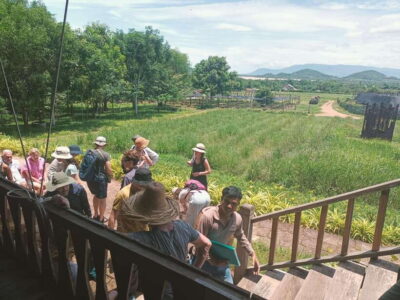
Full-day Countryside Tour with Pepper Farm and Kep
Read our review →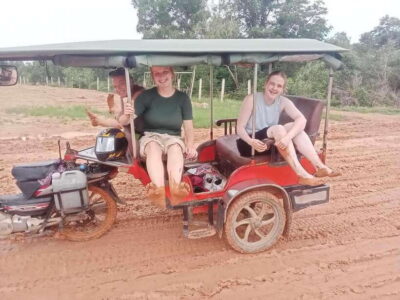
Tuk Tuk Trip to Pepper Farm, Kep, Crab Market & More
Read our review →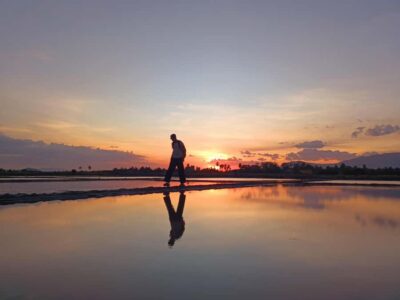
Kampot Countryside include Pepper farm, Salt field & Lake
Read our review →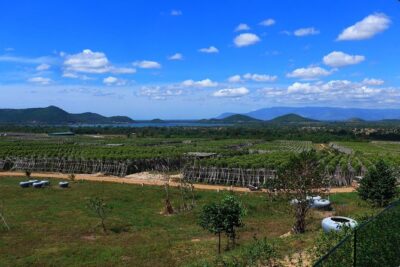
La Plantation tour (discovering Kampot Pepper) + Lunch
Read our review →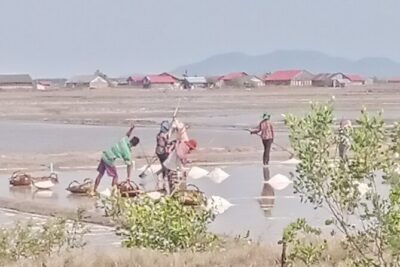
KAMPOT TRAVEL-Pepper farm. Cave.Secret lake-Crab market & Salt…
Read our review →
Kampot’s Countryside & Kayak Tour, Pepper Farm include Lunch
Read our review →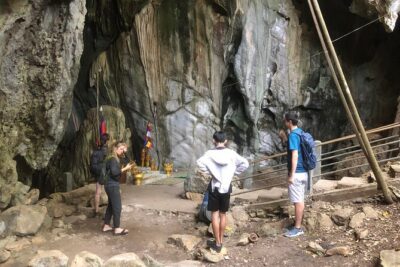
Kampot Countryside Tour – Pepper Farm, Salt Lake, Caves, and more
Read our review →Browse the lists this tour appears in