
Reviewed · WATER BLESSING CEREMONIES
Siem Reap Cambodian Buddhist Water Blessing and Local Market
At an ancient pagoda south of Siem Reap, you receive a traditional Buddhist water blessing from resident monks, then finish with red ties around your wrist. I like that the ritual is explained rather than treated as a quick photo stop, and I like the pairing with a local market, where you can learn about Cambodian specialties and taste a few items. Guide Seila has earned particular praise for making the ceremony clear and meaningful.
The main consideration is timing. The blessing itself takes about an hour, but the complete outing can run from two to five hours depending on the starting time and schedule. You also need to respect pagoda customs, and the longer blessing involves water poured over your head, so plan to use the provided sarong.
Key points at a glance
- Choose between two blessings: Receive a light water sprinkling with chanting, or take part in the longer ritual with blessed water poured over your head.
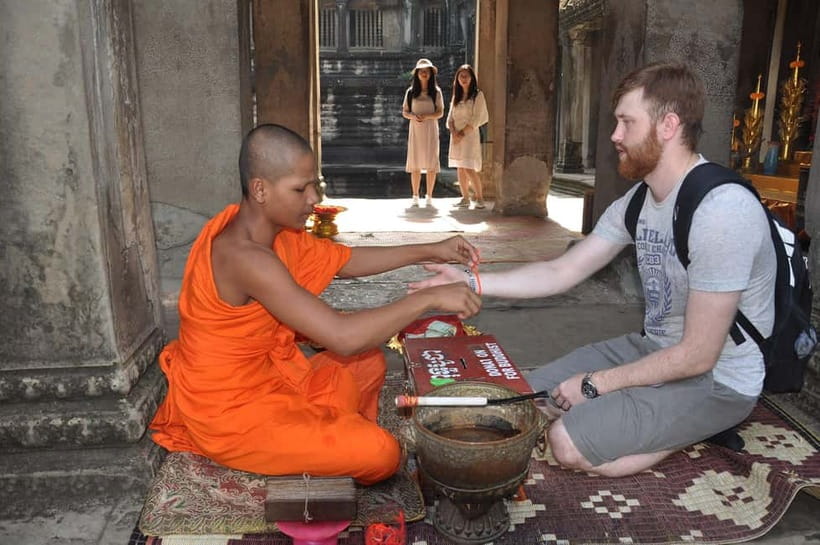
- Red wrist ties mark the ceremony: Monks tie special red strings around your wrist at the end of the blessing.
- Visit a real countryside pagoda: The setting is south of Siem Reap, away from the main temple circuit.
- Travel by tuk-tuk: Transfers take about 15 minutes each way from the listed Siem Reap pickup areas.
- Explore a local market: Your guide explains Cambodian specialties, with the chance to taste a few items.
- Good value at $19: The fee includes the guide, tuk-tuk transfer, sarong, pagoda donation, and market visit.
Why this blessing feels different from a temple photo stop
Siem Reap is famous for the temples of Angkor, but Cambodian Buddhism is not just carved stone and grand gateways. It is also found in living pagodas, chanting monks, simple rituals, and small gestures of good fortune.
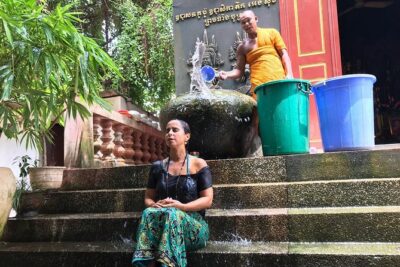
This experience brings you into that everyday spiritual world. At a pagoda in the countryside south of Siem Reap, monks perform a water blessing for safe travel, good luck, and long life. The ceremony is a quiet contrast to the scale of Angkor Wat. Instead of looking at an old religious site from a distance, you take part in a custom that is still practiced.
I like the way the outing joins two very different parts of Cambodian life. The pagoda gives you a formal ritual and a chance to learn about Buddhist beliefs. The market gives you a more informal look at food and local shopping. Together, they make a fuller short excursion than a blessing alone.
Your guide matters here. The ceremony may be unfamiliar, and the meaning of the chanting, water, and wrist ties is not always obvious without explanation. Seila has been singled out for explaining the blessing and pagoda visit in detail, which is exactly the kind of help that makes this activity worth booking.
More Market Tours in Siem Reap
- Siem Reap: Morning Bike Tours with Local Market & Lunch
★ 5.0 · 52 reviews - 3-Hour Siem Reap Guided Cooking Class and Market with Pick up
★ 4.5 · 26 reviews - Morning Cooking Class and Market Tour in Siem Reap
★ 5.0 · 18 reviews
The 15-minute tuk-tuk ride south of Siem Reap
The tour begins with a tuk-tuk transfer from one of the listed pickup points in Siem Reap Province or Krong Siem Reap. The ride to the countryside pagoda takes about 15 minutes, followed by a similar ride back later.
That short journey is useful in two ways. First, it keeps the outing easy to fit around other plans. Second, the tuk-tuk gives the experience a local feel without turning transport into the main event. You are not spending hours on the road for a brief ceremony.
Hotel pickup is optional. If you select it, the guide and driver are scheduled to collect you about 30 minutes before departure. Provide the hotel address clearly, along with a hotel contact if available. This is a small but important practical point in Siem Reap, where clear pickup details can save time.
The exact start time depends on availability, and the full duration is listed as two to five hours. The published route includes about 15 minutes to the pagoda, roughly 105 minutes at the pagoda and surrounding stop, about 45 minutes at the market, and 15 minutes back. Allow extra time because the schedule may vary.
What happens at the countryside pagoda
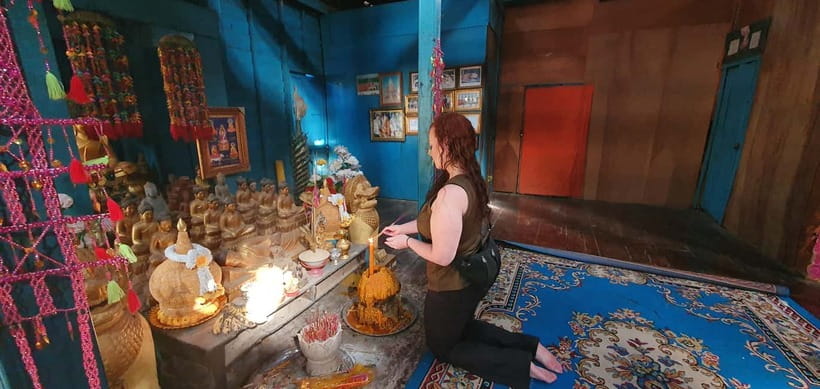
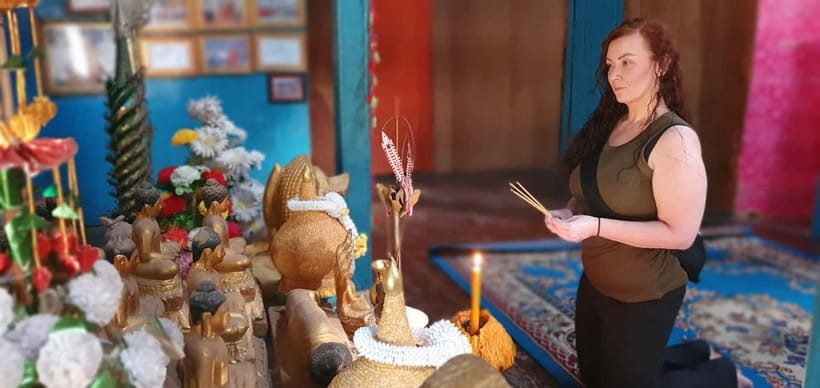
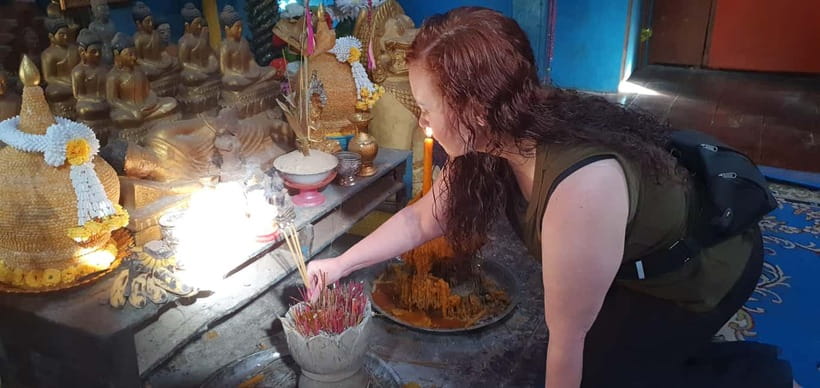
The pagoda visit is the heart of the experience. You will have time for a guided visit and photo stop before or around the blessing, with your guide explaining the setting and the ritual.
The pagoda is described as ancient, and the practice of water blessing reaches back to old Cambodian traditions. The important point for you is that this is not presented as a staged performance. You are taking part in a religious custom with monks who live at the pagoda.
Your guide should explain how to behave and what is happening before the ceremony begins. Listen closely, follow the instructions, and treat the space with the same care you would give any active place of worship. Alcohol and drugs are not allowed, and respectful conduct is essential.
The setting may appeal most to you if you want an experience connected to Cambodian life rather than another major monument. It is also a good choice for someone who has already visited Angkor and wants to understand more about the beliefs that shaped the region.
Choosing between the two water blessings
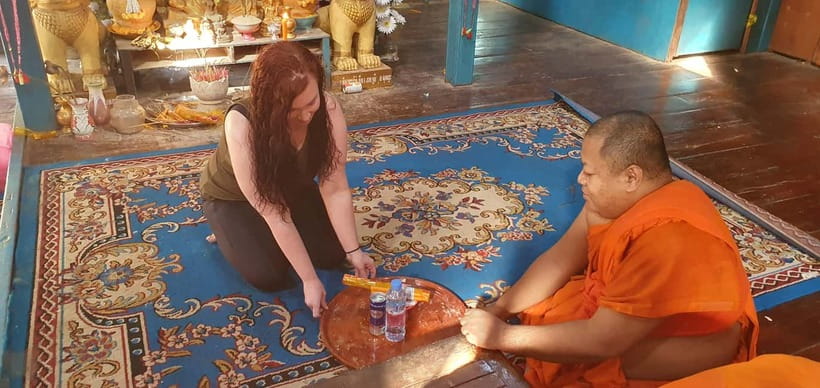
You can choose between two forms of blessing. Both include monk chanting and blessed water, but the experience is different.
The first is the lighter option. Monks chant as they wish you good luck, safe travel, and a long life, while lightly sprinkling you with water. This is the simpler choice if you want to take part in the tradition without changing clothes or getting thoroughly wet.
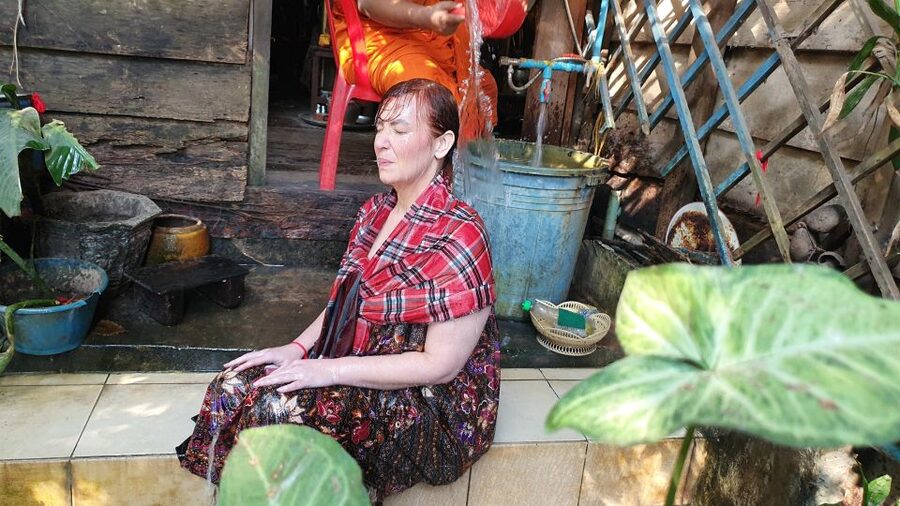
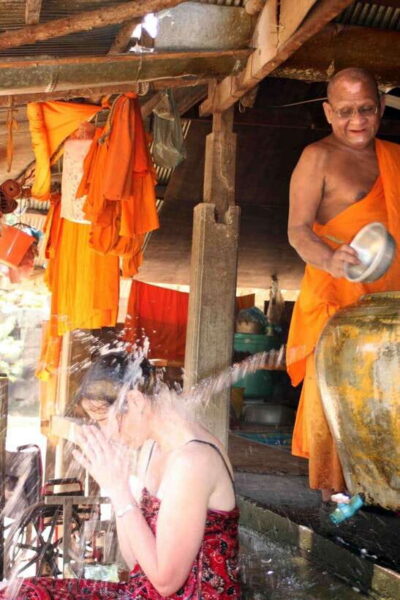
The second is a longer ritual. Monks chant while vessels of blessed water are poured over your head. You receive a sarong to change into so your own clothing stays dry.
The longer ceremony is likely to feel more intense and ceremonial, but it also requires a little more preparation. If you choose it, wear clothing that is easy to change out of and keep your expectations practical. This is a water ritual, not a polished spa treatment. The provided sarong solves the main clothing problem, and the tour includes it in the price.
I like that you have a choice rather than being placed into one format. You can select the gentler sprinkling or the fuller ritual based on your comfort and interest. Ask your guide about the options before the ceremony if you are unsure.
More water-blessing ceremonies near Siem Reap:
- Siem Reap: 1-Hour Cambodian Buddhist Water Blessing
★ 4.9 · 68 reviews - Monk Blessing Ceremony in Siem Reap
★ 5.0 · 24 reviews - Private Guided Angkor Wat Tour by Lady Tuk Tuk with Monk Blessing
★ 5.0 · 19 reviews - Siem Reap: Khmer Water Blessing by Monk and Lotus Farm Visit
★ 5.0 · 15 reviews
The red wrist ties and what they add
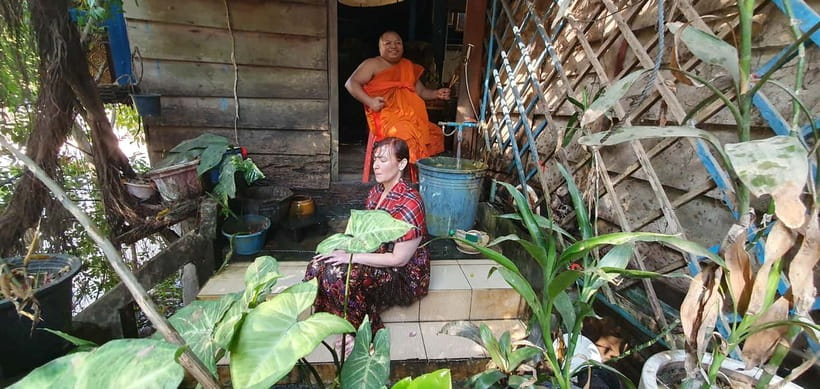
At the end of the blessing, the monks tie special red strings around your wrist. These ties mark the blessing you have received and give you a small physical reminder of the ceremony.
It is an especially memorable detail because it lasts beyond the pagoda visit. You carry the wrist ties through the rest of your Siem Reap stay, and they quietly recall the good wishes offered during the chanting.
The strings are also part of why this feels more personal than a short stop for photographs. You are not simply observing a monk at work. You are included in a ritual with a clear beginning, ceremony, and closing gesture.
Your guide can help explain the meaning of the blessing, but you should avoid treating the wrist ties as a souvenir to be handled casually. They are connected to the ritual and deserve respect.
A 45-minute walk through a local market
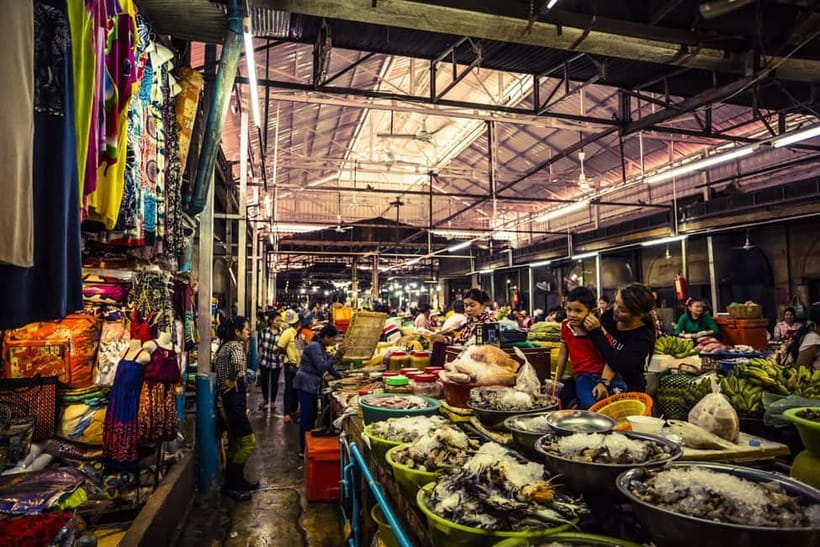
After the pagoda, the outing continues at a local market, with about 45 minutes set aside for a guided visit, walking, and shopping. This part gives the tour a change of pace. The pagoda is quiet and focused; the market is practical and sensory.
Your guide explains Cambodian specialties and helps you understand what you are seeing. You may also taste a few items. The exact food available can vary, so treat the tasting as an added possibility rather than a set menu.
I like the market stop because it keeps the activity from being only ceremonial. Food is one of the easiest ways to connect a short tour to daily life. You can ask questions, look at ingredients, and see what people buy locally.
The 45-minute limit is also sensible. It gives you enough time to walk around and learn without making the market the whole afternoon. You may have an opportunity to shop, but personal purchases are not included. Bring a little extra money if you want to buy something, and remember that personal expenses are your responsibility.
Do not expect a large shopping program or a restaurant meal. This is a guided local-market visit attached to the pagoda experience. Its value comes from context and explanation, not from the amount of time spent buying things.
What the $19 price includes
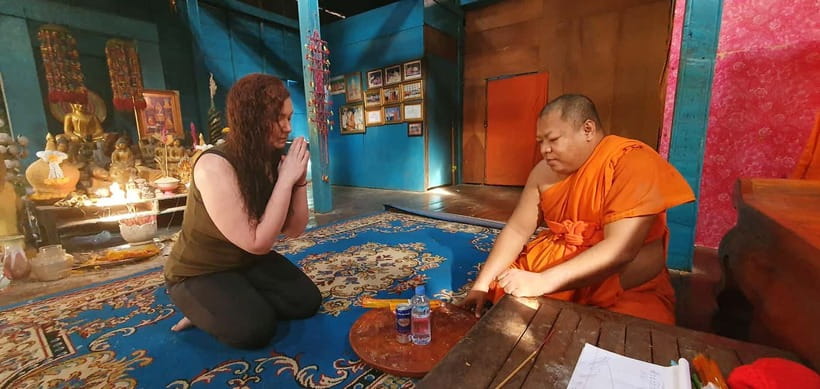
At $19 per person, this is a low-cost cultural outing. The price includes a live guide, tuk-tuk transfer, a sarong for the longer blessing, a donation to the pagoda, and the market visit.
The pagoda donation is worth noting. It means the activity accounts for a contribution connected to the religious site rather than leaving you to work out that part on your own. The sarong also removes a practical worry if you choose the water-pouring ceremony.
I see the strongest value in the combination. A short tuk-tuk transfer, guided explanation, religious ceremony, pagoda donation, and market visit would be separate tasks if arranged independently. At this price, you are paying mainly for access, transport, and a guide who can connect the pieces.
The price does not include personal expenses. That means shopping and anything else you choose to buy at the market are extra. The description does not specify additional food costs, so ask your guide if you want to clarify what tasting is included on the day.
Who should book this experience
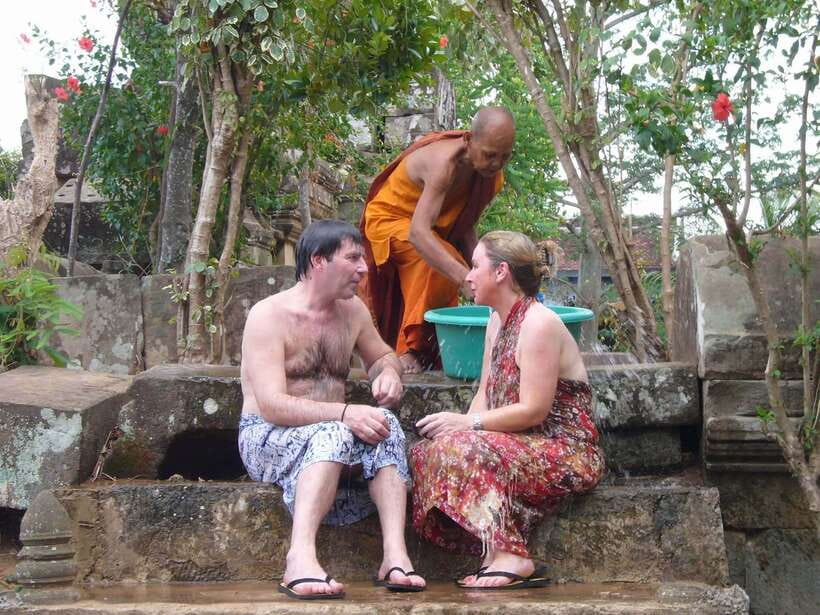
I would recommend this for you if you want a small cultural activity that goes beyond temple sightseeing. It suits first-time visitors who want a simple introduction to Buddhist practice, as well as people who have already seen Angkor and want a different side of Siem Reap.
It is also a good fit for people who appreciate explanation. The ceremony is more meaningful when you understand why the monks chant, why water is used, and what the red wrist ties represent. A guide who explains the ritual well can make the difference between a respectful experience and a confusing one.
Families and mixed-age groups may find the flexible blessing options helpful. The light sprinkling is less involved, while the longer ceremony offers a stronger ritual for those who want it. Small groups are available, which can make it easier to hear the guide and ask questions.
The experience is listed as wheelchair accessible, but the supplied details do not explain the exact conditions at the pagoda, market, or during the tuk-tuk transfer. If you use a wheelchair, confirm the practical arrangements before booking.
This may not be the right choice if you want a fully private, luxury, or highly structured religious visit. The duration can vary, the market is a working local stop, and the ceremony follows the pagoda’s practice rather than a tourist timetable.
Languages, group size, and booking flexibility
Live guiding is available in English, Chinese, and Cambodian. If the ritual’s meaning is your main reason for booking, choose the language in which you can ask the clearest questions.
A small-group option is available. That matters during chanting and instruction, since a smaller party should make it easier to hear what is being explained. Group size can affect the pace, so check the available option when you choose your time.
You can cancel up to 24 hours in advance for a full refund. You can also reserve now and pay later, which helps if you are still arranging your Siem Reap schedule. Starting times vary, so check availability rather than assuming the blessing runs at one fixed hour.
The activity has two listed pickup areas and two drop-off areas in Siem Reap Province and Krong Siem Reap. Hotel pickup can be arranged as an option, with collection about 30 minutes before departure.
What to wear and bring
The longer blessing includes a sarong so your clothing remains dry, but you still want to dress simply and comfortably. Choose clothes that are easy to change out of and avoid anything you would find difficult to manage at a pagoda.
For the lighter sprinkling, you may not need to change, but modest clothing is still the sensible choice for a religious site. The activity details do not specify a dress code, so follow your guide’s instructions when you arrive.
Bring money only if you plan to shop at the market. Personal expenses are not included. You should also keep your hotel pickup information handy if you have arranged collection, since the guide requests a clear address or hotel contact.
Most of all, bring patience. The blessing is a religious ritual, not a fast attraction checked off between larger sights. The ceremony may be brief or extended depending on your choice, and the total outing can last anywhere from two to five hours.
Should you book the Siem Reap water blessing?
Book it if you want a modestly priced, personal look at Cambodian Buddhist practice, especially if your Siem Reap plans already include Angkor’s major temples. The combination of monk chanting, blessed water, red wrist ties, a countryside pagoda, and a market visit gives you several useful layers in one short outing.
I would choose the longer water-pouring blessing if you want the strongest ritual experience and do not mind changing into the provided sarong. Choose the light sprinkling if you prefer something gentler and easier to fit into a busy day.
The $19 price is strong for what is included, and the guide is central to the value. Seila has been praised for explaining both the ceremony and the market clearly, but guide availability may vary. If you want a thoughtful introduction to local religious life, this is a good choice. If you want a fully private or predictable luxury excursion, spend your money elsewhere.
FAQ
How much does the Siem Reap Buddhist water blessing experience cost?
The price is $19 per person. It includes the tour guide, tuk-tuk transfer, sarong, donation to the pagoda, and local market visit. Personal expenses are not included.
How long does the activity take?
The total duration is listed as two to five hours. The route includes about 15 minutes by tuk-tuk each way, around 105 minutes at the pagoda and related stop, and about 45 minutes at the market. Starting times vary.
What languages are available for the guide?
Live guiding is available in English, Chinese, and Cambodian.
Can I choose the type of water blessing?
Yes. You can choose a blessing with chanting and light sprinkling, or a longer ritual in which blessed water is poured over your head. A sarong is provided for the longer option.
Is hotel pickup available?
Pickup is optional. The guide and driver can collect you from your hotel about 30 minutes before departure. You should provide the hotel address clearly or give a hotel contact.
Can I cancel the booking?
You can cancel up to 24 hours in advance for a full refund. Reserve now and pay later is also available.
Just added around Siem Reap
- Twilight Tastes of Siem Reap Include Dinner★ 5.0 · 13 reviews
- Ultimate Sunrise to Angkor Wat, Angkor Thom and Bayon Temple★ 5.0 · 3 reviews
- Trekking Tour at Phnom Kulen National Park from Siem Reap★ 5.0 · 3 reviews
- Professional Photo Shoot in Angkor Archaeological Park, Siem Reap★ 5.0 · 42 reviews
- Full-Day Private Tour of Angkor Wat with Pick Up★ 5.0 · 12 reviews
- Unveiling 2 Days Private Angkor Wat/Beyond In Sunrise/Sunset Tour★ 5.0 · 48 reviews
- Siem Reap City Tour with War Museum and Killing Field★ 5.0 · 27 reviews
- Private Day Trip to Angkor Temples with Expert Guide★ 5.0 · 4 reviews
Water Blessing Ceremonies, compared.
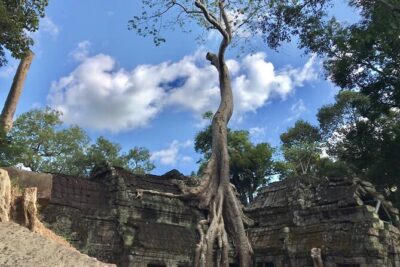
Private Guided Angkor Wat Tour by Lady Tuk Tuk with Monk Blessing
Read our review →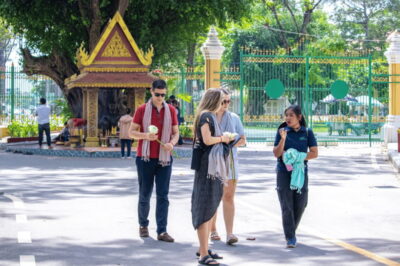
Khmer Water Blessing by Monk and Lotus Farm Visit
Read our review →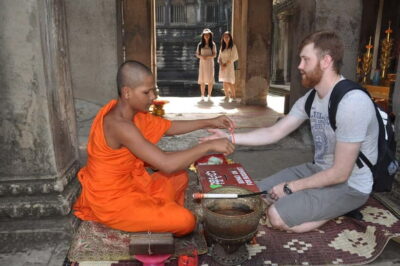
Siem Reap Cambodian Buddhist Water Blessing and Local Market
Read our review →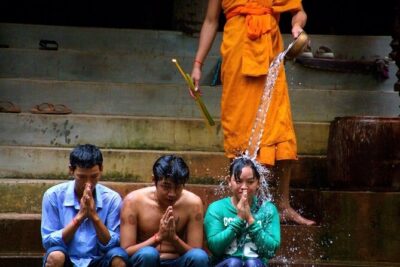
Buddhist Water Blessing and Real Life Experience with Local
Read our review →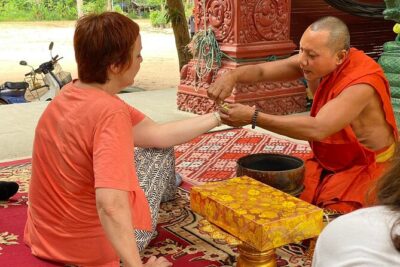
Browse the lists this tour appears in