
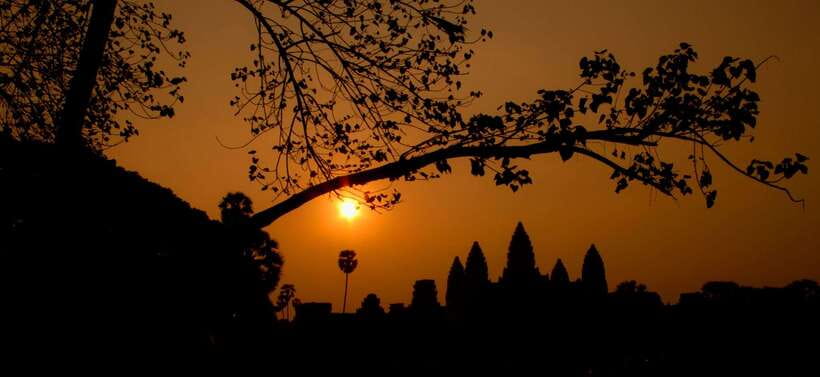
Reviewed · ANGKOR WAT TOURS
2-Day Angkor Wat With Small, Big Circuit & Banteay Srei Tour
Angkor Wat is only the beginning here. This private two-day tour takes you from the grand central temples to jungle-wrapped Ta Prohm, the smiling towers of Bayon, and the finely carved pink sandstone of Banteay Srei. I especially like the private format, which lets your guide adjust the pace, and the useful small touches: cold water and cool face towels waiting at the vehicle.
I also like the way the route covers both famous sights and less-visited corners, including Ta Nei, Ta Saom, and Banteay Samre. Guides such as Bunhak and Chhay have been praised for clear explanations and clever photo stops. The tradeoff is a demanding schedule, with an early sunrise, long temple walks, and food and admission charged separately.
Key points at a glance
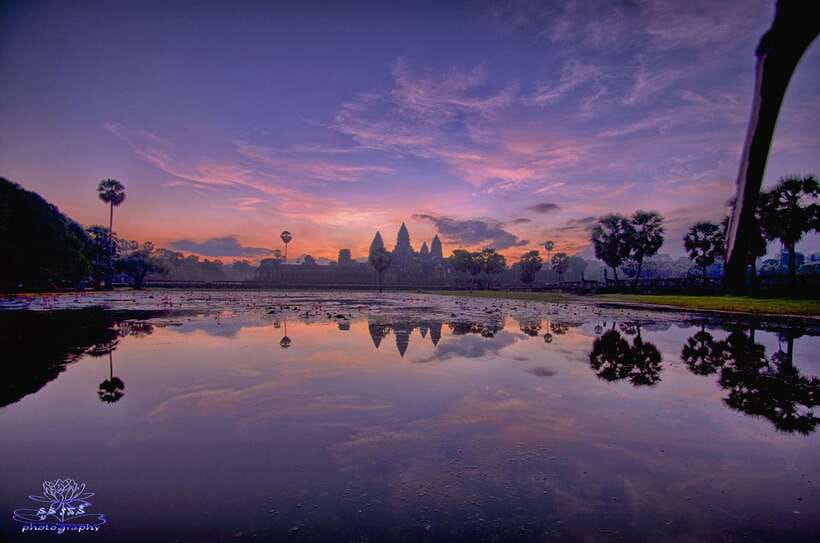
- Sunrise and sunset in one tour: Begin with sunrise at Angkor Wat and finish the first day near sunset at Phnom Bakheng.
- A private guide sets the pace: Ask your English-speaking guide to spend more time on art, religion, photography, or Cambodian history.
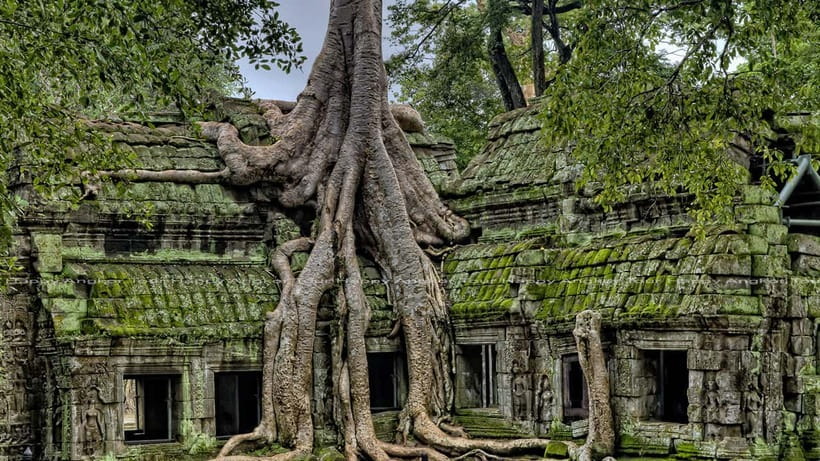
- Tomb Raider location included: Ta Prohm gives you the famous sight of giant roots growing over ancient stone.
- Banteay Srei requires a longer drive: The pink sandstone temple is one of the tour’s finest artistic stops, reached through villages and rice fields.
- Comfort matters in the heat: Air-conditioning, cold drinking water, and face towels are included.
- Budget for extras: The tour costs $136 per person, while a two or three-day temple pass costs $62, and meals are not included.
Why two days make sense at Angkor
Angkor is too large for a quick temple hop. The major sites are spread across a broad area, and the experience changes sharply from one temple to the next. Angkor Wat calls for time to understand its scale. Ta Prohm rewards a slower look at its roots and stonework. Bayon needs patience because its towers and faces can blur together if you rush.
This tour divides the visit sensibly. The first day covers Angkor Wat, the small circuit, Angkor Thom, and sunset. The second day begins early with sunrise, then moves to the big circuit and the distant temples around Banteay Srei.
A private group makes this easier. You can ask to linger at a carved doorway, shorten a stop when the heat catches up, or focus your questions on Hindu stories, Buddhist symbols, Khmer architecture, or Cambodian culture. The itinerary is full, so the freedom to adjust matters more than it would on a short group outing.
More ways to walk into Angkor Wat:
- Angkor Wat Sunrise or Sunset Tour with Guide from Siem Reap
★ 5.0 · 12,109 reviews - Siem Reap: Angkor Wat: Small-Group Sunrise or Sunset Tour
★ 5.0 · 9,444 reviews - Siem Reap: Angkor Wat 2-Day Tour with Sunrise and Sunset
★ 4.9 · 4,429 reviews
Starting with Angkor Wat’s scale
Morning pickup is provided from your Siem Reap hotel or other accommodation. You are asked to wait in the lobby about 10 minutes before pickup and provide a full address, hotel name, phone number, and website so the driver can locate you.
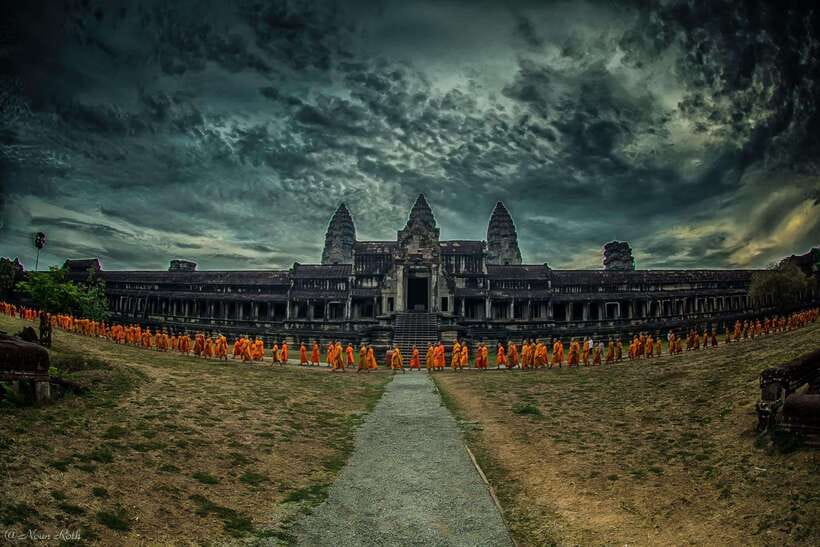
The first major stop is Angkor Wat, the enormous 12th-century religious complex that gives the whole park its name. Give yourself time here. The scale is the main event, but the details reward attention too: galleries, towers, religious scenes, and long stone approaches that show how carefully the complex was planned.
Your guide is important at Angkor Wat because the site can feel overwhelming without a thread to follow. A good explanation helps you connect the temple’s design with Hindu beliefs, royal power, and later Buddhist use. The guides associated with this experience, including Bunhak and Chhay, are praised for combining historical, mythological, religious, and cultural information in English.
Expect walking on uneven stone and exposed paths. Comfortable shoes, water, and sun protection are practical necessities. The vehicle returns as a welcome break, especially because the days are hot and the schedule continues well beyond the first temple.
Ta Prohm and the small circuit
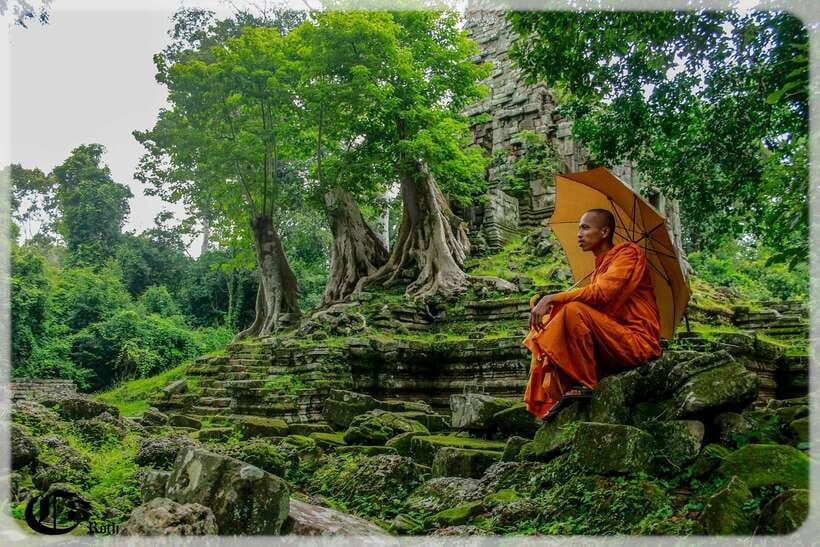
Ta Prohm is the day’s most cinematic stop. Its enormous tree roots spread across walls and doorways, creating the jungle temple image made famous by Tomb Raider. That film connection draws plenty of attention, but the real appeal is the tension between nature and architecture.
I would not treat Ta Prohm as just a photo stop. Look at the carved stone beneath the roots and notice how the temple’s corridors, courtyards, and galleries fit together. Your guide can help explain what you are seeing before you move on to the next site.
The small circuit also includes Ta Nei. It is less grand than Angkor Wat or Bayon, but that is part of its value. A quieter temple can give you time to look at stonework without feeling that you must hurry through a famous landmark.
Lunch comes at a local restaurant after the first group of temples. Food is not included, so carry some Cambodian riel or another accepted payment method and expect to pay for your own meal. The stop gives you a needed pause before the afternoon visit to Angkor Thom.
Angkor Thom, Bayon, and the royal center
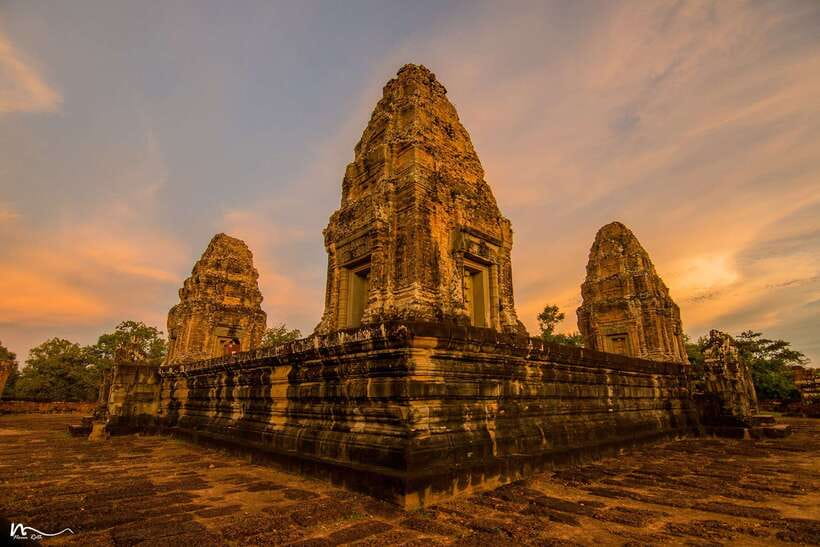
The route enters Angkor Thom through either the Victory Gate or the Death Gate. The choice can depend on the day’s plan and road conditions, but both lead into the former royal city.
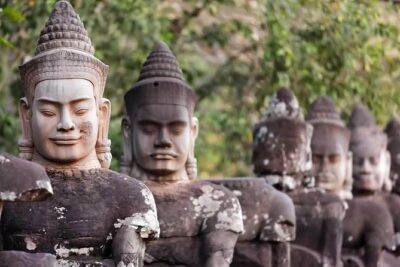
Bayon is the centerpiece. Its towers carry the famous smiling faces that look out over the temple from different heights. From ground level, the structure can seem confusing, with passages and towers crowded together. Take your time and let your guide point out the layout and carvings.
After Bayon, you visit Baphoun, a Hindu temple close by. Behind it is the large reclining Buddha. This is a useful reminder that Angkor’s religious life changed over time, with Hindu and Buddhist traditions leaving their mark on the same royal center.
The walk continues through the Royal Enclosure Wall, Phimeanakas, the Elephant Terrace, the Leper King Terrace, and Palilay. These stops are less instantly famous than Bayon, but they help you understand Angkor Thom as a functioning city rather than a collection of isolated monuments.
The afternoon can feel long. The route includes several stops and considerable walking, so tell your guide if you need more shade, a slower pace, or a shorter visit at one of the smaller ruins. That is one of the strongest reasons to choose a private tour.
More runs out to Banteay Srei:
- Full-Day Banteay Srei & 4 Temples – Grand Tours Join-in Tour
★ 5.0 · 1,155 reviews - Siem Reap Tour: Angkor Wat Sunrise, Bayon, Ta Prohm, Banteay Srei
★ 5.0 · 931 reviews - 2-Day Angkor Wat With Small, Big Circuit and Banteay Srei Tour
★ 5.0 · 545 reviews - From Siem Reap: Banteay Srei Temple & Grand 5 Temple Tour
★ 4.8 · 262 reviews
Phnom Bakheng at the end of day one
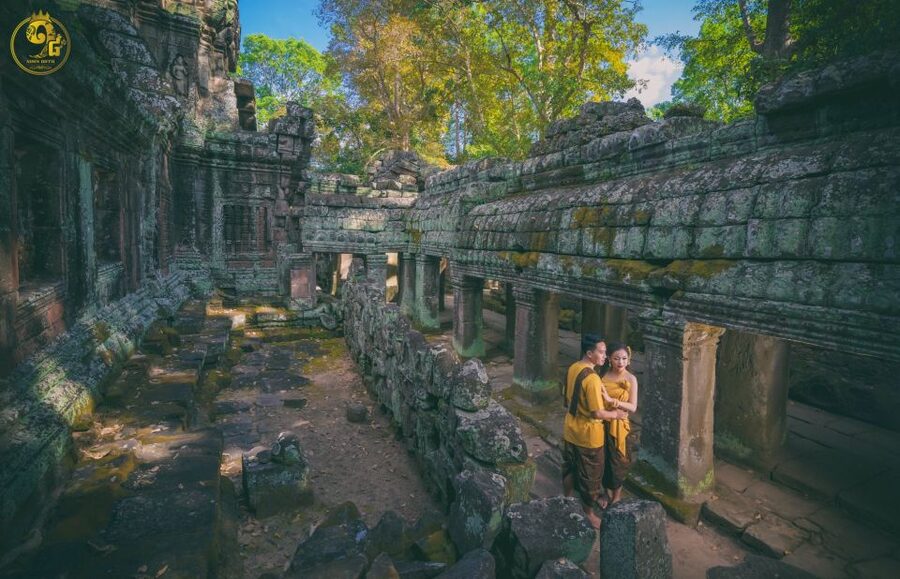
The first day finishes with a sunset view from Phnom Bakheng. The hill provides a broad view over the surrounding area, and the late light can be a fitting end to a day of stone temples.
Sunset timing and visibility can vary, so treat this as a planned opportunity rather than a guaranteed spectacle. The important point is that the tour keeps the day moving toward a scenic finish instead of ending after the central temples.
By this stage, you may be tired. Day one combines the biggest walking load with many major sites. I would pack only what you need, use the supplied water, and take advantage of the air-conditioned vehicle between stops.
Sunrise at Angkor Wat
Day two starts early for sunrise behind Angkor Wat. This is the tour’s most popular time of day, and the early departure is part of the bargain. You return to the hotel for breakfast afterward, or stop at a restaurant at your own expense.
The sunrise stop works best if you think of it as a calm beginning rather than a promise of perfect color. Weather controls the view. Even on a cloudy morning, seeing the temple gradually appear in the changing light gives you a different sense of its outline than the previous day’s visit.
The early start also means day two can feel tiring. If you have young children, older family members, or anyone who struggles with early mornings, consider how much energy you want to spend before the longer big circuit.
The big circuit’s quieter temple sequence
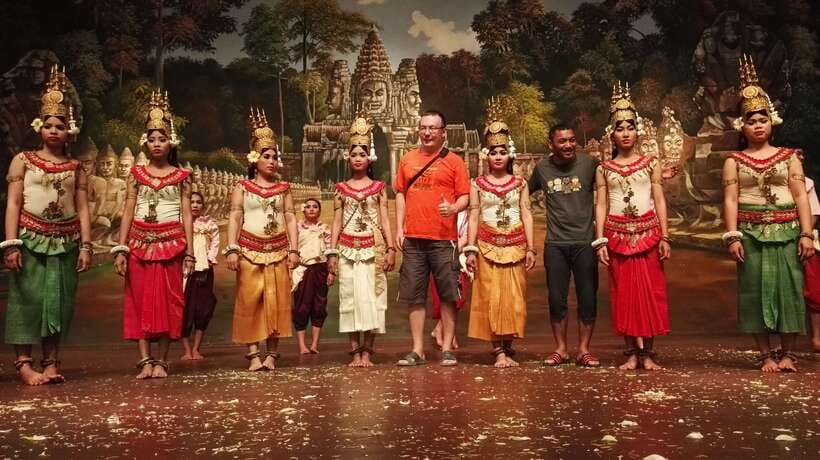
After breakfast, the tour turns to the big circuit. Prah Khan comes first among the listed temples and is known for long corridors, stone galleries, and a strong sense of scale. It provides a different mood from Angkor Wat, with more emphasis on movement through the structure.
Neak Poan is smaller and distinctive for its central island and water-related design. It offers a change from the massive temple compounds and gives your guide a chance to explain the symbolic role of water in Khmer religious thought.
Ta Saom is another appealing stop, especially if you enjoy temples with vegetation pressing into the ruins. The visit connects with the tour’s focus on ancient religious sites shaped by both human construction and the surrounding forest.
East Mebon and Pre Rup bring the route back to larger temple forms. Their brick and stone structures make them useful places to compare construction styles and temple layouts. Pre Rup also has a strong, open appearance that can help you see how the monument rises above the surrounding ground.
Lunch follows at a local restaurant, again at your own cost. Since meals are not part of the $136 price, factor in two days of paid lunches and any breakfast you purchase outside your hotel.
The road to Banteay Srei
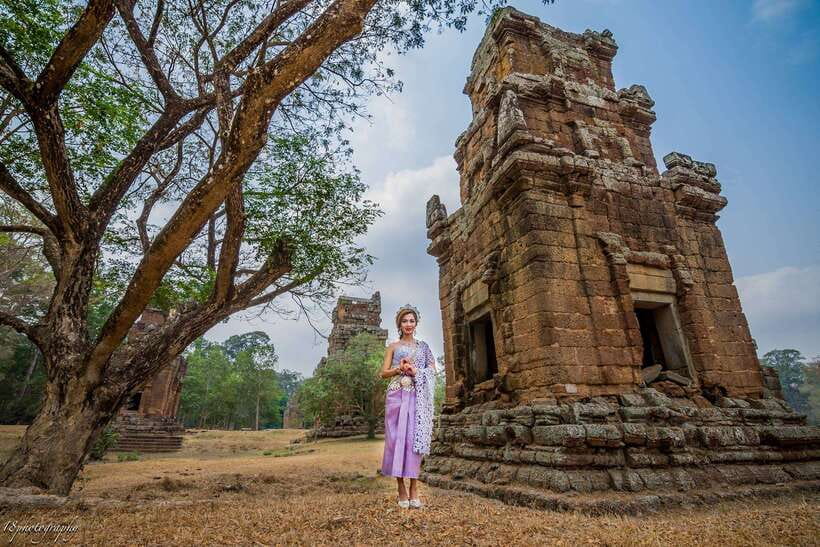
After the big circuit, the vehicle leaves the main temple concentration and drives through villages and rice-paddy fields toward Banteay Srei. This change of scenery is important. You are not simply visiting another ruin. You are seeing more of the area around Siem Reap and getting a sense of the countryside beyond the central monuments.
Banteay Srei is often called the Ladies Temple and is dedicated to Hindu goddesses. Its pink sandstone carvings are the reason it receives so much attention. The stone allows for delicate decorative work, and the temple feels more intimate than Angkor Wat or Angkor Thom.
Because the temple is reached after a longer drive, it is worth confirming the day’s pacing with your guide. You may spend less time at some earlier sites in order to have a better visit here. A private itinerary gives you room to make that choice.
The drive also adds cost in the form of time, but I think it is worthwhile for visitors who care about sculpture and detail. If your priority is seeing only the biggest monuments, the central temples may be enough. If you want one of Angkor’s finest small-scale artistic experiences, keep Banteay Srei on the plan.
Banteay Samre and Banteay Kdei
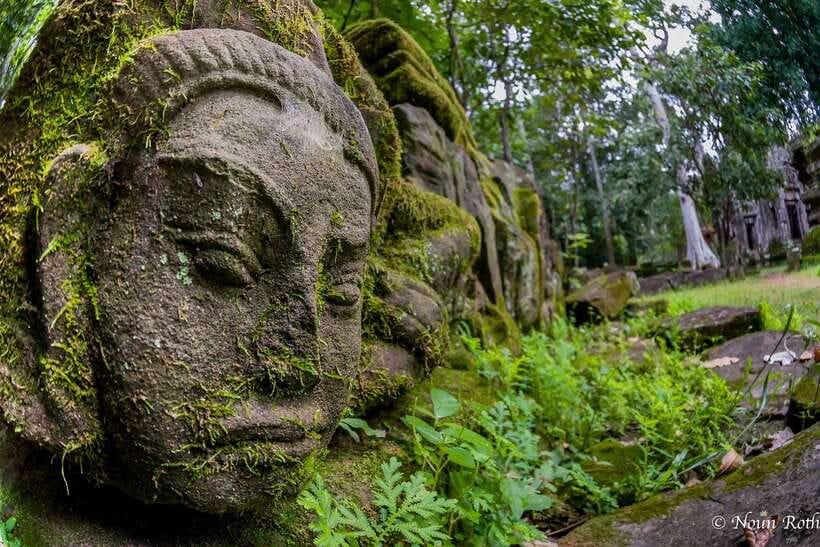
Banteay Samre follows Banteay Srei. Its structure and carvings offer another comparison with the better-known temples, while the stop keeps the second day from becoming a simple return to the main park.
The final listed temple is Banteay Kdei. After two full days, this later visit may feel like a quieter closing stop. It also brings you back toward the central temple zone after the countryside portion of the route.
Your guide can help you decide how much time to give each place. You do not need to treat every temple as equally important. Some visitors want detailed explanations at each site. Others prefer a few strong stories, time for photographs, and a less hurried pace.
Guides, drivers, and comfort on long temple days
The experience includes a private English-speaking guide and private air-conditioned transportation. That combination is more valuable here than it might be on a short city tour because you spend two long days moving between sites and returning to the vehicle for breaks.
Bunhak is praised for balancing historical, mythological, religious, and cultural explanations, as well as finding strong photography spots. Chhay is also praised for clear explanations and a flexible approach. Driver Sreang and another driver named That receive specific praise for attentive service and for making it possible to enter a temple from one side and leave from another without retracing the same walk.
Guide and driver assignments can vary, so do not assume you will receive one particular person. Still, these details show the sort of service to request: a guide who can adjust the pace and a driver who understands that a cool vehicle is part of the day’s comfort, not just transportation.
Cold drinking water and face towels are included. The towels may sound like a small detail, but after a humid walk through stone courtyards, they are genuinely useful. The vehicle also gives you a place to cool down between temples.
The real cost and what you receive
The tour price is $136 per person. That covers two days of private transport, hotel pickup and drop-off, an English-speaking guide, drinking water, and face towels.
You must add the Angkor temple pass. A two or three-day pass costs $62 per person, making the combined listed cost $198 before meals and any other personal expenses. Children under 12 have free temple admission, though the tour price for children is not specified here.
Food is not included. You will stop at local restaurants for lunch, and day two allows time for breakfast after sunrise. This is useful because you can choose what to eat, but you should not mistake the restaurant stops for included meals.
For two full days with private transport and a guide, the price can be good value if you want a structured visit without joining a large group. It is less appealing if you plan to see only Angkor Wat and one or two nearby temples. The tour earns its cost through the range of sites and the logistics of reaching Banteay Srei.
Free cancellation is available up to 24 hours before the start, and you can reserve now and pay later. Check the available starting time when booking, since the sunrise plan requires an early departure on the second day.
Who should book this Angkor tour?
I would choose this tour if you want to cover the main Angkor temples in two days and prefer a private guide to a fixed group schedule. It suits first-time visitors who want context, families or couples who value flexible pacing, and photographers who want help finding good angles.
It also suits you if Ta Prohm, Bayon, and Banteay Srei are all on your must-see list. The route is broad enough to include major monuments, smaller ruins, countryside, sunrise, and sunset.
I would hesitate if you dislike early mornings, long walking days, or a packed schedule. You should also compare the cost carefully if you are traveling alone, since the private format may be more expensive per person than a larger shared group.
Should you book it?
Book this two-day tour if you want the practical ease of private transport and a guide who can connect Angkor’s temples with Cambodian religion, art, and history. The strongest features are the wide route, the ability to adjust the pace, and small comforts such as cold water and wet face towels.
Skip it if your time or budget is tight. The $136 tour fee does not include the $62 temple pass or meals, and the itinerary asks for stamina. For most first visits, though, the combination of Angkor Wat, Ta Prohm, Bayon, Banteay Srei, sunrise, sunset, and quieter circuit temples makes this a solid two-day introduction to the Angkor area.
FAQ
How long is the tour?
The experience lasts two days.
What temples are visited on the first day?
The first day includes Angkor Wat, Ta Prohm, Ta Nei, Angkor Thom, Bayon, Baphoun, the reclining Buddha, the Royal Enclosure Wall, Phimeanakas, the Elephant Terrace, the Leper King Terrace, Palilay, and Phnom Bakheng for sunset.
What temples are visited on the second day?
The second day includes sunrise at Angkor Wat, Prah Khan, Neak Poan, Ta Saom, East Mebon, Pre Rup, Banteay Srei, Banteay Samre, and Banteay Kdei.
Is the temple pass included?
No. A two or three-day temple pass can be purchased for $62 per person. Children under 12 enter free.
Are meals included?
No. Lunch and breakfast are available for purchase at local restaurants or through your hotel, but food is not included in the tour price.
Is transportation provided?
Yes. Hotel pickup and drop-off, private air-conditioned transportation, an English-speaking guide, cool drinking water, and face towels are included.
Just added around Siem Reap
- Twilight Tastes of Siem Reap Include Dinner★ 5.0 · 13 reviews
- Ultimate Sunrise to Angkor Wat, Angkor Thom and Bayon Temple★ 5.0 · 3 reviews
- Trekking Tour at Phnom Kulen National Park from Siem Reap★ 5.0 · 3 reviews
- Professional Photo Shoot in Angkor Archaeological Park, Siem Reap★ 5.0 · 42 reviews
- Full-Day Private Tour of Angkor Wat with Pick Up★ 5.0 · 12 reviews
- Unveiling 2 Days Private Angkor Wat/Beyond In Sunrise/Sunset Tour★ 5.0 · 48 reviews
- Siem Reap City Tour with War Museum and Killing Field★ 5.0 · 27 reviews
- Private Day Trip to Angkor Temples with Expert Guide★ 5.0 · 4 reviews
Angkor Wat Tours, compared.
Angkor Wat Sunrise or Sunset Tour with Guide from Siem Reap
Read our review →
Angkor Wat: Small-Group Sunrise or Sunset Tour
Read our review →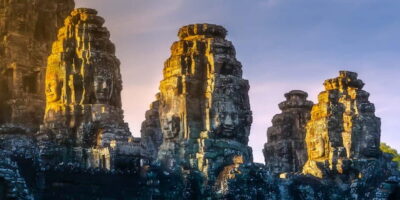
Angkor Wat Highlights and Sunrise Guided Tour from Siem Reap
Read our review →
Angkor Wat Sunrise & 3 Main Temples with Breakfast – Small Group
Read our review →
Angkor Wat Sunrise and Full-Day Sightseeing Tour
Read our review →
Angkor Wat Small-Group Exploration with Expert Guide
Read our review →Browse the lists this tour appears in