
Reviewed · ANGKOR WAT TOURS
2-Day Angkor Wat, Banteay Srei & Floating Village Kampong Pluk
Angkor Wat at sunrise is only the opening act here. This private two-day tour links the major temples with quieter corners such as Ta Nei and Preah Palilay, then adds a boat ride through Kampong Pluk’s stilted village. I especially like the private guide and car, which keep a packed route manageable, and the mix of grand temples, forest ruins, and lake life.
The main drawback is the pace. You cover a lot of ground, rise around 5:00 a.m. on day two, and pay extra for the Angkor pass, boat ticket, and meals. Phnom Bakheng sunset can also mean a tiring climb and a wait after an already full first day.
Key points to know before booking
- The route covers the big names and quieter temples: Angkor Wat, Ta Prohm, Bayon, Banteay Srei, Ta Nei, and Banteay Kdei all make the cut.
- Sunrise and sunset are included: You return to Angkor Wat at dawn, then climb Phnom Bakheng on the first afternoon if you want the sunset.
- The price is not all-inclusive: The $166 tour price excludes the $62 Angkor pass, $20 Kampong Pluk boat ticket, and meals.
- You have private transport: Hotel pickup, an air-conditioned vehicle, driver, water, towels, road tolls, and parking are included.
- Guide quality matters here: Guides named Vanna, Chhay, Lonn, and Bun have been praised for clear explanations, cultural context, flexibility, and photography.
- The schedule suits active sightseers: Expect long temple walks, early starts, heat, and a full program rather than a slow holiday.
Two days that put Angkor in context
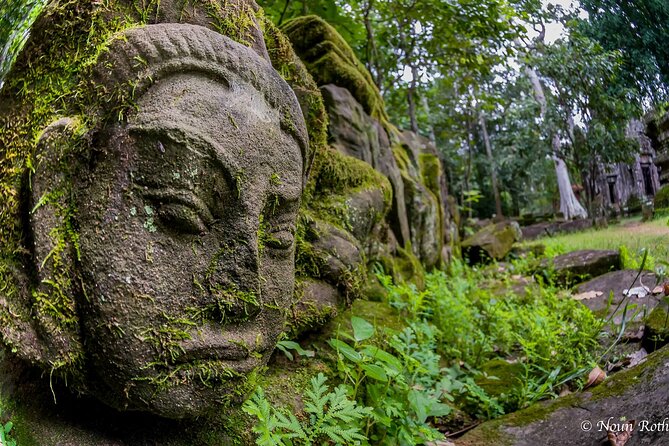
This is a temple-heavy tour, but it avoids the mistake of treating Angkor as one giant photo stop. You see royal roads, Hindu and Buddhist shrines, carved faces, tree-covered ruins, a pink sandstone temple, and a working lake village.
I like the private format because it gives you a little control over the day. You can skip the Phnom Bakheng sunset if the heat has caught up with you, and the route includes less visited stops such as Ta Nei and Preah Palilay. The driver also gives you a cool, practical break between walks.
The $166 starting price needs a careful reading. Add the $62 Angkor pass and $20 boat ticket, and you are at $248 per person before lunch. Meals are listed at about $5 per person, depending on the menu. For a private two-day trip with a guide and vehicle, that can be fair value for families or small groups, but it is not a budget package.
More ways to walk into Angkor Wat:
- Angkor Wat Sunrise or Sunset Tour with Guide from Siem Reap
★ 5.0 · 12,109 reviews - Siem Reap: Angkor Wat: Small-Group Sunrise or Sunset Tour
★ 5.0 · 9,444 reviews - Siem Reap: Angkor Wat 2-Day Tour with Sunrise and Sunset
★ 4.9 · 4,429 reviews
Day one begins with Angkor Wat and Ta Prohm
Pickup is scheduled for 8:00 a.m. at your hotel or guest house. The first practical stop is to buy the temple pass, which is not part of the tour price. Bring a little patience here, since this is the administrative start to a day packed with major sights.
Angkor Wat receives about two hours. That is enough to see the central features with guidance, though not enough for a slow inspection of every carved panel and gallery. The temple is the world’s largest religious monument, and its scale is easier to grasp when you approach it as a planned complex rather than a single building.
Your guide can help explain the religious change from Hindu worship to Buddhist use, the temple’s layout, and the meaning of the carvings. This is where a good guide makes a real difference. Guides such as Vanna, Chhay, Lonn, and Bun have been singled out for clear storytelling about art, religion, and Cambodian culture. Ask questions early, since the route becomes more crowded and more tiring as the day goes on.
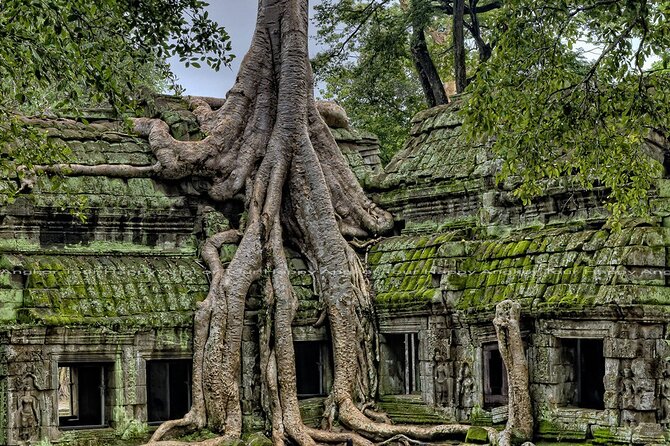
Next comes Ta Prohm, reached along the small circuit road. Allow around two hours. This is the temple most people connect with the Tomb Raider film, but its real appeal is the uneasy meeting of stone and tree roots. Large roots wrap around walls and doorways, making the site feel less orderly than Angkor Wat.
Ta Prohm can be one of the busiest stops, so do not expect the same quiet mood as Ta Nei. Still, the long visit gives you time to look beyond the famous root-covered doorway. The broken galleries, narrow passages, and surviving carvings reward a slower walk.
Ta Nei offers a quieter temple break
After lunch, you visit Ta Nei for about 45 minutes. This small temple has seen less restoration and sits among large trees. It is a useful contrast to the polished grandeur of Angkor Wat and the busy paths at Ta Prohm.
You will not get the same monumental scale here. That is the point. Ta Nei gives you a closer look at how a temple feels when the forest and old stone share the space. If you want a quieter pause, this is one of the strongest stops on day one.
Lunch is not included. The listed estimate is $5 per person, but the final amount depends on the menu. Since the schedule is tight, ask your guide about the lunch timing so you do not lose too much of the afternoon.
Angkor Thom brings faces, kings, and public ceremony
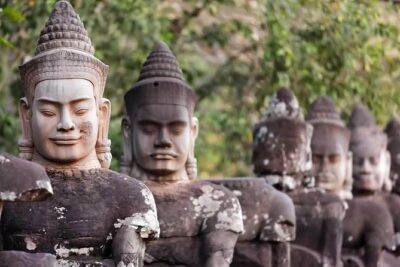
The afternoon continues at Angkor Thom, the large royal city reached through the Victory Gate on its east side. The tour allows around 15 minutes at the gate, mainly for a quick look and photographs. It is a short stop, but the gate helps you understand the scale of the old city walls and roads.
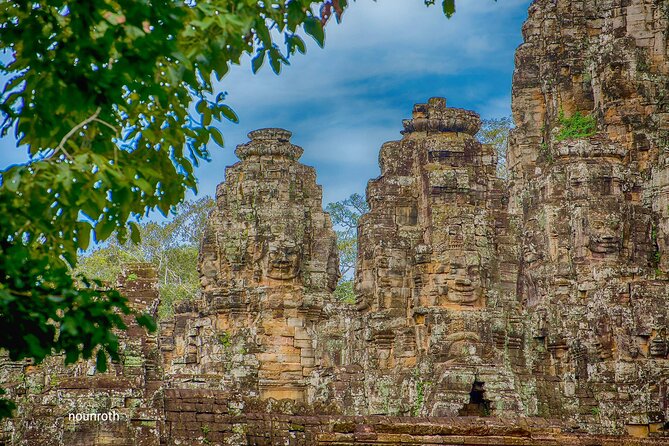
Bayon follows for about 45 minutes. Its towers carry the famous serene faces associated with Angkor Thom. The supplied description counts 49 towers and 196 faces, though the exact count can vary depending on how the remaining structures are counted. Your guide can point out how the faces appear from different angles as you move through the temple.
The visual trick is simple and effective: a face that seems distant suddenly appears beside you. Give yourself time to look up and around, not just toward the best-known front view.
Baphuon is next, with another 45 minutes. This Hindu temple predates Angkor Wat and dates to the 11th century. Behind it is a large reclining Buddha added in the 16th century. The combination shows how the site changed over time, as religious use and later construction altered the original plan.
Phimeanakas receives about 20 minutes. This pyramid temple sits inside the former royal enclosure and dates to the 10th century. It is less immediately dramatic than Bayon, but it helps connect the temples to the old palace center rather than leaving them as isolated monuments.
The Terraces of the Elephants and Leper King are short stops, about 15 minutes each. The Elephant Terrace served as a platform from which kings could watch returning armies and ceremonies. Look closely at the carved elephants along the wall. The Terrace of the Leper King sits nearby and adds another set of carvings and royal associations.
Preah Palilay is a brief 10-minute detour in a wooded area north of the royal enclosure. It is easy to overlook when larger temples dominate the day, but this small Buddhist sanctuary gives you another taste of Angkor’s quieter side.
More runs out to Banteay Srei:
- Full-Day Banteay Srei & 4 Temples – Grand Tours Join-in Tour
★ 5.0 · 1,155 reviews - Siem Reap Tour: Angkor Wat Sunrise, Bayon, Ta Prohm, Banteay Srei
★ 5.0 · 931 reviews - 2-Day Angkor Wat With Small, Big Circuit and Banteay Srei Tour
★ 5.0 · 545 reviews - From Siem Reap: Banteay Srei Temple & Grand 5 Temple Tour
★ 4.8 · 262 reviews
Phnom Bakheng sunset is optional, not automatic
The final stop is Phnom Bakheng, with about two hours set aside for the hill and sunset wait. You climb to the top for views and late light. The tour description makes clear that you can skip the sunset if you do not want to wait.
That flexibility matters. Day one already includes several hours on foot, heat, lunch, and repeated climbs over uneven temple surfaces. If you have the energy, Phnom Bakheng gives the day a memorable finish. If you are tired, returning to your hotel may be the wiser choice.
Do not treat the sunset option as a guaranteed private viewpoint. The stop is popular, and the time includes waiting. Ask your guide about the current plan and crowd conditions before committing to the climb.
Day two starts before dawn at Angkor Wat
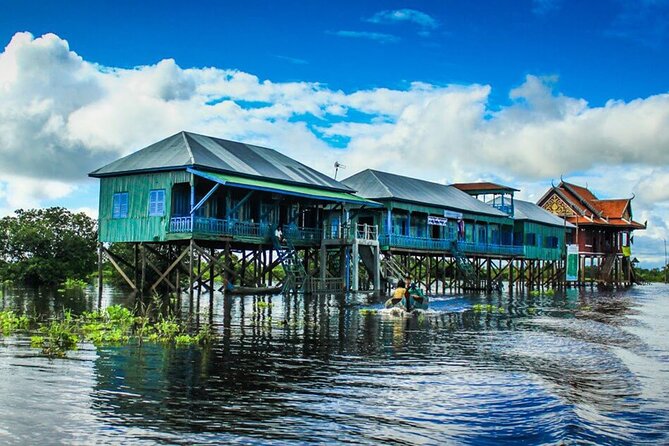
Pickup begins around 5:00 a.m. for the Angkor Wat sunrise. The sunrise visit lasts about one hour and 45 minutes, including time at the temple before returning for breakfast.
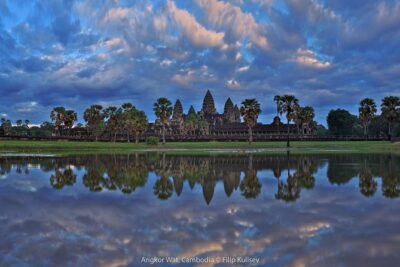
This is an early start, but it lets you see Angkor Wat in a different mood from the previous morning visit. The light changes the towers and reflection pool, while the quiet before the main daytime program gives the temple more breathing room. The exact sunrise view can depend on conditions, so think of this as an atmospheric visit rather than a promise of a perfect sky.
After sunrise, you return for breakfast before driving to Kampong Pluk. Breakfast is not listed as an included meal, so plan on paying for it separately.
Kampong Pluk shows Tonle Sap from the water
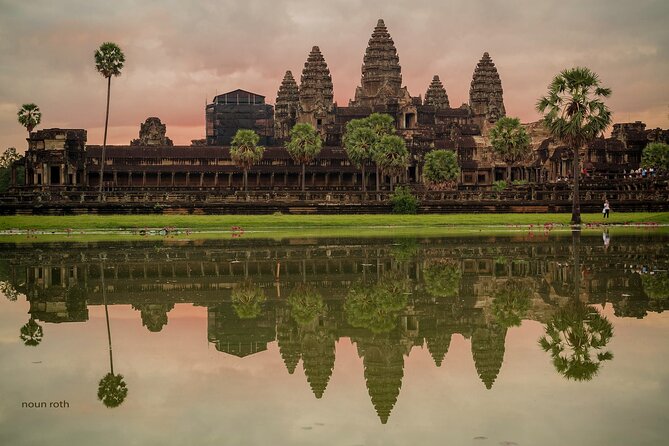
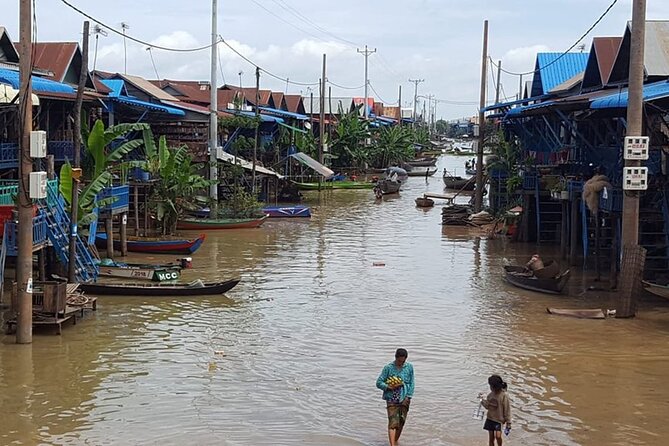
The Kampong Pluk portion takes about four hours, including the trip to Tonle Sap Lake and the private boat ride. The $20 boat and floating village ticket is extra.
From the boat, you see the stilt houses and fishing village from the water. This is a useful change of pace after two rounds of carved stone. The village is tied to the lake’s seasonal water levels, and the stilted construction is one reason the place looks so different from a town on dry land.
The boat ride is also the part of the tour most affected by water conditions and local operation. The information provided does not promise a particular water level or wildlife sighting, so keep your expectations open. You are paying for the village and lake visit, not a guaranteed set piece.
Four hours is a substantial portion of day two. That makes the lake visit worthwhile for anyone who wants more than temple photography, but it also means the afternoon temple route comes after a long morning. If your main goal is architecture, you may find the schedule tiring by the time you reach Banteay Srei.
Banteay Srei earns its jewelry nickname
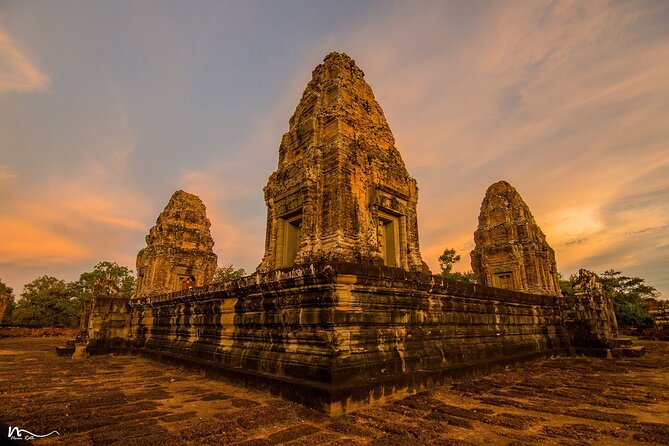
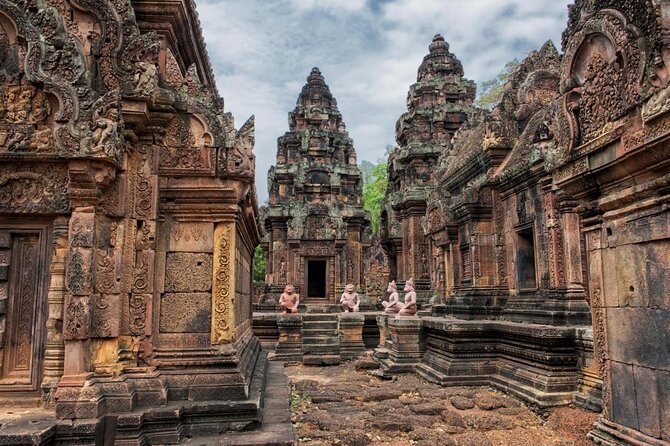
After lunch, the route heads to Banteay Srei, also called the Ladies Temple. The visit lasts about one hour. This Hindu temple was built in the second half of the 10th century under Rajendravarman II and is made from unusual pink sandstone.
Banteay Srei is smaller than Angkor Wat, but its carved details are a major reason it is included. The pink stone gives the temple a different color and texture, while the fine decoration makes it feel more intimate. The nickname jewelry of Angkor makes sense as a description of its delicate workmanship, not its size.
Because the visit is only an hour, stay focused. Walk close enough to study the carvings, listen to the explanation, and save time for the next stops. The drive out to Banteay Srei also adds distance to an already long day, but it brings a temple style you will not see as clearly at the larger sites.
Banteay Samre, Pre Rup, and Banteay Kdei finish the route
Banteay Samre receives about 45 minutes. This 12th-century Hindu temple is often linked stylistically with Angkor Wat. The site gives you another chance to compare temple planning and stonework after seeing Banteay Srei’s pink sandstone details.
Pre Rup follows for around 30 minutes. Built in the late 10th century and dedicated to Hindu gods, it is associated with the phrase turn the body and with beliefs about funeral rites. The stop is brief, so let your guide explain the symbolism while you take in the temple’s raised form.
The final temple is Banteay Kdei, with about 45 minutes. This 12th-century Buddhist temple shares features with Ta Prohm and Bayon. Seeing it after those sites makes the comparison useful: you can notice related architectural ideas without needing to treat every ruin as a separate mystery.
By this point, the route has delivered a lot. You have had grand monuments, royal spaces, forest ruins, a lake village, and smaller sanctuaries. The tradeoff is physical fatigue. This is not a gentle two-day sightseeing plan.
What the private format adds
The tour includes hotel pickup and drop-off, an air-conditioned vehicle with driver, parking fees, road tolls, cool drinking water, and towels. Those basics matter in Siem Reap, where the combination of heat, dust, and long drives can wear you down.
Only your group takes part, so you do not need to match a busload of strangers. That is especially useful for families. A family of four can split the attention of the guide, adjust the pace within reason, and keep the day together without waiting for a large group.
The guide is the key variable. Guides such as Vanna, Chhay, Lonn, and Bun have been praised for temple explanations, cultural and religious context, flexible pacing, and taking photographs. Drivers including Sreang, San, Dat, Path, and Lis have also been named for friendly, helpful service. Staff may vary, so do not assume a particular guide or driver unless the company confirms it.
Cost, comfort, and who should book
At $166 per person, the advertised price covers a private two-day service rather than the main entrance costs. Once you add the $62 Angkor and temple pass, the $20 Kampong Pluk boat ticket, and roughly $5 lunches, the practical cost is at least $233 per person if you do not count breakfast or other meals. The supplied figures also describe the pass as $62, making the combined tour and pass total $228 before the boat and food.
That price makes the most sense for couples, families, or small groups who value private transport and a dedicated guide. A larger private group can spread the vehicle and guide cost across more people, while a solo visitor should compare the total carefully.
You should be comfortable walking, climbing temple steps, getting up before dawn, and spending long hours outside. Most people can participate, but the schedule is demanding. Bring sensible footwear, sun protection, and enough patience for the slow parts of sunset and boat travel.
Free cancellation is available if you cancel at least 24 hours before the start time. Changes or cancellations made inside that window are not accepted for a refund.
Should you book this two-day Angkor tour?
Book it if you want a private, well-filled introduction to Siem Reap that includes the essential temples, sunrise, sunset option, and Tonle Sap in one plan. The strongest reasons are the range of places, the private vehicle, and the chance to work with a guide who can explain what you are seeing rather than simply pointing out photo stops.
Think twice if you prefer slow mornings, long meals, or one temple at a time. The price rises after required tickets, and the second day is especially full. For an active first visit, though, this route gives you a broad and useful picture of Angkor and the surrounding area without leaving the major sights to chance.
FAQ
Is the Angkor temple pass included?
No. The Angkor pass and temple admission cost $62 per person and are paid separately.
Is the Kampong Pluk boat ticket included?
No. The Tonle Sap floating village ticket with a private boat ride costs $20 per person.
Are meals included?
No. Lunch is not included. The listed estimate is about $5 per person, depending on the menu. Breakfast on day two is also not listed as included.
What time does the tour start?
Day one pickup is scheduled for 8:00 a.m. Day two pickup is scheduled for 5:00 a.m. for the Angkor Wat sunrise.
Is this a private tour?
Yes. Only your group participates, and hotel pickup and drop-off are included.
What is included in transportation and comfort?
You receive an air-conditioned vehicle with driver, parking fees, road tolls, cool drinking water, and towels.
Can I cancel for a full refund?
Yes, if you cancel at least 24 hours before the experience start time. Cancellations or changes made less than 24 hours in advance are not accepted for a refund.
More Floating Village Afternoons
- From Siem Reap: Kampong Phluk Floating Village Tour by Boat
★ 4.9 · 6,979 reviews - Sunset tour of Kampong Phluk stilts home village on the Tonle Sap
★ 5.0 · 4,865 reviews - Siem Reap: Kampong Phluk Floating Village Tour with Boat
★ 4.9 · 3,843 reviews - Siem Reap Floating Village Kampong Phluk Sunset with Boat
★ 5.0 · 1,962 reviews
Just added around Siem Reap
- Ultimate Sunrise to Angkor Wat, Angkor Thom and Bayon Temple★ 5.0 · 3 reviews
- Twilight Tastes of Siem Reap Include Dinner★ 5.0 · 13 reviews
- Trekking Tour at Phnom Kulen National Park from Siem Reap★ 5.0 · 3 reviews
- Professional Photo Shoot in Angkor Archaeological Park, Siem Reap★ 5.0 · 42 reviews
- Full-Day Private Tour of Angkor Wat with Pick Up★ 5.0 · 12 reviews
- Unveiling 2 Days Private Angkor Wat/Beyond In Sunrise/Sunset Tour★ 5.0 · 48 reviews
- Siem Reap City Tour with War Museum and Killing Field★ 5.0 · 27 reviews
- Private Day Trip to Angkor Temples with Expert Guide★ 5.0 · 4 reviews
Angkor Wat Tours, compared.
Angkor Wat Sunrise or Sunset Tour with Guide from Siem Reap
Read our review →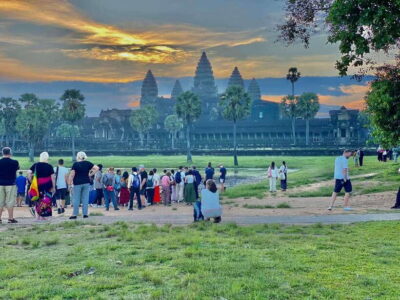
Angkor Wat: Small-Group Sunrise or Sunset Tour
Read our review →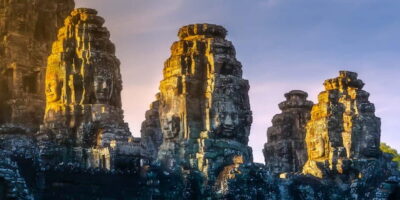
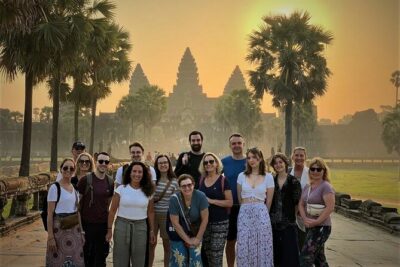
Angkor Wat Highlights and Sunrise Guided Tour from Siem Reap
Read our review →
Angkor Wat Sunrise & 3 Main Temples with Breakfast – Small Group
Read our review →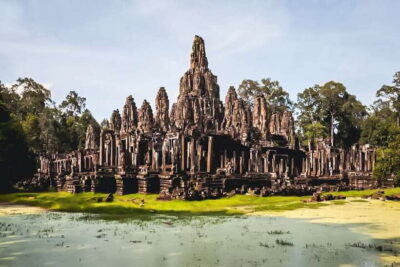
Angkor Wat Sunrise and Full-Day Sightseeing Tour
Read our review →
Angkor Wat Small-Group Exploration with Expert Guide
Read our review →Browse the lists this tour appears in