
Reviewed · ANGKOR WAT TOURS
2-Day Angkor Wat With Small, Big Circuit and Banteay Srei Tour
Angkor is too large and too important for a rushed day trip. This private two-day tour gives you time for the famous temples, quieter ruins, sunrise at Angkor Wat, and the pink sandstone carvings at Banteay Srei. Guides such as Jimmy, Chhay, Choub, Vanna, and Thean have been praised for clear explanations, flexible pacing, and helping with photographs.
I especially like the private guide and driver team, which lets you ask questions, change the pace, and return to the cool car between long walks. I also like the small touches: cold water, chilled wet towels, umbrellas when needed, and hotel pickup and drop-off. The main drawback is stamina. This is a full temple program with early mornings, heat, stairs, and plenty of walking.
Key points to know before booking
- Two days cover far more than Angkor Wat: You visit both the Small Circuit and Big Circuit, plus Banteay Srei and several less-visited temples.
- Sunrise starts at 5:00am: The early departure is worthwhile, but you will need a sensible plan for rest and breakfast.
- Your guide and driver matter: English-speaking guides such as Jimmy, Chhay, Thean, and Vanna have been praised for history, religious symbolism, photography, and flexibility.
- The tour is private: Only your group participates, so the schedule can be adjusted more easily than on a large coach tour.
- The price is not all-inclusive: The tour costs $158.50 per person, while the Angkor pass costs an additional $62. Meals are also extra.
- Expect a demanding two days: Comfortable shoes, sun protection, water, and patience with stairs will make a major difference.
Why two days makes sense at Angkor
The Angkor Archaeological Park is not one temple. It is a wide area filled with royal cities, Hindu sanctuaries, Buddhist monasteries, reservoirs, terraces, and jungle-covered ruins. Trying to fit its main sights into one day usually means looking quickly, taking a few photographs, and moving on before you understand what you are seeing.
This tour spreads the visit over two days. Day one focuses mainly on Angkor Wat, Ta Prohm, Ta Nei, and Angkor Thom. Day two brings an early return to Angkor Wat, followed by the temples of the Big Circuit, Banteay Srei, Banteay Samre, and Banteay Kdei.
I like that structure because the sites feel different from one another. Angkor Wat gives you scale and formal design. Ta Prohm gives you trees and broken stone. Bayon gives you carved faces. Banteay Srei gives you fine detail. The schedule is still busy, but it is not just a parade of similar ruins.
The tour is private, with an English-speaking licensed guide and a separate driver. That arrangement matters in Cambodia’s heat. After each temple, you return to an air-conditioned vehicle rather than waiting in an exposed parking area. Several guides and drivers have also helped with stairs, photographs, lost phones, umbrellas, and small changes to the plan.
More ways to walk into Angkor Wat:
- Angkor Wat Sunrise or Sunset Tour with Guide from Siem Reap
★ 5.0 · 12,109 reviews - Siem Reap: Angkor Wat: Small-Group Sunrise or Sunset Tour
★ 5.0 · 9,444 reviews - Siem Reap: Angkor Wat 2-Day Tour with Sunrise and Sunset
★ 4.9 · 4,429 reviews
Day one: Angkor Wat, Ta Prohm, and the royal city
Pickup begins at about 8:00am on the first day. The guide meets you in your hotel or guesthouse lobby, and the first practical stop is usually the ticket office. The Angkor pass is not included, so plan on paying $62 per person for the pass covering Angkor and the listed temples.
Angkor Wat gives you the grand introduction
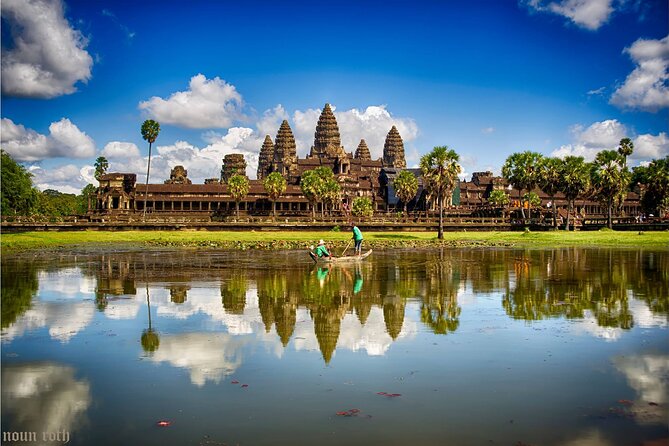
Angkor Wat is the natural first stop. You have about two hours here, enough to see the major galleries, courtyards, towers, and bas-reliefs without treating the complex like a quick photo stop.
The scale can be hard to grasp at first. This was built as a major Hindu temple dedicated to Vishnu and later became a Buddhist site. A good guide helps you read the layout, explain the stories carved into the walls, and point out how the temple’s towers, galleries, and pools fit together.
The first morning begins later than the sunrise visit on day two, which is helpful if you have just arrived in Siem Reap. You can focus on the temple itself rather than fighting the very early start. At the same time, the site is a major attraction, so crowds and heat can build as the day goes on.
Ta Prohm brings the jungle into the story
Ta Prohm is one of Angkor’s most memorable stops. Large tree roots grow over walls and doorways, giving the temple the appearance of being reclaimed by the forest. Its connection with the film Tomb Raider has made it especially popular, but the trees are not the only reason to come.
Look closely at the galleries, collapsed stones, narrow passages, and carved figures. The ruin feels less ordered than Angkor Wat, and that contrast helps you understand how different conservation problems affect the park.
You have about two hours here. That is generous for photographs and a proper walk, but it also means you will be on your feet for a while. The paths can be uneven, and the combination of stone, heat, and crowds can wear you down.
More runs out to Banteay Srei:
- Full-Day Banteay Srei & 4 Temples – Grand Tours Join-in Tour
★ 5.0 · 1,155 reviews - Siem Reap Tour: Angkor Wat Sunrise, Bayon, Ta Prohm, Banteay Srei
★ 5.0 · 931 reviews - From Siem Reap: Banteay Srei Temple & Grand 5 Temple Tour
★ 4.8 · 262 reviews - 3-Days Discovery Of Angkor: Waterfalls,Floating Village and Banteay Srei temple
★ 5.0 · 214 reviews
Ta Nei is the quiet change of pace
Ta Nei is smaller and less restored than the major temples. It is surrounded by large trees and usually feels more remote than Ta Prohm. The tour allows about 45 minutes here, which is enough to explore without turning the stop into another long circuit.
This is one of the best parts of the route for anyone who wants a quieter pause. You see a less polished ruin, with fewer finished surfaces and a stronger sense of age. Do not expect the grand scale of Angkor Wat. Ta Nei works because it is modest.
Angkor Thom explains royal power
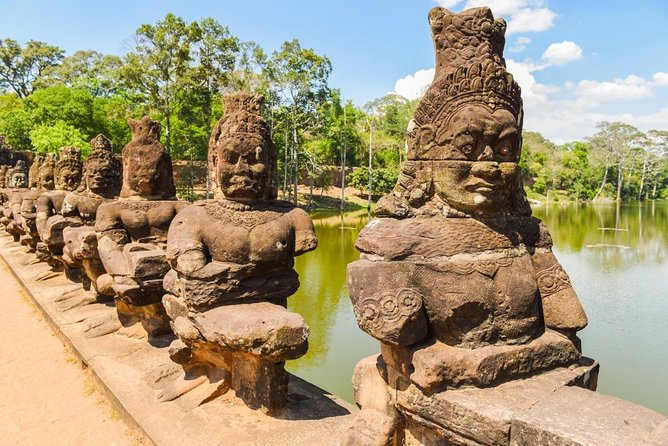
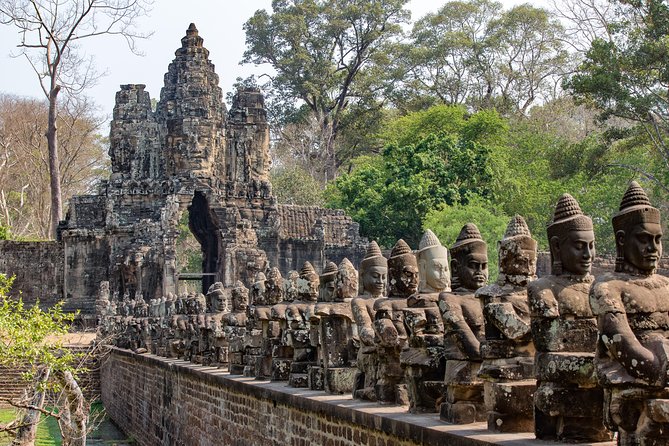
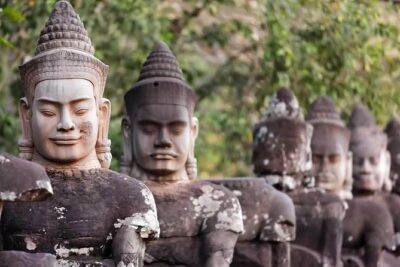
The route then enters Angkor Thom through the Victory Gate on the east side. The stop is brief, about 10 minutes, but it introduces the vast walled city that contains Bayon, Baphuon, Phimeanakas, the Royal Enclosure, and the two terraces.
Bayon is the highlight. Its towers carry serene carved faces associated with Avalokitesvara, a Buddhist figure linked with compassion. The itinerary describes 49 towers and 196 faces. The exact count can be difficult to take in while walking, but the effect is unmistakable: faces appear from several directions as you move through the tight interior.
The visit here lasts about 30 minutes. That is enough to see the central structure, though you may want more time if you are interested in every carving. A private guide can focus on the stories and symbols that interest you instead of giving the same fixed speech to a large group.
Baphuon sits nearby. It is an 11th-century Hindu temple, built before Angkor Wat, with a later reclining Buddha formed into the rear structure. You have about 30 minutes to walk around it. Some routes include steps and raised sections, so take care and use the guide’s help if needed.
Phimeanakas is a pyramid temple from the 10th century, located in the former royal area of Angkor Thom. The nearby Royal Enclosure wall helps put the temple into a wider civic setting. The visit is short, about 15 minutes, and the site may feel less immediately dramatic than Bayon or Ta Prohm. Its value comes from seeing how temples fitted into the old royal center.
The Terrace of the Elephants and Terrace of the Leper King are quick stops, around 10 minutes each. The first has elephant carvings and served as a platform where kings viewed returning armies. The second sits nearby and has layered carved figures. These stops are useful because they show that Angkor was not only a collection of isolated temples. It was also a functioning capital with ceremony, government, and public display.
Phnom Bakheng and the reality of sunset timing
The first day may finish at Phnom Bakheng for sunset. You climb a hill to reach this older temple and viewing point, with around two hours allowed for the visit and waiting time. The tour notes that sunset can be skipped if you do not want to wait.
That flexibility is welcome. Phnom Bakheng is popular, and sunset access can be limited by crowd controls. Weather is another factor. The sunset may be cloudy, and the view may not match the picture you had in mind. You should treat it as an optional bonus rather than the reason to book the tour.
After a long day, many people will prefer to return to the hotel. If you do continue, wear shoes with a good grip and bring patience. You may spend as much time waiting as walking.
Day two: sunrise, the Big Circuit, and Banteay Srei
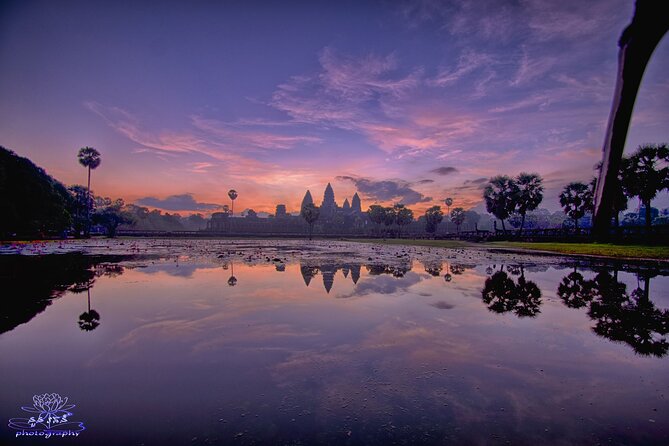
The second day begins at about 5:00am. The guide and driver collect you from your accommodation for sunrise at Angkor Wat. After the sunrise visit, you return to the hotel for breakfast before going back out.
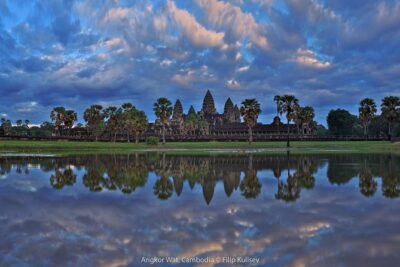
The early start is demanding, but it gives the temple a different mood from day one. Reflections, towers, and changing light create the classic Angkor morning view. Weather is not guaranteed, so keep your expectations flexible. Even if clouds block the perfect sunrise, the early visit is still valuable because it avoids the worst of the daytime heat.
Preah Khan starts the Big Circuit
After breakfast, you visit Preah Khan, a large monastic complex built by King Jayavarman VII and dedicated to his father. The route allows about an hour. Long galleries, courtyards, doorways, and carved details make this one of the more rewarding places for a guide’s explanation.
Preah Khan can feel confusing without context. It has several layers of religious imagery and a broad plan that rewards slow walking. Your guide can help you notice the transitions between open courtyards and enclosed corridors instead of treating the site as a simple loop.
Neak Pean, Ta Som, and the eastern temples
Neak Pean is a small island temple in the middle of a reservoir. The visit lasts about 30 minutes. It is less about grand architecture and more about the unusual setting and the idea of a temple placed in a water system.
Ta Som is smaller again, with about 15 minutes scheduled. Its compact size makes it a good contrast with Preah Khan. It is easy to rush through, but the carved doorways and quiet scale make it worth a careful look.
Eastern Mebon is a temple mountain with three levels and five towers. The stop is short, about 15 minutes. Pre Rup receives about an hour and is the larger finish to this part of the morning. Built in the late 10th century and dedicated to Hindu gods, Pre Rup is known for its strong brick and laterite forms and elevated terraces.
You will notice a pattern on this day: several stops are brief, while Preah Khan and Pre Rup receive more time. That keeps the program moving, but it can feel fast if you want to photograph every doorway. Since the tour is private, ask the guide to slow down at the places that interest you most.
Banteay Srei is worth the drive
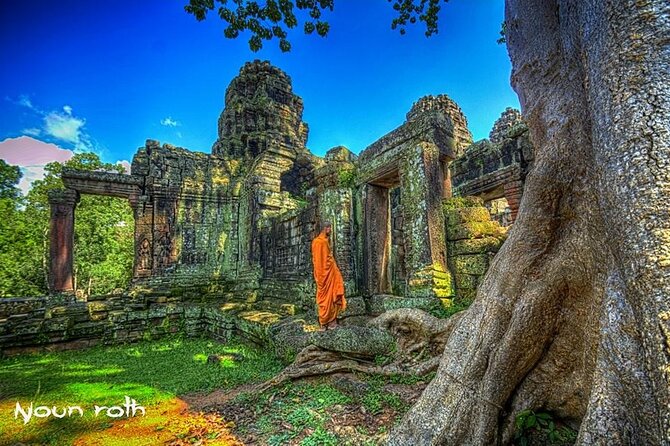
After lunch, the tour heads to Banteay Srei. Lunch is not included, and the listed estimate is about $5 per person, depending on the menu.
Banteay Srei is often called the Ladies Temple and is built from pink sandstone. Its carvings are unusually fine, with detailed figures, floral patterns, lintels, and pediments. The temple is smaller than Angkor Wat, but its surface detail makes it one of the most distinctive stops of the two days.
The tour allows about an hour. That should give you time to appreciate the carving rather than simply photograph the entrance. Because the temple is farther from the central Angkor area, the drive also gives you a change from the main cluster of ruins.
Banteay Srei can be especially rewarding if you enjoy architecture and close observation. It may be less satisfying if you only want the biggest structures. I would not skip it simply because it is smaller. The point here is craftsmanship, not scale.
Banteay Samre and Banteay Kdei finish the program
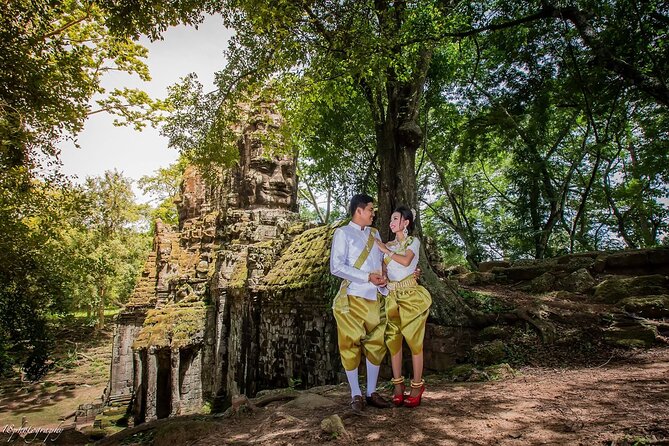
Banteay Samre is a 12th-century Hindu temple with architectural similarities to Angkor Wat. The stop lasts about 45 minutes. Its enclosed layout and balanced stonework make it a useful final contrast with the more open, tree-covered ruins.
Banteay Kdei receives another 45 minutes. This Buddhist temple dates to the 12th century and shares stylistic links with Ta Prohm and Bayon. It gives you one more chance to see the carved faces, corridors, and jungle-edge atmosphere that define much of Angkor.
By this point, you will have seen a large number of temples. That is both the strength and the weakness of the tour. You gain a broad picture of Angkor, but the second afternoon may feel tiring. If you already know that you prefer a slow visit to fewer sites, ask the guide to adjust the schedule.
What the $158.50 price really covers
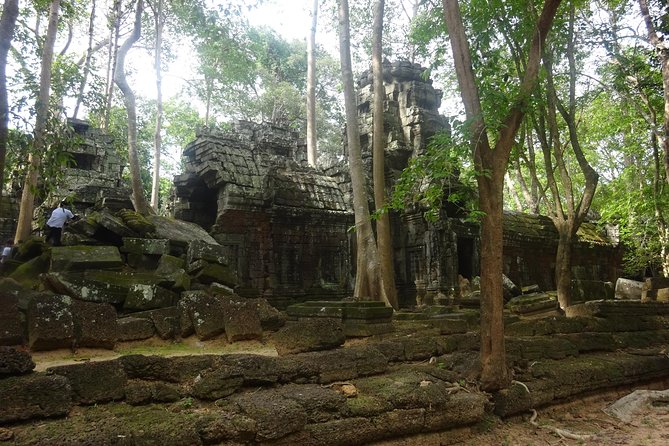
The tour price is $158.50 per person. The Angkor pass is extra at $62, bringing the known total to $220.50 per person before lunch and any other personal spending. Lunch is not included, with a listed estimate of about $5 per person depending on your order.
That price makes the most sense for people who value a private guide, a dedicated driver, hotel transfers, air conditioning, and a full two-day route. You are not paying only for transport. You are paying for interpretation, timing, help with photographs and steps, and the ability to make small changes.
The value is weaker if you only want to see Angkor Wat and one or two nearby temples. In that case, a shorter tour may suit you better. But if you want the Small Circuit, Big Circuit, Banteay Srei, sunrise, and an optional sunset, two days gives you much more time than a single outing.
Cold water and wet towels sound minor until you return from a hot stone terrace. The driver often has the vehicle cooled and ready, and several guides have also carried or offered umbrellas during sun or rain. These details do not replace good planning, but they make the long days easier.
Guide quality and the private format
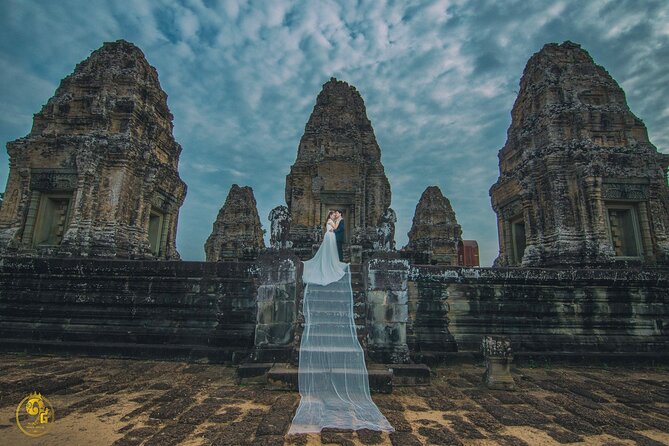
The guide is the heart of this experience. Names connected with especially strong service include Jimmy, Chhay, Choub, Vanna, Thean, Mao, Chandra, and Chay. Availability depends on the date, so you should not assume a particular guide unless the operator confirms it.
The strongest guide style here is practical and interactive. You can expect explanations of Khmer history, Hindu and Buddhist ideas, temple architecture, carvings, and Cambodian culture. Guides have also helped visitors with family photographs, panoramic pictures, tricky steps, and questions about local food and wildlife.
The separate driver is just as useful. The vehicle is air-conditioned, and drivers such as San, Sreang, Dat, Speang, and others have been praised for safe driving, punctuality, cold water, and chilled towels. Names vary, but the two-person setup remains the key feature.
This format suits couples, families, and small groups who want control over the day. It is less suited to someone who dislikes early starts or has little interest in temple history.
What to bring and how to pace yourself
Wear sturdy walking shoes. You will cross uneven ground, walk through courtyards, and encounter stairs at some temples. Loose, light clothing helps in the heat, but you should dress respectfully for religious sites.
Bring sun protection and a camera, but do not let photographs control every stop. The guides have good photo knowledge, yet the best memories often come from understanding why a doorway, carving, or tower was made.
Keep breakfast simple on the sunrise morning. You leave at 5:00am, return after the first visit, and then head out again. The schedule is easier if you accept that the first part of day two is about seeing sunrise, not having a leisurely morning.
Most people can participate, but this is not an easy walking tour. The supplied information says most participants can join, while the practical reality is that young children, anyone with mobility concerns, or anyone uncomfortable with stairs may find it tiring. Tell the guide your limits early. The private format allows more adjustment than a group bus tour.
Cancellation is free up to 24 hours before the start time. Changes or cancellations made less than 24 hours ahead are not accepted for a refund.
Should you book this Angkor tour?
I would book it if you have two days in Siem Reap and want more than a quick photograph at Angkor Wat. The route gives you the major temples, quieter stops, two different light conditions at Angkor Wat, Banteay Srei’s pink sandstone, and a private team that can help you manage the heat.
I would hesitate if you dislike temple-heavy schedules, early mornings, or long walks. You may also prefer a shorter private tour if your main goal is Angkor Wat and Ta Prohm rather than a wide survey of the park.
For history and architecture fans, this is a strong use of two days. For everyone else, the best booking decision is simple: choose it only if you are ready for a lot of stone, stairs, stories, and sun. The private guide, cooled vehicle, flexible pacing, and cold towels make that demanding schedule far more manageable.
FAQ
How long is the Angkor tour?
The experience lasts approximately two days, with hotel pickup and drop-off on both days.
What time does the first day begin?
The first day pickup is scheduled for about 8:00am from your hotel or guesthouse lobby.
What time does the sunrise day begin?
The second day begins with pickup at about 5:00am for sunrise at Angkor Wat.
Is the Angkor temple pass included?
No. The Angkor pass and temple admission are not included. The listed cost is $62 per person.
Are meals included?
No. Lunch is not included. The listed estimate is about $5 per person, depending on the menu.
Is this a private tour?
Yes. Only your group participates, with a private English-speaking guide, driver, and air-conditioned vehicle.
What transport is provided?
Hotel pickup and drop-off are included, along with an air-conditioned vehicle and driver.
Are water and towels provided?
Yes. Cool water and cool wet towels are included. Umbrellas may also be available when needed.
Can the sunset visit be skipped?
Yes. The Phnom Bakheng sunset stop is optional if you do not want to wait for sunset. Access may also be limited because only a certain number of people are allowed at the viewing area.
Just added around Siem Reap
- Twilight Tastes of Siem Reap Include Dinner★ 5.0 · 13 reviews
- Ultimate Sunrise to Angkor Wat, Angkor Thom and Bayon Temple★ 5.0 · 3 reviews
- Trekking Tour at Phnom Kulen National Park from Siem Reap★ 5.0 · 3 reviews
- Professional Photo Shoot in Angkor Archaeological Park, Siem Reap★ 5.0 · 42 reviews
- Full-Day Private Tour of Angkor Wat with Pick Up★ 5.0 · 12 reviews
- Unveiling 2 Days Private Angkor Wat/Beyond In Sunrise/Sunset Tour★ 5.0 · 48 reviews
- Siem Reap City Tour with War Museum and Killing Field★ 5.0 · 27 reviews
- Private Day Trip to Angkor Temples with Expert Guide★ 5.0 · 4 reviews
Angkor Wat Tours, compared.
Angkor Wat Sunrise or Sunset Tour with Guide from Siem Reap
Read our review →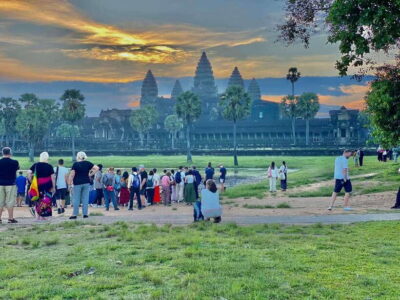
Angkor Wat: Small-Group Sunrise or Sunset Tour
Read our review →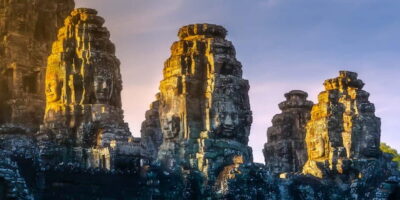
Angkor Wat Highlights and Sunrise Guided Tour from Siem Reap
Read our review →
Angkor Wat Sunrise & 3 Main Temples with Breakfast – Small Group
Read our review →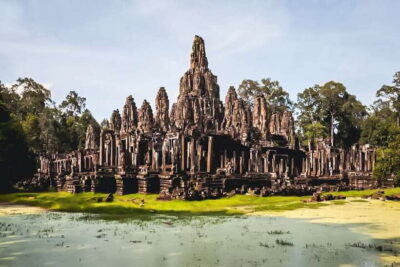
Angkor Wat Sunrise and Full-Day Sightseeing Tour
Read our review →
Angkor Wat Small-Group Exploration with Expert Guide
Read our review →Browse the lists this tour appears in