
Reviewed · ANGKOR WAT TOURS
1-Day Angkor Wat Sunrise & All Interesting Temples Private Tour
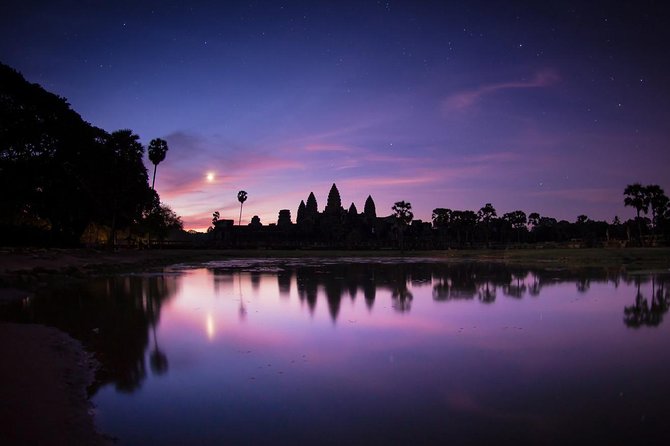
Angkor Wat at sunrise is the headline, but the smartest part of this day is what comes after it. You see the famous temple in the cool early light, return to your hotel for breakfast, then head back out to cover the grand temples and quieter corners of Angkor Thom. That break makes a long temple day far more manageable.
I like the private format, since your guide can adjust the pace, find better photo spots, and sometimes steer you away from the thickest crowds. I also like the mix of major sights and lesser-visited Ta Nei and Preah Palilay. The drawback is the early start and a lot of walking, with the $37 temple pass added to the $80 tour price.
Key points to know before booking
- Sunrise starts at 4:45am: You will reach Angkor Wat before dawn, then return to your hotel for breakfast.
- The day covers ten major stops: Angkor Wat, Ta Prohm, Ta Nei, Bayon, Baphuon, Phimeanakas, the Royal Palace area, and Angkor Thom’s terraces.
- Private touring makes a real difference: Your group alone joins the activity, so the pace and photo stops can be adjusted.
- Cold towels are more than a small perk: The driver keeps water and chilled towels ready after temple walks in the heat.
- The real cost is about $117 before lunch: The $80 tour price excludes the $37 all-day Angkor pass and lunch, listed at about $5.
- Strong guide personalities are part of the appeal: Sam, Thean, Mony, Chhay, Tou, and others are praised for clear history lessons, humor, and help with photographs.
Sunrise at Angkor Wat, with a useful breakfast break
The day begins with hotel pickup at 4:45am. You ride to the ticket office to buy the Angkor pass, then continue to Angkor Wat. Admission is not included, so plan on paying $37 per person for the all-day pass.
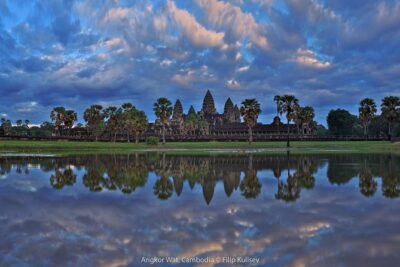
Arriving before dawn gives you time to reach the viewing area and watch the temple emerge from the dark. Sunrise is never guaranteed to produce a clear orange sun. Clouds can soften or hide the sun, but the changing sky still makes a striking backdrop for the towers and reflecting pools.
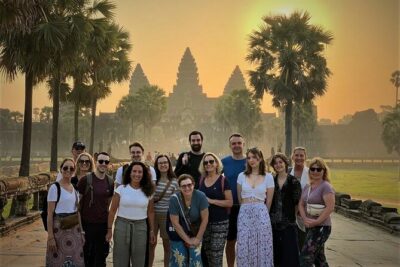
You have about three hours at Angkor Wat. That is enough time to see the famous exterior, enter the galleries, and hear about the temple’s Hindu beginnings and later Buddhist use. Your guide can also help with photographs, a service repeatedly praised by people who toured with Sam, Thean, Mony, and other guides.
The early start has a second benefit: cooler temperatures. Angkor Wat is much easier to explore before the day becomes hot, though you should still bring water, wear practical shoes, and dress appropriately for a religious site.
After this first visit, the driver takes you back to your hotel for breakfast. You are then collected again about an hour later. I consider this one of the tour’s best design choices. Many sunrise tours keep pushing through the morning, leaving you tired and hungry by the time the major temples begin. Here, you get a proper break before the longer circuit.
More Private Tours in Siem Reap
- Full-Day Angkor Wat Sunrise Private Tour with Guide from Siem Reap
★ 5.0 · 2,920 reviews - Siem Reap: Angkor Wat Private Tuk-Tuk Tour
★ 4.9 · 2,222 reviews - Angkor Wat Private Day Tour from Siem Reap
★ 5.0 · 834 reviews
Ta Prohm and Ta Nei, two very different forest temples
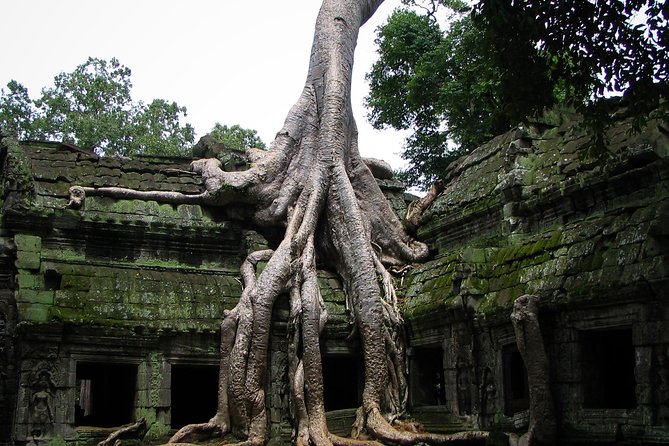
The next major stop is Ta Prohm, reached by the small circuit road. This is the temple associated with Lara Croft: Tomb Raider, but its appeal is not limited to its film connection. Huge tree roots press over walls and galleries, giving the site a rough, dramatic look that differs from the more ordered design of Angkor Wat.
You have about 90 minutes at Ta Prohm. That allows time to see the main passageways without rushing every photograph. The temple can become crowded, so a private guide who understands the site’s traffic can help you find quieter moments and better angles.
Ta Prohm also requires careful footing. Roots, uneven stones, and worn paths make it less comfortable for anyone with mobility problems. You should expect to walk rather than simply step out of the vehicle for a quick look.
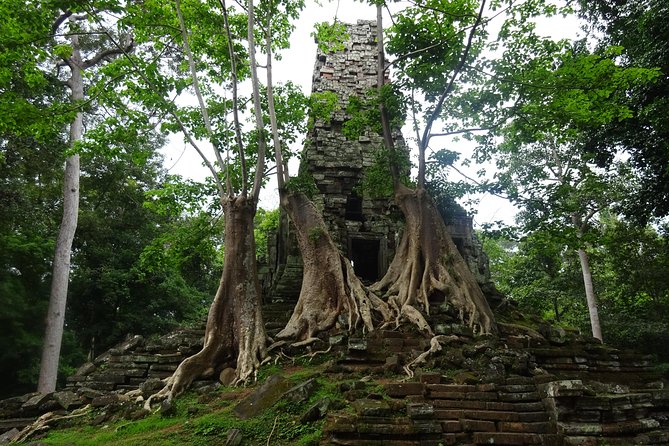
Ta Nei follows, with about 30 minutes at the site. It is smaller, less restored, and surrounded by large trees. The contrast is useful: Ta Prohm is famous and heavily visited, while Ta Nei gives you a simpler sense of a temple being reclaimed by the forest.
Do not expect the same scale or polished presentation at Ta Nei. Its value comes from the quiet setting and the chance to see a less tidied part of Angkor. If your main goal is famous architecture and elaborate carvings, this may feel brief. If you want a calmer stop between major temples, it earns its place.
Entering Angkor Thom through the Victory Gate
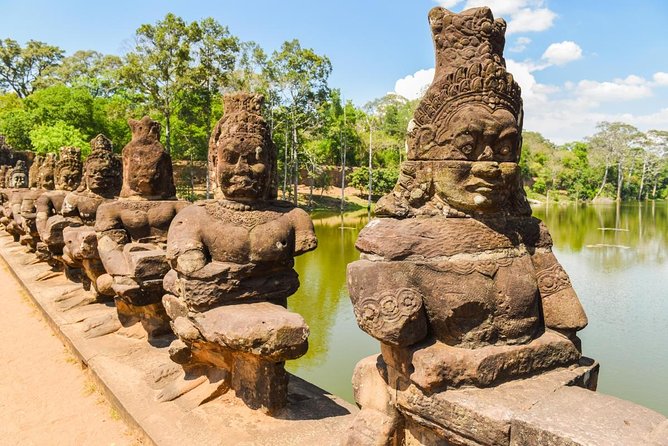
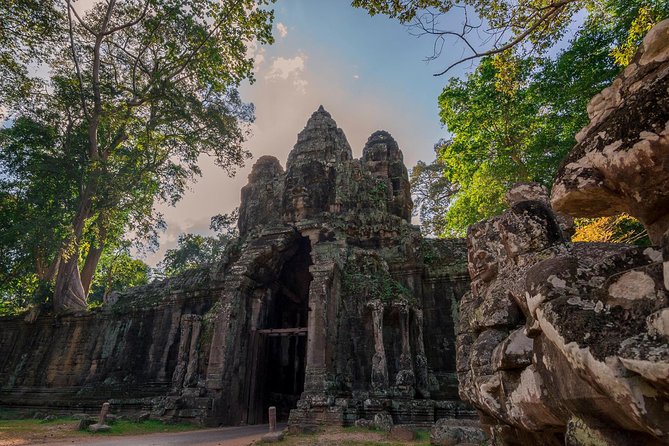
The Victory Gate is a short photo stop on the east side of Angkor Thom. You spend about 15 minutes here before continuing to Bayon.
This is a quick visit, but it helps you understand the layout of the old royal city. The gate is part of the fortified enclosure and provides a useful transition from the forest temples to the central monuments of Angkor Thom.
Because the stop is short, do not expect a full lecture or long exploration. It is mainly a chance to take photographs and get your bearings before walking through the central temple complex.
Bayon and its famous stone faces
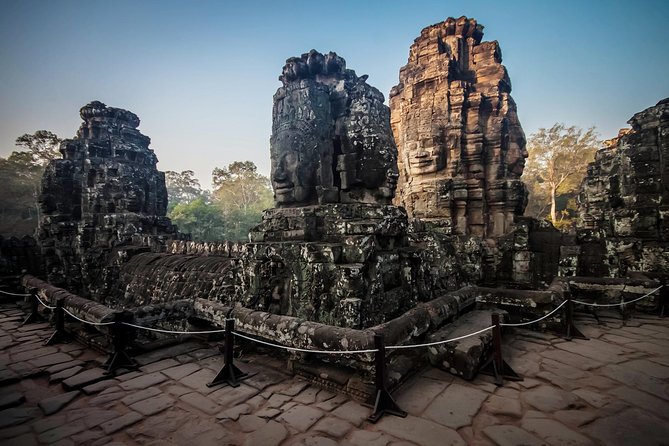
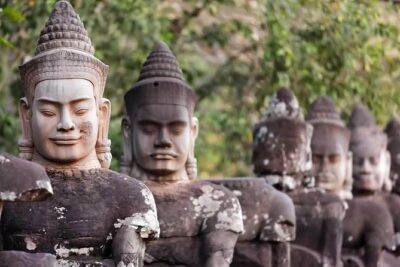
Bayon is the main temple in the center of Angkor Thom, and the tour gives you about an hour here. Its towers carry large carved faces linked with the bodhisattva Avalokitesvara. The sheer number of faces is what makes Bayon so memorable, with the towers creating a maze of stone expressions above the galleries.
This is where a good guide adds real value. The carvings can look confusing at first, and the temple’s layout is less immediately clear than Angkor Wat’s. A guide such as Sam, Chhay, Tou, or Mony can explain the religious ideas, the royal purpose of the temple, and the way Hindu and Buddhist traditions appear across Angkor.
Bayon is also one of the places where crowd management matters. Narrow passages and popular photo points can feel cramped. A private tour cannot remove every other person from the site, but your guide can adjust the order of stops and help you spend less time waiting in the busiest spots.
More ways to walk into Angkor Wat:
- Angkor Wat Sunrise or Sunset Tour with Guide from Siem Reap
★ 5.0 · 12,109 reviews - Siem Reap: Angkor Wat: Small-Group Sunrise or Sunset Tour
★ 5.0 · 9,444 reviews - Siem Reap: Angkor Wat 2-Day Tour with Sunrise and Sunset
★ 4.9 · 4,429 reviews - Siem Reap: Full-Day Angkor Wat Guided Tour with Sunset
★ 4.9 · 3,803 reviews
Baphuon, Phimeanakas, and the old royal center
After Bayon, you walk to Baphuon, another large temple within Angkor Thom. The visit lasts about an hour.
Baphuon was built before Angkor Wat, in the 11th century, as a Hindu temple. A large reclining Buddha was added behind it in the 16th century. That combination gives the site layers from different periods and religious traditions.
Baphuon is also a substantial walk, with steps and raised sections. Take your time. The long approach helps reveal the scale of the temple, but it can be tiring after Angkor Wat, Ta Prohm, and Bayon. Your driver is not always right beside you at this point because several Angkor Thom stops are explored on foot.
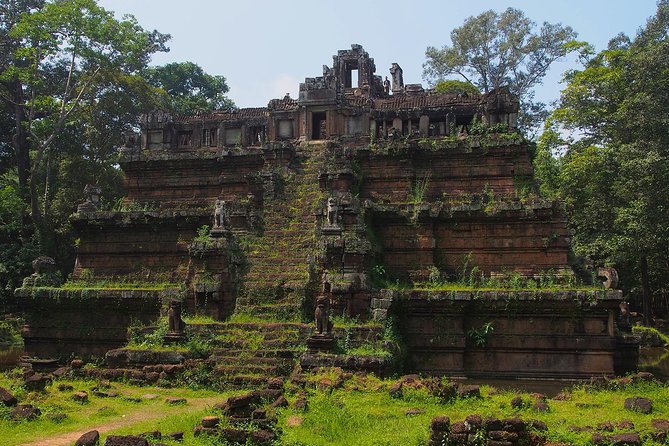
Phimeanakas is a shorter 20-minute stop. This pyramid-shaped Hindu temple dates to the 10th century and sits within the former Royal Palace area. You also see parts of the ancient Royal Enclosure wall.
Phimeanakas is less visually complete than Angkor Wat or Bayon, so it may not be the day’s most dramatic temple. Its importance comes from location. It helps you picture Angkor Thom as a functioning royal city, not just a collection of isolated monuments.
The Elephant and Leper King terraces
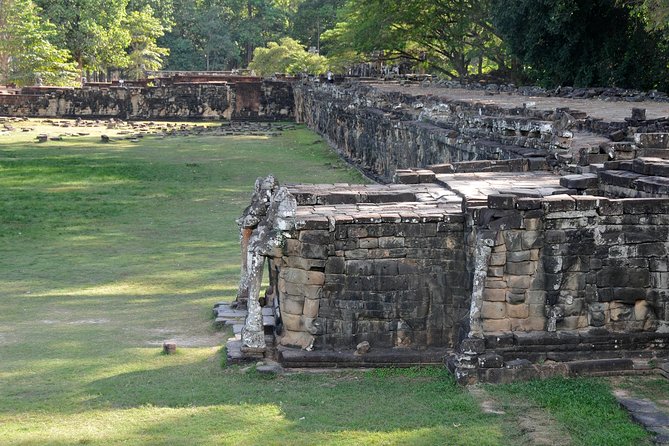
The tour continues on foot to the Terrace of the Elephants and the Terrace of the Leper King. Together, these stops take about an hour.
The Terrace of the Elephants is a long platform with carved elephants and other figures. It served as a ceremonial viewing area beside the central city. The scale is impressive, but the terrace works best when you understand its role in the old royal center.
The Terrace of the Leper King sits nearby on the north side. It is smaller but especially interesting for its carved figures and layered walls. The name comes from a statue associated with the Leper King, though the site’s exact meaning has been debated.
These terraces are not enclosed temples, so there is more open walking and less shade. By this point, heat can be the main challenge. The driver’s cold water and wet towels become genuinely useful, not decorative extras. Several guides also make a point of finding shade for rest stops, which matters on a day that can run eight or nine hours.
Preah Palilay, a quiet final stop
Preah Palilay takes about 15 minutes and sits behind the Royal Palace area inside Angkor Thom. It is a small Buddhist temple surrounded by trees.
This is a fitting final stop because it is quieter and less imposing than the headline monuments. You will not get the monumental scale of Angkor Wat or the famous faces of Bayon, but you may appreciate the slower mood after a full morning of major sights.
The short visit also keeps the itinerary from becoming too punishing. By the time you reach Preah Palilay, you have already seen the largest sites. It gives you one last look at Angkor’s smaller, more secluded architecture before returning to the hotel.
What the private vehicle and guide add
This is a private activity, so only your group participates. Pickup and drop-off at your hotel are included, along with an air-conditioned vehicle, an English-speaking licensed guide, cool water, and cold wet towels.
The vehicle matters because the sites are spread across a large area. You walk at each temple, then return to the air conditioning between sections. The driver can also position the vehicle at convenient points, reducing wasted time and helping the day run smoothly.
The most praised guides include Sam, Thean, Mony, Chhay, Tou, Tien, Sokhem, Pal, and Em Somuch. Their strengths differ, but the recurring qualities are clear English, strong knowledge of Cambodian history and religion, humor, patience, and help with photography. Some guides also suggest good angles and take photographs for you, which is useful when you are traveling as a couple or small group.
A private tour also gives you room to speak up. You can ask for more explanation at Bayon, move faster through a less interesting section, or pause for shade. The itinerary is planned, but it is not as rigid as a large group excursion.
The real price and what it buys you
The listed tour price is $80 per person. Add the $37 Angkor pass, and your known total becomes $117 per person before lunch. Lunch is not included and is listed at about $5, depending on the menu.
That is not the cheapest way to see Angkor. You are paying for a private guide, private transport, hotel service, a breakfast return, and a full day of explanation rather than simply a vehicle and a driver.
I think the value is strongest for first-time visitors who want context and efficient routing. The guide can explain why the temples differ, help with photographs, and adjust the day around heat and crowds. If you already know Angkor well and only want transport, a simpler arrangement may cost less.
The tour is often booked well ahead, with an average booking lead time of 59 days. That suggests you should reserve early if the date matters to you, especially during a busy season.
Who should book this day at Angkor
This tour suits you if you want to see the major Angkor highlights in one day without joining a large group. It is particularly useful for couples, families, and small groups who value a flexible pace and direct access to a guide.
It also suits photographers. Sunrise, Ta Prohm’s roots, Bayon’s faces, and the quieter Ta Nei and Preah Palilay provide a good range of subjects. A guide who knows where to stand can save you time and help with group photographs.
The main caution is physical. You will walk for hours, climb uneven steps, and cross worn stone surfaces. People with mobility limits may find some paths difficult. The 4:45am pickup is another real test, though the hotel breakfast break helps.
Free cancellation is available if you cancel at least 24 hours before the start time. Changes or cancellations inside that window are not accepted for a refund.
Should you book this Angkor Wat tour?
Book it if your priority is a well-organized first day at Angkor, with sunrise, the best-known temples, and several quieter stops in one private outing. The breakfast return, cold towels, air-conditioned transport, and strong guide service make the long schedule easier to handle.
Think twice if you dislike early mornings, prefer a slow two-day visit, or have difficulty with uneven ground. For most first-time visitors with one full day, though, this is a thoughtful route that gives you the icons and a few quieter corners without making you solve the transport and timing yourself.
FAQ
What time does the tour start?
Pickup begins at 4:45am from your hotel or guest house.
How long does the tour last?
The experience lasts approximately eight to nine hours.
Is the Angkor temple pass included?
No. The all-day Angkor pass costs $37 per person and is paid separately.
Does the tour return to the hotel for breakfast?
Yes. After the sunrise visit at Angkor Wat, you return to your hotel for breakfast and are picked up again to continue the tour.
Is lunch included?
No. Lunch is separate and is listed at about $5 per person, depending on the food selected.
Which temples and sites are included?
The route includes Angkor Wat, Ta Prohm, Ta Nei, the Victory Gate, Bayon, Baphuon, Phimeanakas, the Royal Enclosure area, the Terrace of the Elephants, the Terrace of the Leper King, and Preah Palilay.
Is this a private tour?
Yes. Only your group participates in the activity.
What is included in the tour price?
The price includes a licensed English-speaking guide, hotel pickup and drop-off, an air-conditioned vehicle with driver, cool water, and cool wet towels.
More Temple Tours in Siem Reap
- Siem Reap: Full Day Angkor Wat Temple Experience with Sunset
★ 4.9 · 1,490 reviews - 2 Days Exclusive Temple Highlights with Sunset and Sunrise Tour
★ 5.0 · 1,157 reviews - Full-Day Banteay Srei & 4 Temples – Grand Tours Join-in Tour
★ 5.0 · 1,155 reviews - Siem Reap: Angkor Sunrise 1- or 2-Day Guided Temples Tour
★ 4.9 · 1,132 reviews
More Early Starts in Siem Reap
- Angkor Wat Sunrise tour with Small – Group and Guide tours
★ 5.0 · 3,655 reviews - Angkor Wat Highlights and Sunrise Guided Tour from Siem Reap
★ 5.0 · 3,213 reviews - Angkor Wat Sunrise & 3 Main Temples with Breakfast – Small Group
★ 5.0 · 2,857 reviews - Siem Reap: Angkor Wat Sunrise and Full-Day Sightseeing Tour
★ 4.9 · 2,828 reviews
Just added around Siem Reap
- Twilight Tastes of Siem Reap Include Dinner★ 5.0 · 13 reviews
- Ultimate Sunrise to Angkor Wat, Angkor Thom and Bayon Temple★ 5.0 · 3 reviews
- Trekking Tour at Phnom Kulen National Park from Siem Reap★ 5.0 · 3 reviews
- Professional Photo Shoot in Angkor Archaeological Park, Siem Reap★ 5.0 · 42 reviews
- Full-Day Private Tour of Angkor Wat with Pick Up★ 5.0 · 12 reviews
- Unveiling 2 Days Private Angkor Wat/Beyond In Sunrise/Sunset Tour★ 5.0 · 48 reviews
- Siem Reap City Tour with War Museum and Killing Field★ 5.0 · 27 reviews
- Private Day Trip to Angkor Temples with Expert Guide★ 5.0 · 4 reviews
Angkor Wat Tours, compared.
Angkor Wat Sunrise or Sunset Tour with Guide from Siem Reap
Read our review →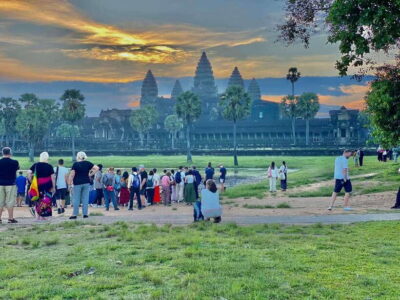
Angkor Wat: Small-Group Sunrise or Sunset Tour
Read our review →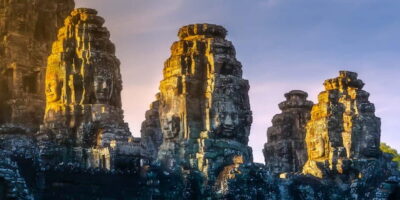
Angkor Wat Highlights and Sunrise Guided Tour from Siem Reap
Read our review →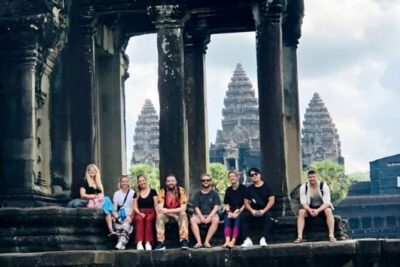
Angkor Wat Sunrise & 3 Main Temples with Breakfast – Small Group
Read our review →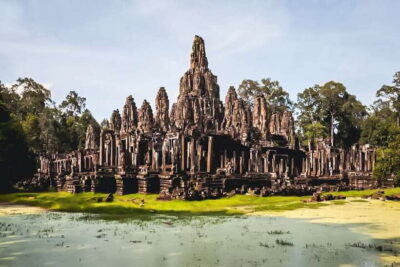
Angkor Wat Sunrise and Full-Day Sightseeing Tour
Read our review →
Angkor Wat Small-Group Exploration with Expert Guide
Read our review →Browse the lists this tour appears in