
Reviewed · ANGKOR WAT TOURS
Angkor Wat & Bayon: the Smiling Temple
The best part of this experience is the way a bicycle gets you between Angkor’s major temples without locking you inside a vehicle. You pedal through quiet paths, hear birds and insects, and reach Angkor Wat and Bayon with time to notice the trees, flowers, and old stone walls along the way. The ride is designed for ordinary riders, not athletes.
I like the small maximum group of 10, which gives your guide room to explain the temples and keep the ride together. I also like the practical inclusions: a TREK mountain bike, helmet, lunch, coconut water, and drinking water. The main caution is the heat and the off-road sections. One family needed a tuk tuk for part of the return, and on a very hot day another group ended the route early and was collected by car.
Key points to know before booking
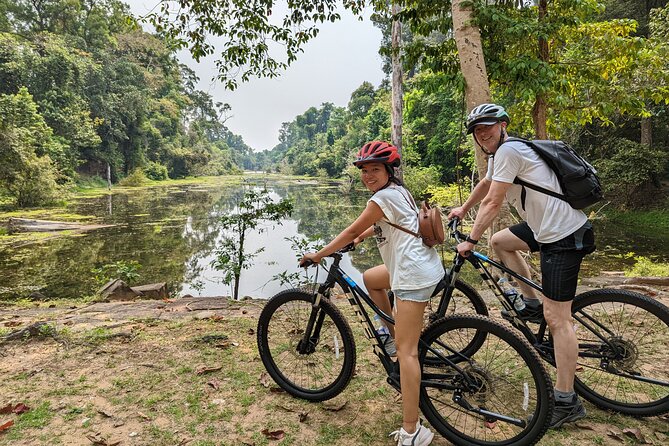
- Quiet cycling route: Ride through lesser-used paths with butterflies, flowers, and natural sounds between the main temple stops.
- Two major temples included: See Angkor Wat and Bayon, famous for its many towers and smiling stone faces.
- Small group size: The tour caps the group at 10 people, a useful limit for a guided bike ride.
- Morning departure: Meet at Angkor Cycling Tour on Taphul Road at 7:30 am and return there after about five hours.
- Good practical package: Bike, helmet, guide, lunch, coconut water, and drinking water are included.
- Budget for the temple pass: The tour price is $50, but Angkor admission is separate at $37 for a one-day pass.
Why seeing Angkor by bicycle changes the day
Angkor is spread over a large area, and the usual way to move between temples is by tuk tuk, car, or bus. Those options are easy, but a bicycle gives you a slower connection between each stop. You notice the shift from town roads to forest paths, the protective walls around Angkor Thom, and the quiet spaces where traffic fades away.
This is not an adventurous mountain-bike outing. The ride is described as leisurely and suitable for all fitness levels, with no professional cycling skills required. Still, easygoing does not mean effortless. You will be on a bike for several hours, and some of the route is off road. Heat can change the experience quickly in Siem Reap, so sunscreen, sunglasses, and a camera are sensible additions.
The small group matters here. Ten people or fewer is enough for conversation without creating a long line of cyclists. It also gives the guide a better chance to answer questions and keep an eye on the pace. If you are traveling with children or anyone who tires easily, tell the operator in advance and be realistic about the return ride.
More ways to walk into Angkor Wat:
- Angkor Wat Sunrise or Sunset Tour with Guide from Siem Reap
★ 5.0 · 12,109 reviews - Siem Reap: Angkor Wat: Small-Group Sunrise or Sunset Tour
★ 5.0 · 9,444 reviews - Siem Reap: Angkor Wat 2-Day Tour with Sunrise and Sunset
★ 4.9 · 4,429 reviews
Starting at 7:30 am on Taphul Road
The meeting point is Angkor Cycling Tour on Taphul Road in Siem Reap. There is no hotel pickup or drop-off, so you need to arrange your own way to the start. The tour begins at 7:30 am and ends back at the same meeting point after roughly five hours.
That early start is helpful. Angkor’s temples are hot later in the day, and a morning departure leaves more time for the main sights before the strongest heat. The route also has a calmer feel when you are riding rather than sitting in a vehicle among other traffic.
Your guide provides a premium TREK mountain bike and helmet. Since the tour is short by Angkor standards, the focus is on a few major places rather than trying to cover every temple in the park. That is a wise choice. Angkor can become a blur of towers and bas-reliefs if you rush from one site to the next.
Following quiet trails through the Angkor area
The route includes quieter trails where you may see butterflies and flowers and hear the sounds of nature. These sections are one of the strongest reasons to choose this tour instead of booking a standard vehicle transfer between temples.
The paths also explain why you should not picture a smooth city bike ride. The route includes some off-road riding, and the surface may require more attention than pavement. You do not need to be an expert, but you should be comfortable riding a bicycle for a few hours and handling a less even trail.
The peaceful setting gives your guide room to talk about the ancient capital without the constant interruption of traffic. You are not just being delivered to a gate, taking a few photos, and leaving. The bicycle links the stops into one continuous outing.
The tour includes pure drinking water, which is useful in the Cambodian heat. Even so, bring sunscreen and sunglasses, and wear clothing that is comfortable for cycling while still suitable for temple visits.
Angkor Wat, Cambodia’s great first stop
Angkor Wat is the headline sight, and the cycling approach gives you a gradual arrival. Rather than treating the temple as an isolated photo stop, you reach it as part of the wider Angkor setting, after riding through the surrounding paths.
The temple is described as one of the seven wonders of the ancient world, and the scale is the point. You will want time to look at the towers, galleries, courtyards, and detailed stonework. A guide can help place what you see in the story of the former Khmer capital, which is especially useful when the complex begins to feel too large to read on your own.
The Angkor entry pass is not part of the $50 tour fee. A one-day pass costs $37, bringing the basic combined cost to $87 per person before you account for getting to the meeting point. That is not the cheapest way to see Angkor, but the price includes equipment, guiding, food, and refreshments. You are paying for a small-group experience and for the convenience of having the route organized.
If your priority is only to reach Angkor Wat, take a few pictures, and return quickly, a standard tuk tuk may be better value. If you want the movement between temples to be part of the day, the bike tour makes more sense.
More Bayon and Angkor Thom mornings:
- Siem Reap Tour: Angkor Wat Sunrise, Bayon, Ta Prohm, Banteay Srei
★ 5.0 · 931 reviews - Angkor Wat Private Driver Tours to Angkor Wat Sunrise, Angkor Thom & Ta Prohm
★ 5.0 · 98 reviews - Angkor Wat Sunrise and Angkor Thom Sunset Tour
★ 5.0 · 89 reviews - Private Temples Guided Tour (Angkor Wat, Ta Prom & Angkor Thom)
★ 5.0 · 75 reviews
Angkor Thom’s South Gate and defensive walls
After Angkor Wat, the route continues to the South Gate of Angkor Thom. This is described as the most appealing defensive wall area of Angkor Thom, and the ride helps you understand the scale of the old city’s boundary.
The stop is not only about a gateway. The route gives you the chance to climb onto the protection wall and continue toward Prasat Chrung. That adds a physical element to the day and provides a broad view across the surrounding area.
The wall section deserves a little caution. It is part of the reason the experience feels more active than a vehicle tour, but it may not suit every rider equally. If you have limited mobility or are unsure about uneven ground, ask the operator for practical details before booking. The available information says most people can participate, but it does not promise a fully smooth or step-free route.
The view from Prasat Chrung is one of the quieter moments of the outing. You are away from the largest temple crowds and looking out from a defensive position tied to Angkor Thom’s design. This is the sort of stop that can be missed when you only follow the most direct road between famous temples.
The unrestored West Gate and a change of pace
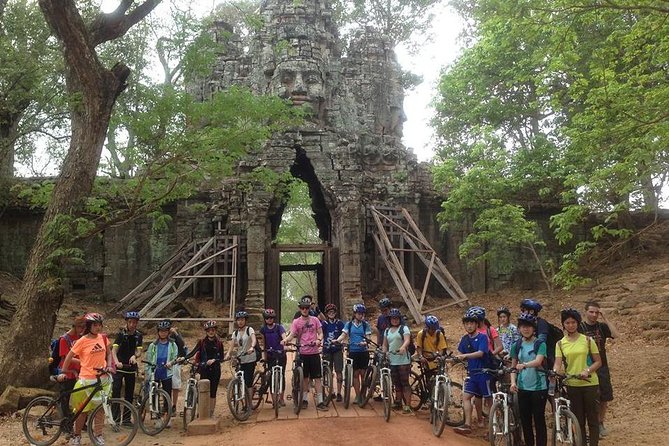
The West Gate of Angkor Thom is included as a contrasting stop. It has never been restored, so it offers a different look from the better-known temple areas that have received more attention.
That contrast is valuable. Angkor is not only polished towers and famous faces. Some structures show age, weather, and the marks of time more openly. Your guide’s explanation can help you see the gate as part of the wider city rather than as another quick stop on a checklist.
The route between the South Gate, Prasat Chrung, and West Gate also gives you a clearer sense of Angkor Thom’s size. On a bicycle, the distances register in a way they do not from the back seat of a tuk tuk. You feel the spacing between the monuments and get a better sense of how the ancient city was organized.
Bayon and its 216 smiling faces
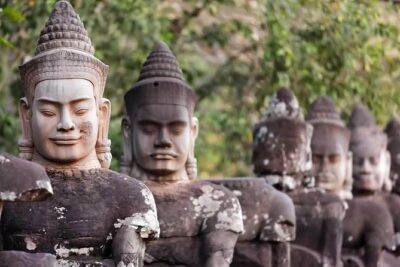
Bayon is the second major temple on the route and perhaps the most distinctive. Its towers carry the famous smiling faces, with 54 towers and 216 faces listed as part of the experience.
The faces are easy to recognize in photographs, but standing among the towers is different. The close-packed stone structures create a more enclosed feeling than Angkor Wat, and the faces seem to appear from different angles as you move around. This is a place where slowing down pays off.
The guide’s role is particularly useful at Bayon because the temple can feel confusing at first. Towers, corridors, carvings, and changing levels compete for attention. A short explanation can help you understand what you are looking at instead of simply searching for the best camera angle.
Bayon is also a good final major temple stop for a half-day cycling route. You get two very different headline sites: Angkor Wat for scale and formal grandeur, Bayon for its unusual towers and faces. The other gates and wall paths fill in the spaces between them.
Lunch, coconut water, and staying comfortable
Lunch and refreshing coconut water are included, along with drinking water. These are more than small extras on a bike tour. Food and fluids mean you do not need to interrupt the route to search for a meal, and coconut water is a welcome break after riding in the heat.
You should advise the operator about specific dietary requirements when booking. No detailed menu is provided, so do not assume a particular dish or that every dietary request can be handled without advance notice.
Bring sunscreen and sunglasses, and dress for both cycling and temple etiquette. Angkor remains an active spiritual site, and revealing clothing is not appropriate in sacred areas. Shorts and skirts above the knees and bare shoulders are prohibited in sacred palaces. Respectful clothing is the practical choice, not just a courtesy.
A camera is worth bringing, but do not let it turn the whole day into a hunt for pictures. The quiet trails, wall views, and changing spaces between the temples are a major part of what you are paying for.
Heat, family riding, and the return journey
The most important practical issue is stamina. The tour is labeled easy and suitable for all fitness levels, but the route lasts about five hours and includes off-road riding. Cambodia’s heat can make a simple ride feel much harder, especially for young children.
A family with small children found that the children could not manage the ride back from the temple area. The tour leader arranged a tuk tuk home, which shows useful flexibility, but you should not treat that as a guaranteed part of the booking. Ask about options before departure if your group includes children or less confident cyclists.
On another hot day, a group did not complete the full route, and the company sent a car to collect them. Again, that is encouraging practical support, but it is better to plan around your own limits. Take water breaks, tell the guide if the pace is too fast, and do not feel obliged to finish every section if the weather turns severe.
The tour’s leisurely pace helps, but it cannot remove the heat or the physical demands of riding. A person who is comfortable with a few hours on a bicycle should manage well. Someone looking for a completely passive sightseeing day should choose a vehicle tour instead.
Who gets the best value from this tour
I would recommend this experience to you if you want the temples and the spaces between them to feel connected. It works especially well for people who prefer a small group, enjoy light outdoor activity, and want a guide to explain the sites without joining a large bus group.
It also suits repeat visitors who have already seen Angkor by tuk tuk and want a different way to move through the area. The quiet trails, defensive wall, Prasat Chrung, and unrestored West Gate give the half-day route more character than a simple Angkor Wat and Bayon transfer.
Families can enjoy it, but only if the children are comfortable on bikes and the adults are prepared for heat. The organized help with a tuk tuk or car is useful, yet the safer assumption is that everyone needs to be ready for the full cycling portion.
At $50 per person, the tour is fairly priced if you use the bike, guide, lunch, drinks, and small-group setting. Add the $37 temple pass and remember that hotel transport is not included. The value is weaker if you only want the main temples and do not care about cycling the connecting paths.
Book at least several days ahead if possible. This experience is often reserved about 10 days before the date, and the group limit is only 10 people.
Should you book Angkor Wat and Bayon by bike?
Book it if you want a relaxed but active morning, a small group, and a closer feel for the paths and walls around Angkor. The combination of Angkor Wat, Bayon, the Angkor Thom gates, Prasat Chrung, lunch, and a TREK bike makes good use of five hours.
Skip it if you dislike heat, uneven trails, or several hours on a bicycle. A tuk tuk or car will be easier for very young children, anyone with limited mobility, or anyone who wants to conserve energy for long temple walks.
For most reasonably fit visitors, this is a useful middle ground: more personal than a large vehicle tour, but far less demanding than a serious cycling excursion.
FAQ
How long is the Angkor Wat and Bayon cycling tour?
The tour lasts approximately five hours.
What time does the tour start?
The tour starts at 7:30 am.
Where does the tour begin and end?
You meet at Angkor Cycling Tour on Taphul Road in Siem Reap. The tour ends back at the same meeting point.
Is hotel pickup included?
No. Hotel pickup and drop-off are not included.
Is the Angkor temple pass included?
No. The Angkor entry pass is separate and costs $37 for one day.
How much does the tour cost?
The listed tour price is $50 per person, not including the temple pass or transport to and from the meeting point.
What equipment is provided?
A premium TREK mountain bike and helmet are included.
Are food and drinks included?
Yes. The tour includes lunch, coconut water, and pure drinking water.
How large is the group?
The group has a maximum of 10 people.
Is the ride suitable for beginners?
The ride is described as leisurely, easy, and suitable for all fitness levels. It does include some off-road cycling, so you should be comfortable riding for several hours.
What should I wear to the temples?
Wear respectful clothing that covers the shoulders and reaches at least to the knees. Shorts and skirts above the knees and bare shoulders are prohibited in sacred palaces.
Can dietary requirements be accommodated?
You should advise the operator of any specific dietary requirements when booking.
What happens if I need to cancel?
You can cancel for a full refund up to 24 hours before the scheduled start time. Cancellations or changes made less than 24 hours in advance are not accepted for a refund.
More Temple Tours in Siem Reap
- Angkor Wat Sunrise & 3 Main Temples with Breakfast – Small Group
★ 5.0 · 2,857 reviews - Siem Reap: Full Day Angkor Wat Temple Experience with Sunset
★ 4.9 · 1,490 reviews - 2 Days Exclusive Temple Highlights with Sunset and Sunrise Tour
★ 5.0 · 1,157 reviews - Full-Day Banteay Srei & 4 Temples – Grand Tours Join-in Tour
★ 5.0 · 1,155 reviews
Just added around Siem Reap
- Twilight Tastes of Siem Reap Include Dinner★ 5.0 · 13 reviews
- Ultimate Sunrise to Angkor Wat, Angkor Thom and Bayon Temple★ 5.0 · 3 reviews
- Trekking Tour at Phnom Kulen National Park from Siem Reap★ 5.0 · 3 reviews
- Professional Photo Shoot in Angkor Archaeological Park, Siem Reap★ 5.0 · 42 reviews
- Full-Day Private Tour of Angkor Wat with Pick Up★ 5.0 · 12 reviews
- Unveiling 2 Days Private Angkor Wat/Beyond In Sunrise/Sunset Tour★ 5.0 · 48 reviews
- Siem Reap City Tour with War Museum and Killing Field★ 5.0 · 27 reviews
- Waterfall & River of 1000 Siva Linga- Kulen Mountain Private Tour★ 5.0 · 3 reviews
Angkor Wat Tours, compared.
Angkor Wat Sunrise or Sunset Tour with Guide from Siem Reap
Read our review →
Angkor Wat: Small-Group Sunrise or Sunset Tour
Read our review →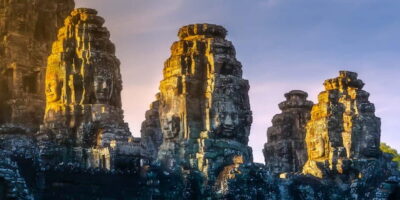
Angkor Wat Highlights and Sunrise Guided Tour from Siem Reap
Read our review →
Angkor Wat Sunrise & 3 Main Temples with Breakfast – Small Group
Read our review →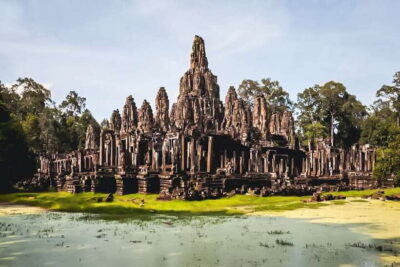
Angkor Wat Sunrise and Full-Day Sightseeing Tour
Read our review →
Angkor Wat Small-Group Exploration with Expert Guide
Read our review →Browse the lists this tour appears in