
Reviewed · ANGKOR WAT TOURS
Siem Reap: 2-Days Angkor Wat with Sunrise Small-Group Tour
Angkor Wat at sunrise is the great draw here, but the smart part is the wider plan. You see the famous temple before breakfast, then Ta Prohm, Angkor Thom, and Bayon, while the first day takes you farther out to Banteay Srei and the Grand Circuit. The temple variety is excellent: pyramids, carved sandstone, jungle growth, a man-made island, and giant stone faces.
I like the way the tour pairs a cool, air-conditioned vehicle with long walks in the heat. Drivers regularly provide cold water and wet towels, which sounds minor until you return from a temple in Cambodia’s sun. I also like the guides’ habit of explaining a site, then giving you time to explore and take photos. The drawback is the pace: two days cover a lot of ground, and the first day runs roughly from 7:45am to 5pm.
Key points to know before booking
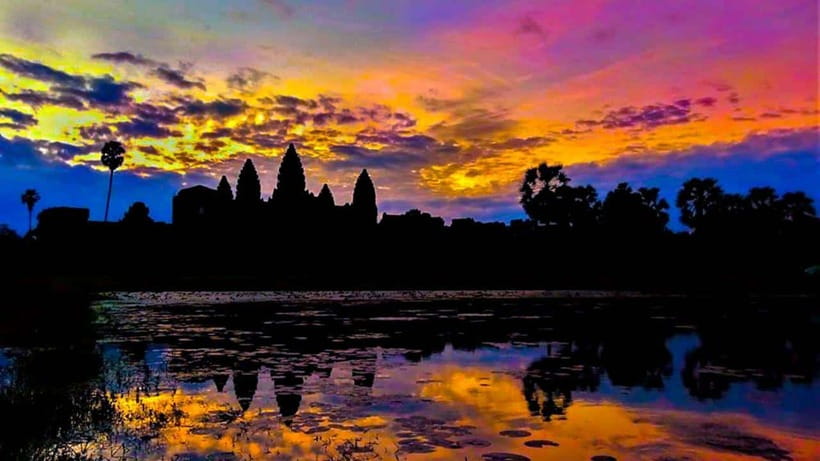
- Sunrise begins before dawn: Hotel pickup on day two is between 4:20am and 4:35am, with drop-off around 12:30pm to 1:30pm.
- The temples are well varied: See Pre Rup, Banteay Srei, Neak Pean, Preah Khan, Angkor Wat, Ta Prohm, and Bayon.
- Guides add real value: Sak, Pal, Bun, Chhay, Sokpee, and other English-speaking guides explain temple art, religion, Cambodian history, and modern life.
- Transport matters in the heat: Air conditioning, bottled water, and cool towels help break up the walking.
- The price is unusually low: The tour costs $16 per person, but you must add the Angkor pass, priced at $62 for two or three days, plus food.
- Expect stairs and uneven ground: Comfortable shoes, sun protection, and insect repellent are practical essentials.
Why this two-day plan works at Angkor
Angkor is not one temple with a few nearby ruins. It is a huge archaeological area, and the best-known monuments are spread across different routes. You can hire a tuk-tuk or car and plan it yourself, but a first visit can turn into a string of names with little sense of how the sites fit together.
This tour gives you two useful themes. Day one moves through the Grand Circuit and the more distant Banteay Srei. Day two focuses on the essential Angkor Wat and Angkor Thom sights, with the early start timed for sunrise.
That order also helps with energy. The long first day has more driving between sites, while the second day gets the most famous monuments done early and ends around midday. You will still walk plenty, but you are not spending two full afternoons in the hottest part of the day.
The advertised group is small, though the exact size can vary. One recent arrangement had five people on the first day and eleven on the second, still a manageable number for a guided visit. If you prefer wandering alone for hours, this may feel structured. If you want the routes, timing, and ticket process handled for you, it is a strong fit.
More ways to walk into Angkor Wat:
- Angkor Wat Sunrise or Sunset Tour with Guide from Siem Reap
★ 5.0 · 12,109 reviews - Siem Reap: Angkor Wat: Small-Group Sunrise or Sunset Tour
★ 5.0 · 9,444 reviews - Siem Reap: Angkor Wat 2-Day Tour with Sunrise and Sunset
★ 4.9 · 4,429 reviews
Day one: Pre Rup and the red sandstone of Banteay Srei
Pickup on the first day is scheduled between 7:45am and 8am. The air-conditioned vehicle takes you first to Pre Rup, a late 10th-century Hindu temple built in a stepped pyramid form.
Pre Rup is a good opening stop because it looks and feels different from Angkor Wat. You climb through successive levels and get a clear sense of the temple-mountain design used by Khmer builders. The stone is warm in color, and the upper terraces give you a useful view over the surrounding area.
The climb is not the toughest in the park, but it is still a climb. Wear shoes with a firm sole rather than smooth sandals. The upper levels can also feel exposed to the sun, so your hat and sunscreen should be in an easy-to-reach pocket.
Next comes Banteay Srei, one of the most rewarding stops on the route. It is smaller than Angkor Wat, but its sandstone carvings are exceptionally fine. Doorways, lintels, and wall panels carry detailed relief work that rewards a slower look.
This is where a good guide earns the fee. Without context, you may notice beautiful patterns and figures but miss the stories and religious ideas behind them. Guides such as Pal, Sak, Bun, and Chhay are often praised for explaining both the temple details and wider Cambodian culture, while leaving time for your own photographs.
Banteay Srei is farther from Siem Reap than the central Angkor sites. That extra drive is worth considering. You get a temple with a distinct scale and style, but the first day becomes a full outing rather than a relaxed half-day excursion.
Neak Pean and Preah Khan after lunch
After lunch, the route continues to Neak Pean, a Buddhist temple placed on a man-made island. Its setting gives the visit a different rhythm. Instead of climbing a large pyramid or moving through massive galleries, you follow a causeway over water toward the central shrine.
The approach is part of the experience. You see the temple from a distance before reaching it, and the water and island setting separate it from the usual jungle-and-stone image of Angkor. Depending on conditions, the surrounding pools may not look exactly as they do in photographs, but the design remains unusual.
The final major stop of day one is Preah Khan, a large temple complex with a more atmospheric feel. It combines long passages, courtyards, carved stone, and areas where vegetation has become part of the view. It is a fine place to notice how an Angkor temple can feel less like a single monument and more like a small, layered world.
The day ends with hotel drop-off between 4pm and 5pm. That timing is useful. You have time to shower, eat, and rest before the very early start the next morning, though you may not feel like planning a big evening.
One practical point: the two days can be swapped at your request. Ask about this if sunrise is your first priority or if you want the longer day completed before your rest day. The supplied schedule places the Grand Circuit on day one and sunrise on day two, but the order is flexible.
Day two: Angkor Wat before the crowds and heat
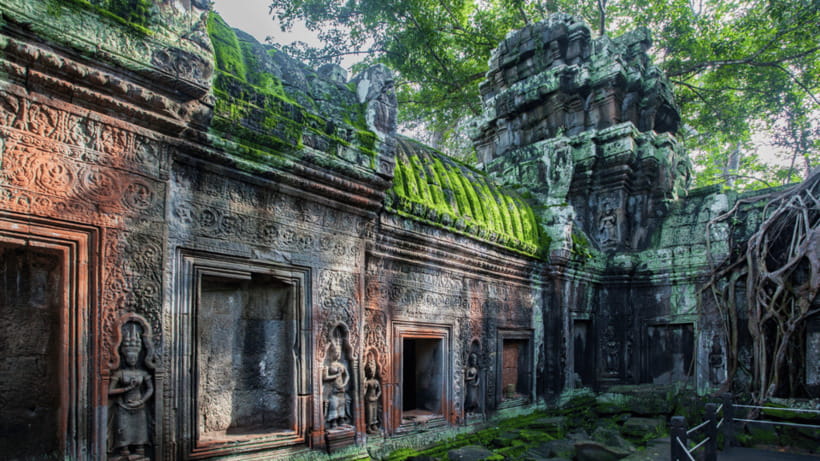
The alarm comes early. Pickup is scheduled between 4:20am and 4:35am, so prepare clothing, shoes, and water the night before. The exact pickup time is provided one day before the tour.
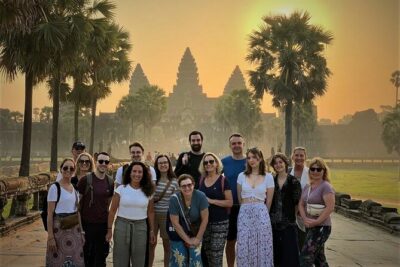
You head to Angkor Wat in darkness and walk toward the familiar towers. Sunrise depends on weather, of course. Clouds can soften the colors or hide the sun, but the early arrival still gives you the best chance to enjoy the temple before the day becomes hot and busy.
The guides make a difference here. Sak is often praised for knowing good viewing areas and photo positions, while other guides such as Pal, Bun, and Chhay are valued for keeping the group moving without making it feel hurried. A guide can also help you choose where to stand and when to leave the first viewpoint for the temple interior.
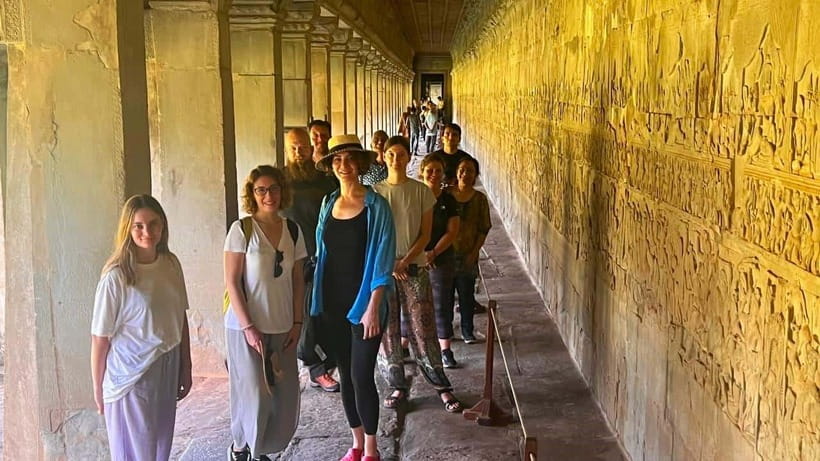
Do not treat sunrise as the whole Angkor Wat visit. After the light changes, you explore the temple itself, including its corridors, central chambers, and upper terraces. The structure is enormous, so the interior visit gives meaning to the famous exterior view.
This is also the most demanding part of the morning. You have been awake for hours, and the stone surfaces begin warming quickly. The tour includes bottled water and a cool towel, but you should still bring sunscreen, sunglasses, and light, comfortable clothing.
Breakfast is taken just outside Angkor Wat. Food is not included, so bring cash for breakfast and drinks. This is a simple meal break, not a formal dining stop, and prices and choices are not specified in the tour details.
After breakfast, you have time to rest before continuing. That pause matters. A sunrise tour that moves straight from one temple to the next can become exhausting, especially for older visitors or families. Here, the schedule gives you a chance to cool down before Ta Prohm.
More early starts around Siem Reap:
- Angkor Wat Sunrise tour with Small – Group and Guide tours
★ 5.0 · 3,655 reviews - Angkor Wat Highlights and Sunrise Guided Tour from Siem Reap
★ 5.0 · 3,213 reviews - Full-Day Angkor Wat Sunrise Private Tour with Guide from Siem Reap
★ 5.0 · 2,920 reviews - Angkor Wat Sunrise & 3 Main Temples with Breakfast – Small Group
★ 5.0 · 2,857 reviews
Ta Prohm, where trees become part of the architecture
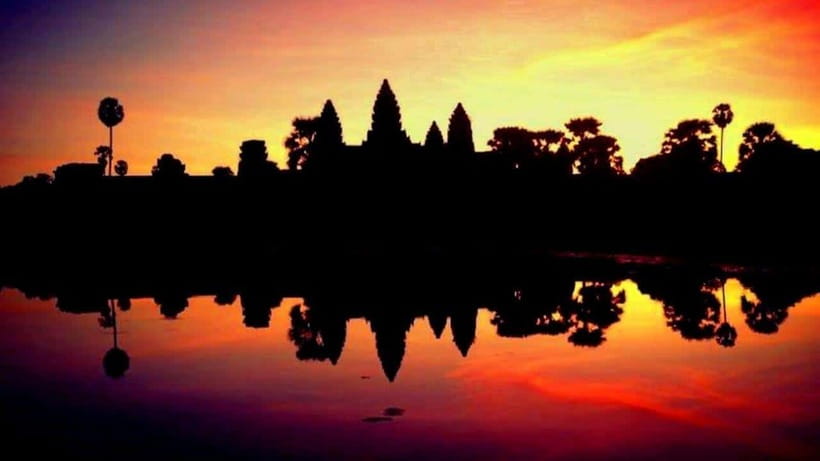
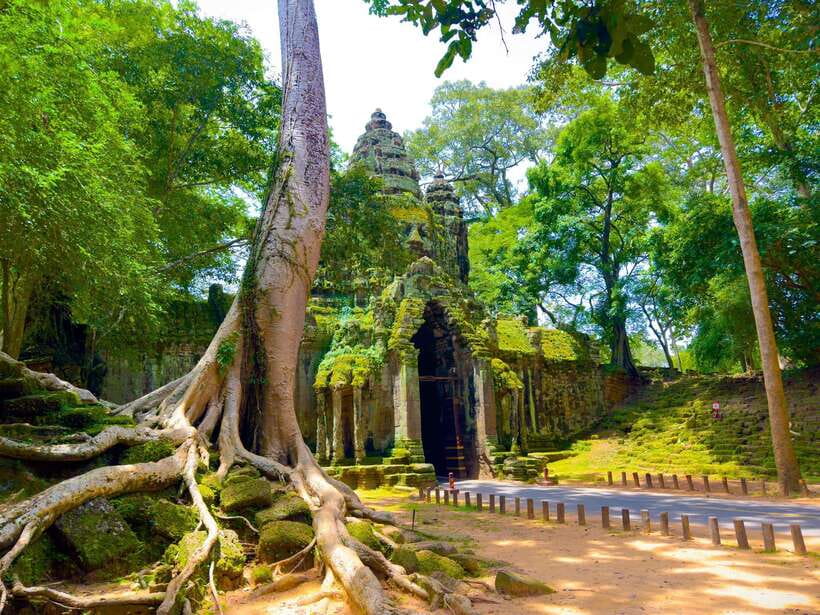
Ta Prohm is one of Angkor’s most instantly recognizable sites. Trees grow over and around the stone, with roots pressing against walls and galleries. The result is dramatic, but the temple is more than a backdrop for photographs.
As you walk through, look for the relationship between the built structure and the surrounding forest. Some areas feel open and bright, while others narrow into dark corridors. The temple’s condition also helps you picture the scale of the work involved in preserving Angkor.
A guide can point out key details that are easy to pass by, then let you move at your own pace for photos. This balance comes up often with guides assigned to the tour. Sak, Pal, and Bun are known for explaining clearly and also taking group photos when asked, a useful service for solo visitors who do not want every picture to be a selfie.
Ta Prohm can be particularly photogenic, which means you may want more time than the schedule allows. Keep your expectations sensible. This is a guided route designed to cover several major sites, not a private photo session at one temple.
Angkor Thom and the many faces of Bayon
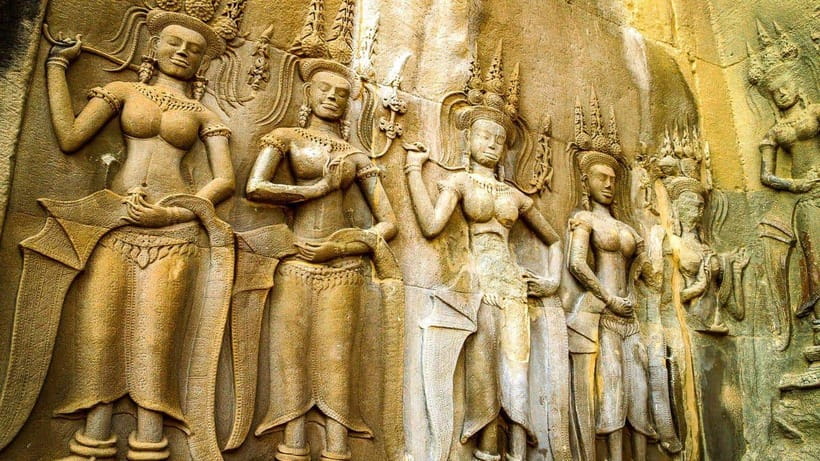
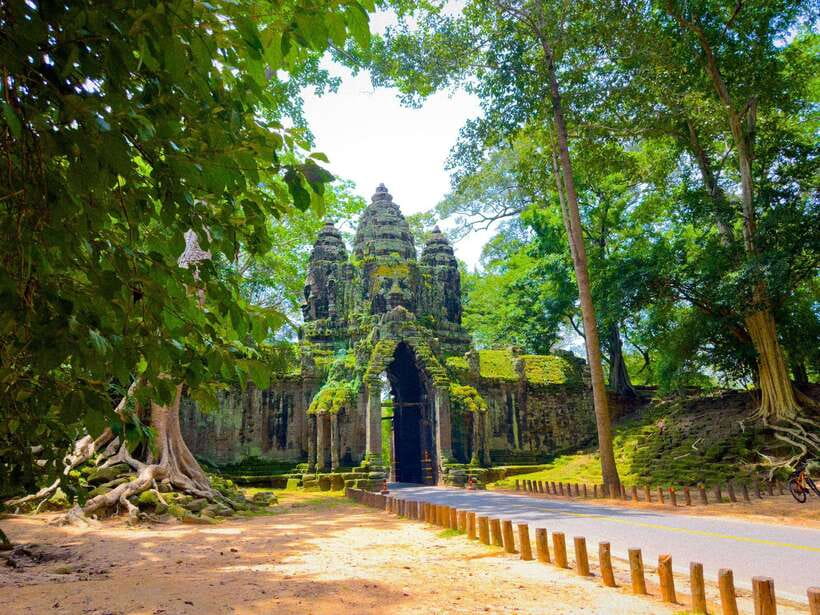
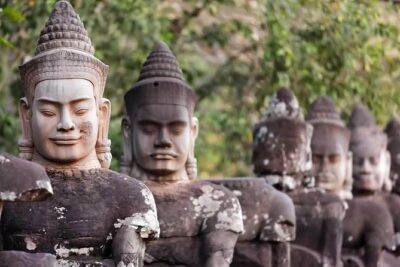
From Ta Prohm, you continue to the Eastern Gate of Angkor Thom. The entrance is flanked by rows of stone gods and demons, creating one of the most memorable approaches in the park.
The gate is not just a place to stop for a picture. It introduces Angkor Thom as a fortified city, a different kind of site from the individual temples. Your guide can explain the symbolism of the figures and show how the entrance fits into the city’s design.
Inside Angkor Thom, the main stop is Bayon Temple. Its carved faces appear on the towers, looking out across the complex with a calm, enigmatic expression. Bayon can be confusing at first because the towers and galleries form a dense maze. A guide helps you see the main reliefs and understand how the temple was organized.
You also pass the Terrace of the Elephants and the Terrace of the Leper King. These are shorter visits than Angkor Wat or Ta Prohm, but they add political and ceremonial context to the city. The terraces are especially useful if you want more than a checklist of famous ruins.
The tour ends around 12:30pm to 1:30pm. That early finish is one of the plan’s strengths. You get the defining Angkor sights before the worst afternoon heat and have the rest of the day free. You will be tired, but not committed to another long walk after lunch.
The guides and drivers shape the experience
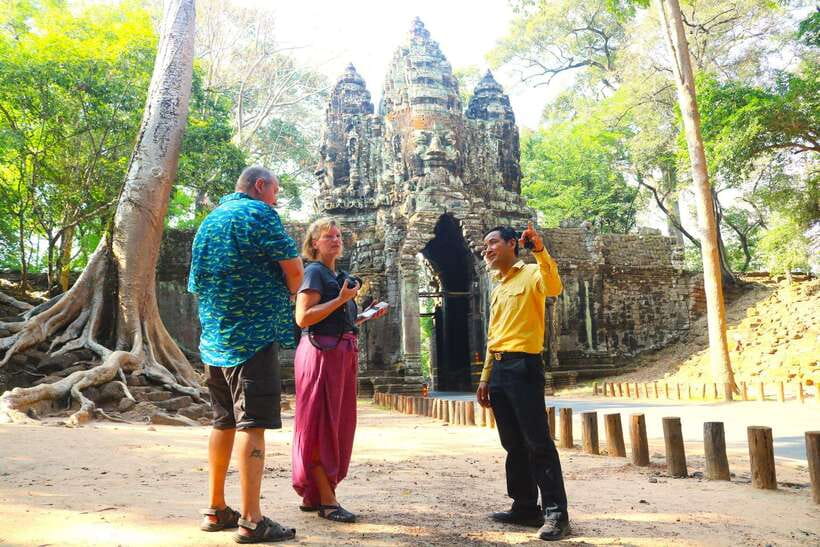
The temples are extraordinary, but the quality of your day depends heavily on the guide and driver assigned to your group. The tour operates in English, and named guides connected with the experience include Sak, Pal, Bun, Chhay, Sokpee, Samnang, Sopheaprath, and others.
Their strengths are not identical. Some focus on detailed explanations of inscriptions and religious ideas. Others bring in modern Cambodian life, personal stories, humor, or strong photo skills. You cannot request that a specific guide will definitely be assigned unless the operator confirms it, but the range of positive guide feedback suggests that interpretation is a central part of the service.
Drivers such as Naro, Mao, Dara, Vichet, Seyha, Keak, and Black are repeatedly appreciated for safe driving and practical care. They wait with cold water and wet towels after temple walks, and umbrellas may be available when rain arrives. This is not a luxury touch for its own sake. It helps you recover between hot, dusty walks.
The air-conditioned vehicle is another major advantage over arranging every transfer yourself. You still walk on uneven surfaces and climb stairs, but you have a cool place to reset between monuments.
What the $16 price really means
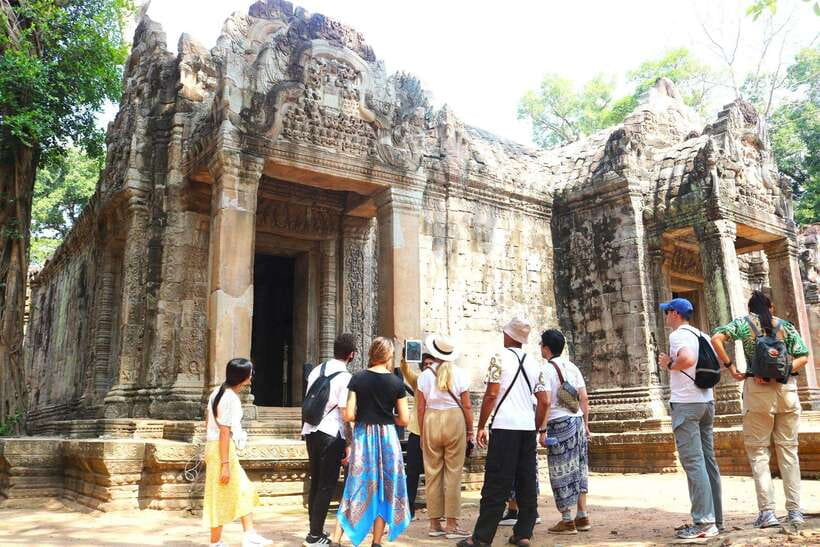
At $16 per person, the tour price is remarkably low for two days of hotel pickup, guiding, transport, water, and towels. But that is not your full cost.
The two or three-day Angkor temple pass costs $62 per person and is not included. Add meals and extra drinks, and your actual spending will be closer to $78 plus food. Even then, the value is strong if you want a guide and vehicle for both days.
The low price also means you should not expect a private tour. Group size can change, and you may have less control over how long you stay at each temple. The benefit is that transport, route planning, and much of the day’s timing are taken care of.
Free cancellation is available up to 24 hours before the activity, and you can reserve now and pay later. Those terms help if your Siem Reap plans are still shifting, but the important practical question is whether you have two consecutive days available.
How hard is the tour?
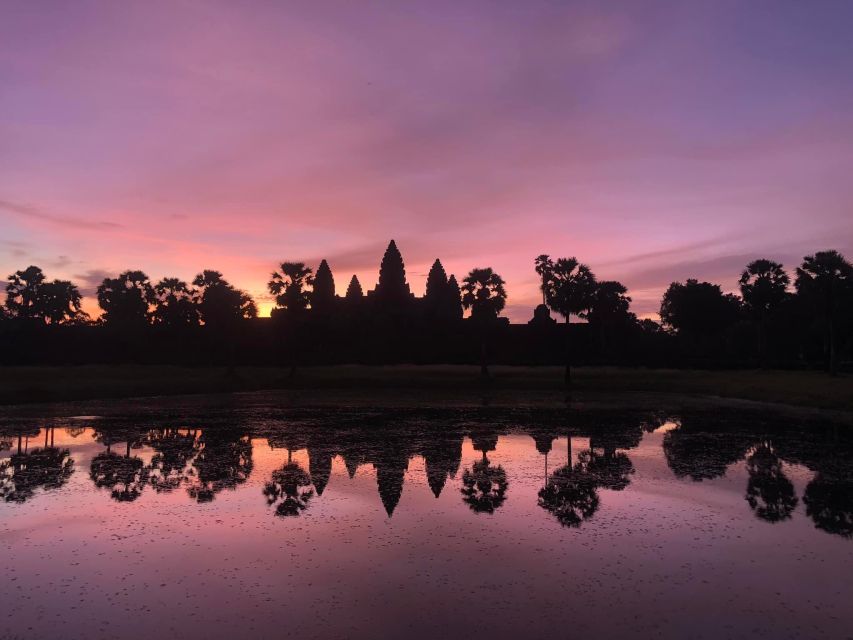
This is not a wheelchair-friendly activity, and it is not suitable for children under eight. The route includes substantial walking, uneven temple surfaces, stairs, and small climbs.
You do not need specialist hiking gear. Comfortable shoes with good grip are enough. Wear breathable clothes that meet temple expectations, and bring sunglasses, a sun hat, sunscreen, and insect repellent.
The heat is the main challenge. Even with air conditioning, cold water, and towels, you should pace yourself. Take the guide’s explanations in the shade when possible, drink before you feel thirsty, and use the rest period after breakfast rather than treating it as wasted time.
Families with older children can manage it if everyone is comfortable with the early start and long first day. Solo visitors may find the small group especially useful because the guide can help with photos and remove the awkwardness of navigating the temple routes alone.
Who should book this Angkor tour?
I would choose this tour if you have two days in Siem Reap and want the major Angkor sights without spending hours planning routes. It is also a good option if you value historical explanation, prefer an English-speaking guide, or want reliable transport in the heat.
The variety is a major selling point. You get the grand scale of Angkor Wat, the faces of Bayon, the tree-covered spaces of Ta Prohm, the fine carving of Banteay Srei, the pyramid form of Pre Rup, the island setting of Neak Pean, and the long passages of Preah Khan.
I would think twice if your schedule is tight, you dislike pre-dawn starts, or you want to linger at each monument until the light is perfect. The tour covers a lot, and the route is shared. For most first-time visitors, though, the combination of strong guides, thoughtful timing, cooling breaks, and a $16 tour fee makes this a practical way to get oriented at Angkor.
FAQ
How much does the two-day Angkor tour cost?
The tour costs $16 per person. The Angkor temple pass is separate and costs $62 per person for two or three days. Food and extra drinks are also separate.
What time does the first day begin and end?
Pickup on day one is between 7:45am and 8am. Hotel drop-off is scheduled between 4pm and 5pm.
What time does the sunrise day begin?
Pickup on day two is between 4:20am and 4:35am. The tour ends with hotel drop-off between 12:30pm and 1:30pm.
Can the two tour days be swapped?
Yes. The two days can be swapped according to your request.
Which temples are visited on day one?
Day one includes Pre Rup, Banteay Srei, Neak Pean, and Preah Khan.
Which temples and sites are visited on day two?
Day two includes sunrise and an interior visit at Angkor Wat, Ta Prohm, the Eastern Gate of Angkor Thom, Bayon Temple, the Terrace of the Elephants, and the Terrace of the Leper King.
Is food included?
No. Food and additional drinks are not included. Breakfast is taken just outside Angkor Wat on the sunrise day.
Is hotel pickup included?
Yes. Hotel pickup and drop-off in Siem Reap are included. The exact pickup time is provided one day before the tour.
Is the tour suitable for children or wheelchair users?
The activity is not suitable for children under eight or wheelchair users. You should also expect substantial walking, stairs, and some small climbs.
Just added around Siem Reap
- Twilight Tastes of Siem Reap Include Dinner★ 5.0 · 13 reviews
- Ultimate Sunrise to Angkor Wat, Angkor Thom and Bayon Temple★ 5.0 · 3 reviews
- Trekking Tour at Phnom Kulen National Park from Siem Reap★ 5.0 · 3 reviews
- Professional Photo Shoot in Angkor Archaeological Park, Siem Reap★ 5.0 · 42 reviews
- Full-Day Private Tour of Angkor Wat with Pick Up★ 5.0 · 12 reviews
- Unveiling 2 Days Private Angkor Wat/Beyond In Sunrise/Sunset Tour★ 5.0 · 48 reviews
- Siem Reap City Tour with War Museum and Killing Field★ 5.0 · 27 reviews
- Private Day Trip to Angkor Temples with Expert Guide★ 5.0 · 4 reviews
Angkor Wat Tours, compared.
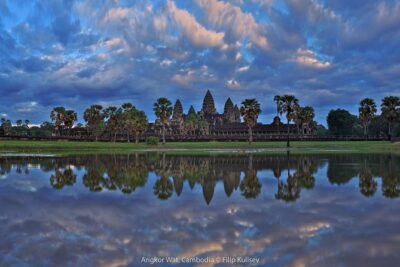
Angkor Wat Sunrise or Sunset Tour with Guide from Siem Reap
Read our review →
Angkor Wat: Small-Group Sunrise or Sunset Tour
Read our review →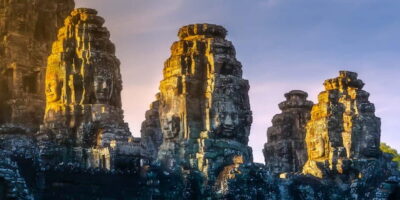
Angkor Wat Highlights and Sunrise Guided Tour from Siem Reap
Read our review →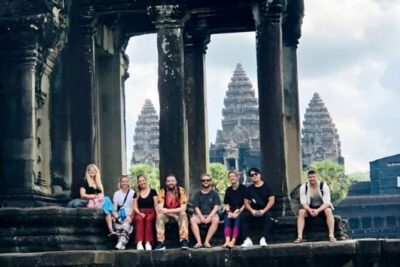
Angkor Wat Sunrise & 3 Main Temples with Breakfast – Small Group
Read our review →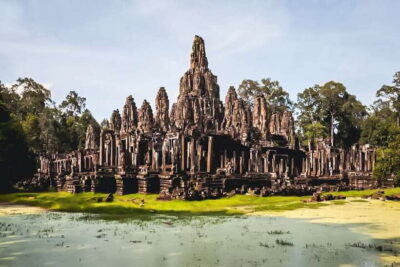
Angkor Wat Sunrise and Full-Day Sightseeing Tour
Read our review →
Angkor Wat Small-Group Exploration with Expert Guide
Read our review →Browse the lists this tour appears in