
Reviewed · ANGKOR WAT TOURS
Angkor Wat Small Circuit & Sunset Tour
Angkor Wat is only the opening act here. This 8 to 9-hour private tour takes you from the great temple to quiet Banteay Kdei, tree-covered Ta Prohm, and the carved faces of Bayon before ending with sunset views around Angkor Thom. You start at 9:00 am, so you can eat breakfast first and skip the painful pre-dawn alarm.
I like the air-conditioned transport and cold bottled water, both small comforts that matter in Cambodia’s heat. I also like the human side of the guiding: Vanna explains temple carvings and Khmer history in clear English, while Pal Chen, a former Buddhist monk, brings a different kind of insight. The main drawback is cost planning: the $54 tour does not include the $37 one-day Angkor Pass or lunch.
Key points before you book
- Starts after breakfast: The 9:00 am departure avoids the early start required for sunrise.
- Covers the main small circuit: You visit Angkor Wat, Ta Prohm, Bayon, and Angkor Thom, with several smaller temples along the way.
- Guiding adds real value: Guides such as Vanna and Pal Chen explain carvings, temple design, and Khmer history rather than simply pointing out ruins.
- Private group format: Only your own group participates, which gives you a more personal day than a large coach tour.
- Budget for the pass: The advertised $54 price excludes the required one-day Angkor Pass, listed at $37 per person.
- Sunset comes at the end: The day finishes around Angkor Thom, not with an Angkor Wat sunrise.
Why this small circuit makes sense for one full day
Siem Reap’s Angkor Archaeological Park is too large to treat as one quick sightseeing stop. You need transport between temples, a plan for the order, and enough time at the major sites to understand what you are seeing.
This tour follows a sensible full-day rhythm. You begin at Angkor Wat, visit a couple of quieter sites, stop for lunch at your own expense, then continue through Ta Nei, Ta Keo, Bayon, and Angkor Thom. The supplied schedule lists Ta Nei in the day’s overview, though the detailed stop list gives more time to the other temples.
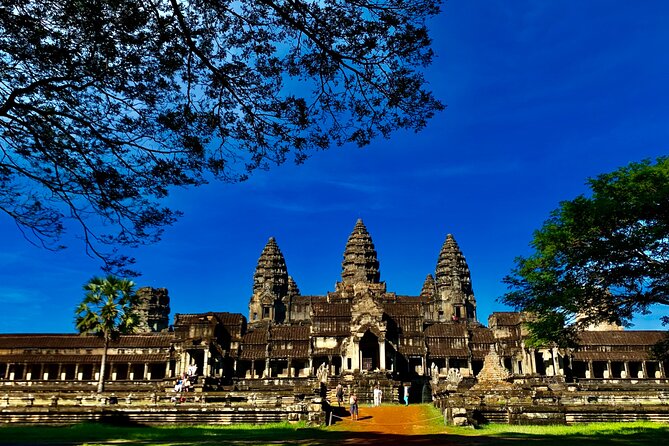
The route works especially well if this is your first visit. Angkor Wat gives you the grand introduction, Ta Prohm supplies the instantly recognizable tree-and-stone scenes, and Bayon and Angkor Thom add a different mood. You are not seeing the entire park, but you get a solid first look at its most important sights.
I also appreciate the decision to begin at 9:00 am. Sunrise at Angkor Wat can be beautiful, but it demands an early wake-up and often leaves you tired before the main part of the day begins. Here, you eat breakfast first and keep your energy for the long temple walk.
More ways to walk into Angkor Wat:
- Angkor Wat Sunrise or Sunset Tour with Guide from Siem Reap
★ 5.0 · 12,109 reviews - Siem Reap: Angkor Wat: Small-Group Sunrise or Sunset Tour
★ 5.0 · 9,444 reviews - Siem Reap: Angkor Wat 2-Day Tour with Sunrise and Sunset
★ 4.9 · 4,429 reviews
Angkor Wat: two hours with the park’s great opener
The first stop is Angkor Wat, with about two hours set aside for the visit. That is enough time to explore the vast grounds rather than make a rushed photo stop.
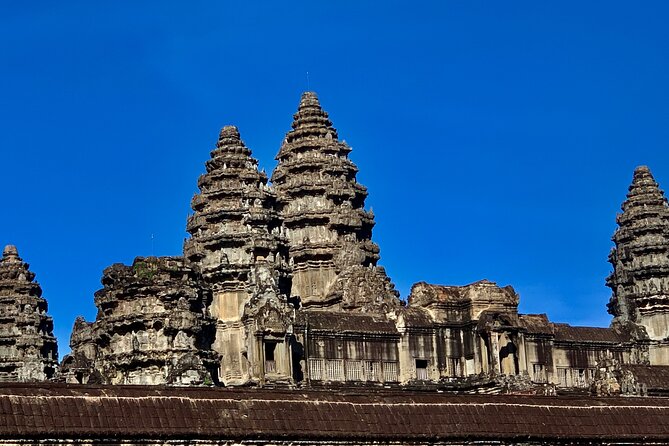
You can expect broad courtyards, long galleries, towers, and extensive carved walls. The scale is the point. Angkor Wat is not just one central building to enter and leave. Its design unfolds through several spaces, and the distance between them helps you understand the ambition of the Khmer builders.
A guide is particularly useful here because the carvings and layout can otherwise blur together. Vanna, one of the guides associated with this experience, explains the meanings of wall scenes and adds personal and historical stories. That kind of commentary gives your walk a clear thread instead of leaving you to admire a series of impressive surfaces without context.
Two hours may feel short if you want every corridor and every photograph. For a first day in the park, though, it is a fair compromise. You will need to save some energy for the many steps, uneven surfaces, and later temples.
The one practical detail to handle before arrival is admission. Your tour fee does not cover the one-day Angkor Pass, which is listed at $37 per person. Add that to the $54 tour price and your known cost becomes $91 per person, before lunch or other drinks.
Banteay Kdei: a quieter half-hour stop
Banteay Kdei receives about 30 minutes. This is a short visit, but it gives the day a welcome change of pace after Angkor Wat.
The temple was built during the reign of King Jayavarman VII at the end of the 12th century. Its Buddhist character and calmer atmosphere make it a useful contrast with Angkor Wat’s scale and formality.
You will not have time here for a slow, detailed examination of every part of the complex. Instead, use the stop to notice the mood of the place, the arrangement of the ruins, and the way the vegetation has become part of the scene.
This is also where a private guide can adjust the pace to your group. If you are fascinated by architecture, you can ask for more explanation. If you are beginning to tire, you can keep the visit focused and conserve energy for Ta Prohm.
Ta Prohm: famous trees, fragile ruins, and plenty of interest
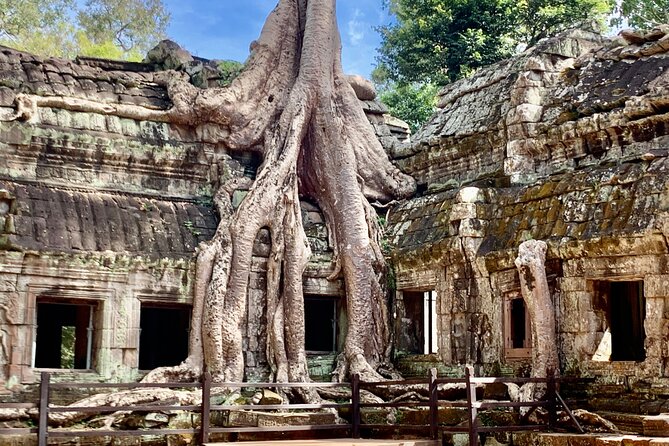
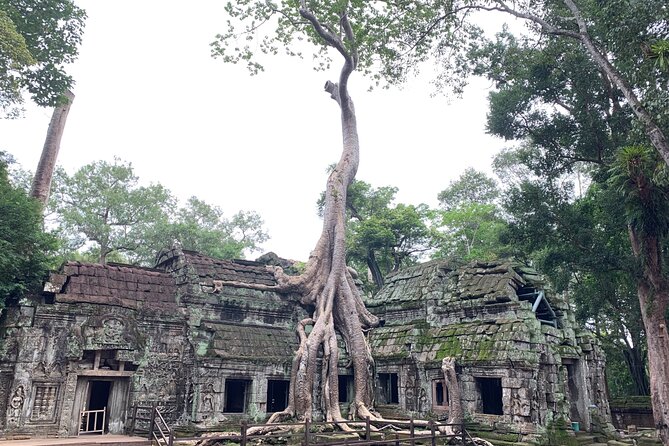
Ta Prohm gets about two hours, making it one of the day’s main stops. It is often called the Tomb Raider temple, but the nickname should not overshadow what makes the site important.
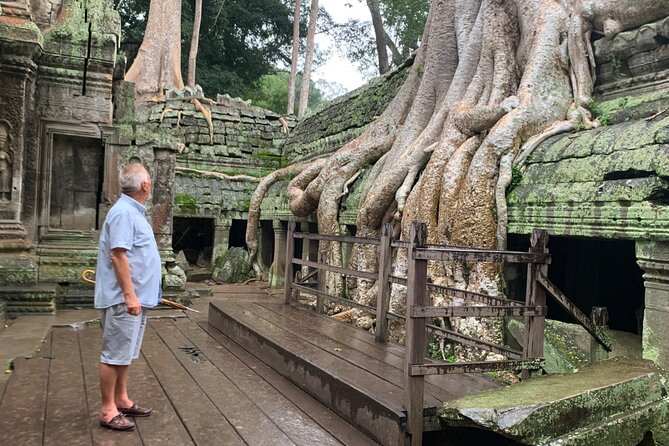
The temple is famous for trees growing through and over the ancient stonework. Roots grip walls, branches spread above galleries, and sections of the ruins look caught between human design and natural growth. The result is dramatic, but it also shows how vulnerable these structures are.
A guide helps you look past the most obvious tree photographs. You can ask about the temple’s Buddhist purpose, the carved details, and the parts that have been damaged or altered over time. The setting is highly photogenic, yet it rewards slower looking too.
Two hours is generous compared with the shorter stops. That matters because Ta Prohm can become a blur if you rush from one picture point to the next. I would use the first part of the visit for the best-known views, then spend the remaining time examining doorways, galleries, and the way the roots press into the stone.
As with Angkor Wat, wear clothing that covers your shoulders and knees. Temple access may be refused if your clothes do not meet those rules. Comfortable walking shoes also make sense, although the tour information does not prescribe a particular type of footwear.
More Sunset Tours in Siem Reap:
- Sunset tour of Kampong Phluk stilts home village on the Tonle Sap
★ 5.0 · 4,865 reviews - Siem Reap: Full-Day Angkor Wat Guided Tour with Sunset
★ 4.9 · 3,803 reviews - Angkor Wat Sunset Small Group Tour with Lunch Included
★ 5.0 · 3,059 reviews - Angkor 2-Day Sunset & Sunrise Small-Group Tour
★ 5.0 · 2,567 reviews
Lunch and the practical middle of the day
Lunch is not included, so you pay for your own food and drinks. The schedule places lunch before the afternoon temples, but it does not name a restaurant or set a meal price.
That gives you flexibility, though you should plan for it in your budget. The tour includes cold bottled water, which is useful in the heat, but additional drinks and lunch are your responsibility.
The day lasts roughly eight to nine hours. By the middle of the tour, you may be glad for the break, especially after Angkor Wat and Ta Prohm. Keep lunch sensible rather than overly long, since the afternoon includes more walking and the sunset finish.
Ta Keo: a brief climb and a change in scale
Ta Keo is scheduled for about 20 minutes. The stop is short, but the temple offers a different visual experience from the enclosed galleries and tree-covered ruins.
You may climb up for views of the surrounding area, according to the tour description. The climb is optional in spirit, but you should judge it by your comfort with steep or uneven steps. If you are tired, the value of the stop may simply be seeing the temple’s strong, elevated form from below.
Do not expect the same detailed visit you receive at Angkor Wat or Ta Prohm. Twenty minutes is enough for a quick look and perhaps a climb, not an exhaustive exploration. That is a fair use of time on a route that needs to reach Angkor Thom later in the day.
Bayon and Angkor Thom: the strongest finish
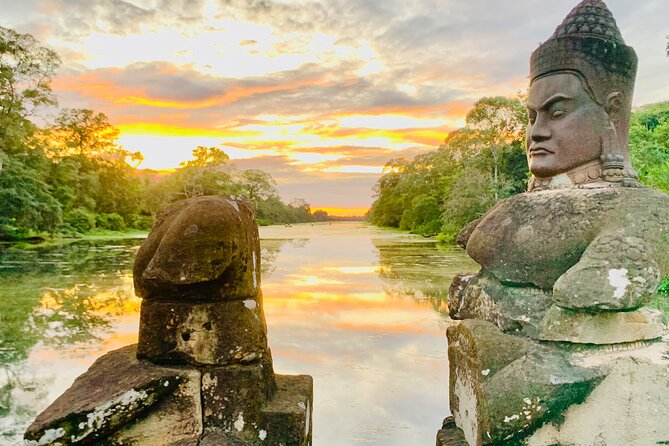
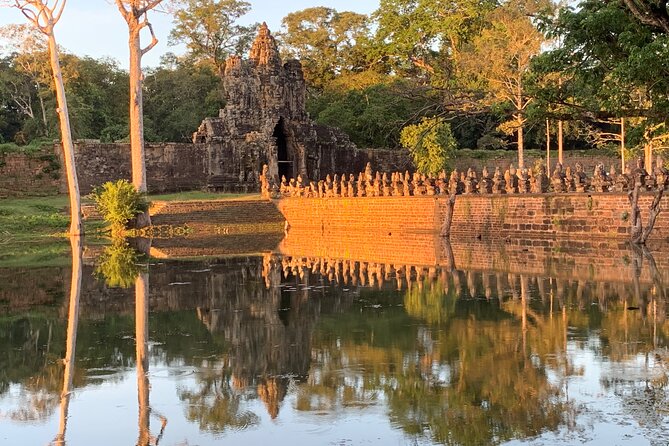
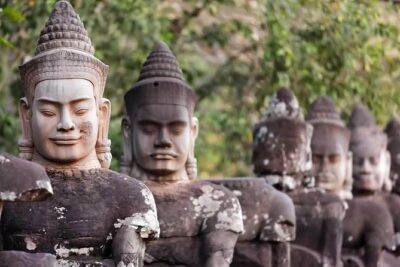
Angkor Thom receives about two hours, and this is where the afternoon becomes especially varied. You enter the ancient city compound through the Victory Gate, then explore a group of ruins rather than one single temple.
Bayon is the major draw, with its famous carved faces. The towers can feel almost watchful as you move among them, and the tight layout creates a more intimate experience than the broad open spaces of Angkor Wat.
The tour overview also includes Ta Nei before Bayon, while the Angkor Thom section allows for optional stops such as Spean Thmor, Chau Say Tevoda, Thommanon, Sour Prat, and the Terrace of the Leper King. Since the detailed timing does not assign separate durations to all these places, your exact sequence may depend on the guide and the pace of your group.
That flexibility is useful in a private tour. You can ask for extra time at Bayon if the faces hold your attention, or keep a smaller stop brief so you reach the sunset area without a frantic rush.
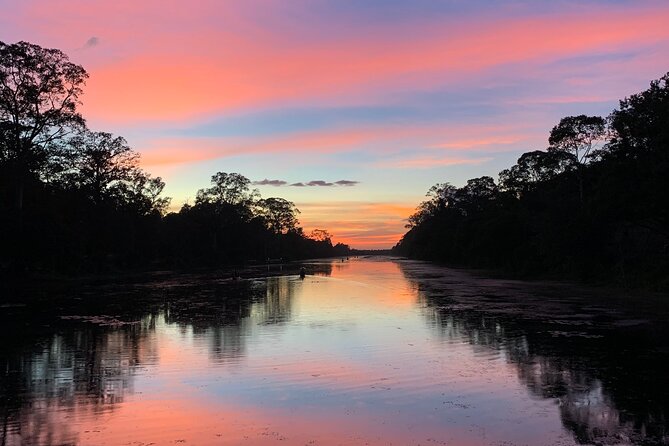
Angkor Thom is also the setting for the day’s sunset views. This is not the classic Angkor Wat sunrise experience, and that is a good thing for anyone who prefers a later start. You finish among the ruins after a full day of temples, with the changing light providing a calmer end than another major indoor visit.
Sunset is never guaranteed to be spectacular, since the sky controls that part of the show. The value here is the setting itself: you are watching evening arrive around one of the park’s great ancient city complexes rather than simply returning to town after the last temple.
What the guides add to the day
The strongest reason to choose a guided tour is not transport. It is interpretation.
Vanna is described as having strong English and a deep grasp of the temples, ruins, and meanings behind the wall engravings. He also brings personal stories alongside historical information. That combination can make the temples easier to remember because you connect facts with specific places and images.
Pal Chen offers another kind of perspective. He is a former Buddhist monk, and his explanations can help you understand the religious side of the sites. If you have already seen Angkor Wat without a guide, a second visit with someone who explains what you are looking at can feel very different.
You may not be assigned either guide, so treat their names as examples rather than a promise. Still, the praise given to their clear English, storytelling, and temple knowledge points to the feature I would value most: having someone explain why the carvings, gates, faces, and layouts matter.
Ask questions. A private format gives you a better chance to shape the discussion around your interests than a large group would.
Transport, group size, and comfort
Transport is provided in an air-conditioned car, minivan, or minibus. The exact vehicle depends on the group, but the important point is that you are not arranging separate transport between each temple.
Air conditioning is more than a luxury here. The tour runs through the middle of the day and lasts most of the daylight hours, so a cool vehicle gives you a chance to recover between walks. Cold bottled water is included as well.
Only your own group participates, making this a private activity. That does not mean every stop will be completely quiet or empty, but it does give you control over questions, pacing, and short pauses.
Most people can participate, although you should be comfortable walking around ancient ruins and possibly climbing at Ta Keo. Covering shoulders and knees is required for temple access.
Is $54 a good value?
At first glance, $54 per person looks reasonable for a private full-day tour with a guide, vehicle, and water. Once you add the required $37 Angkor Pass, the known total becomes $91 per person before lunch and drinks.
That is not the cheapest way to see Angkor, but the price includes several things that are easy to undervalue. You get an English-speaking guide for a long day, private transportation, air conditioning, and a route that links the major stops without requiring you to organize each transfer.
The real question is how much you want interpretation. If you are happy to arrange transport and read about the temples yourself, you may prefer a simpler and cheaper plan. If you want clear explanations of carvings, religious ideas, and Khmer history, the guide may justify the extra cost.
The tour also suits people who do not want a sunrise start. You sacrifice the possibility of early morning light at Angkor Wat, but you gain a more relaxed beginning and a sunset finish at Angkor Thom.
Who should book this tour?
I would choose this for a first visit to Angkor if I wanted the main temples covered in one organized day without joining a large group. It also suits a small family or group of friends who value a private vehicle and the ability to ask questions.
It is a good match for anyone who prefers history explained on site, especially at Angkor Wat, Ta Prohm, and Bayon. The examples of Vanna and Pal Chen suggest that the guiding can be a major part of the experience, not just an add-on.
You may want a different plan if you need a slow, photography-focused schedule at every temple. The route covers a lot, and the 20-minute Ta Keo stop and 30-minute Banteay Kdei stop are necessarily brief. You should also skip it if you want sunrise at Angkor Wat above all else.
Book it if you want a practical first day, a later start, private transport, and strong historical explanation. Skip it if your priority is the lowest possible price or a highly flexible schedule with long pauses at only one or two temples.
FAQ
What time does the tour start?
The tour starts at 9:00 am.
How long does the tour last?
The experience lasts approximately 8 to 9 hours.
Is the Angkor Pass included?
No. The one-day Angkor Pass is not included and is listed at $37 per person.
Is lunch included?
No. Food and drinks are not included, although cold bottled water is provided.
What clothing is required?
You need to wear clothing that covers your shoulders and knees. Otherwise, you may not be allowed access to the temples.
Is this a private tour?
Yes. Only your own group participates in the activity.
Just added around Siem Reap
- Twilight Tastes of Siem Reap Include Dinner★ 5.0 · 13 reviews
- Ultimate Sunrise to Angkor Wat, Angkor Thom and Bayon Temple★ 5.0 · 3 reviews
- Trekking Tour at Phnom Kulen National Park from Siem Reap★ 5.0 · 3 reviews
- Professional Photo Shoot in Angkor Archaeological Park, Siem Reap★ 5.0 · 42 reviews
- Full-Day Private Tour of Angkor Wat with Pick Up★ 5.0 · 12 reviews
- Unveiling 2 Days Private Angkor Wat/Beyond In Sunrise/Sunset Tour★ 5.0 · 48 reviews
- Siem Reap City Tour with War Museum and Killing Field★ 5.0 · 27 reviews
- Private Day Trip to Angkor Temples with Expert Guide★ 5.0 · 4 reviews
Angkor Wat Tours, compared.
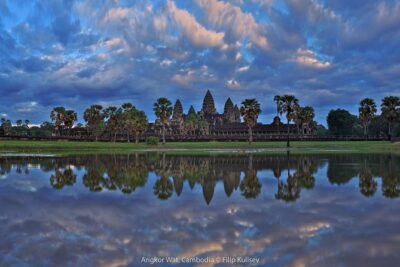
Angkor Wat Sunrise or Sunset Tour with Guide from Siem Reap
Read our review →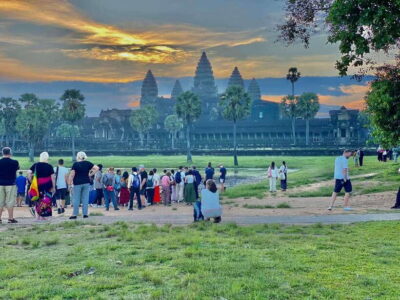
Angkor Wat: Small-Group Sunrise or Sunset Tour
Read our review →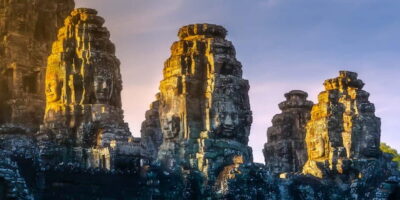
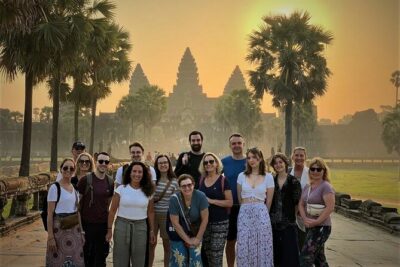
Angkor Wat Highlights and Sunrise Guided Tour from Siem Reap
Read our review →
Angkor Wat Sunrise & 3 Main Temples with Breakfast – Small Group
Read our review →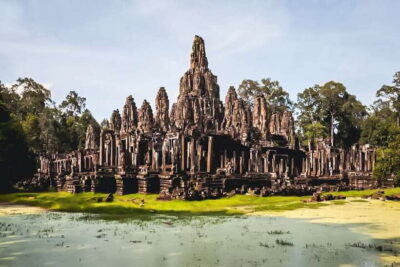
Angkor Wat Sunrise and Full-Day Sightseeing Tour
Read our review →
Angkor Wat Small-Group Exploration with Expert Guide
Read our review →Browse the lists this tour appears in