
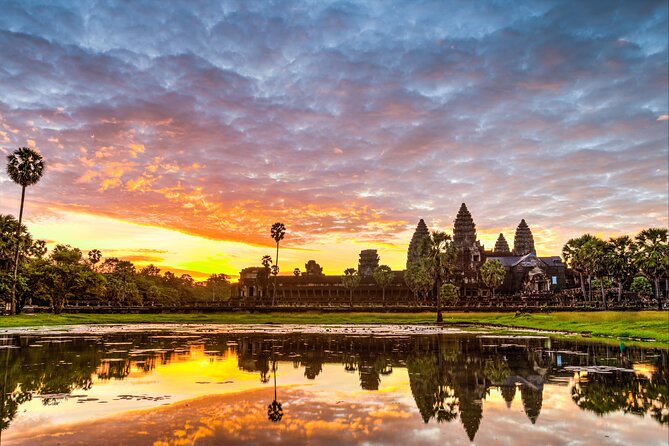
Reviewed · ANGKOR WAT TOURS
Siem Reap: Angkor Wat Sunrise Bike Tour & Jungle Breakfast
Angkor Wat at sunrise is only the opening act. After watching the towers appear in the dawn light, you continue by bicycle through forest paths to Bayon and Ta Prohm, with a chef-prepared jungle breakfast tucked into the morning.
I like two things here: the quiet bike routes that help you escape the main traffic, and the support van that carries water, snacks, and tired cyclists when needed. Guides such as Seng, Chen, Sambo, and Moon have earned praise for their temple knowledge and photo help. The drawback is the early start and long day, plus sandy or uneven stretches that require comfort on a bike.
Key points at a glance
- Sunrise before the crowds: Arrive early enough to find a good viewing place beside Angkor Wat.
- Breakfast in the forest: Slow down after the first temple visit for a private picnic with freshly cooked food.
- Quiet cycling routes: Ride shaded park roads, forest paths, ancient gateways, and occasional sandy sections.
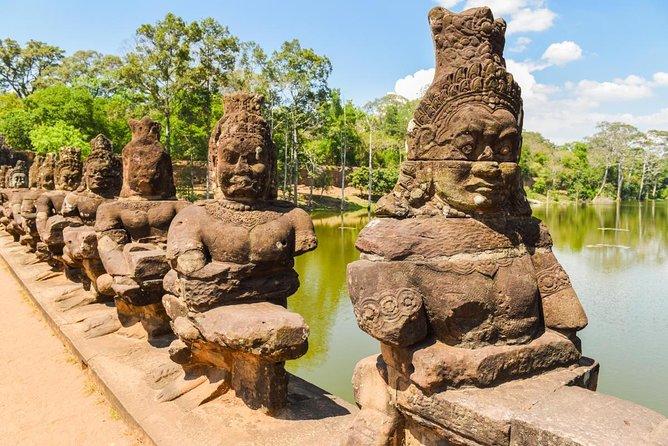
- The essential temples: Visit Angkor Wat, Bayon, the Terrace of the Elephants, and Ta Prohm.
- Strong practical support: Use the air-conditioned van for transfers or rest, with water, fruit, snacks, and cold refreshments.
- Best for active sightseers: You should be reasonably comfortable riding a bike for several hours in warm, humid weather.
Why this bike tour changes the Angkor experience
Most people see Angkor from a tuk-tuk or air-conditioned vehicle, stopping at one temple and then another. This tour gives you a different rhythm. You walk through the major monuments with a guide, then cycle between them under the trees.
That movement matters. Angkor Archaeological Park is a huge area, and the ride helps you notice the space between the famous ruins. You pass through forest, old gates, and quieter sections that can feel far removed from the main temple entrances.
I also like the way the day is arranged. The tour does not rush straight from sunrise into a long ride. You first explore Angkor Wat, then stop for a proper breakfast before continuing to Bayon and Ta Prohm. That meal is not just a snack break. It gives you time to sit down, cool off, and reset.
The tradeoff is stamina. This is advertised as a nine-hour experience, and the day begins before sunrise. The ground is mostly flat, but heat, humidity, sand, roots, and uneven paths can make the cycling more tiring than the distance suggests. One account put the cycling at about 20 kilometers, though the exact distance may vary with the route.
More Cycling Tours in Siem Reap
- Siem Reap Countryside Bike Tour / E-Bike or Tuk Tuk
★ 5.0 · 935 reviews - Angkor Sunrise Bike Tour / E-Bike or Tuk Tuk
★ 5.0 · 615 reviews - Siem Reap: Bike the Angkor Temples – Full-Day 30km Tour
★ 5.0 · 463 reviews
Before sunrise at Angkor Wat
Your day begins with hotel pickup in Siem Reap and a transfer of about 30 minutes to Angkor Wat. The early departure is important. You are not simply arriving for a temple visit, you are positioning yourself for the sunrise.
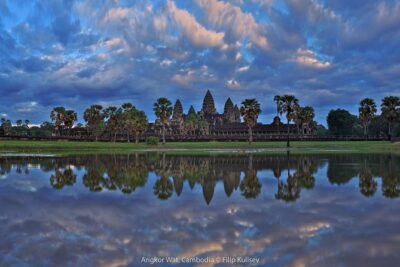
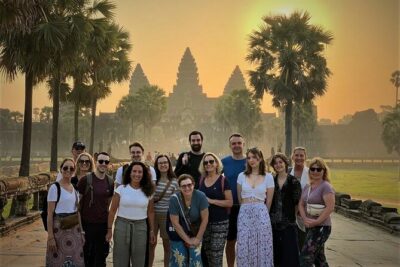
As dawn arrives, Angkor Wat’s lotus-shaped towers come into silhouette. The famous reflection view depends on conditions, the season, and your position near the ponds, so no tour can promise a perfect sky. Still, the soft light is one of the best times to see the temple.
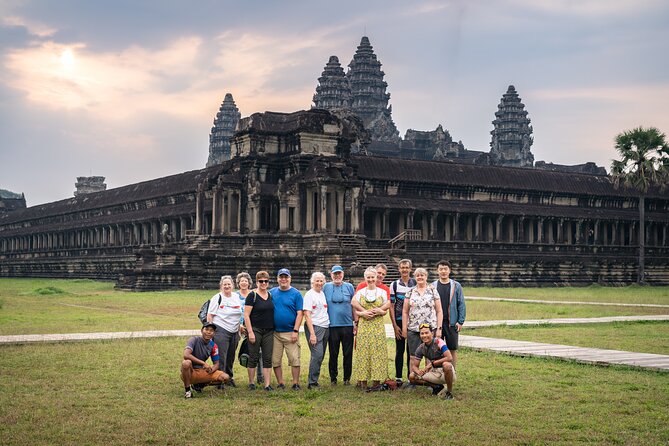
After sunrise, your guide leads you inside for about an hour. Angkor Wat was built in the 12th century by the Khmer Empire and dedicated to Vishnu. Its galleries, courtyards, towers, and carved details make more sense with explanation, especially when you learn how the temple’s design reflects religious ideas and royal power.
This is also the busiest part of the morning. The sunrise gathering can be crowded, and Angkor Wat is not a quiet private monument at this hour. The benefit of joining a guide is that you can move on from the broad sunrise scene to the architectural details inside.
Wear clothing that covers your shoulders. Sleeveless shirts are not allowed, and temple visits require respectful dress. Comfortable shoes are useful for walking through courtyards and corridors before you get on the bike.
A jungle breakfast after the first temple
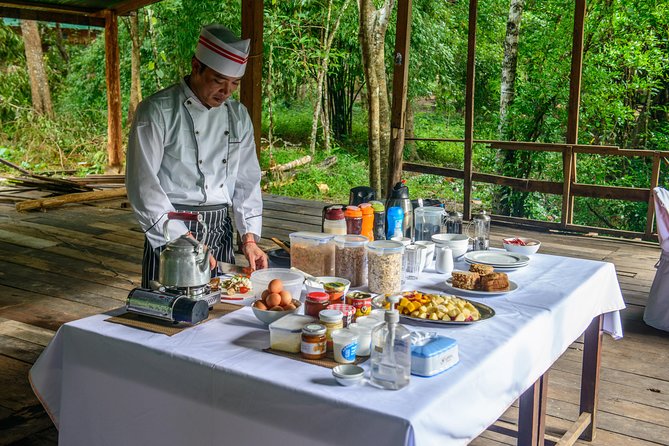
After Angkor Wat, you transfer for about 20 minutes to a quiet breakfast setting within the Angkor area. The meal is prepared privately for Discova guests and served in a forest setting, often near a small pond or under a simple covered arrangement.
The food has been a strong part of the experience. Breakfast can include made-to-order omelets, fruit, pastries, and other fresh items. Dietary needs should be given when you book. One vegan diner found the team able to communicate those needs at lunch, but you should still provide clear details in advance rather than leaving it to chance.
This stop gives the tour a useful pause. You have already been awake for hours, and a quick pastry would not carry you through the cycling and temple visits ahead. A seated meal, fruit, water, and time in the trees make the rest of the morning more manageable.
The setting is part of the appeal. You are not eating in the middle of the main temple flow. Instead, you get a calm break surrounded by morning sounds before returning to the ruins.
Cycling through Angkor’s forest roads
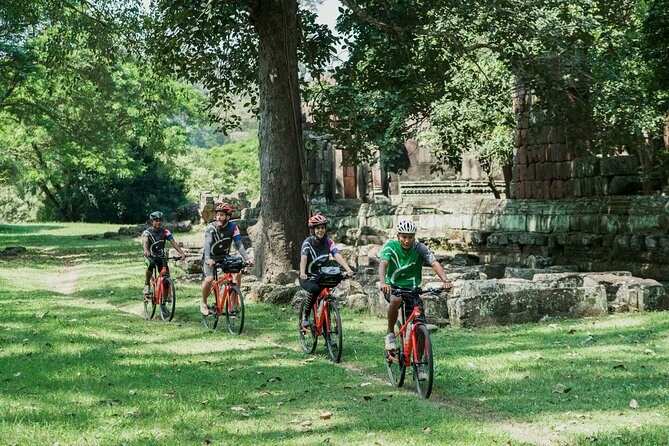
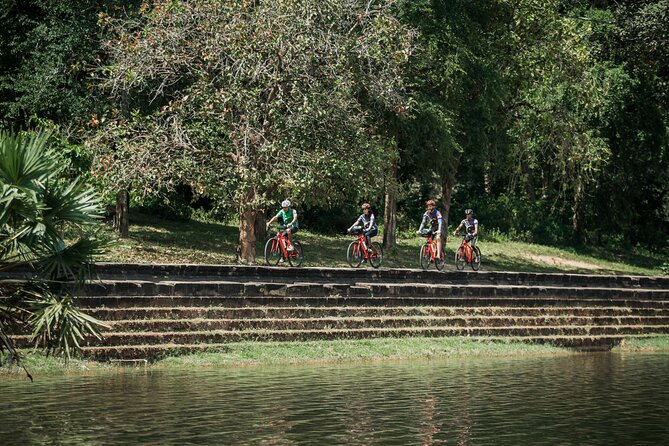
Once breakfast is finished, the cycling begins. The route uses park roads and shaded paths where possible, linking the main temples with ancient gates and forest sections.
The bikes have been described as mountain bikes in very good condition, and helmets are provided. Heights are requested at booking so the right bike can be arranged. That is worth taking seriously, since a poor fit becomes uncomfortable after several hours.
The route is mostly flat, which makes it accessible to many casual cyclists. It is not a road race, and your guide can adjust the pace. The support van also follows the group and can carry anyone who needs a break.
Do not mistake flat ground for perfectly easy riding. Small sandy areas, roots, mud, and rough jungle tracks appear on parts of the route. You may need to slow down, steer carefully, or get off and walk for a short section. If you are comfortable on a bicycle but not a mountain bike, tell the guide early.
The best part is the sense of connection to the site. In a vehicle, you see the entrance, the monument, and the next road. On a bike, you feel the distance between the temples and get a clearer idea of how large the old capital was.
Water and snacks are supplied, and the driver may meet you with cold drinks or towels at stops. That support is especially valuable in warmer months, when the temperature can reach 38 degrees Celsius.
More ways to walk into Angkor Wat:
- Angkor Wat Sunrise or Sunset Tour with Guide from Siem Reap
★ 5.0 · 12,109 reviews - Siem Reap: Angkor Wat: Small-Group Sunrise or Sunset Tour
★ 5.0 · 9,444 reviews - Siem Reap: Angkor Wat 2-Day Tour with Sunrise and Sunset
★ 4.9 · 4,429 reviews - Siem Reap: Full-Day Angkor Wat Guided Tour with Sunset
★ 4.9 · 3,803 reviews
Bayon and the heart of Angkor Thom
Bayon is the next major temple. It was the centrepiece of Angkor Thom, the great walled city associated with King Jayavarman VII.
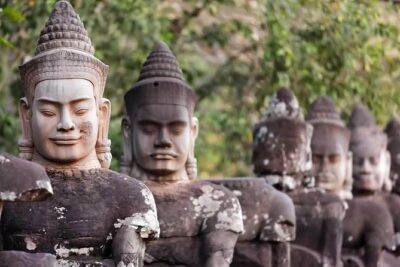
The temple is famous for its towers carved with serene stone faces. The site is compact in places but visually busy, with narrow passages, stacked stone, and changing views as you move through it. Your guide explains the temple’s design, the royal setting, and the debate over whether the faces represent the king, the compassionate Buddha Avalokiteshvara, or both.
This is where a good guide adds real value. Without context, Bayon can look like a maze of faces and broken galleries. With explanation, you begin to see the monument as part of a planned capital, not an isolated ruin.
You spend about an hour at Bayon, including walking and guided explanation. Expect more people here than on the forest tracks, but the bicycle route helps you approach the temple in a more relaxed way than a standard vehicle circuit.
The Terrace of the Elephants by bicycle
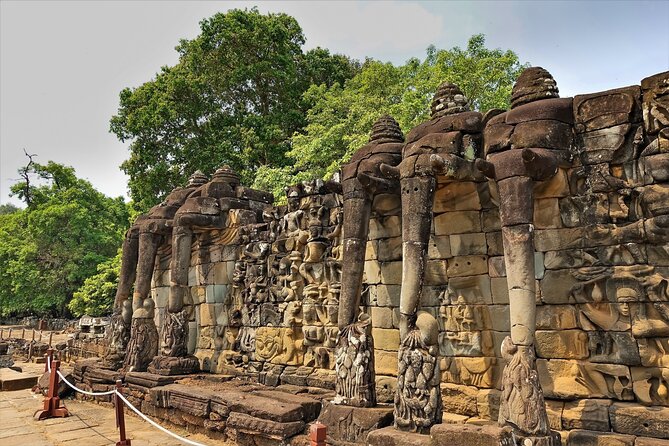
The ride continues toward the Terrace of the Elephants. This long platform formed part of Angkor Thom’s ceremonial centre and is known for carved elephants and other decorative figures.
The terrace is less of a full temple visit than Bayon or Ta Prohm, but it helps connect the monuments geographically. You can see how the royal city was arranged, and the bicycle makes it easy to move along the area rather than treating it as a quick roadside photo stop.
The itinerary allows roughly an hour here for sightseeing, guided explanation, and cycling. The exact balance depends on the group, the heat, and how much time you spend at Bayon.
Ta Prohm and the trees in the ruins
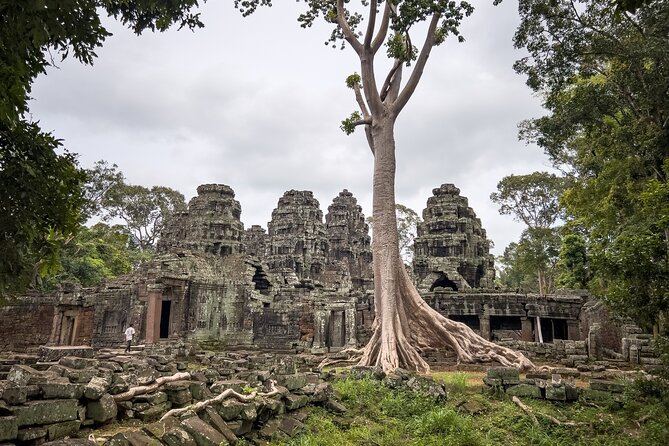
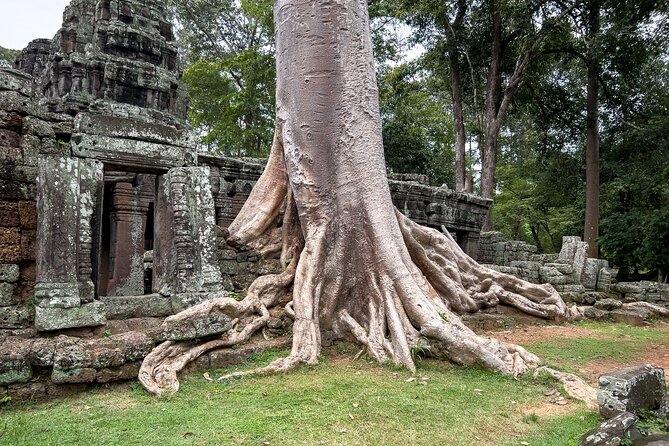
Ta Prohm is the final major temple and one of the most atmospheric stops. It is often associated with the film Tomb Raider, but its appeal goes well beyond that connection.
Silk-cotton and strangler-fig trees grow through the stonework, with roots twisting over walls, doorways, and galleries. The temple shows both the strength of nature and the fragility of a structure left open to weather and time.
Your guide helps explain what you are seeing, including the architecture, symbolism, and preservation work. This makes the visit more than a search for a famous photo. You begin to notice how the trees affect the building and why conservation here is so difficult.
The visit lasts about an hour and a half, making Ta Prohm the longest temple stop after Angkor Wat. It is also a good place to slow down. The corridors are uneven, and the roots and stones require care, so do not rush for a picture.
Food, transport, and the value of $75
At $75 per person, this is not the cheapest way to see Angkor. You also need to buy the Angkor Pass separately, which is required and not included in the tour price.
Still, the price covers more than a guide and a bicycle. It includes hotel pickup and drop-off, an English-speaking guide, bike and helmet, air-conditioned vehicle support, a private breakfast picnic, snacks, fruit, and bottled water. Lunch is listed for private tours, and many versions of the experience include a Cambodian lunch at the end, so confirm exactly what applies to your booking type.
The support van is one of the biggest value points. It means you are not committed to cycling every minute of the day. You can rest in air conditioning, refill your water, or rejoin the group after a difficult section.
Guiding is another reason to consider the cost. Guides named in past bookings include Seng, Davith, Thou, Sarak, Chen, Sambo, Chantha, Moon, and Bunvath. Assignments vary, but the strongest pattern is clear: the guide is expected to manage pace, explain the temples, help with photos, and keep the day moving.
Who should book this Angkor tour?
I would choose this tour if you like active sightseeing and want more than a sequence of vehicle stops. It suits couples, families with older children, and small groups who enjoy riding but do not want to handle navigation, food, or backup planning themselves.
You do not need to be a serious cyclist. The terrain is mainly flat, the pace can be adjusted, and the support vehicle is available. You should, however, feel comfortable on a bike and be ready for heat, humidity, occasional sand, and uneven jungle paths.
Children age 12 and under can receive discounts when using kids bikes. A child seat is available on request for a child weighing up to 14 kilograms. Pregnant people should not book this activity.
I would think twice if you dislike early mornings, struggle with long active days, or want a slow temple visit with no cycling. A standard tuk-tuk tour may suit you better. This experience is built around movement, and the physical element is part of what makes it special.
Practical details before you reserve
The tour lasts about nine hours, with pickup in Krong Siem Reap and return by van at the end. The start time changes with availability, but sunrise requires a very early departure.
Give the operator your hotel name and address during booking. Also provide each cyclist’s height, dietary requirements, and any request for a child seat or kids bike.
Free cancellation is available up to 24 hours before departure, and you can reserve now and pay later. The tour is offered privately or in small groups, with English guiding.
Pack clothing that covers the shoulders, sunscreen, a hat, and comfortable walking shoes. The operator supplies water and snacks, but your own small day bag should be easy to carry and secure on the bike.
Should you book the sunrise bike tour?
Book it if you want Angkor to feel like a place, not just a list of monuments. The sunrise, the forest breakfast, and the quiet cycling between temples create a fuller day than a basic transport circuit.
The strongest reasons are the well-maintained bikes, careful support, flexible pace, and guides who bring useful context to Bayon, Ta Prohm, and Angkor Wat. The main caution is simple: you must be ready for an early start and a long, warm day.
For active visitors, $75 is a fair package price once you count the bike, guide, meals, van, hotel transfers, and refreshments. Add the Angkor Pass to your budget, check whether lunch is included for your booking type, and then book this one if cycling sounds like a pleasure rather than a chore.
FAQ
How long does the Angkor sunrise bike tour last?
The tour duration is nine hours. It begins before sunrise and returns to Krong Siem Reap after the temple visits and cycling route.
Is hotel pickup and drop-off included?
Yes. Pickup and drop-off in Siem Reap are included. You need to provide your hotel name and address during booking.
Is the Angkor Pass included in the price?
No. The Angkor Pass is required but is not included in the $75 tour price.
What temples does the tour visit?
The route includes Angkor Wat, Bayon Temple, the Terrace of the Elephants, and Ta Prohm Temple.
Is breakfast included?
Yes. A private breakfast picnic is included and is prepared in a quiet forest setting within the Angkor area.
Is lunch included?
Lunch is listed as included for private tours. Since the exact inclusion can depend on the booking format, confirm this when reserving a small-group tour.
Do I need to be an experienced cyclist?
No. The route is mostly flat and the pace can be adjusted. You should be reasonably comfortable on a bike because some forest sections include sand, roots, mud, or uneven ground.
What should I wear to the temples?
Sleeveless shirts are not allowed. Wear clothing that covers your shoulders and choose comfortable shoes for walking through the temple grounds.
Is the tour suitable for children?
Children age 12 and under can receive discounts when using kids bikes. Child seats are available on request for children weighing up to 14 kilograms.
More Early Starts in Siem Reap
- Angkor Wat Sunrise tour with Small – Group and Guide tours
★ 5.0 · 3,655 reviews - Angkor Wat Highlights and Sunrise Guided Tour from Siem Reap
★ 5.0 · 3,213 reviews - Full-Day Angkor Wat Sunrise Private Tour with Guide from Siem Reap
★ 5.0 · 2,920 reviews - Angkor Wat Sunrise & 3 Main Temples with Breakfast – Small Group
★ 5.0 · 2,857 reviews
Just added around Siem Reap
- Twilight Tastes of Siem Reap Include Dinner★ 5.0 · 13 reviews
- Ultimate Sunrise to Angkor Wat, Angkor Thom and Bayon Temple★ 5.0 · 3 reviews
- Trekking Tour at Phnom Kulen National Park from Siem Reap★ 5.0 · 3 reviews
- Professional Photo Shoot in Angkor Archaeological Park, Siem Reap★ 5.0 · 42 reviews
- Full-Day Private Tour of Angkor Wat with Pick Up★ 5.0 · 12 reviews
- Unveiling 2 Days Private Angkor Wat/Beyond In Sunrise/Sunset Tour★ 5.0 · 48 reviews
- Siem Reap City Tour with War Museum and Killing Field★ 5.0 · 27 reviews
- Private Day Trip to Angkor Temples with Expert Guide★ 5.0 · 4 reviews
Angkor Wat Tours, compared.
Angkor Wat Sunrise or Sunset Tour with Guide from Siem Reap
Read our review →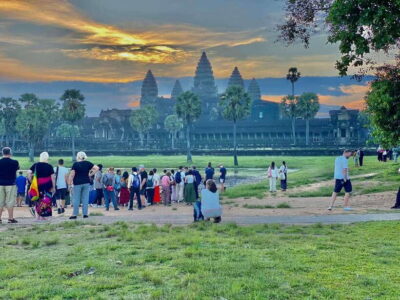
Angkor Wat: Small-Group Sunrise or Sunset Tour
Read our review →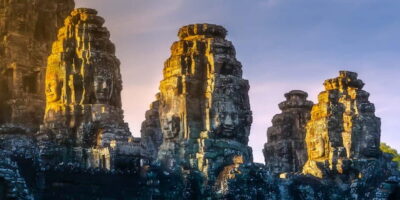
Angkor Wat Highlights and Sunrise Guided Tour from Siem Reap
Read our review →
Angkor Wat Sunrise & 3 Main Temples with Breakfast – Small Group
Read our review →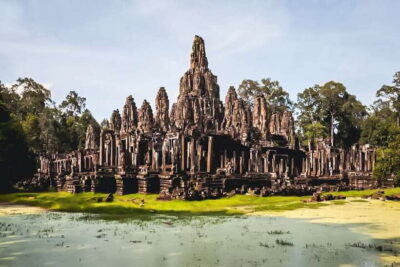
Angkor Wat Sunrise and Full-Day Sightseeing Tour
Read our review →
Angkor Wat Small-Group Exploration with Expert Guide
Read our review →Browse the lists this tour appears in