Reviewed · ANGKOR WAT TOURS
Siem Reap: Angkor Wat Tour with French-Speaking Guide
Angkor Wat may be the headline, but the real treat is seeing the wider Khmer capital around it. This tour takes you from the giant faces of Bayon to the tree-wrapped stones of Ta Prohm, then gives Angkor Wat enough time to feel like more than a quick photo stop. The French-speaking guide adds useful context, especially if you want more than a quick walk among old stones.
I like the thoughtful cooling breaks, with bottled water and fresh towels waiting in the vehicle, and I like the choice between a compact one-day route and a slower two-day visit. The main drawback is cost: $50 is only the tour price, so the Angkor pass and lunch add to your bill. The one-day schedule can also feel full in Cambodia’s heat.
Key points at a glance
- French-speaking guides with different strengths: Guides including Mey, Piset, Kamal, Alex, Philrom, and Kanal have led recent departures, with clear explanations and a friendly sense of humor.
- A smart choice of routes: The one-day plan covers the main temples, while the two-day option adds the Grand Circuit and finely carved Banteay Srei.
- Cooling help in the heat: Cold drinking water and fresh towels are supplied during the temple visits, with air conditioning available for larger groups.
- Flexible transport: One or two people generally ride by tuk-tuk, while larger groups use an air-conditioned van or bus. A car can be selected for some private options.
- Tickets are extra: Allow $37 for a one-day Angkor pass or $62 for a two-to-three-day pass, paid separately.
- Dress and stamina matter: You need covered shoulders and knees, comfortable shoes, sun protection, and enough energy for long walks on uneven temple ground.
Why a French guide changes the Angkor visit
Angkor is not one temple. It is a huge archaeological park filled with gates, reservoirs, towers, terraces, galleries, and religious monuments built across several centuries. Without some explanation, it is easy to remember only the famous doorways and tree roots.
A French-speaking guide helps put the pieces together. Guides such as Piset, Mey, Kamal, Alex, Philrom, and Kanal have led this experience, and the strongest descriptions point to a good mix of history, Cambodian culture, humor, and practical timing. That matters at Bayon, where a guide can help you notice how the faces are placed on the towers. It matters even more at Angkor Wat, where the carvings and layout carry religious meaning that is not obvious at first glance.
You should not expect a private scholar for the basic $50 rate. The experience can be private or shared, and the guide assigned to you may vary. Still, the French-language service is a useful specialty. French guides are less common than English-language guides, so the price has some justification for visitors who want detailed explanations in French.
More ways to walk into Angkor Wat:
- Angkor Wat Sunrise or Sunset Tour with Guide from Siem Reap
★ 5.0 · 12,109 reviews - Siem Reap: Angkor Wat: Small-Group Sunrise or Sunset Tour
★ 5.0 · 9,444 reviews - Siem Reap: Angkor Wat 2-Day Tour with Sunrise and Sunset
★ 4.9 · 4,429 reviews
One day at Angkor: the essential circuit
The standard one-day tour starts with hotel pickup around 8:30 to 9:00 AM and usually finishes near 5:00 PM. You go first to the ticket booth, unless you have already bought your pass online. The park ticket is not included, so remember to budget for it before the morning begins.
The order can vary, but the main route covers Angkor Thom, Bayon, Ta Prohm, and Angkor Wat, with related gates and terraces along the way. You spend much of the day walking, then return to the vehicle for short transfers between sites.
South Gate and the stone faces of Angkor Thom
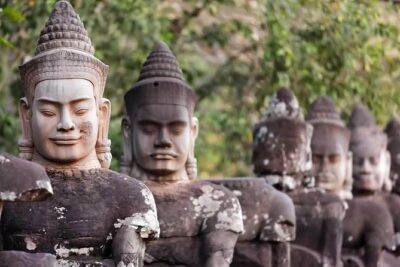
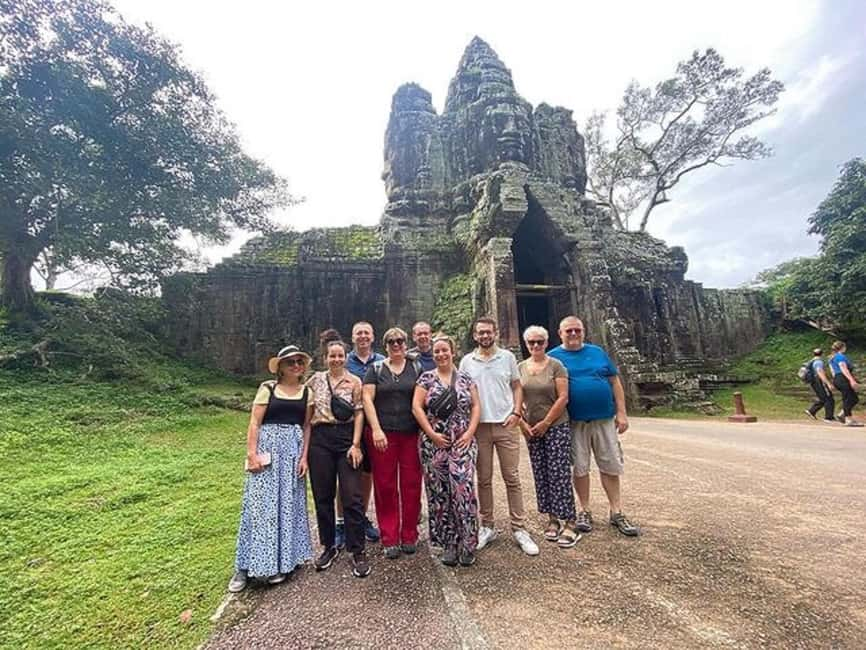
The South Gate of Angkor Thom gives you an immediate sense of scale. A bridge lined with stone figures leads toward the gate, whose towers carry the calm faces associated with the Angkor period.
This is an excellent first stop because it introduces the old city as a planned capital, not just a collection of temples. Your guide can point out the gate design and the figures along the approach before you move into the larger complex.
The Victory Gate is also used as a short photo stop. Fifteen minutes is enough for pictures, but not for a long explanation or extended wandering. If photography is important to you, have your camera ready before leaving the vehicle.
Bayon, Baphuon, and the central city
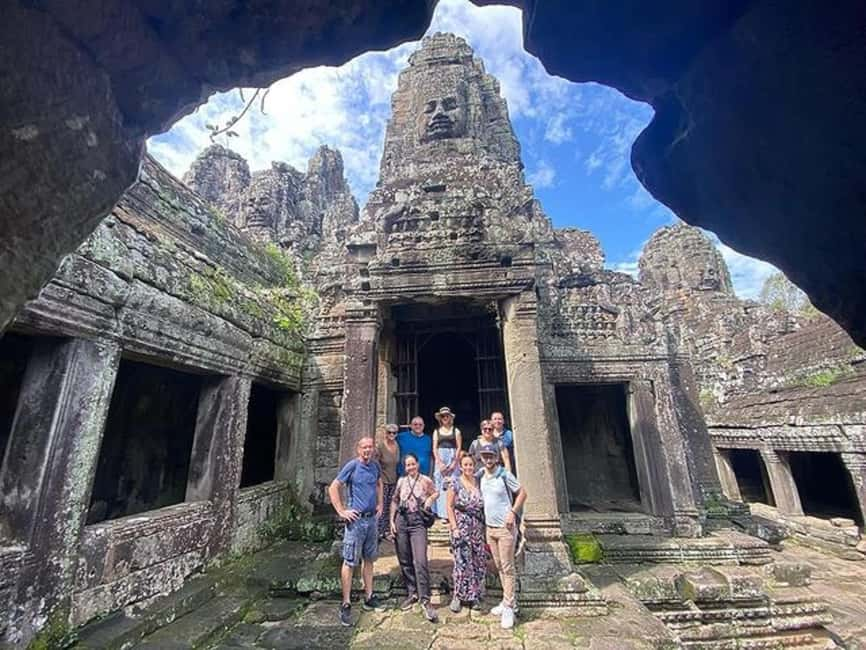
Bayon is one of Angkor’s most memorable temples. Its towers carry large carved faces that appear from different angles as you walk through the stone corridors. The mood changes quickly here: one moment you are looking at a broad tower, and the next you are close to a face framed by another doorway.
The planned stop is about 45 minutes for Bayon, which is enough for an introduction and a focused walk. It is not enough to study every relief. I would listen closely to the guide first, then use any spare minutes for your own photographs.
Baphuon gives the day a different feel. Its long raised approach and steep temple structure make it more physically demanding than some other stops. You may spend around 45 minutes here, including the walk. Wear shoes with a firm sole and take your time on the steps.
The Terraces of the Elephants and the Leper King add another layer to Angkor Thom. These long stone platforms once formed part of the ceremonial center. The elephant carvings are easy to spot, while the Leper King terrace rewards a closer look at its carved figures and enclosed passages.
Together, these stops explain how Angkor functioned as a royal city. They are not simply extra monuments added to fill the schedule.
A few more Siem Reap half-days worth weighing up
- From Siem Reap: Kampong Phluk Floating Village Tour by Boat
★ 4.9 · 6,979 reviews - Sunset tour of Kampong Phluk stilts home village on the Tonle Sap
★ 5.0 · 4,865 reviews - Siem Reap: Kampong Phluk Floating Village Tour with Boat
★ 4.9 · 3,843 reviews - Siem Reap: Full-Day Angkor Wat Guided Tour with Sunset
★ 4.9 · 3,803 reviews
Ta Prohm and its famous trees
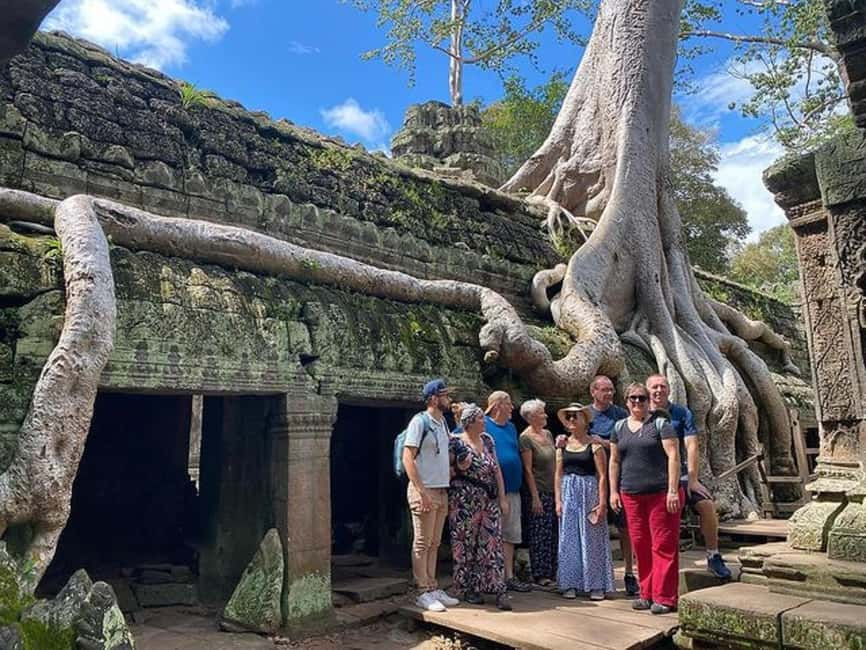
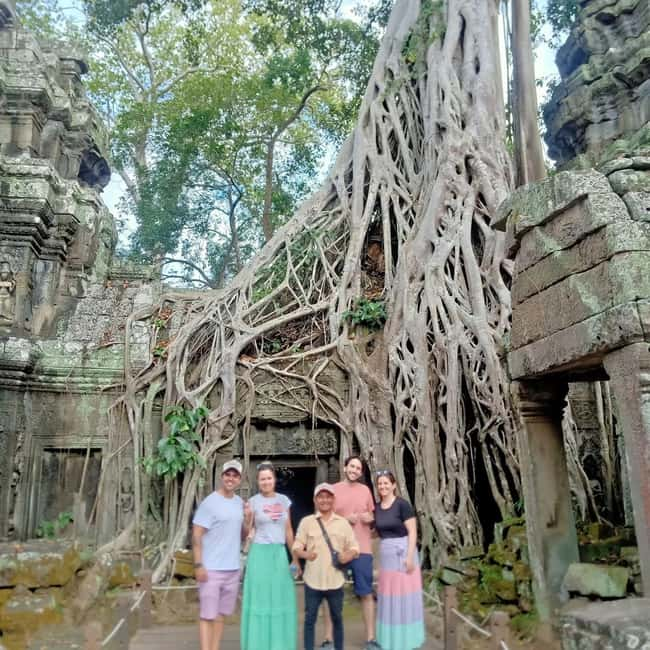
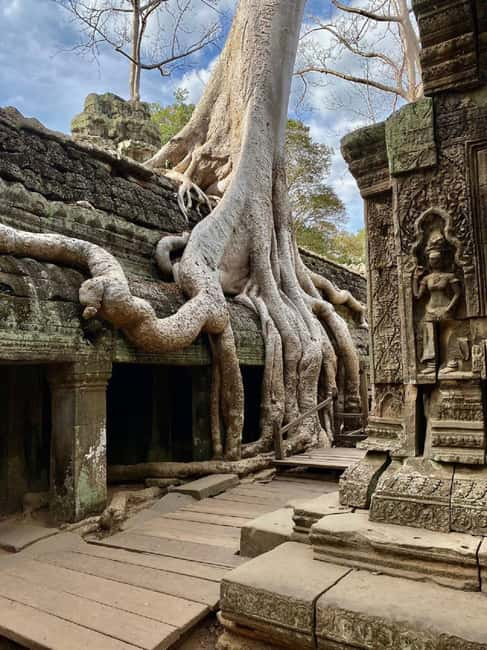
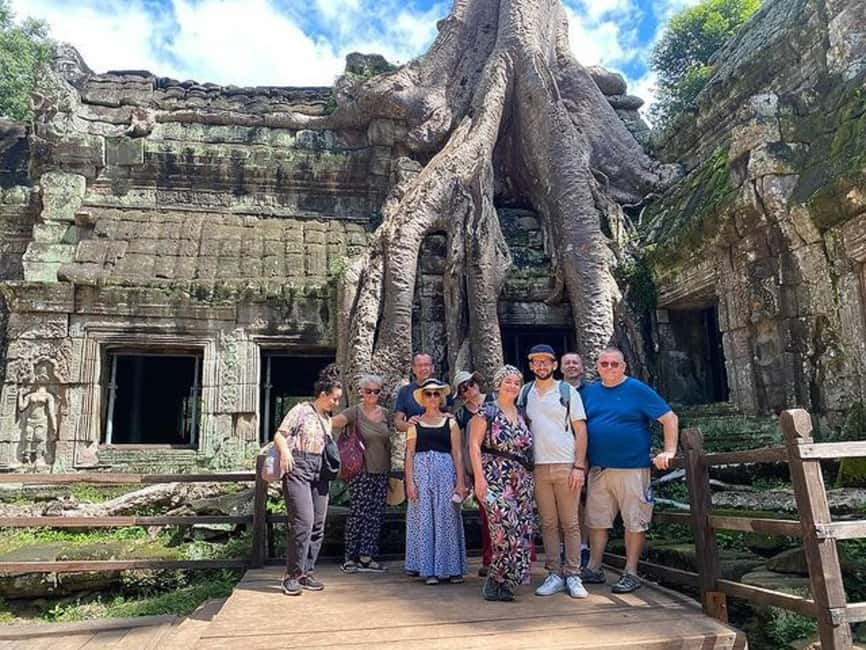
Ta Prohm is the temple most likely to trigger a movie-memory, but its appeal is not limited to cinema. Large roots push over walls and doorways, creating a vivid picture of nature reclaiming a human-built place.
The planned visit lasts about an hour. That gives you time to walk through several sections and find the best-known tree-covered views without rushing through the whole site. Ta Prohm can feel crowded at its most famous photo points, so your guide’s help with timing and positioning is useful.
The ruins are uneven, and some passages are narrow. Keep your group together and watch your footing. This is one of the places where comfortable clothing and shoes are more important than looking polished for photographs.
Angkor Wat deserves the afternoon
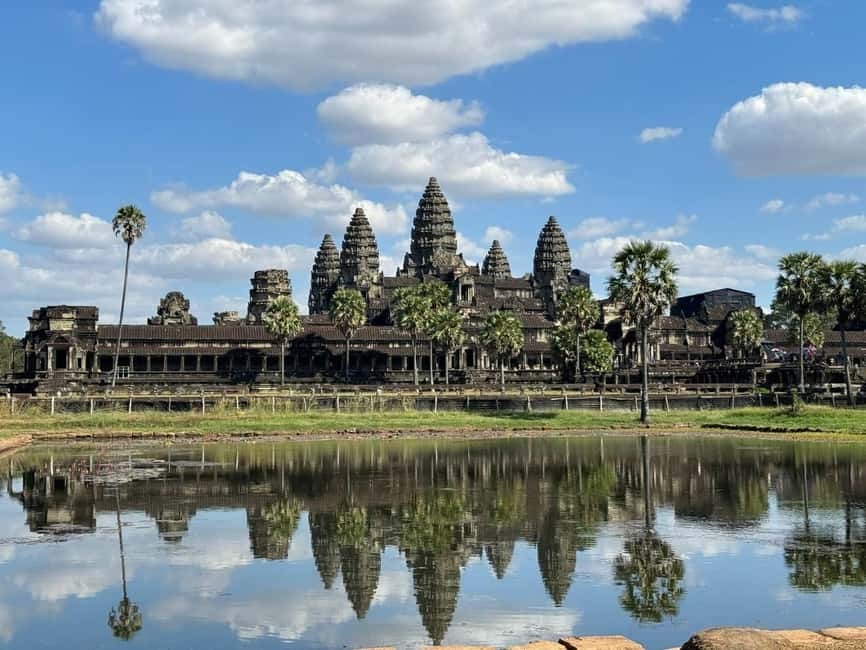
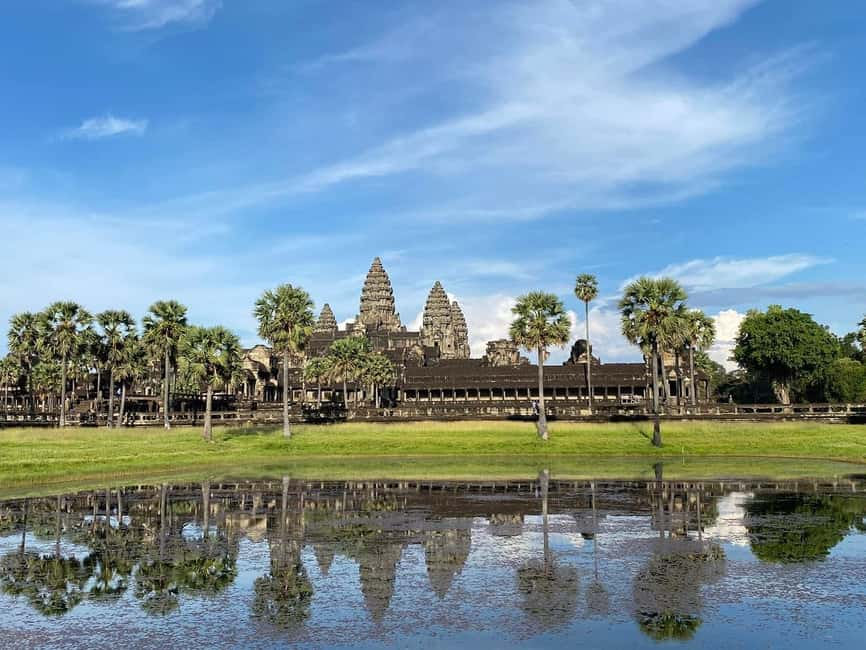
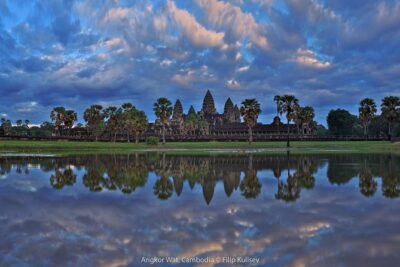
Angkor Wat is the final major stop on the one-day route, with about two hours for a guided visit. That is a sensible amount of time. The complex is too large for a quick glance, yet a full day there would leave little room for the other temples.
Take time to appreciate the approach, the galleries, the towers, and the carved scenes. The temple’s layout and decoration reflect religious ideas, so the guide’s explanation can turn a grand view into a more understandable visit.
The afternoon heat can be tiring, especially after several hours on foot. Sunglasses, a hat, sunscreen, and water are not optional extras here. The supplied cold towels are a small but welcome comfort when you return to the vehicle.
The two-day route earns its extra time
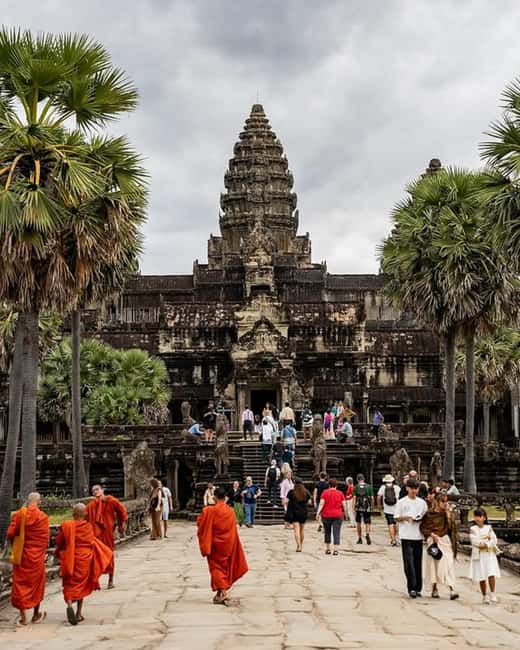
If you want the main temples without racing, choose the two-day option. It includes the one-day Small Circuit, then adds the Grand Circuit and Banteay Srei on the second day. The extra day also spreads out the walking, which is valuable in hot weather.
Day two generally finishes around 4:00 PM. The itinerary is still active, but the experience gives you more room to notice smaller details instead of treating each temple as another quick stop.
Preah Khan and Neak Pean
Preah Khan opens the second day with long corridors, carved doorways, and the remains of a large monastic complex. It feels more spacious and atmospheric than some of the tighter central temples. You can spend time following the lines of the building and looking for smaller carvings that are easy to miss at a distance.
Neak Pean is smaller and more unusual. It sits within a setting of pools, making the approach part of the visit. The stop is less about climbing through a huge structure and more about understanding how water shaped Khmer architecture and religious spaces.
Ta Som and the tree-covered gate
Ta Som is a compact temple with a memorable tree-covered gate. Like Ta Prohm, it shows the visual drama created when roots and masonry meet. It is a good place to compare the two sites without expecting them to feel identical.
The smaller scale can make Ta Som easier to appreciate after the larger monuments. You are not facing another enormous complex, but you still get the classic Angkor combination of carved stone, narrow passages, and encroaching trees.
East Mebon and Pre Rup
East Mebon once stood on an island in an ancient reservoir. Today, its elevated position helps you understand the relationship between temple building and water management, even if the original setting has changed.
Pre Rup has a strong mountain-like form, with rising levels and broad views across the Cambodian countryside. It is one of the grander-looking stops on the second day, though the climb can be tiring. You should not treat the upper levels as a race. Take breaks and let the guide set a sensible pace.
Banteay Srei, the finest detail of the second day
Banteay Srei is often the favorite stop for visitors who enjoy close-up carving. Its pink sandstone decoration is unusually fine, with detailed figures and ornamental work on a smaller scale than Angkor Wat.
The temple is called the Citadel of Women, and it feels different from the massive royal monuments. The scale is more intimate, but the carving demands attention. This is the strongest reason to book two days if you care about art and detail rather than only checking off the famous names.
The longer drive and added park time are part of the trade-off. You spend more money and more hours, but you also get one of Angkor’s most distinctive artistic sites.
Sunrise is beautiful, but it changes the day
The sunrise option begins around 5:00 AM and finishes close to noon. It is available when selected at checkout, and breakfast from your hotel is recommended.
This option makes sense if you want early light at Angkor Wat and prefer to finish before the worst afternoon heat. It also requires a very early start, so do not choose it simply because the word sunrise sounds appealing. You need to be comfortable eating breakfast on the go and beginning the temple visit before most of your normal sightseeing day.
For the two-day plan, the sunrise option can be selected for Day 2. Confirm the exact selection when booking, since the stated starting time depends on the option chosen.
Transport, group size, and comfort
Transport depends on the number of people and the booking type. One or two participants generally use a tuk-tuk, which gives you open-air views and a classic Siem Reap feel. A car can be chosen for some private one-day arrangements, and two-day private trips use a tuk-tuk on Day 1 and a car on Day 2 for one or two people.
Groups of three or more use an air-conditioned van or bus. That is the better choice if you are sensitive to heat or want more protection between long walks. The transport service has received particularly strong marks for comfort, timing, and coordination.
Fresh water and cold towels are supplied during the day. In temperatures around 35 degrees Celsius, this is not a luxury. It can make the difference between enjoying the final temple and simply trying to get through it.
The guide and driver work as a team, moving the vehicle between stops and reducing wasted time. Pickup is from your hotel lobby in Krong Siem Reap, so provide a clear hotel name or address and a contact number.
Price, meals, and the real total
The advertised tour price is $50 per person. That is reasonable for a French-speaking guide, hotel pickup, transport, guided visits, water, and towels, especially if you choose a private departure or need a language service that is less widely available.
But the true cost is higher. Add $37 for a one-day Angkor pass or $62 for a two-to-three-day pass. Lunch is also separate, and the meal stop is at a nearby Cambodian restaurant. One important caution: a restaurant close to the monuments may charge more than you expect, and quality can be uneven. Ask your guide about the available choice before ordering.
Children under 12 join free on private tours, but a passport must be shown to confirm age. This can improve the value for families, although young children still need to cope with heat, stairs, and long walks.
Free cancellation is available up to 24 hours before departure, and you can reserve now and pay later. Those policies help if your Siem Reap plans are still moving around.
What to wear and bring
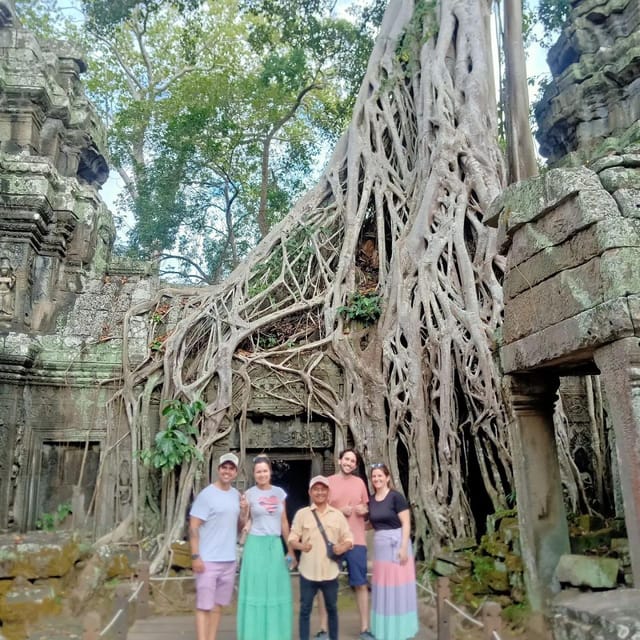
Angkor is an active sightseeing day, not a gentle stroll. Bring comfortable shoes, sunglasses, a sun hat, sunscreen, and insect repellent. Light, comfortable clothing is sensible, but it must meet the temple rules.
Shorts, short skirts, sleeveless shirts, and revealing clothing are not allowed. A scarf can cover knees and shoulders at some temples, but Angkor Wat requires proper coverage, with pants or skirts below the knees and shirts covering the shoulders. It is easier to dress correctly from the start than to search for a cover-up at the gate.
The tour is not suitable for wheelchair users because of uneven ground, stairs, and temple access. It is also not intended for people over 95.
Who should book this Angkor tour?
I would choose the one-day option if you have limited time in Siem Reap and want Bayon, Ta Prohm, Angkor Thom, and Angkor Wat explained in French. It gives you the essential experience, but you should be ready for a long, warm day.
I would choose two days if Banteay Srei appeals to you, if you enjoy carvings and smaller temples, or if you dislike rushing. Families may also prefer the slower pace, though private transport and the free child policy apply only under the stated conditions.
The French service is the key reason to choose this tour over a cheaper general group trip. Guides such as Mey, Piset, Kamal, Alex, Philrom, and Kanal have delivered warm, well-structured visits, but the assigned guide can vary. You should book it if clear French explanations, hotel pickup, and practical comfort are worth paying for.
Skip it if you want total freedom to linger, eat wherever you choose, or visit at your own pace. In that case, a private car and guide arranged independently may suit you better. For most French-speaking visitors who want the major temples handled efficiently, this is a strong and sensible Angkor introduction.
FAQ
Is the Angkor entrance ticket included?
No. The Angkor Archaeological Park pass is purchased separately. It costs $37 for one day or $62 for two to three days.
What time does the tour start?
The regular pickup is between 8:30 and 9:00 AM. If you select the sunrise option, pickup is at 5:00 AM.
How long does the one-day tour last?
The regular one-day tour lasts about eight hours and generally finishes around 5:00 PM. The sunrise version finishes around noon.
What does the two-day tour include?
It includes the Small Circuit on Day 1, the Grand Circuit and Banteay Srei on Day 2, plus a French-speaking guide, transport, hotel pickup, cold water, and cold towels. The two-to-three-day Angkor pass is not included.
Is lunch included?
No. Lunch is taken at a nearby local restaurant and must be paid for separately.
What transport is used?
One or two people generally travel by tuk-tuk. Groups of three or more use an air-conditioned van or bus. Some private bookings allow a car to be selected.
Can children join for free?
Children under 12 can join free of charge on private tours. A passport must be shown as proof of age, and children still need suitable clothing and shoes for the temples.
Just added around Siem Reap
- Twilight Tastes of Siem Reap Include Dinner★ 5.0 · 13 reviews
- Ultimate Sunrise to Angkor Wat, Angkor Thom and Bayon Temple★ 5.0 · 3 reviews
- Trekking Tour at Phnom Kulen National Park from Siem Reap★ 5.0 · 3 reviews
- Professional Photo Shoot in Angkor Archaeological Park, Siem Reap★ 5.0 · 42 reviews
- Full-Day Private Tour of Angkor Wat with Pick Up★ 5.0 · 12 reviews
- Unveiling 2 Days Private Angkor Wat/Beyond In Sunrise/Sunset Tour★ 5.0 · 48 reviews
- Siem Reap City Tour with War Museum and Killing Field★ 5.0 · 27 reviews
- Private Day Trip to Angkor Temples with Expert Guide★ 5.0 · 4 reviews
Angkor Wat Tours, compared.
Angkor Wat Sunrise or Sunset Tour with Guide from Siem Reap
Read our review →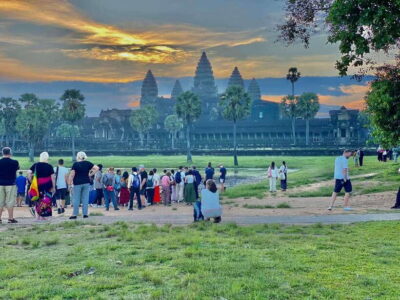
Angkor Wat: Small-Group Sunrise or Sunset Tour
Read our review →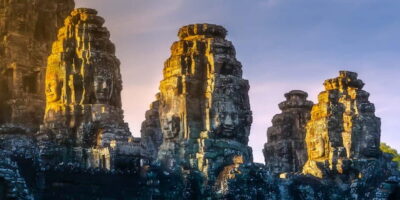
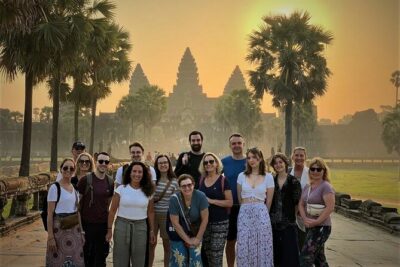
Angkor Wat Highlights and Sunrise Guided Tour from Siem Reap
Read our review →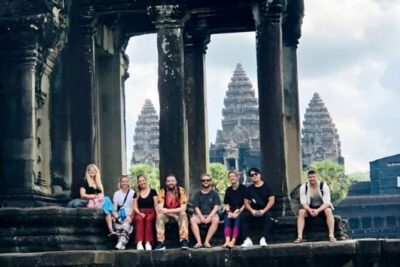
Angkor Wat Sunrise & 3 Main Temples with Breakfast – Small Group
Read our review →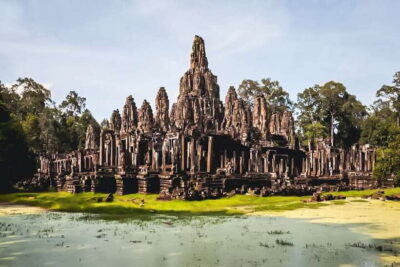
Angkor Wat Sunrise and Full-Day Sightseeing Tour
Read our review →